Category Archives: An Interview with…

Special Guest: Q & A with John Condon

Today I am excited to welcome to my blog another special guest. This time one of my favourite picture book writers, John Condon.

When John was a child he was always drawing. So much so that his mother and most of his teachers assumed he would one day become an illustrator or a designer; certainly not an author. Okay, technically he did become a designer… but he’s an author too. Which doesn’t surprise John in the least. John was born and raised in London, but he currently lives on its outskirts where it’s a little leafier. Importantly for him though, it’s just a train ride away from the buzz of town. His favourite holidays involve the sea, which inspires many of his story ideas. Although he doesn’t like to swim in it, he finds the sound of the waves calming and life affirming. He hopes one day to live close enough to the sea to hear it always.

I absolutely loved John’s picture book, The Pirates are Coming – a hilarious retelling of The Boy Who Cried Wolf, with not one but TWO twists! I was hooked to the end of The Wondrous Dinosaurium about a boy searching for the perfect pet. So I am thrilled to be able to interview John about his latest picture book, The Best Bear Tracker.

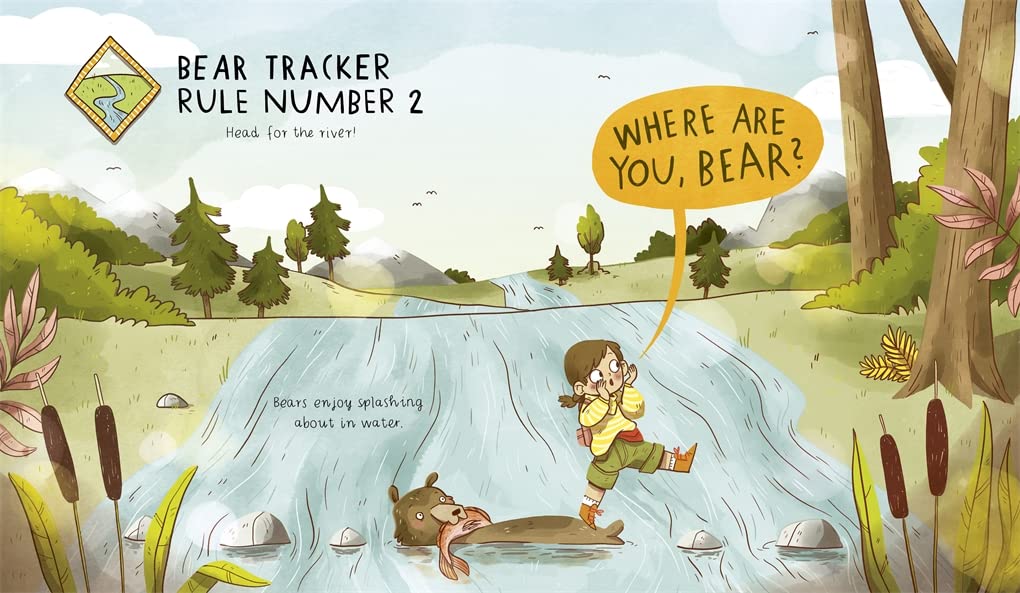
The Best Bear Tracker by John Condon and Julia Christians

The Best Bear Tracker by John Condon is illustrated by Julia Christians and due to be released by Templar Publishing tomorrow on the18th August 2022.

Thank you John for agreeing to be a special guest on my blog today. It is a great honour to have you here. Let’s dive into the first question.

********

Q&A with John Condon

When did you first realize you wanted to write picture books?

Relatively recently. I first conceived the idea of writing a picture book about 11 years ago, when I was still trying to make films. I wanted to create a gift (or perk) for investors in a planned film project and for some reason or other I decided that a picture book was the solution. I then set about converting the screenplay and loved the process. I didn’t manage to turn the script into a successful text, and eventually put it in a drawer, but the spark had been lit and I knew then that I wanted to write picture books. I actually dug that story out not too long ago and have decided to have another go at it. Watch this space.

My favourite bear tracking rule is Rule Number 5: Lure the bear into the open! What is your favourite bear tracking rule and why?

Hmm, I hadn’t considered it but looking at them all now I think it would be RULE 8: Always be brave. Bravery can take many forms, and it doesn’t have to mean wandering alone into a dark cave looking for a bear. To me in means feeling fear or apprehension about something that you want to do and not letting that fear dissuade you. I’ve often found that by being brave I’ve more often than not benefited in some way, whether big or small.

The Best Bear Tracker relies heavily on the illustrations for the humour. Did you have to write extensive illustration notes?

I tend to do that anyway. I know it’s frowned upon by many but I’m quite visual and I can’t help myself. Occasionally they prove to be very useful to editors but if they decide to ignore them, I have no problem with that at all. I just put them in to give an indication of what might happen rather than with any expectation they should be used. In this instance they were necessary, as you know, so there were notes for every spread. They weren’t always extensive, just clear. And, I would still say they were suggestions rather than rules. If the Templar team had other ideas, or Julia Christians my brilliant illustrator had other ideas, I wouldn’t have had an issue with that. Producing a book is without doubt a team effort, and I embrace that process wholeheartedly.

Do you have any rituals or routines that are part of your writing process?

I don’t have any rituals or superstitions and I’m still trying to figure out a routine that works for me. At the moment I tend to bounce between a few ideas, adding little bits to them as I go, until they are in a place where they more or less resemble a coherent story. Once one does, I’ll decide whether I actually like it enough to keep developing it. This is a tricky point in the process because I’ve found that the stories that excite me won’t necessarily appeal to an editor just as the stories that appeal to them don’t necessarily blow my socks off. As a result, I’ve stopped trying to predict which texts will be winners and just submit stories that I feel have value and then let the editors decide. Occasionally I’ll pin my hopes on one but very seldom do those get picked up. The Pirate story was one of those, but the bear story was not. Having said that, Julia Christians and the Templar team have done such an amazing job with it that I have finally fallen in love with the story. I think it looks gorgeous.

What was your favourite book as a child and why?

I honestly don’t remember many books from my childhood. I think I was a bit of a reluctant reader. I was more of a TV and movie person. I absolutely adored the cinema, which was why I eventually began trying to make films of my own. If you had asked me what my favourite film was as a child, I’d have a long list for you. If you asked me what my favourite TV show as a child was, we’d have to debate the multitude of options. Books took a while to capture my heart, but, of course, they eventually did.

Is there anything else you would like to tell readers about the best Bear Tracker and writing for children?

Only a request that anyone who reads and enjoys this book (or either of my other books) please leave a review on Amazon. Even if it’s just some stars, rather than a written review. It’s hard to know how effective any of this is but I know that I look at reviews and check the star ratings of any book I am considering buying. I also leave reviews for books I have enjoyed. It’s so important to authors to know their work has found an audience. I make very little money as an author (and it’s currently my only form of income) so that feedback gives me encouragement to continue writing. That goes for all children’s authors, I’m sure.

********

Thank you John for agreeing to be interviewed on my blog.

You can find out more about John and his picture books on Twitter @John_Condon_OTT, Instagram @john_condon_author, Facebook @john.condon and on his website: www.johncondon.co.uk.

You can read my review of The Pirates are Coming! by John Condon and Matt Hunt here: Book Review: The Pirates are Coming!

You can discover more about John and his writing tips in another interview I did with him, this time for the September 2019 Writing for Children slot in the national writing magazine Writers’ Forum: An interview with… John Condon

Also discover the highlights of John Condon’s book launch for The Pirates are Coming! here: John Condon’s book launch

John’s books are available to buy in any good bookshop and online at uk.bookshop.org, an organisation with a mission to financially support local, independent bookshops.

An Interview with… Rachel Ip

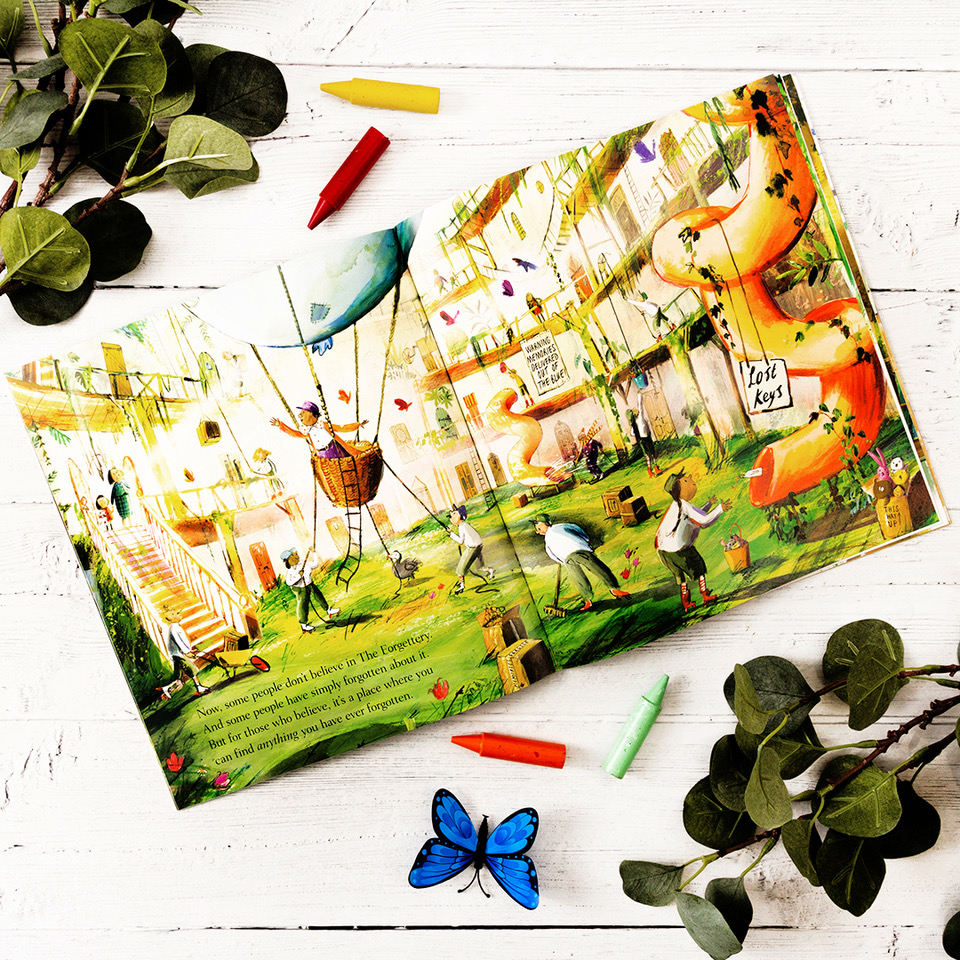
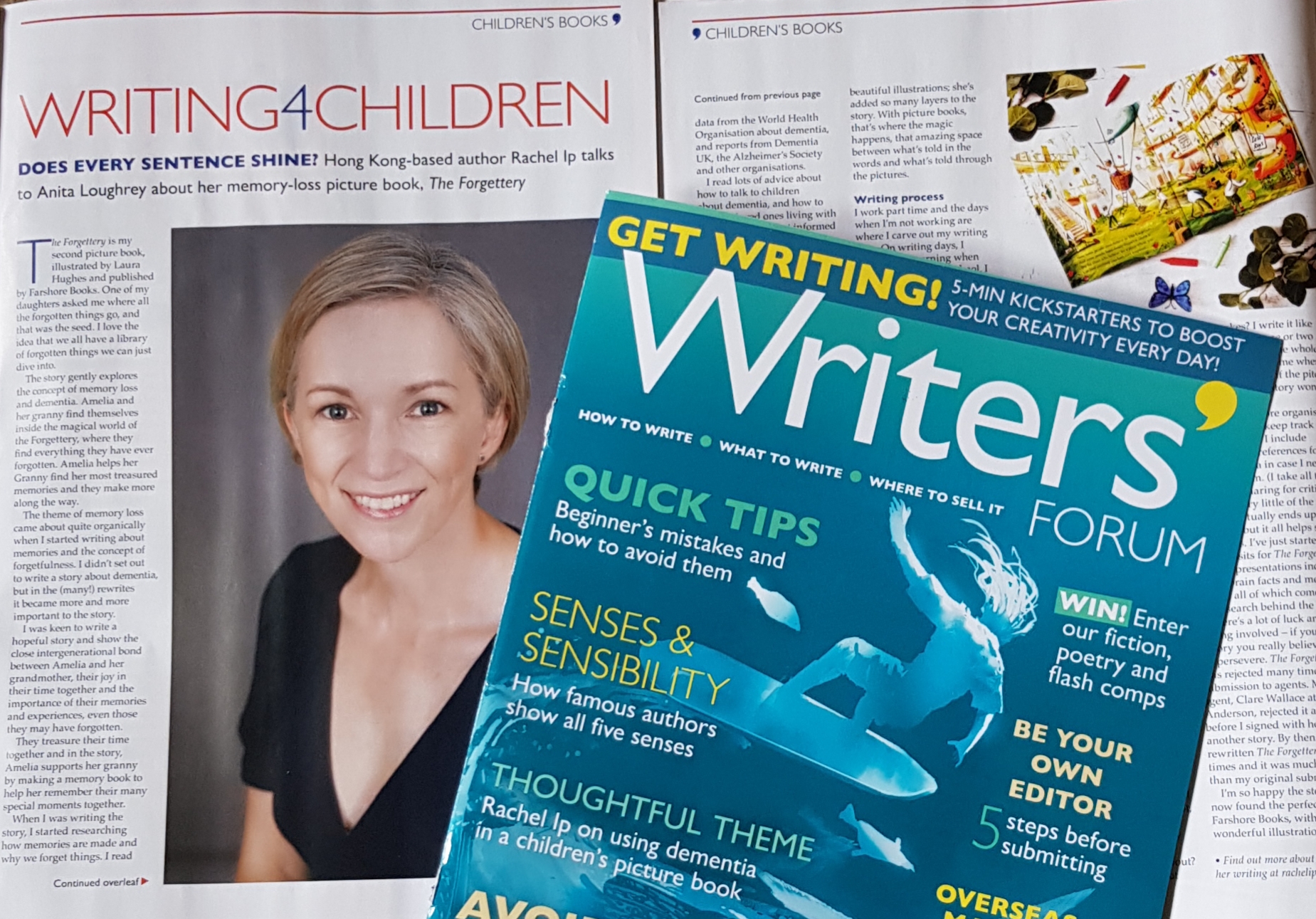
My blog today is a summary of my interview with picture book writer, Rachel Ip, which appeared in Writers’ Forum last year, in the #235 Aug 2021 issue. She talked to me about her picture book, The Forgettery, which has a theme of memory loss. The Forgettery is illustrated by Laura Hughes and published by Farshore Books.

Rachel revealed the inspiration for The Forgettery came from one of her daughters who asked where all the forgotten things go. Rachel loved the idea that we all have a library of forgotten things we can just dive into and explore.

The story gently explores the concept of memory loss and dementia. Amelia and her Granny find themselves inside the magical world of The Forgettery, where they find everything they have ever forgotten. Amelia helps her Granny find her most treasured memories and they make more along the way.

She told me the theme of memory loss came about quite organically when she started writing about memories and the concept of forgetfulness. She explained she didn’t set out to write a story about dementia, but in the (many!) re-writes it became more and more important to the story. 

“I was keen to write a hopeful story and show the close intergenerational bond between Amelia and her Granny, their joy in their time together and the importance of their memories and experiences, even those they may have forgotten.”

Rachel Ip

When Rachel was writing the story, she started researching how memories are made and why we forget things. She gathered together lots of advice and recommendations about how to talk to children about dementia, and how to support loved ones living with dementia from places like the World Health Organisation, and reports from Dementia UK, the Alzheimer’s Society and other organisations. Rachel told me all this research shaped the story – particularly the ending, where Amelia makes the memory book to help Granny remember their many special moments together. The book also includes lots of sensory details as Granny remembers the smell of fresh bread and the crackle of autumn leaves underfoot.

“It was important for me to use the right language to talk about people living with dementia, and those who support them. Although dementia isn’t explicitly mentioned in the story, that became important in the way the book was described in the various marketing materials (catalogues, online and back cover copy).”

Rachel Ip

Rachel explained she wanted to capture some of these light-hearted moments inside The Forgettery, as well as explore the deeper theme of memory loss. She advocates there’s something very relatable about forgetfulness. Children are forgetful. They’re busy living life in the moment. Adults are also forgetful. We forget our keys and our glasses. We’ve all felt that rush of nostalgia when a song on the radio takes us back 10 years, 20 years in a matter of moments.

With regards to her writing process, Rachel said if she is working on a particular story, she always read the latest draft aloud and see how it feels before starting to edit.

“I write in long-hand in my notebook until the story starts to take shape, then I create a dummy or page plan to see how the pacing and page turns feel. Only then do I write it up in Word to share with my critique group. Everything goes through critique at least once, often more, before I share it with my agent.”

Rachel Ip

She revealed she has a running list of story ideas in the back of her notebook. It might be a phrase or a question, possible titles, or themes she wants to explore. Gradually these come together and form a story idea. I was surprised to discover she had The Forgettery title long before she found the essence of the story.

For picture books, making a dummy or page-plan really helps her to see whether the pacing is working, and whether each page turn is exciting for the reader. You can download an editable page plan for a 32 page picture book from Rachel’s website here: www.rachelip.com/forwriters.

“The picture book plan helps me to see whether each spread feels sufficiently different for the illustrator to illustrate. With picture books, although I’m not an illustrator, I try to think visually when I write and I always edit to take out anything from the words that could be shown in the illustrations. I add illustration notes as I write, but then I try to remove them all before sharing with my agent (unless the story wouldn’t make sense without them).”

Rachel Ip

She explained, The Forgettery was originally rhyming, and she shared it with course tutors, Joyce Dunbar and Petr Horácek, on a picture book course at the Arvon Foundation. Joyce told her to “rewrite it in crystal clear prose.” This struck a chord with Rachel.

Rachel said there’s a lot of luck and timing involved in being published but if you have a story you really believe in, persevere. She explained that The Forgettery was rejected many times on submission to agents. Her agent, Clare Wallace at Darley Anderson, rejected it a year before she signed with her for another story. By then she had taken Joyce’s advice and rewritten The Forgettery many times and it was much stronger than her original submission. Perseverance is key.

I have previously reviewed another lovely picture book book written by Rachel, The Last Garden by Rachel Ip and Anneli Bray on my blog. You can read the review here: Book Review: The Last Garden.

You can find out more about Rachel Ip and her writing at www.rachelip.com and follow her on Twitter @RachelCIp and on Instagram @RachelCIp.

To read the complete feature you can purchase a copy of #232 May 2021 Writers’ Forum by ordering online from Select Magazines.

To read my future Writing 4 Children or Research Secrets interviews you can invest in a subscription from the Writers’ Forum website, or download Writers’ Forum to your iOS or Android device.
An Interview with… Rebecca Smith

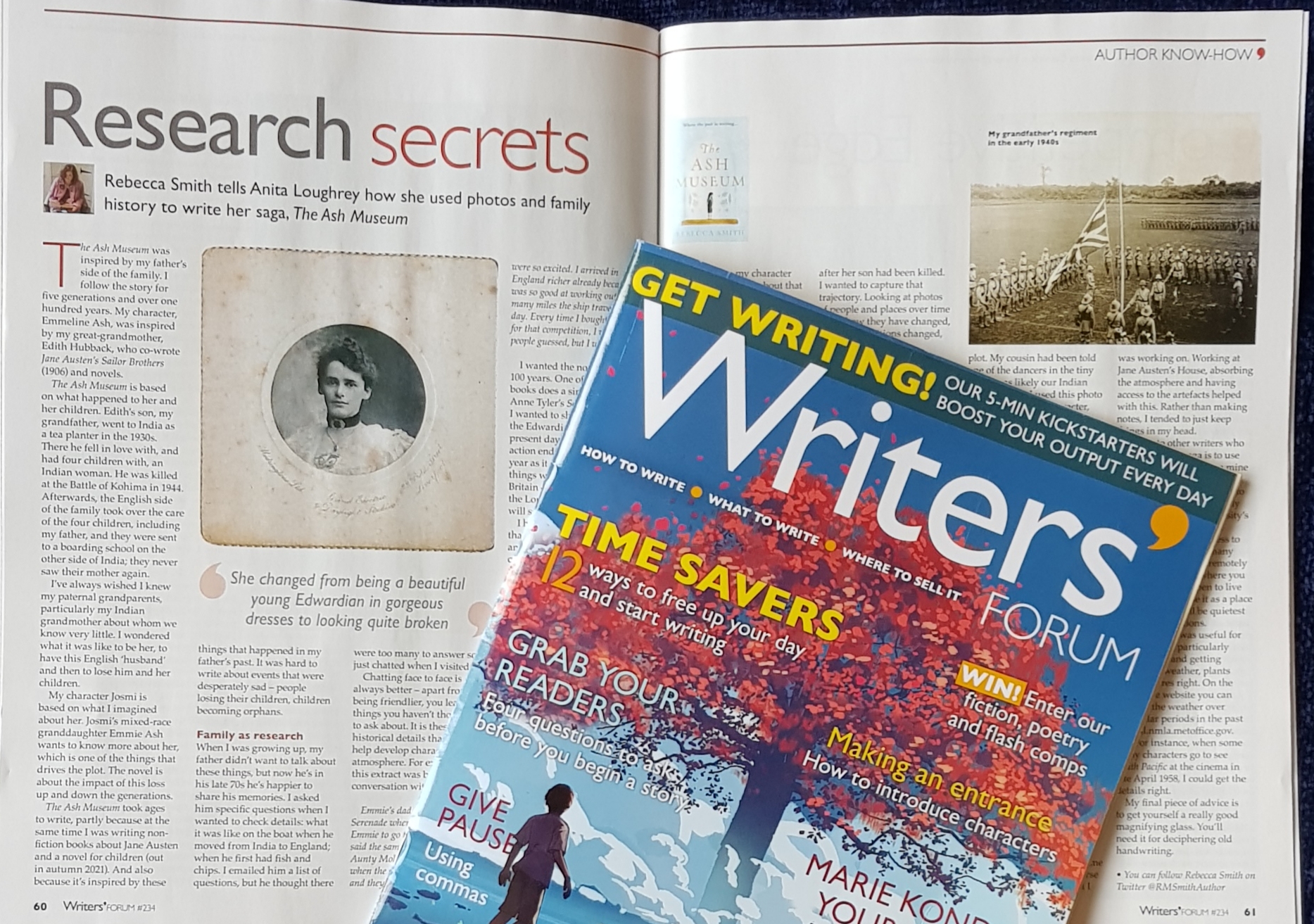
In another author interview flashback, I recount when Rebecca Smith told me she used photos and family history to write her saga, The Ash Museum, published by Legend Press. The interview appeared in my ‘Research Secrets slot of Writers’ Forum issue #234 Jul 2021.

The Ash Museum, is an intergenerational story of loss, migration and Rebecca’s search for somewhere to feel at home, inspired by people on her father’s side of the family and what happened to them. She follows their story for five generations and over one hundred years. The character, Emmeline Ash, was inspired by Rebecca’s great grandmother, Edith Hubback, who co-wrote Jane Austen’s Sailor Brothers in 1906.

The Ash Museum is based on what happened to Edith Hubback and her children. Edith’s son, Rebecca’s grandfather, went to India as a tea planter in the 1930s. There he fell in love with and had four children with her grandmother who was Indian. Her grandfather was killed at The Battle of Kohima in 1944. After this happened, the English side of the family took over the care of the four children (including Rebecca’s father) and they were sent to a boarding school on the other side of India; they never saw their mother again.

“I have always wished I knew my paternal grandparents and great grandparents and particularly wanted to know more about my Indian grandmother, about whom we know very little. I wondered what it was like to be her, to have this English “husband” and then to lose him and her children.”

Rebecca Smith

Rebecca’s character, Josmi, is based on what she imagined her grandmother to be like and is at the heart of her novel. In The Ash Museum, Emmie Ash (Josmi’s mixed-race granddaughter) wants to know more about Josmi, and this is one of the things that drives the plot. The novel is about the impact of this loss up and down the generations.

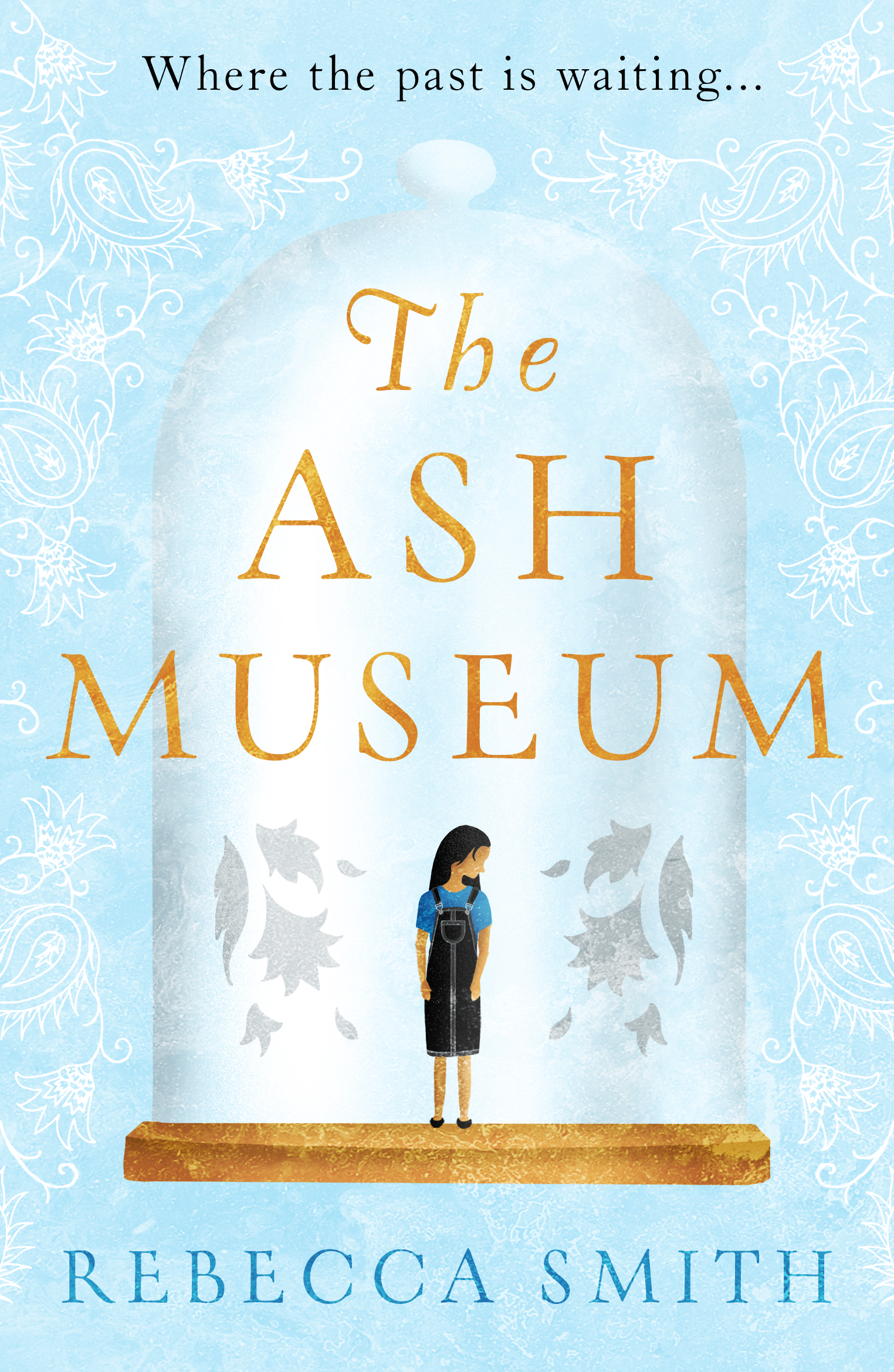
The Ash Museum by Rebecca Smith

As part of her research Rebecca has collected hundreds of books that belonged to previous generations and she explained these were useful in creating characters and historical changes over the generations.

“We can tell so much by what people like to read. I have maps, books about rock climbing with my grandfather’s annotations, an atlas from the 1920s, and poetry, history, philosophy and most importantly, novels. There is a wealth of information to tap into.”

Rebecca Smith

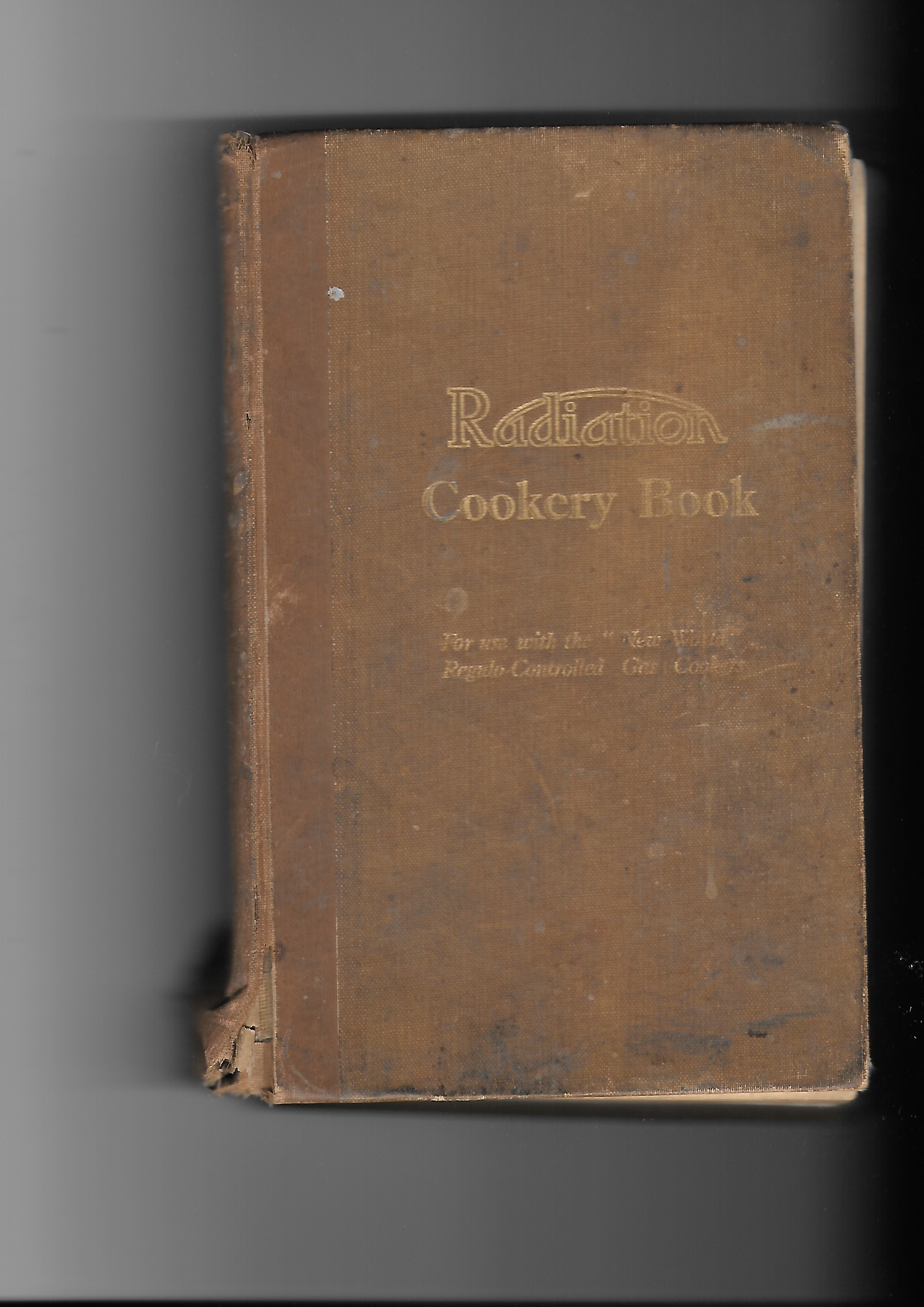
When it came to adding historical details to family meals, she used the only cookery book one of her great aunts had –Radiation Cookery Book: A Selection of Proved Recipes for Use with ‘New World’ ‘Regulo’- Controlled Gas Cookers (19th Edition, 1936). REbecca reckoned it must have come free with her stove. She recognised some of the things she used to cook when she visited and Rebecca tried cooking those and other things herself to get an understanding of the process and how they felt.

The cookery book that belonged to Rebecca’s great aunt

Inspired by her family’s history, she was planning to write lots about The Battle of Kohima where her character, James dies, so she read lots about it and watched documentaries, but in the end Rebecca decided to do things more from his ‘wife’ Josmi’s point of view and ended up with just one very short battle scene. She told me that a lot of her notes and links to articles and images were stored on her phone.

Rebecca explained when she started writing a cousin gave her boxes of family papers. The photos, particularly of when her great grandparents were in Canada, and when her grandfather was in India, were extremely useful. She also found her great grandmother’s diaries kept when her children were small invaluable because her grandmother, Edith Hubback, had recorded things that so many mothers do – funny things her children said and the dates of their first steps and other milestones.

“It was so moving reading these observations 100 years on and knowing what had happened to her children when they grew up.”

Rebecca Smith

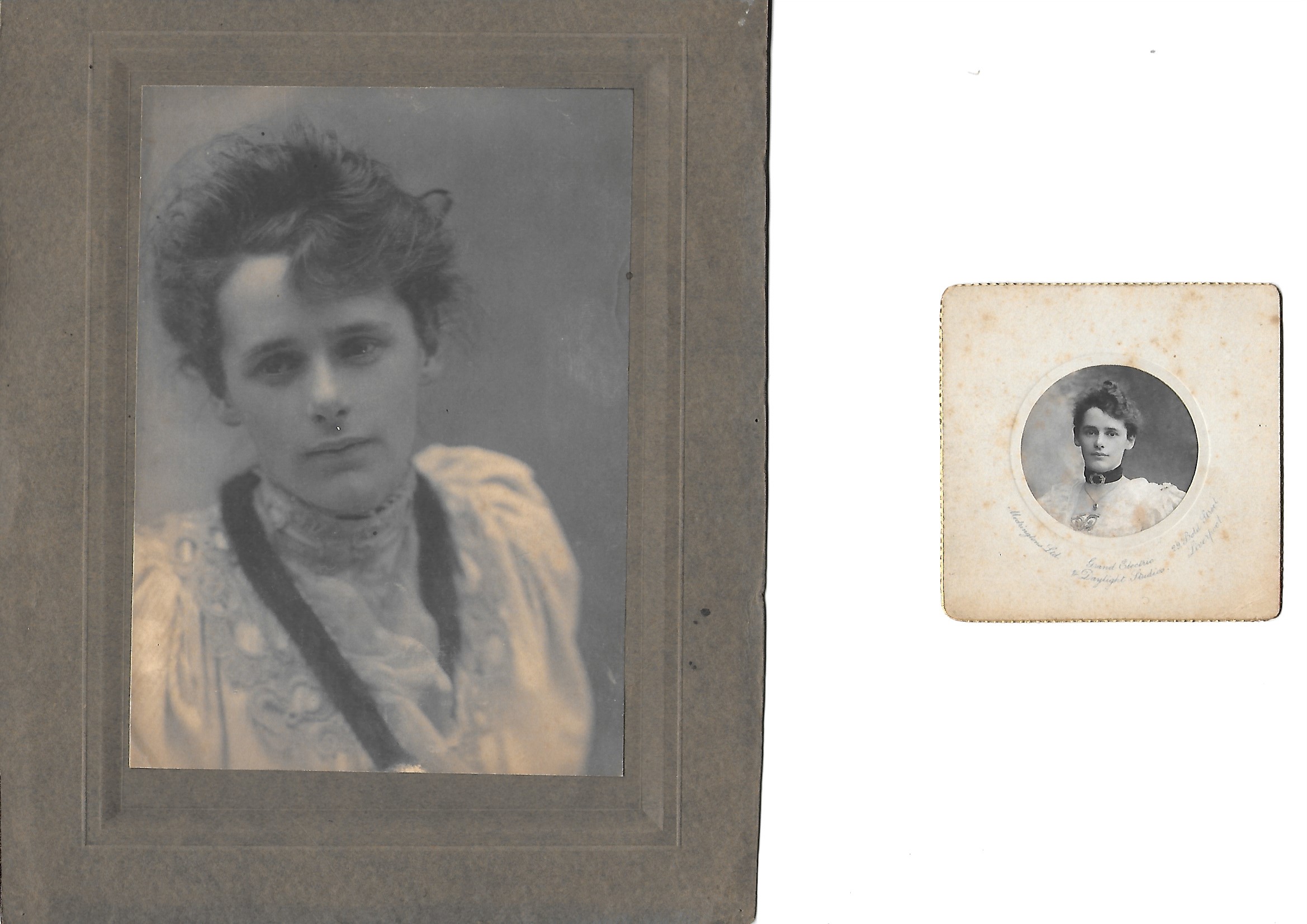
She elaborated that the photos showed how Edith had changed from being a beautiful young Edwardian in gorgeous dresses to looking quite broken in the 1940s after her son, my grandfather, had been killed. Rebecca wanted to capture that trajectory. Looking at photos of people and places over time to see how they have changed and traditions changed helped her to do this.

Edith Brown nee Hubback c.1907

Another great research resource was when she was the writer in residence at Jane Austen’s House. She saw the way the curator (then Louise West) used objects to tell the story of Jane Austen and how much can be conveyed and evoked in an economical way and the importance of the visual in storytelling.

Rebecca told me as people walk around the museum, they learn Jane Austen’s story by looking at small things – a needle case made for a niece, Cassandra’s teapot, the quilt made by the Austen women, and of course the books and letters. this observation made her realise by using objects she could have strong threads in the novel without having to ‘tell everything’ that happened.

“I ended up using objects to structure the novel too – it is in the form of a visit to a museum. I plan around scenes and key images – that helps make the writing more manageable and the finished work (I hope) pacier and more memorable.”

Rebecca Smith

Her tip to other writers who want to write a saga is to use your libraries. Librarians are a wealth of information and always pleased to help. she urges authors to make the most of their library card as it gives you access to wonderful resources, many of which you can use remotely so it does not matter where you live.

You can follow Rebecca Smith on Twitter @RMSmithAuthor and Instagram @rebeccamarysmith7

To read the complete feature you can purchase a copy of #234 Jul 2021 Writers’ Forum by ordering online from Select Magazines.

To read my future Writing 4 Children or Research Secrets interviews you can invest in a subscription from the Writers’ Forum website, or download Writers’ Forum to your iOS or Android device.

An Interview with… Tania Unsworth

This week’s author interview is a flashback to when I interviewed Tania Unsworth For my Research Secrets slot in Writers’ Forum, issue #233 Jun 2021. Tania talked to me about how in-depth research permeates every aspect of her novel, The Time Traveller and the Tiger, published by Zephyr.

Tania told me that even before she began writing the book, she knew she needed to tell part of the story from the point of view of the tiger. But she didn’t want him to be a creature of whimsy or magic. She wanted him to be real. Or as close to real as she could manage, given the impossibility of knowing exactly what it’s like to be another animal. It was important for her to learn as much as she could about the physical characteristics and behaviour of wild tigers.

To do this she started by revisiting two classic books: My India the memoirs of legendary tiger hunter-turned conservationist Jim Corbett, and Peter Matthiessen’s powerful Tigers in the Snow. Then a quick google search turned up The Tiger by John Vaillant. Tania told me the latter extraordinary, beautifully written book was full of information and imagination-triggering insights. It also had a lengthy bibliography enabling Tania to source less well-known – but vital – texts, such as Richard Perry’s The World of the Tiger and Spell of the Tiger by Sy Montgomery.

The Time Traveller and the Tiger by Tania Unsworth

Tania explained she did far more research for The Time Traveller and the Tiger than ended up in the novel, filling her notebook with pages and pages of unused facts, along with drawings of various jungle creatures, because she approached the research in a broad, almost scattershot way, happy to go down any number of online rabbit holes, or wade through scientific accounts detailing how tigers are able to see in the dark or the life cycle of bamboo trees.

“I wasn’t always sure what I was looking for, but I knew it when I saw it; the spark of something I could use, the sudden reshaping of an idea. Casting a wide net in this way made the research process far more dynamic. It didn’t just provide authenticity for my story, it also helped me discover how to tell that story.”

Tania Unsworth

Along with books, Tania scoured YouTube for clips of tigers roaring, growling and ‘chuffing’, and watched documentaries such as David Attenborough’s Dynasties to get a sense of the physical presence of tigers – the way they move and sound and react to their environment.

Her book is set in the jungles of central India, and initially she thought it would be enough to go through Google Images for pictures of ‘Kipling country’, and do a thorough online search on the flora and fauna of the region to find out what a banyan or a peepal or a sal tree actually looked like. But she soon realized that this wasn’t going to be enough. Tania revealed spending a week in Kanha and Bandhavgarh – two tiger reserves in Madhya Pradesh changed everything.

“Setting is important to me as a writer, particularly in this book, where the beauty and fragility of the natural world is a big part of the story itself. You can’t tell what the jungle smells like (wild basil and warm grass) just from looking at pictures. And no audio recording of birds and animals can compare to standing in the forest and hearing them for yourself. The notes I made during my week in India transformed the second draft of my book and helped to bring my story to life with a hundred details. The way that termite mounds glitter with tiny fragments of mica. The sound of dew dropping from leaf to leaf in the early morning. The shafts of sunlight pouring through the trees like columns in a temple…”

Tania Unsworth

Her trip wasn’t just useful in terms of providing authentic details. It also gave herideas for plot and character development. For example, the villain iis a man called Sowerby who operates out of a remote hunting lodge. She had a lot of fun describing his study – a ghastly collection of knick-knacks and furniture, all made from animal parts. The inspiration for this came from a visit to the Museum of Science in Boston where I’d marvelled at the reconstruction of a gun room belonging to a certain Colonel Colby, crowded with animal skins and trophies.

When Tania googled ‘objects made from animal parts’ she came across hundreds of old photographs of items – from chairs to waste-paper baskets – that had been constructed out of various wild creatures. Discovering this long-ago trend for grisly home décor gave credence to my description of Sowerby’s room.

To find out more about Tania and her novels visit her website: www.taniaunsworth.com and follow her on Twitter: @TaniaUnsworth1.

You can read my review of The Time Traveller and the Tiger on my blog here: Book Review: The Time Traveller and the Tiger.

To read the complete feature you can purchase a copy of #233 Jun 2021 Writers’ Forum by ordering online from Select Magazines.

To read my future Writing 4 Children or Research Secrets interviews you can invest in a subscription from the Writers’ Forum website, or download Writers’ Forum to your iOS or Android device.

An Interview with… Lev Parikian

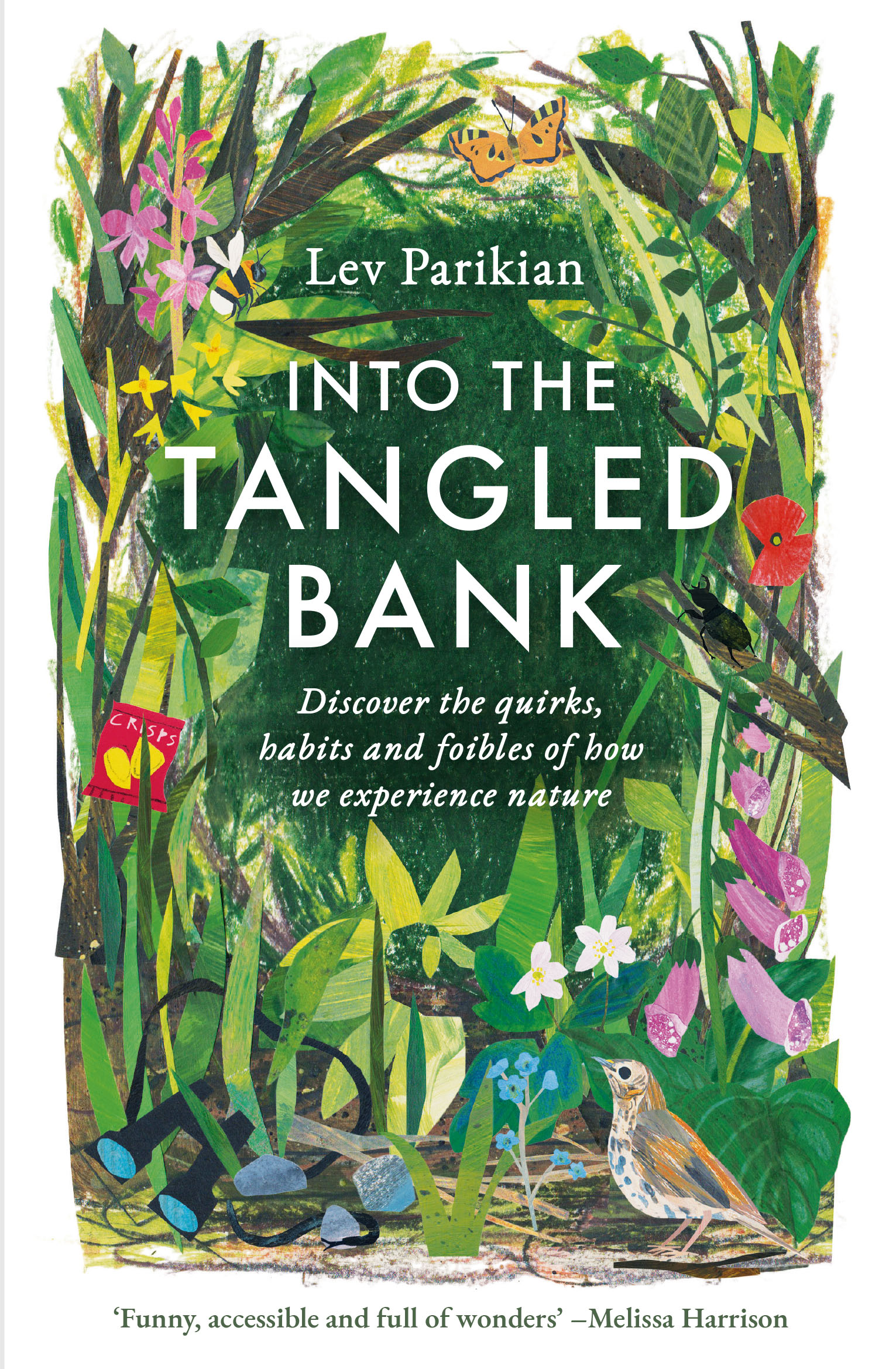
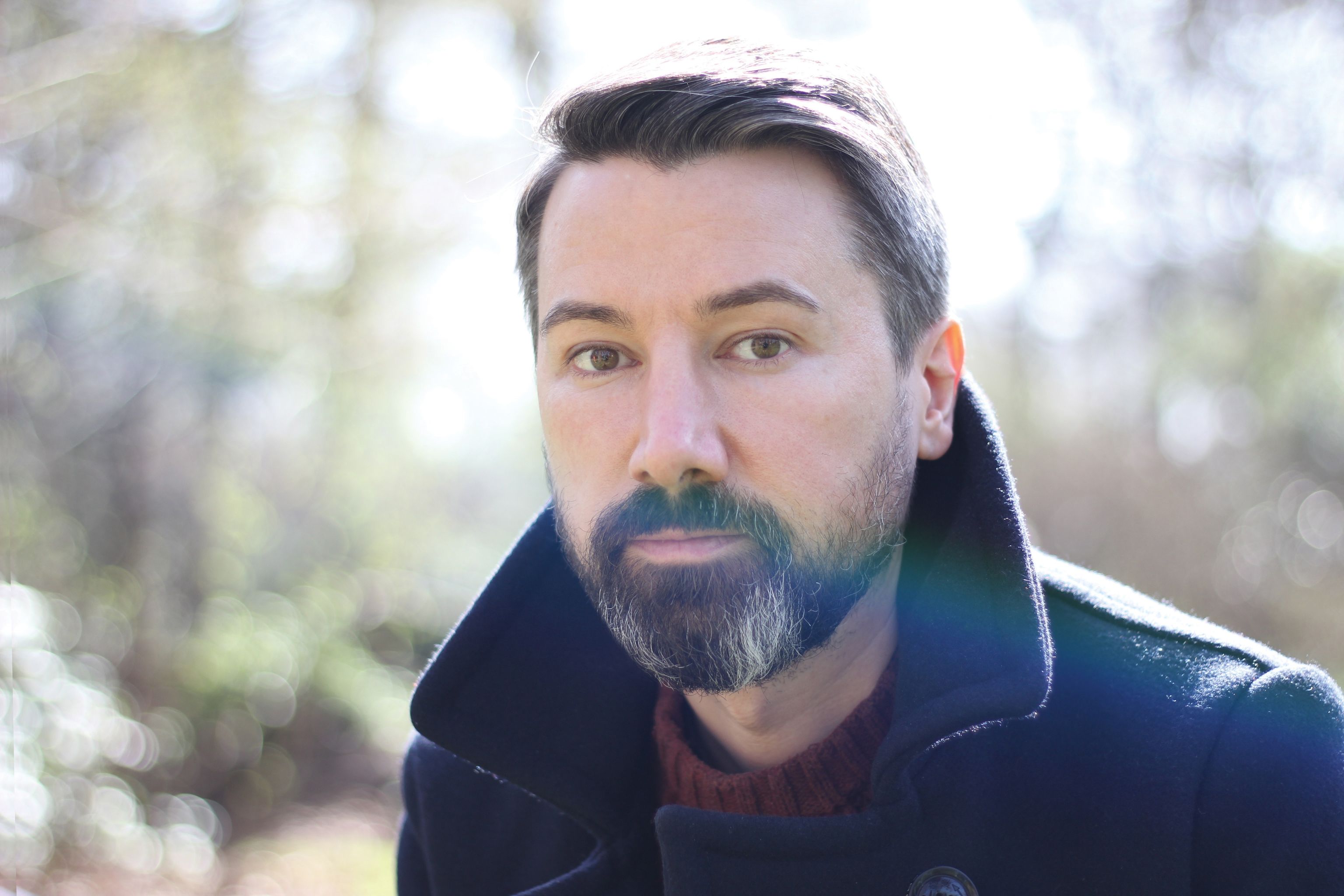
For my Research Secrets slot in the national writing magazine, Writers’ Forum #235 Aug 2021, I interviewed Lev Parikian about how his research for a previous book helped him to structure his creative non-fiction book, Into the Tangled Bank, published by Elliott & Thompson.

Lev explained, Into The Tangled Bank, grew from his second book, Why Do Birds Suddenly Disappear? which is the story of the year he spent trying to see 200 species of British bird. It had occurred to him, while travelling the country researching the previous book that as well as the fascinating birds he encountered, the people watching them were worthy of study, whether they were novices with only a vague interest in what they were looking at or expert ornithologists with deep knowledge. It made him think of how we all experience nature in our own individual ways, so the broad idea of a book about ‘how we are in nature’ was born.

Into The Tangled Web by Lev Parikan

In honing the idea from that initial concept it occurred to Lev that he could weave together three stories: his own journey through nature; the people he met on the way; and some of the great naturalists of the past who devoted their lives to studying the mysteries of the natural world.

Lev told me his initial research included everyone he found who fell under the broad definition ‘naturalist’. He noted their dates, area of interest, where they lived, and how they might fit into the arc of the book. From there he whittled it down. He wanted it to move from the familiar and domestic – the wildlife we encounter in our homes and gardens and on our doorsteps – gradually outwards to take in a wide variety of habitats – not just the wild places like nature reserves and mountains and lakes and clifftops but local parks and zoos and even museums, where the wildlife is laid out for us to survey in close detail and at our leisure.

“I love birds, but the lives of twelve ornithologists might not have offered the range I was looking for.”

Lev Parikian

Lev revealed it was important to him to cover a variety of disciplines. This is why he included Walter Rothschild, founder of what is now the Hertfordshire wing of the Natural History Museum; the great poet John Clare, who wrote with such power about the nature on his local patch near Peterborough; Thomas Bewick, the engraver whose illustrations were many people’s introduction to the appearance of birds and animals they would never encounter in the flesh; Sir Peter Scott, a man of extraordinary breadth and founder of the Wildfowl and Wetlands Trust (among many other achievements); Gavin Maxwell, who by all appearances preferred the company of otters to humans.

Charles Darwin’s English Heritage house in Kent, UK

The places he visited became gradually wilder – from the rather genteel surroundings of Charles Darwin’s English Heritage house in Kent to Skokholm, a small island off Pembrokeshire which was the first bird observatory in Britain, and is home to a couple of hundred thousand seabirds and just a handful of humans.

During his week on Skokholm, he was torn about how best to spend my time. He was writing about his own experience of the birds, so wanted to spend as much time as possible outdoors looking at the birds and picking the brains of Richard and Giselle, the observatory’s wardens; but the island has an extensive library, filled with the works of its founder Ronald Lockley and much more, all of which he wanted to read. It was impossible to do everything.

“At the heart of the book was a desire to reflect the various ways we experience nature, whether actively (yomping across a boggy moor hoping for a glimpse of a disappearing curlew) or passively (slumped on the sofa listening to David Attenborough describing the sex lives of aardvarks). And really all that was required in that department was to observe people (including myself) as keenly as I observed nature. There was a fair amount of eavesdropping, but I also made a point of striking up conversations whenever I had the opportunity (and when appropriate) and listening to what people had to say.”

Lev Parikian

Lev explained he found recording all this information difficult and admits he is not naturally organised. But he does have a notebook, which he carries with him most of the time, and whenever possible he jots things down. He also makes use of technology which he said he finds indispensable.

“I took a lot of photographs with my phone to remind me of particular settings or encounters, and if I overheard something particularly interesting or funny it was generally quicker to jot it down in the Evernote app on my phone.”

Lev Parikian

He described the process of writing Into The Tangled Bank, as absorbing everything like a sponge and then squeezing it out afterwards. The trick, he claims, is knowing which is the good stuff.

You can find out more about Lev Parikian on his website www.levparikian.com and follow him on Twitter @levparikian and Instagram @levparikian and Facebook @levparikianwriter.

To read the complete feature you can purchase a copy of #235 Aug 2021 Writers’ Forum by ordering online from Select Magazines.

To read my future Research Secrets or Writing 4 Children interviews you can invest in a subscription from the Writers’ Forum website, or download Writers’ Forum to your iOS or Android device.

Inspirations from the Bookshelf – Alice Hemming

Check out SCBWI British Isles online magazine, Words & Pictures, to read the interview I did with Alice Hemming about how she is inspired by Hans Christian Andersen.

Alice hemming writes for children of all ages. She has over 50 books published in the UK and internationally, including picture books and chapter books. She has also written for websites, reading schemes and even a talking bear! Two of her books were selected for the National Library Summer Reading Challenge.

Alice Hemming

Alice recalls how The Little Match Girl by Hans Christian Andersen captured her attention when she was a child. She revealed that when revisiting the story as an adult, it was difficult for her to imagine what appealed to her four-year-old self, but she believes it had something to do with the comfort that is to be found within the tale in the flashes of warmth provided by the matches as the little girl tries to keep warm in the snow. A ‘polished stove’. A table set with a mouth-watering feast. A Christmas tree ablaze with candles. And, above all, the hug from the grandmother.

The Little Matchgirl

From that moment on Alice was hooked on Hans Christian Andersen. She told me she has even read Andersen’s autobiography, The Fairy Tale of My Life, although she still prefers the 1952 film with Danny Kaye!

Danny Kaye in the Hans Christina Snderson movie

She explained:

“Andresen hasn’t influenced my writing style, in that every Andersen fairytale I’ve read has been in translation, but he’s had a huge impact on my storytelling.”

Alice Hemming quote from Inspirations from the Bookshelf Interview

Her book The Frozen Unicorn (Scholastic 2022), is the first to reference Hans Christian Andersen and her absolute favourite story (or seven stories) of Andersen’s: The Snow Queen.

The Frozen Unicorn by Alice Hemming

Alice Hemming’s protagonist in The Frozen Unicorn, crosses a snowy landscape to confront an antagonist with a frozen heart, to save her lost love. She meets a hostile stranger in a flower garden, magically blooming in the snowy landscape. Alice has taken these ideas and made them her own. She captures the feeling of magical warmth and safety she found in Andersen’s work.

She explained she is sure she will continue to draw on Andersen’s stories for inspiration and the stories of Hans Christian Andersen will always give her a warm glow.

To read the complete feature please take a look at: Inspirations from the Bookshelf Hans Christian Anderson

You can find out more about Alice and her books on her website: https://alicehemming.co.uk

An Interview with… Rachael Davis

In my Writing 4 Children slot in issue #245 13 Jul 2022 of the UK national writing magazine, Writers’ Forum, Rachael Davis explained to me why books that break stereotypes are important for young children.

She explains representation is so important in children’s books. Rachael revealed the first time she saw herself reflected in a picture book was in Luna Loves Library Day by Joseph Coelho and Fiona Lumbers.

“It was an incredibly emotional moment for me and inspired me to try writing for children myself. For me, creating characters young children will identify with stems from finding your voice. Your unique life experiences will be relatable to a child somewhere and by tapping into your inner child, you can reach them through the stories you tell.”

Rachael Davis

Her debut picture book I am NOT a Prince, illustrated by Beatrix Hatcher, is an inclusive, rhyming fairy tale for the 21st century that challenges gender stereotypes. On a misty lagoon in a fairy tale land, young frogs wait patiently to be turned into princes. When Hopp refuses to be kissed and turned into a prince, the magical frog sets off on an adventure to prove you can be whatever you want to be.

I am NOT a Prince by Rachael Davis and Beatrix Hatcher

I am NOT a Prince is full of universal characteristics and emotions which readers young and old can relate to. This unique picture book is about not having to conform to stereotypes and being proud to be yourself. She hopes will realise that, regardless of gender, race, upbringing and societal expectations, it is okay to be yourself.

Rachael revealed that before the idea for I am NOT a Prince came to her, she had known for a while that she wanted to write a story about being proud to be yourself.

“I wanted to write a story that was inclusive to as many children as possible. I hope lots of children can relate to it, including the LGBTQ+ community.”

Rachael Davis

She explained one of the most important things to remember when writing books for children that have a big theme, such as breaking stereotypes, is that first and foremost you need to write a captivating story. Unless it is an information book, the message should not be overpowering the plot.

While I am NOT a Prince does offer children an accessible way to start a conversation about gender stereotypes, it can also just be read as a fun twisted fairy tale that empowers children to be themselves. If you read the book carefully you will notice that I haven’t used a single pronoun in the book, for any of the characters (not he/him, she/her or they/them). It invites the reader to draw their own conclusions about gender expectations.

Rachael Davis

Her advice to other children’s book writers is that when trying to write for children, originality is key. If you are new to writing, twisting a traditional tale can be a great place to start. You can take confidence from the fact that the original story beats (plot points, the highs and lows) are working well: no soggy middles or pacing issues to be seen. The fun comes in looking at how you can twist the story beats to add even more impact.

However, as fun as it is, finding a knock-out twist can be incredibly tricky. Market research is really important because there are lots of brilliant twisted fairy tales already out there and you need to find your own unique angle. What she loves most about writing for children is that you have the opportunity to write a variety of different types of books.

You can find out more about Rachael and her school visits at www.rachaeldavis.co.uk and follow her on Twitter @RachDavisAuthor and on Instagram @RachDavisAuthor

To read the complete feature you can purchase a copy of #245 13 Jul 2022 Writers’ Forum by ordering online from Select Magazines.

To read my future Writing 4 Children or Research Secrets interviews you can invest in a subscription from the Writers’ Forum website, or download Writers’ Forum to your iOS or Android device.
An interview with… Helen Yendall

I interviewed Helen Yendall about her research for her debut novel, A Wartime Secret. In my Research Secrets slot in issue #245 13 Jul 2022 of Writers’ Forum, you can read all about the research Helen Yendall did for this historical novel set in WWII and how this research inspired her plot, setting and characters.

Helen explained that A Wartime Secret, was inspired by the true story of a bank and its staff that were moved to the countryside for the duration of the war. The main character is feisty Maggie Corbett, who moves from London to the Cotswolds with Rosman’s merchant bank. She’s a fish out of water in many ways. Although it’s set during the war, it’s an upbeat story and one reviewer described it as ‘EastEnders meets Downton Abbey’.

She discovered the story of the bank moving to Upton for the duration of the war, when she visited an exhibition at Upton House called Banking For Victory. This was long before she decided to write a novel about it. The house was reconfigured as it would have looked during the 1940s and Helen revealed she visited it more than once. By the time she realised it would make a great setting for a novel, the exhibition was over. However the National Trust researchers were was able to confirm many of the details she remembered. 

A Wartime Secret by Helen Yendall

Real aspects of Upton House are included in A Wartime Secret: the outdoor swimming pool, in which bank employees swam before work (and which features in an incident in the novel), the Mirror Pool in the grounds, which was filled in during the war, so it didn’t act as a marker for enemy planes and one of the Canaletto paintings, which currently part of Upton House’s art collection.

“I always had Upton House in my mind when I pictured my fictional Snowden Hall but I moved the house slightly, from Warwickshire to Gloucestershire, to create a little distance from the real place.”

Helen Yendall

Helen does a lot of research before she starts to write a novel, as it always gives her ideas for her plot. For example, the real bank – M Samuel & Co – was actually moved from the City of London to Warwickshire in 1939, as soon as war broke out. Helen decided to move the bank in 1940, once the Blitz had started. She told me this was vital for the very first scene of the book when Maggie is lying face down on the floor of a bus, during a raid, an idea that she said came from The People’s War by Felicity Goodall. This book contains an extract from a woman’s diary, describing her reactions in an air raid.    

Primary sources were invaluable to Helen. She explained when you’re writing historical fiction, you really need to try to immerse yourself in that time. If you can read letters or books written in that time or watch films made during that era it all helps.   

But her research was not always plain sailing. Helen discovered several thousand adult Jews were smuggled into Britain during WW2 but couldn’t find out anywhere how this was done. So, although it features in her story, she had to be vague and non-specific about it and let the reader imagine contacts and underground organisations for themselves.

“Sometimes you simply won’t be able to find something out and you can spend hours and end up no further forward. If this happens to you, ask yourself if it’s absolutely essential to the story, or can I get around it in some way? Sometimes, if you’re a little vague about how something might have happened, I think that’s better than putting in lots of details that might actually be wrong.”

Helen Yendall

For A Wartime Secret, Helen needed to know how long it would take a letter to arrive and then how long it would take for her character to receive a reply, within Britain. She struggled to find this out so in the end, she emailed her question to an expert at the Postal Museum https://www.postalmuseum.org/  and had an answer within a few days.

Another valuable resource for Helen were the 1940s Facebook pages she belongs to. She said someone on those will often answer a question, if she is stuck. However, she reminds people it is wise to double-check information found via social media.

“It is worth joining a few relevant groups that are interested in the same era as your novel is set. They can provide a wealth of information, photographs and helpful links.”

Helen Yendall

For people wanting to do their own research into WWII, Helen suggests looking at the British Newspaper Archive as it contains 50 million pages of news stories from 1699 to 2009. She explained it is a paid subscription service, starting at £6.67 a month if you subscribe for a year and there are lots of articles available for free.

Helen warned it’s very easy to get carried away with your research and end up with much more material than you can ever feasibly use, at least in one novel. Her advice is no to try to cram in everything you learn about a period of time. Be selective. If one strand won’t fit into this book, perhaps you can use it for another – a sequel perhaps.

Follow Helen her on Twitter: @helenyendall and on Facebook: @helen.yendall. You can also check out the posts on her blog at: www.blogaboutwriting.wordpress.com.

To read the complete feature you can purchase a copy of #245 13 Jul 2022 Writers’ Forum by ordering online from Select Magazines.

To read my future Writing 4 Children or Research Secrets interviews you can invest in a subscription from the Writers’ Forum website, or download Writers’ Forum to your iOS or Android device.
Special Guest: Q & A with Emma Finlayson-Palmer

I’m thrilled to welcome Emma Finlayson-Palmer to my blog today to celebrate the release of her debut book, Autumn Moonbeam Dance Magic! as part of #TeamAutumnMoonbeam. I have admired Emma and her #ukteenchat on Twitter for many years and it certainly makes a change for her to be on the other end of the author interview questions.

Emma Finlayson-Palmer

Autumn Moonbeam Dance Magic! is the first book of the Autumn Moonbeam series, It is illustrated by Heidi Cannon and published by Uclan Publishing. Autumn loves gymnastics and dance so when the Sparkledale Dance Academy have try-outs for their competitive dance team, the Black Cats, Autumn thinks it is the most broom-tastic opportunity ever! Just one problem, Autumn is nervous and worries she won’t make it on to the team.

Autumn Moonbeam Dance Magic!
by
Emma Finlayson-Palmer and Heidi Cannon

Thanks so much Emma for agreeing to be interviewed about Autumn Moonbeam Dance Magic! and for inviting me to be part of #TeamAutumnMoonbeam.

Now let’s crack on with the interview.

********

Q&A with Emma Finlayson-Palmer

Tell us a little about yourself and the inspiration for your character Autumn Moonbeam.

I’ve been writing since I could hold pens. But when I was young, I usually made stories in the form of comics or drawings as I have always loved being creative, and I was a bit slow to read fluently so I found a love of stories through visual mediums and have always been a film addict.

Autumn Moonbeam was inspired by my daughter, who started at a dance club when she was three, then by the age of five she joined the competitive cheer team. She was painfully shy and could barely make eye contact when performing by herself, but once she was part of a team it gave her the confidence to dance and compete in front of hundreds or sometimes thousands of people.

It was this concept of overcoming your fears, teamwork and following your dreams that became the key element for my Autumn’s story. Combining that with my love of dance (although I’m very clumsy, much like Autumn) and anything musical, magical or witch related, Autumn Moonbeam came cartwheeling into the world.

Do you have any writing rituals?

I do have to have all my “equipment” around me before I start, this usually includes a cup of tea in one of my favourite mugs (because it never tastes the same in one of the non favourites!), notebook related to the story I’m working on, because once I’m into the writing I need one notebook that’s solely dedicated to that story. Multiple pens, different coloured ones preferably. My bottle of water, and my phone which I usually listen to music on. Music is a little bit of a ritual as I listen to songs related to the story, or films scores that inspire me or match the genre or tone of the scene I’m working on.

Is there a particular place you like to write?

I am very much a will write anywhere writer and have written on the settee, in bed, at the kid’s swimming lessons, in the car, in a field, café’s, pubs, library, just about anywhere I can. But I especially love a little corner to get settled in or at the picnic bench in my back garden. Anywhere where I have a window with a view of the sky or trees and life passing by.

As this is one of your favourite questions on the brilliant Twitter chat #ukteenchat, are you a plotter or a pantser?

Ha! Yes, one of my favourite questions! I’ve always been a pantser, but I am slowly evolving. I’ve come to enjoy getting some sort of outline and synopsis written these days before I’ll even start a book. Getting the structure and plot holes worked out beforehand really helps, though I still do a fair amount of pantsing!

In your opinion, what makes a great children’s book?

Ooh, this is probably very subjective. For me, it depends which age group I’m reading, but something that I’ve noticed that I love across PBs through to YA and everything in-between is families and friendship. I love intergenerational and blended families too, families are all so varied and different and I love seeing the dynamics of family set ups in books. If there’s a sprinkle of magic that’s good too! Stories that move me in some way, I don’t mind if it’s making me cry or laughing out loud, a great story moves me and I find myself wondering what the characters would be up to long after I’ve finished the book.

What is your favourite thing about writing for children?

I love the huge amount of fun it is to create stories for children. Unlike books for adults, children’s fiction feels limitless, there’s no subject that can’t be explored in a safe and satisfying why. Writing for children makes me feel like I’m on adventures with my younger self.

What writing advice would you give to people aspiring to be a children’s book writer?

Read lots! Use published books like your mentor to show you how to structure stories, getting the balance between narrative and dialogue, and finding your own voice. I love freewriting, and highly recommend this to explore new ideas and to let go of that notion that things have to be perfect. Have fun and when you write about something you love or enjoy, that will really shine through in your writing.

Where can people buy your book?

Various indie bookshops, most are usually happy to order in a copy if you make a request. You an order via The Hive, Bookshop.org, and the usual larger shops online such as Waterstones and Amazon.

What are your social media links so people can find out more about you and your books?

You can find me on most social media sites by searching my surname, Finlayson-Palmer. I have a linktree page where they are all listed, along with links to a few places where you can buy Autumn Moonbeam… Emma Finlayson-Palmer | Linktree

********

Thank you Emma. It has been an honour be part of #TeamAutumnMoonbeam. 😊

You can read my review of Autumn Moonbeam Dance Magic! here: Book Review: Autumn Moonbeam Dance Magic!

Don’t forget to keep your eyes open for the second book in the series, Autumn Moonbeam Spooky Sleepover! that is being released this October 2022.

Autumn Moonbeam Spooky Sleepover! by
Emma Finlayson Palmer and Heidi Cannon

And don’t forget you can order copies of Emma’s books from your local bookshop, or you can also purchase a copy online at uk.bookshop.org, an organisation with a mission to financially support local, independent bookshops.

An interview with… Kathryn Evans

In an interview for Writers’ Forum #195 Jan 2018, Kathryn Evans told me how a good agent supports you through the ups and downs.

She followed her agent, Sophie Hicks from Ed Victor Ltd when she set up her own agency, the Sophie Hicks Agency. Kathryn revealed Sophie was amazing at picking her up when she’s down and always fighting her corner.

Kathryn originally sent her a picture book, which she turned down. So she tried again with a YA novel called Skin. Sophie rang her to have a chat and when she offered to represent her, she was stunned . However, that book just didn’t sell – who knows why, sometimes things just aren’t quite right for the market or the moment. Kathryn wrote a couple of other things too – one of them Sophie wasn’t keen on and the other, Kathryn panicked about and asked her to withdraw as she had lost my nerve.

For a while Kathryn stopped writing. She told me she went to see Sophie about it and she was brilliant, she basically said she honestly believed they’d get there, she backed her 100%, which inspired her to set to work with an idea I’d had. That idea was the beginnings of More of Me.

More of Me by Kathryn Evans

Kathryn explained she wrote the first draft of More of Me quite fast. It is about a girl who replicates herself once a year and the version that is left behind is stuck at that age forever. She has to hand over her life to the new Teva – best friend, boyfriend and all her plans for the future. It makes for some interesting dynamics at home! She had a scruffy first draft within eight months of coming up with the idea. She revealed as part of her writing process she uses Scrivener to sort her first draft.

“Scrivener allows me to see what’s in each chapter and where it comes, at a glance. I have a header line and a brief synopsis for each chapter so I know what comes where – it makes it so easy to physically switch scenes around.  Also you can flag up issues by making notes as you go ‘more of x here’ or ‘go back and change x to fit with this’.”

Kathryn Evans

Kathryn told me she probably does four or five full edits before she sends the manuscript to Sophie. A pass for structure – is the pace right, is the tension right, has each chapter got a hook, is every scene driving the action forward. Then a pass for character and another for relationships and finally, one to see if she is really dealing with the heart of her story. She explained that in More of Me, it was ultimately about identity.

Whilst her agent submitted More of Me she got on with a new book. Kathryn explained it is the only way and important if you are intending to build up a career from your writing.

More of Me sold really quickly. It had taken so long, years and years, I could hardly believe it.  I ran out to find my husband then and cried all over him. He probably though the dog had died or something. It was an amazing mix of joy and relief and validation.”

Kathryn Evans

Kathryn proclaims having an agent who has faith in you, helps overcome any nagging doubts. Her advice to authors who have been taken on by an agent but are still waiting to be discovered is to be professional – trust your agent to get on with their job – selling your work – while you get on with yours – writing the best books you can.

“My writing really came together when I let myself be me. When you start out you’re trying lots of styles, it’s hard to find your own voice. I realised my own voice was exactly that – my own. The sum total of all I’d read and all I wanted to write about. I wrote it out as an equation for a blog post:

(Hardy5 + Bronte3) x (Asimov2 + Wyndham2) x Orwell5 + (King2/Rennison6) = Evans

And that’s me, my style: Contemporary thrillers with strong relationships, a sci-fi twist and a spoonful of horror.”

Kathryn Evans

You need to find your own voice by being yourself.

You can find out more about Kathryn Evans and her books on her website: https://kathrynevans.ink and follow her on twitter at: @KathrynEvansInk

To read the complete feature you can purchase a copy of #195 Jan 2018 Writers’ Forum by ordering online from Select Magazines.

To read my future Writing 4 Children or Research Secrets interviews you can invest in a subscription from the Writers’ Forum website, or download Writers’ Forum to your iOS or Android device.

You can buy copies of Kathryn Evans’ books, More of me and Beauty Sleep from your local bookshop, or online at uk.bookshop.org, an organisation with a mission to financially support local, independent bookshops.