Category Archives: Research Secrets

An interview with… Jane Bettany

For this month’s issue of Writers’ Forum #249 30 Nov 2022 I interviewed Jane Bettany about the research she does into murder and forensics when she has no police background.

Although Jane enjoys reading crime novels and watching TV police dramas she is not an ex police officer, nor has she worked in the legal profession To write her crime novels with no career background or experience to draw on, and no friends in the police force, she had to rely heavily on research.

Her debut novel In Cold Blood won the Gransnet and HQ novel writing competition in 2019. It features no-nonsense, 56-year-old Derbyshire detective, DI Isabel Blood, who is called to investigate the discovery of a body in the garden of her childhood home (the house in which she last saw her father four decades earlier). It the first in the DI Isabel Blood crime series. Book 2, Without a Trace, followed in 2021, and book 3, Last Seen Alive was published in the spring of 2022. She revealed over the course of her three books, she has learnt a lot about police procedures.

Before starting the research Jane will begin by making a note of what she needs to know. She told me that it’s easy to get bogged down and overwhelmed by researching too much information, so rather than taking a scattergun approach, she tries to be specific. To do this she creates a fictional scenario, and ask what facts she needs to check to make that scene authentic.

“I’ve found information online through websites such as www.police.uk, which is the national website for policing in England, Wales and Northern Ireland. The site has a section called Policing in the UK, where you can learn about crime investigations in action. There’s also a site called www.askthe.police.uk, which has frequently asked questions on topics such as road traffic offences, criminal damage, and court proceedings.”

Jane Bettany

Jane owns a large collection of reference books for crime writers. These include The Real CSI by Kate Bendelow, Criminal Poisoning by John Harris Trestrail, and Crime Writing: How to Write the Science by Brian Price. She also owns all of the Straightforward Guides by Stephen Wade and Stuart Gibbon. Jane explained the series co-author, Stuart Gibbon, is a former UK senior police detective. As well as writing books, he also offers a crime writing consultancy, gibconsultancy.co.uk, providing authors with information to help them write authentically about police procedures.

She now has a useful store of knowledge she can use for future books. Jane said one of the most significant things she discovered was police officers and detectives can’t just go around arresting people willy-nilly; there has to be sufficient evidence against a suspect to justify an arrest. A more likely scenario is a ‘person of interest’ will be asked to attend the police station voluntarily to be interviewed under caution. Anyone brought in for a ‘voluntary interview’ will be told in advance they aren’t under arrest, are free to leave at any time, and are entitled to have a solicitor present during the interview. Each of her books includes at least one ‘interview under caution’ scene.

Jane explained a real murder investigation can involve hundreds of people (detectives, uniformed officers, civilians, forensic teams, custody officers, profilers and so on). It would be impractical (and confusing for readers) to weave all of those characters into a novel. For dramatic and pacing purposes, it’s better to focus on a detective protagonist and his/her core officers. Whilst not strictly realistic, allowing a small team to solve the murder makes for much better reading.

Jane told me ensuring this authenticity has brought all sorts of research challenges. In the opening chapter of In Cold Blood, a skull is discovered. For the purposes of the story, it was important to quickly establish whether the skeleton (which hadn’t yet been fully unearthed by the CSI) was male or female. The only problem was, she knew next to nothing about human bones.

“I searched online for the difference between male and female skeletons. The results provided plenty of diagrams and information, including how to differentiate the sex of a skull based on the slope of the forehead, the prominence of the supraorbital ridges, and the shape of the eye sockets – information I was able to use in my novel.”

Jane Bettany
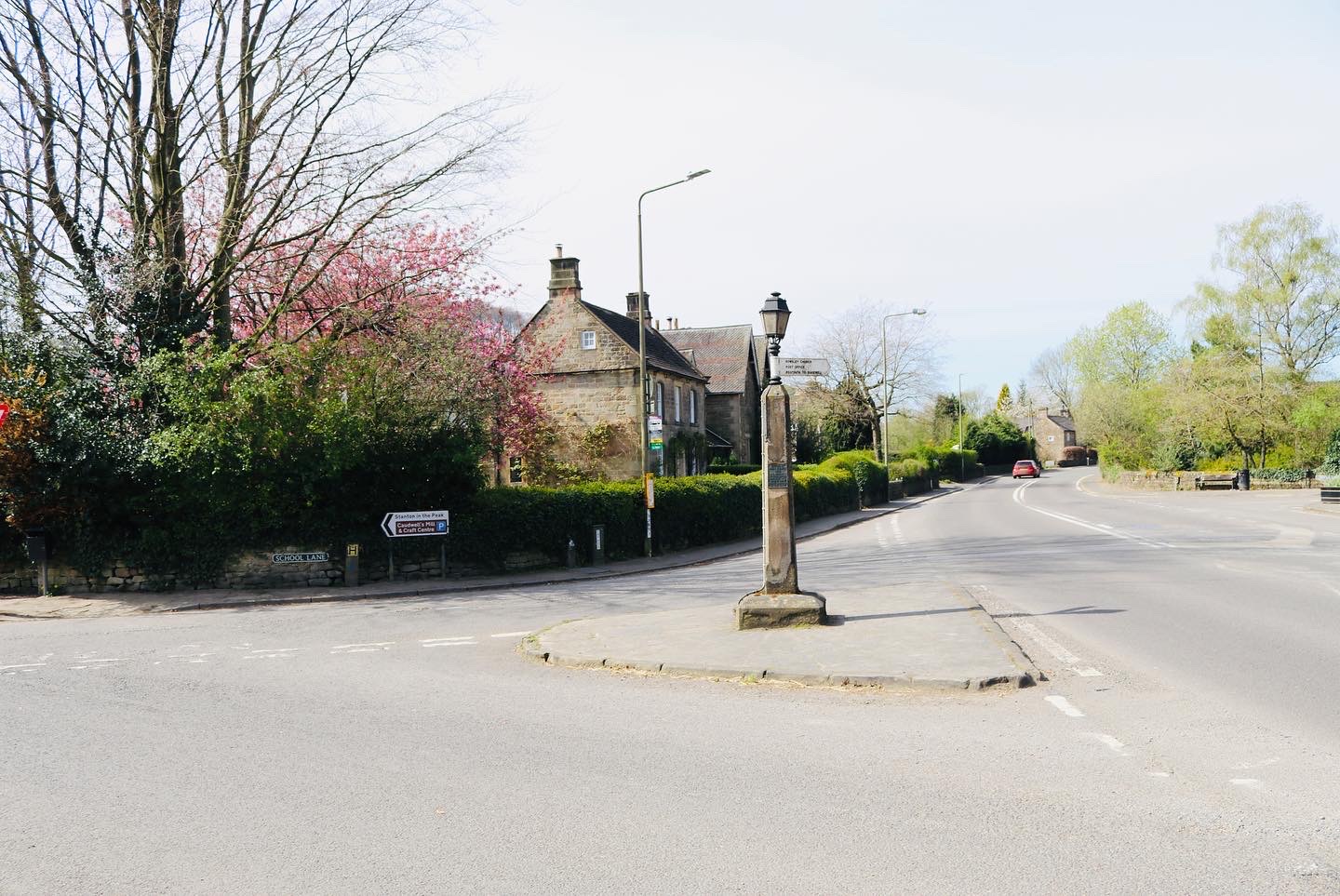
The setting for the DI Isabel Blood series is the fictional town of Bainbridge, which is based loosely on Belper, the Derbyshire town Jane grew up in. The reason she chose to fictionalise the location was to avoid having to adhere rigidly to the confines of a real place, which Jane found limiting. A fictional town allowed her narrative license and gave an opportunity to embellish the setting for dramatic purposes.

Although the main location of my books is fictional, her detectives travel to plenty of real places within Derbyshire and the East Midlands in the course of their investigations. In one book, there’s a scene where they drive through Matlock Bath – somewhere she has visited regularly all her life. Her first instinct was to mention only the obvious details of the place, but she decided to include some of the features of its topography to give a better feel for the location.

“To refresh my memory, I drove to Matlock Bath and walked its main street – but instead of concentrating on the things around me (the shops and cafes with which I was already familiar), I tried to take in the bigger picture. I gazed up at the hillside above the main parade of shops. I studied the flow of the river, and noticed the way the road followed its curve. I looked for the details the average tourist might miss.”

Jane Bettany

Crime writers are constantly on the lookout for new crime scenes, or mulling over innovative ways to investigate murder (and new ways to kill people!). Jane’s tip to writers planning to write a crime novel is to join one of the short criminology or forensic science courses on futurelearn.com.

If you search the site for ‘forensics’ or ‘crime’, you will find lots of courses on offer. Created by UK universities, these short courses can be joined for free with time limited access), or you can subscribe or buy a one-off course if you prefer. It’s a great way of learning online from academic experts. Who knows… one of these course might inspire your next crime novel?

You can find out more about Jane on her website www.janebettany.co.uk and follow her on Twitter: @JaneBettany and Facebook: @JaneBettanyAuthor

To read the complete feature you can purchase a copy of #249 30 Nov 2022 Writers’ Forum by ordering online from Select Magazines.

To read my future Research Secrets or Writing 4 Children interviews you can invest in a subscription from the Writers’ Forum website, or download Writers’ Forum to your iOS or Android device.

An interview with… Christina Courtenay (Pia Fenton)

For the #242 30 Mar 2022 issue of Writers’ Forum, Christina Courtenay (Pia Fenton) explained to me why seeing and experiencing things first-hand is the best kind of research.

Being half Swedish, she has been interested in the Vikings for a long time and wanted to showcase their amazing achievements as craftsmen, traders and explorers, as well as their fearlessness, curiosity and sense of adventure.

She started by researching the background and history, then studied particular aspects more in depth, which included reading loads of books, watching a wide range of TV programmes and visiting museums. She found there are a lot of resources out there on the Vikings and her main problem was in trying to choose the resources that would be most useful.

Christina told me that if she can’t find the relevant non-fiction books in the library, she will buy second-hand copies online from AbeBooks, where she has discovered some real bargains. Whilst reading, she take notes and compiles a summary of the information she needs.

“It is a long process and it’s ongoing as I keep finding and adding more information all the time. I also chatted to re-enactors and contacted an archaeologist who is a specialist in the Vikings. I managed to make contact via social media – Twitter and Facebook are very useful for that.”

Christina Courtenay

To keep track of her research, she creates Word documents with headings like ‘Clothes’, ‘Food’, ‘Weapons’ etc in alphabetical order and whenever she finds new and relevant information she adds it under the specific heading so she can easily find it later.

Christina revealed her most frustrating experience when writing her Icelandic stories was they had to be mostly written without ever going to Iceland, and it wasn’t until right before her deadline that the Covid restrictions were eased and she finally managed a trip over there. Before this she had to rely on contacting all the people she knew who had either been to Iceland or lived there, and sent them a questionnaire.

“I also read an awful lot of travel blogs, and watched YouTube clips as well. For specific places, there is always Google Earth if you need to see the layout of the land. But I won’t lie – it was extremely difficult and I didn’t feel entirely satisfied with the result so it was a huge relief when I was able to go there myself.”

Christina Courtenay

For Christina, seeing and experiencing things first hand is key. In Ribe, Denmark, there is an outdoor museum with a dozen buildings of various types.¹ Sitting in the longhouse and chieftain’s hall helped her to imagine myself back in time and she was able to lie down on a sleeping bench covered in old furs.

Christina sitting in hall at Ribe

Near Skanör in the south of Sweden is a similar museum, the Fotevikens Museum², and in Iceland she found a reconstructed turf house at the Eiriksstadir Museum³, which was invaluable. These museums always have dedicated and knowledgeable staff who are more than happy to answer questions. There are also places like the Jorvik Viking Centre⁴ in York https://www.jorvikvikingcentre.co.uk/ where you can experience life in that city. She said the best thing about visiting living history museums and events like the Jorvik Viking Festival is seeing the re-enactors (and talking to them) and the various craftsmen.

Christina explained replica Viking clothing and jewellery are readily available for the purposes of re-enactment, as are weapons. You can see examples on the Jelldragon Viking Craft Store⁵ online. In fact, her family have become used to buying her Viking artefacts for Christmas and birthdays. Christina told me she has also learnt to weave properly on a loom and suggested a great book with instructions for band-weaving is Weaving Patterned Bands by my teacher Susan J Foulkes

“Wearing them or handling them allows me to imagine what it would feel like to live in that era. And I bought myself a fire iron and tried striking it with the flint to make fire – it worked just fine.”

Christina Courtenay

Christina told me she has also learnt to weave properly on a loom and recommended, Weaving Patterned Bands by Susan J Foulkes as it contains excellent instructions for band-weaving.

The heroine in one of her stories has to sew herself some clothes so Christina decided to try to make a so called smokkr – the apron overdress worn by some Viking women. Re-enactors recommended she purchase the woollen material needed from Bernie the Bolt Cloth Merchant⁶ on Facebook, as he stocks authentic fabric for historical garments. She found a pattern in a leaflet she’d bought some years earlier. She sewed several of the seams by hand to find out how long it would take.

The Viking dress Christina made

She revealed the main surprise was how heavy the resulting dress was – several yards of woollen fabric weighed a lot more than she’d imagined. She also realised the garment had to be fairly loose as there were no buttons/openings, and also for ease of movement.

“Paired with a linen underdress (which I had bought readymade), it felt great, although it’s still missing a decorative border. I did a weekend course to learn how to do band-weaving though, so I will soon be adding that. Apron dresses were held up by straps fastened with tortoise brooches, so of course I asked for a pair for Christmas, as well as a belt with a Viking buckle and some Viking leather half-boots. And I bought beads for a necklace to string between the brooches.”

Christina Courtenay

Her favourite piece of hands-on research so far was helping to row a Viking ship round Roskilde harbour in a reconstructed longship at the Viking Ship Museum⁷ there. She found out it was a very smooth ride. The most unusual research was when she visited an open air museum in Gudvangen, Norway, called Njardarheimr⁸ where I was allowed to try throwing a Viking axe with the aim of hitting a huge block of wood. To my intense surprise, I managed it. (Lucky throw?)

For Viking food Christina recommends cookbooks such as, Eat Like a Viking by Craig Brooks and revealed she has tried some of the recipes.

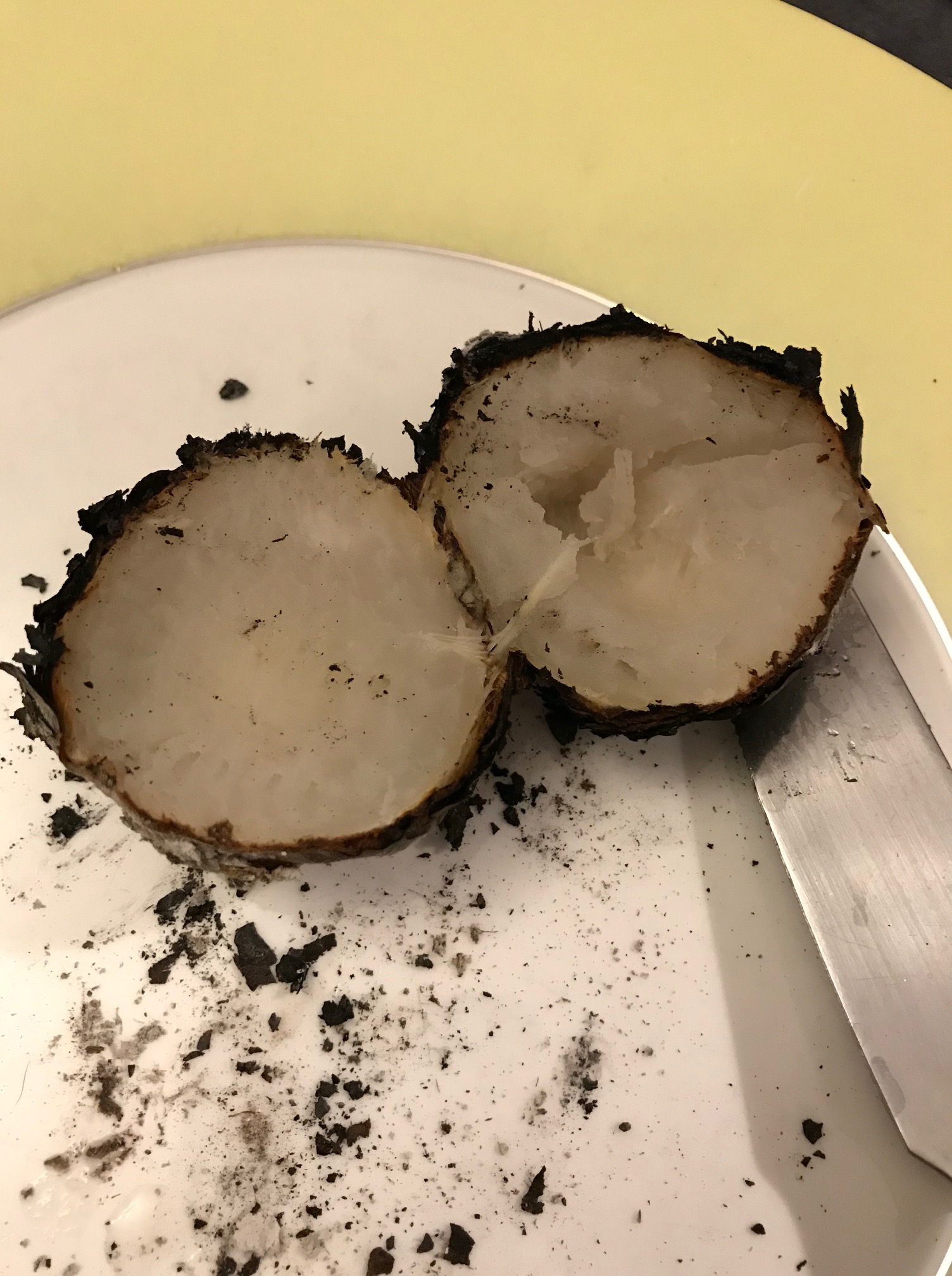
Ember cooked turnip

A lot of their food was fairly bland and monotonous and, for me, not salty enough. (I love salt!) For the purposes of preserving meat, either smoking it or keeping it in whey was more common.

While visiting the island of Birka she went to the Birka Vikingastaden⁹, just west of Stockholm, where she was shown how Vikings made flatbread – delicious. And tried mead which she found lovely and sweet.

Christina’s list of useful websites on Vikings

  1. Ribe Viking Center – www.ribevikingecenter.dk/en
  2. Foteviken Museum – www.fotevikensmuseum.se
  3. Eiriksstadir Museum – www.eiriksstadir.is/en
  4. Jorvik Viking Centre – www.jorvikvikingcentre.co.uk
  5. Jelldragon Viking Craft Store – www.jelldragon.com
  6. Bernie the Bolt Cloth Merchant – www.facebook.com/Bernie-the-Bolt-Cloth-Merchant-738089226363967/
  7. Viking Ship Museum – www.vikingeskibsmuseet.dk
  8. Njardarheimr – www.vikingvalley.no
  9. Birka Vikingastaden – www.birkavikingastaden.se
  10. Christina has an extensive range of research features on her website, which includes information about the Vikings – www.christinacourtenay.com

You can follow Christina Courtenay (aka Pia Fenton) On Twitter @PiaCCourtenay and Instagram @christinacourtenayauthor

To read the complete feature you can purchase a copy of #242 30 Mar 2022 Writers’ Forum by ordering online from Select Magazines.

To read my future Research Secrets or Writing 4 Children interviews you can invest in a subscription from the Writers’ Forum website, or download Writers’ Forum to your iOS or Android device.

An interview with… Paola Totaro

Today on my blog I am talking about an interview I did with Paola Totaro for my Research Secrets slot In this month’s issue of Writers’ Forum #248 26 Oct 2022. She explained how losing her sense of smell during Covid inspired her and her husband to co-write their non-fiction book, On the Scent.

On the afternoon of March 27, 2020, Paolo told me she went to the bathroom and after washing her hands and using her usual scented hand cream, she realised she had completely lost her sense of smell.

“I will never forget the moment because it was so sudden, so inexplicable and so utterly frightening. I’m driven by smell. I walk the park with the dog smelling flowers, the air, rain and being unable to smell anything was an existential shock. I felt as if I’d been put in a bubble and was missing a vital connection with the outside world.”

Paola Totaro

This inspired her to read more anecdotal reports of this mysterious, sudden smell loss to find out what was happening to her and what quickly also struck millions of others around the world. She found herself researching the cultural history of smell and how human perception and response to smells has changed over the centuries, from theories of miasma in which smell was said to be harbinger of disease to the use of changes in smell as diagnostic tools.

She told me she must have read hundreds of research papers that were being pre-published during Covid and also interviewed scientists from all over the world -neuroscientists in the US – to specialist ENT physicians in Germany and Switzerland – to philosophers in the UK and Spain.

“I reached out straight away to Professor Barry Smith, Director of the Institute of Philosophy at the School of Advanced Study, University of London who happened to have said something on Twitter about smell that day and he, bless him, sent me an incredibly kind email acknowledging just how awful the loss can be. Later, he would also help me onto the path to find the top global chemosensory specialists who might explain what was going on.”

Paolo Totaro

Paola revealed she even created a google alert on the word anosmia, which was enormously helpful as science and medicine were advancing at leaps and bounds in this area. She also spent a week immersed with young doctors and scientists who planned to specialise in otorhinolaryngology or olfaction research, at a summer school at the University of Dresden in 2021 run by Professor Thomas Hummel, known in this world of smell as the ‘grandfather of olfaction’.

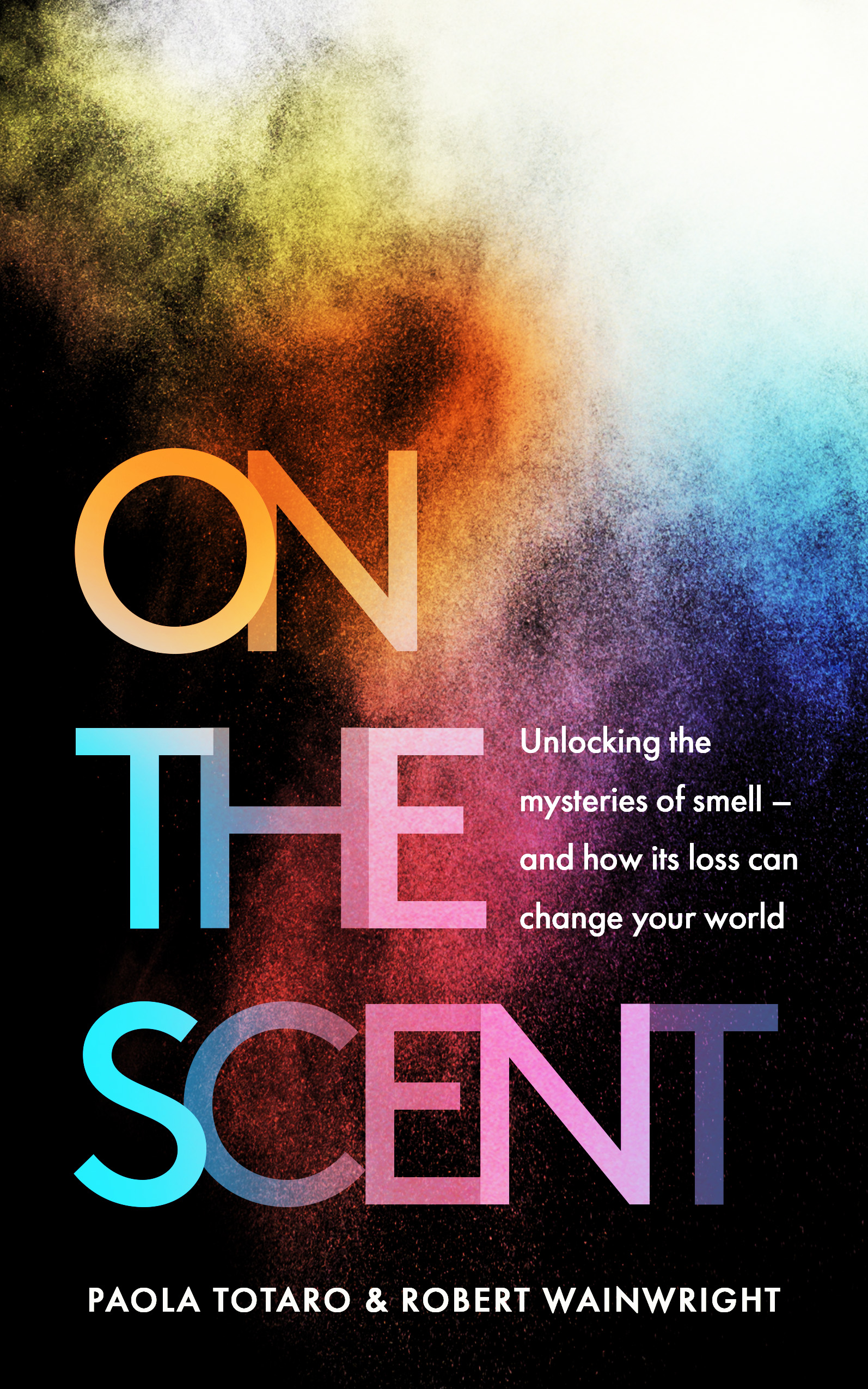
On the Scent by Paolo Totaro and Robert Wainwright

The resulting book, On the Scent – Unlocking the mysteries of smell – and how its loss can change your world, is a mix of Paolo’s personal memoir of her journey into dealing with her loss of smell integrated with all the scientific research she uncovered. Much of the book was written in lockdown so many of her interviews were conducted over Zoom. She also interviewed people who had been born without a sense of smell, others who lost the sense to virus or brain injury. Reading the bibliographies and footnotes of other published writers/authors on the topic of olfaction was also hugely helpful and Paolo reached out to some authors who were also helpful and generous.

Paolo explained her husband, Robert Wainwright who specialises in writing the biographies of interesting and important people lost in history wrote about people throughout history who had no sense of smell, such as the great nature poet, Wordsworth who was anosmic. He also contributed the story of INXS frontman, Michael Hutchence, who plunged into depression when he lost his sense of smell. She elaborated Robert was her slash and burn guy as were the editors at Elliott and Thompson.

“Throughout the writing process, I would read aloud to Robert each evening and if his eyes glazed over in the science bits, I’d wind them back. He did the same for me with his people chapters – but he’s much less long winded than me.”

Paolo Totaro

The book was written in just six months.

To find out more about Paolo and her journalism on her website www.paolatotaro.com. You can find her on Twitter at @p_totaro and on Instagram, @aggiornalista on Twitter.

To read the complete feature you can purchase a copy of #248 26 Oct 2022 Writers’ Forum by ordering online from Select Magazines.

To read my future Writing 4 Children or Research Secrets interviews you can invest in a subscription from the Writers’ Forum website, or download Writers’ Forum to your iOS or Android device.

An Interview with… Paul Anthony Jones

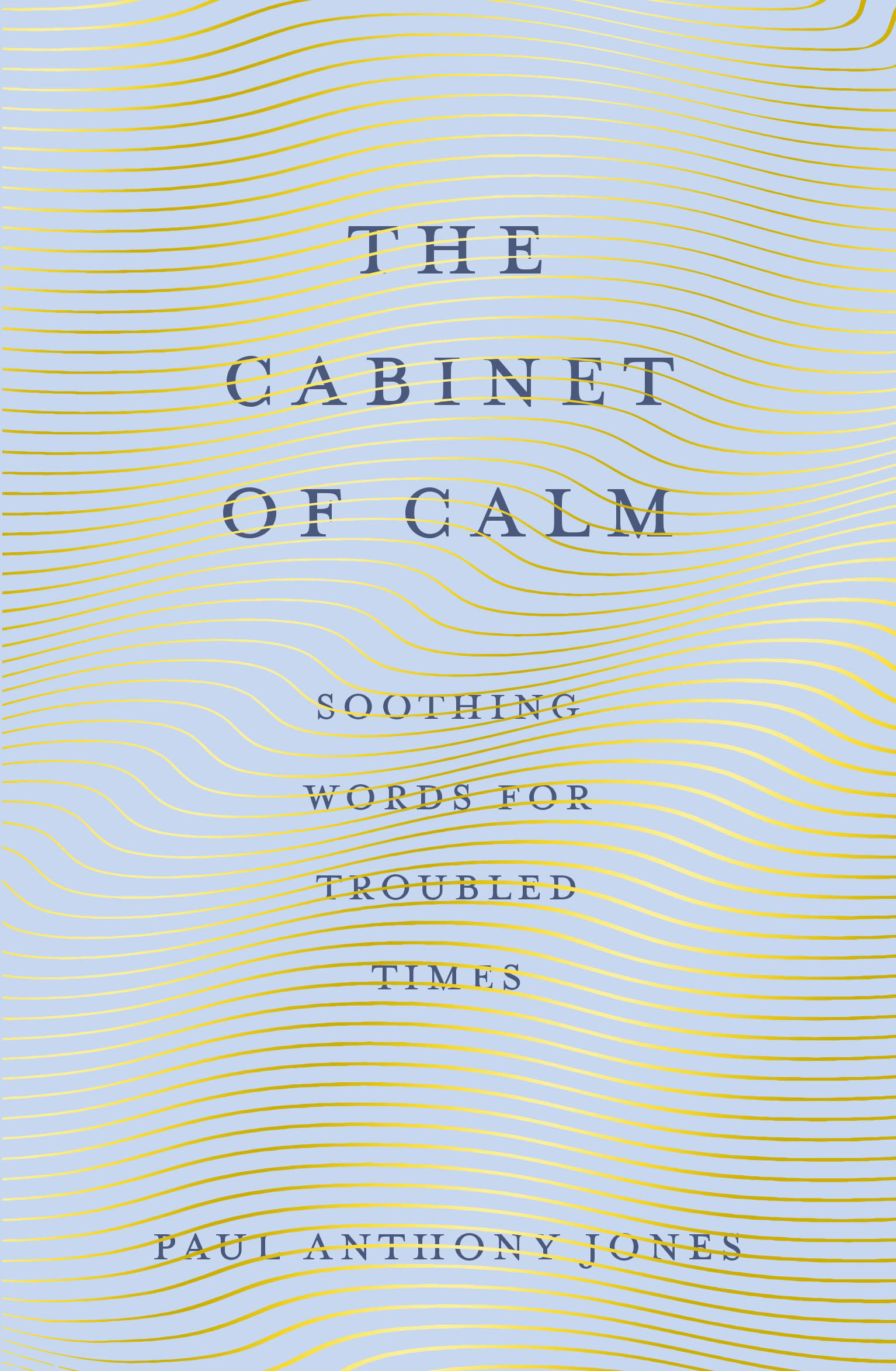
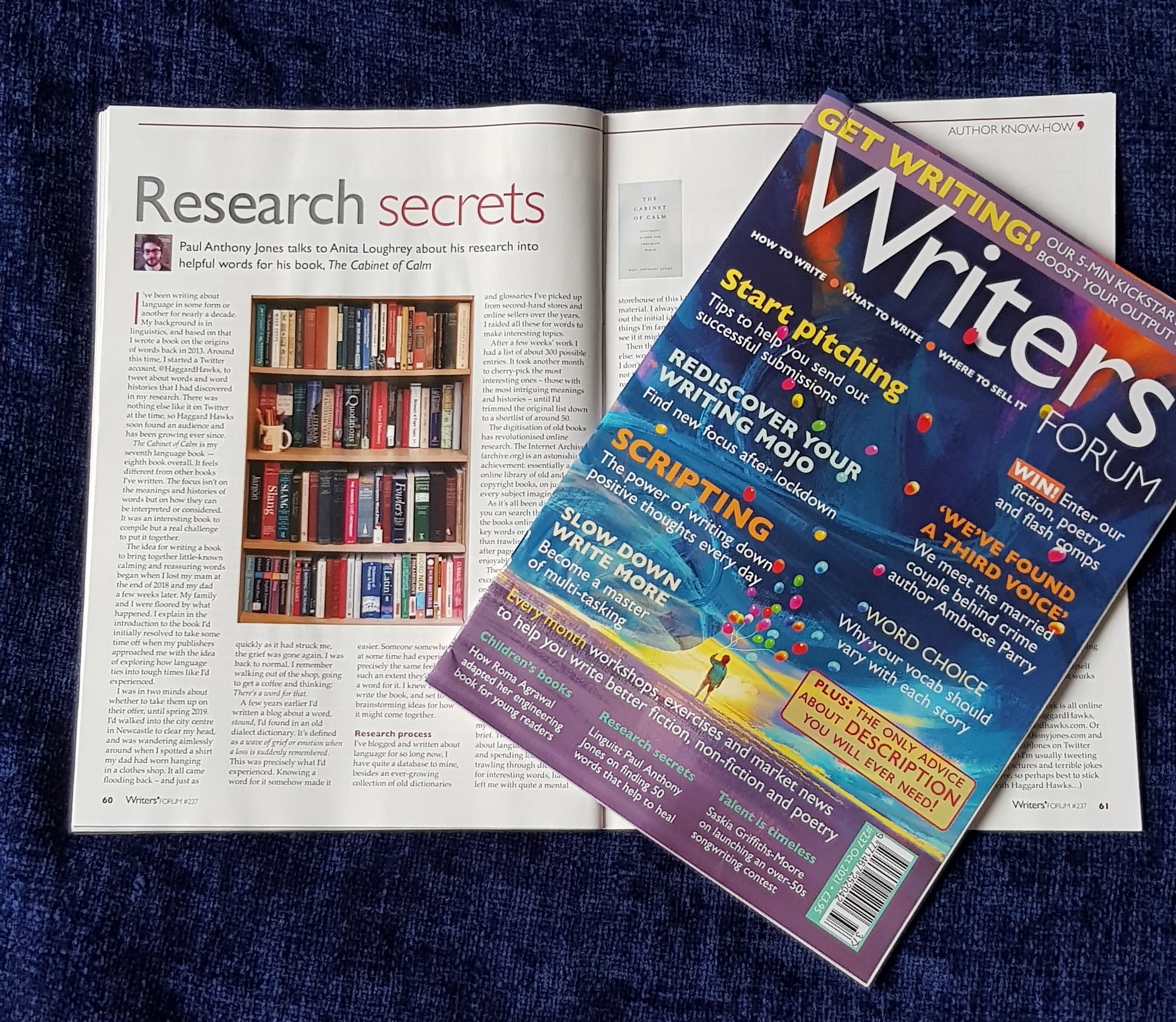
I interviewed Paul Anthony Jones about his research into positive words for his book, The Cabinet of Calm for the #237 Oct 2021 issue of Writers’ Forum.

Paul has been writing about language in some form or another for nearly a decade. His background is in linguistics, and based on that he wrote a book on the origins of words back in 2013. Around this time, he started a Twitter account, @HaggardHawks, to tweet about words and word histories that he had discovered in his research.

The Cabinet of Calm is his seventh language book – eighth book overall. He told me it feels different from other books he has written. The focus isn’t on the meanings and histories of words, but on how they can be interpreted or considered. Paul confessed it was an interesting book to compile but a real challenge to put it together.

“The idea for writing a book to bring together little-known calming and reassuring words began when I sadly, lost my mam at the end of 2018 and my dad a few weeks later at the start of 2019. I and my family were floored by what happened. I explain in the introduction to the book I’d initially resolved to take some time off when my publishers approached me with the idea of The Cabinet of Calm, exploring how language ties into tough times like I’d experienced.”

Paul Anthony Jones

Paul revealed he was in two minds about whether to take them up on their offer, until spring 2019 when he walked into the city centre in Newcastle to clear his head, and was wandering aimlessly around the shops when he spotted a shirt his dad had worn hanging in a clothes shop.

“It all came flooding back—and just as quickly as it had struck me the grief was gone again – I was back to normal. I remember walking out of the shop, going to get a coffee and thinking there’s a word for that.”

Paul Anthony Jones

A few years earlier he had written a blog about a word, stound, he had found in an old dialect dictionary. It’s defined as a wave of grief or emotion when a loss is suddenly remembered. He explained this was precisely what he’d experienced and knowing a word for it somehow made it easier because it meant that someone somewhere at some time had experienced precisely the same feeling, to such an extent they’d coined a word for it. It was at this moment he knew he had to write the book, and set to work brainstorming ideas for how it might come together.

Paul has blogged and written about language for so long now, he has accumulated quite a database to mine—besides an ever-growing collection of old dictionaries and glossaries he has picked up from second-hand stores and online sellers over the years.

One of Paul Anthony Jones’ bookshelves

He explained he raided all these for words to make interesting topics. After a few weeks’ work he had a list of about 300 possible entries. It took another month to cherry-pick the most interesting ones – those with the most intriguing meanings and histories – until he had trimmed the original list down to a shortlist of around fifty.

He divulged whenever he starts work on a new book, there’s three ways it comes together. First, something he already knows gives him the gem of the idea – in this instance the word stound. Secondly, there’s all the other words and etymologies he is already familiar with through his work to fit the same brief. Then there’s everything else: words and etymologies he does not already know, found from researching the new idea. Paul told me this is the best part and makes up the vast majority of material in the final draft. The initial idea forms the foundations, his research builds the rest of the book.

“In The Cabinet of Calm, the first chapter I wrote was actually for a word I found while searching specifically for topics to do with feeling overworked or overwhelmed: cultellation. I’d never spotted this word before; derived from an old surveyor’s tool, it describes the process of cutting a larger task into smaller more manageable jobs. It was the right mix of a brilliant-sounding obscure word, a perfectly appropriate meaning for what I was compiling, and a fascinating and very unexpected etymology.”

Paul Anthony Jones

Paul’s tip to anyone interested in writing about language or words is to track down reliable sources. It makes for much more rewarding research and raises the reliability not only of your work but of this genre of book as a whole. This makes the finished work more robust. You’ll know yourself what constitutes a reliable research source – even then, try to back everything up.

Paul explained The Cabinet of Calm went through quite a difficult draft period, with both himself and his publisher approaching the idea from two different angles. Initially, he wanted to bring together lots of much shorter dictionary-like entries, and divide the book in two halves—the first listing words for worldly problems, and the second for calming, reassuring words to act as their solution. His publisher had a different idea, and pushed him towards writing fewer chapters of more detail and content. It took quite a few attempts to get it right and Paul is happy how the final format works well.

The Cabinet of Calm: Soothing Words for Troubled Times
by Paul Anthony Jones

He advocates, no matter how you find yourself researching, that’s the best way for you. Many writers – especially when they’re first starting out, are overly self-critical, and feel they are not taking their writing or research seriously if they don’t fit the romanticized idea all writers are forever carrying a notepad, jotting down ideas in coffee shops, and pouring over piles of books in libraries. If this is how you work, great! But if it isn’t, it’s fine too.

“Work out what works best for you, and stick with it. By all means take ideas or inspiration from other people, but don’t compare yourself unnecessarily to them. We all have our own ways of doing things, and your writing will be happier and more fruitful if you allow yourself time to figure out what works best for you.”

Paul Anthony Jones

To find out more about Paul Anthony Jones you can follow his personal account on Twitter @PaulAnthJones and his professional account @HaggardHawks. You can also check out his websites: www.haggardhawks.com and www.paulanthonyjones.com.

To read the complete feature you can purchase a copy of #237 Oct 2021 Writers’ Forum by ordering online from Select Magazines.

To read my future Research Secrets or Writing 4 Children interviews you can invest in a subscription from the Writers’ Forum website, or download Writers’ Forum to your iOS or Android device.
An interview with… Roo Parkin

For the #247 21 Sep 2022 issue of Writer’ Forum I spoke to Roo Parkin about how research is core to success as a picture book writer.

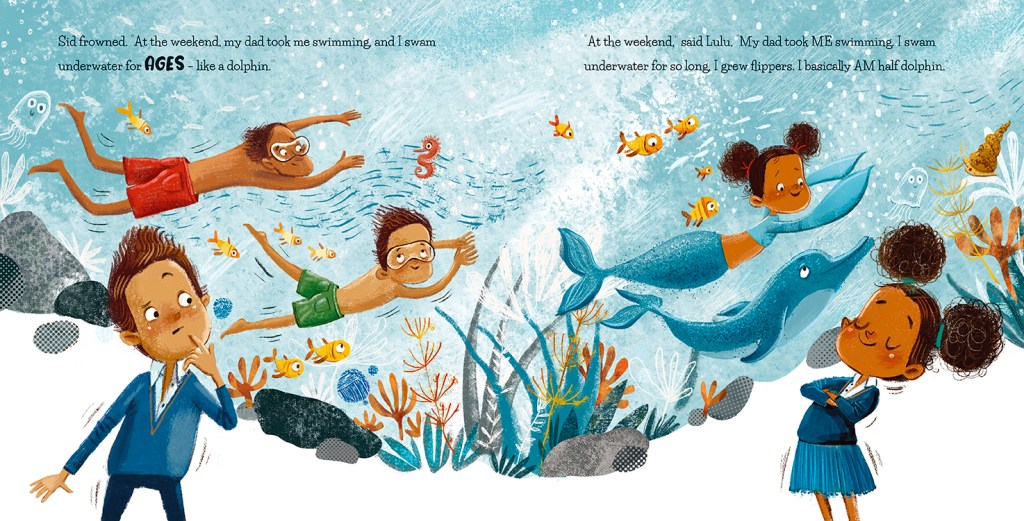
Roo’s debut picture book Sid’s Big Fib focuses on two children desperately trying to out-brag one another. While Sid’s pretty good at showing off, Lulu’s skills are simply stellar, driving Sid to launch a lie of epic proportions.

She explained a combination of things inspired the story’s themes: children’s propensity to wind up friends or siblings by claiming their ice cream is definitely the biggest, whippiest, chocolatiest etc and, secondly, the amount of ‘braggy’ truth distortions out there on social media platforms.

Roo said she realised a story exploring where showing off and fibbing could lead would resonate as much with parents reading the book to their children as it might with the children themselves. Her challenge was to make the brags, fibs and comeuppances themselves completely child centric.  

When she started drafting Sid, she read some psychology articles on children bragging to help her understand what was motivating her characters. Through this research she discovered, Dr Susan Engel observed while younger children are happy to just imagine they are the fastest kid in the world, an older child realises it’s not good enough just to think that – they have to prove it. This really helped Roo escalate her story and push it into another phase. She elaborated that Sid and Lulu start off just boasting, but Sid takes things one step further, concocts an enormous lie and then gets himself into a big knot trying to prove the lie is real. from that point onwards her story’s plot and the extent of Sid’s fibs escalate.

Roo beleives doing proper research for picture books is as important as it is for any genre. Not only should length, word choices and structure fulfil expectations, but the content should be ‘correct’. That doesn’t mean you can’t create completely fantastical worlds and characters. They are great hooks but it is important not to mislead children and for the story to still makes sense.

She told me the importance of researching the content was drummed home quite dramatically.

“Sid concocts an outlandish story about his dad’s fictional space rocket and the things he brings home from those adventures. Dad is supposed to be going deeper into space with each trip as the lie evolves, but in actual fact, I had completely rearranged the galaxy with planets and moons quite randomly distributed in a nonsensical order. After researching the correct order, I quickly sorted this out.”

Roo Parkin

Another example or necessary research Roo told she required was for the part when Sid’s nemesis, Lulu, claims she can swim underwater for so long she grows flippers. she explained her art note requested she be depicted as half dolphin/half childbut when doing the art note research for her fantastic illustrator Irina Avgustinovich, she had a crisis about whether dolphins had flippers at all, or if they were actually called something else.

“I knew there was a TV series called Flipper but, really, I had no idea whether that was because the starring dolphin had them or because he could ‘flip’ in the air. A call to my young godson, whose animal knowledge is off the scale, sorted me out: ‘Yes, of course dolphins have flippers… and a fin, a fluke and a melon’. A fluke is apparently the tail, and the head bulge is the melon.”

Roo Parkin

Roo also explained it’s important to get character voice right because you need to hook the reader in straight away. Children simply won’t stick with a book, even one that’s being read to them, if they don’t identify with or recognise the characters in any way.

“Libraries are an absolutely brilliant resource for writers. I spend hours in my local library analysing picture book themes, characters and their voice, story arcs and endings. I was pleased to find that while there obviously were books in existence touching on similar topics as ‘Sid’, it wasn’t an overly cluttered market.”

Roo Parkin

One of her research tips to other writers is to havea good trawl through the internet to help widen your research of the genre you are writing. Ideally, you don’t want to be submitting something with the same title as another book or to a publisher who has just released something on an identical subject.

She also suggests children’s book writers should visit the fantastic children’s book exhibits available. There have recently been big, glitzy exhibitions in London on Alice in Wonderland, Paddington Bear and Beatrix Potter and her favourites are the small Dahl Museum and Story Centre in Great Missenden.

You can follow Roo Parkin on Twitter: @RooParkin and Instagram: @roogirl73.

You can buy a copy of, Sid’s Big Fib by Roo Parkin and Irina Avgustinovich, direct from the publisher Maverick Publishing, from your local bookshop, or you can also purchase a copy online at uk.bookshop.org, an organisation with a mission to financially support local, independent bookshops. 

I would like to thank Abi Reeves at Maverick for sending me a copy of Sid’s Big Fib by Roo Parkin and Irina Avgustinovich to review on my blog.

To read the complete feature you can purchase a copy of #247 21 Sep 2022 Writers’ Forum by ordering online from Select Magazines.

To read my future Research Secrets or Writing 4 Children interviews you can invest in a subscription from the Writers’ Forum website, or download Writers’ Forum to your iOS or Android device.

An interview with… Katherine MacInnes

For the #246 17 Aug edition of Writers’ Forum, Katherine MacInnes, explained the challenges of writing a biography for a fatal historical event from the viewpoint of the people who were left behind.

Katherine with the figurehead from the Terra Nova ship that took the Scott expedition to Antarctica. The credit is Kate Stuart, figurehead of Terra Nova by permission of National Museum Wales.

Snow Widows: Scott’s Fatal Antarctic Expedition by the Women Left Behind was Katherine’s way of showing the familiar story of these heroic husbands, fathers, sons and brothers who lost their lives on this epic expedition from the point of view of the women whose lives would be changed by it forever. Her aim was not to analyse, but to try to place the stories in their historical context and let the women speak for themselves.

Snow Widows: Scott’s Fatal Antarctic Expedition by the Women Left Behind by Katherine MacInnes

Katherine told me how these women were truly inspiring.

“If I had chosen my subject on the basis of available material I would not have written Snow Widows. When I first started researching the Snow Widows over a decade ago, they were invisible. I was looking for inspiration at the time because my husband was about to climb Everest (our children were nearly five, nearly three and nearly one). He climbed it and came home, but by then I had discovered the treasures that are Oriana, Kathleen, Caroline, Emily and Lois. They have continued to be inspiring companions for me over the years as I hope they can now be for those who read my book.”

Katherine MacInnes

Katherine elaborated how Oriana Wilson, a true partner to the expedition’s doctor, was a scientific mind in her own right. She was a naturalist and partnered her husband on scientific expeditions to New Zealand.  She was a recognised collector for the Natural History Museum and I discovered two species had been named for her. 

Kathleen Scott, the fierce young wife of the expedition leader was also a renowned artist and sculptor She made portraits of most of the great and the good such as, George Bernard Shaw,  Asquith and was a confidant during his time as PM. 

The indomitable Caroline Oates was the very picture of decorum and everything an Edwardian woman aspired to be. She was very wealthy and sent funds to Cpt Oates.  She’d been widowed before this expedition, and ran a large country estate.  Increasingly private and cautioned the family not to talk to outsiders about Cpt Oates.  

‘Empire’ Emily Bowers had travelled the globe as a missionary teacher. had travelled the globe as a missionary teacher. She was ‘Birdie’ Bowers’ mother.  Her father had been a tailor, but she never admitted her lowly origins. Her daughter married co-op movement’s Sir William Maxwell, and became Lady Maxwell.  She lived on the Isle of Bute, Scotland – so quite remote. 

Lois Evans led a harder life than the other women, constantly on the edge of poverty.  She was a talented and popular singer in South Wales. She wasn’t treated equally with the other wives – getting a much lesser amount of the funds raised for the families, (Evans was a rating, the others were officers). Evans was unfairly blamed for the mission’s downfall – he was assumed to have caused a fatal delay. Scott’s posthumously discovered diary says “loss of reason” but now thought to have had a head injury. 

Her starting point was having the famous story as the obvious performance on the stage and the background people as the story in the wings and then she inverted it. Out of choice, she took a seat that gave her a clear view in to the wings of any theatre, the dancers warming up, the actors mastering their nerves. She wanted to see the back of the embroidery, an x-ray of that famous picture, the ‘making of’ at the end of a film.

Katherine told me one of the biggest challenges was researching the expedition from the women’s perspective as most of these women were intentionally invisible, almost self-erasing. Another challenge was giving these women equal balance within the book. Most of them burned their letters before their death (some of them burned their husband’s letters too). The only letters we have from Oriana Wilson are those that she sent out to friends where the friends kept them.

“I wrote articles in magazines and newspapers in the UK and NZ to ask if anyone had some in their attic. Several people did, including one sketch, the only one of hers that survives. It is, appropriately since her husband was Head of the Scientific Staff on the expedition, of two Emperor Pengiuns. Its rather moving. She drew it in April 1912 before she knew her husband was dead. In her sketch one of the penguins is walking away into the distance.”

Katherine MacInnes

She told me original documents have a special power – a link to the past. So she mined numerous sources including Kathleen Scott’s diary, housed at Cambridge University Library, various archives, family papers and books published by surviving expeditioners. She discovered much has been lost, including 50 letters from Taff to Lois, and Wilson’s correspondence, destroyed by Ory, fortunately after an early biographer had read it.

She also bought a book Edward Wilson, Nature Lover on Amazon. Until then everyone had thought that Kathleen and Oriana were not ‘focsle’ friends. But she found an inscription in that book in a hand she recognised as Kathleen’s. So they can’t have fallen out that badly after all. Handwriting gives us not only an indication of character but of emotion. When Kathleen Scott learns of her husband’s death nearly a year earlier, her normally wide rounded script (three words to a line) becomes small and pinched as she tries to master her emotions. It is a direct cipher to a state of mind in a way that carefully stoical, self-curated words may not be.

Her tip to other writers thinking of writing a biography is to buy file dividers and use them, religiously. And be really suspicious of existing photograph captions, especially if your protagonists were as overlooked as hers were. Katherine found so much mis-captioning even with mainstream photo libraries, archives and authorised biographies of the more famous protagonists.

To read the complete feature you can purchase a copy of #246 17 Aug 2022 Writers’ Forum by ordering online from Select Magazines.

To read my future Research Secrets or Writing 4 Children interviews you can invest in a subscription from the Writers’ Forum website, or download Writers’ Forum to your iOS or Android device.

An Interview with… Rebecca Smith

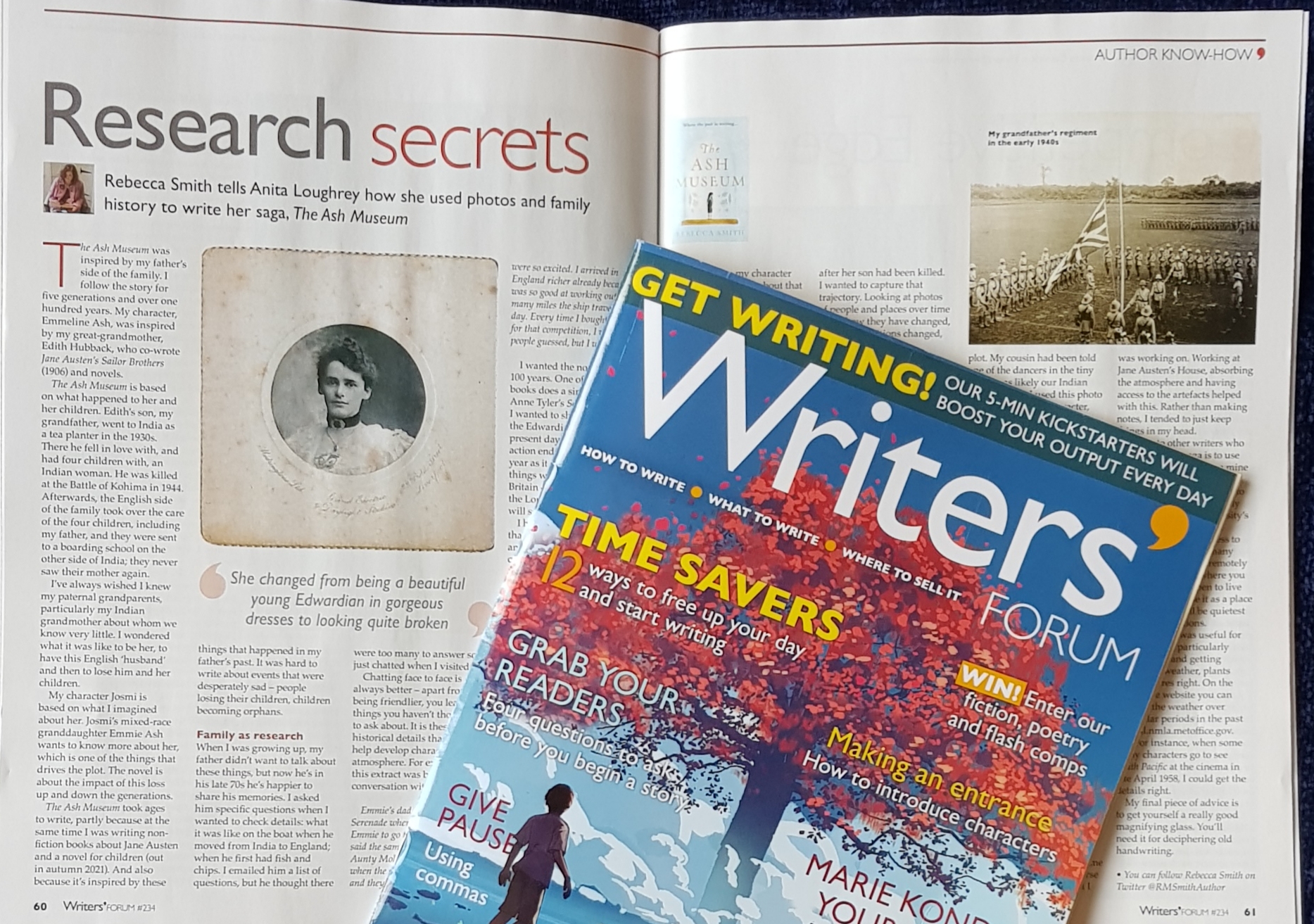
In another author interview flashback, I recount when Rebecca Smith told me she used photos and family history to write her saga, The Ash Museum, published by Legend Press. The interview appeared in my ‘Research Secrets slot of Writers’ Forum issue #234 Jul 2021.

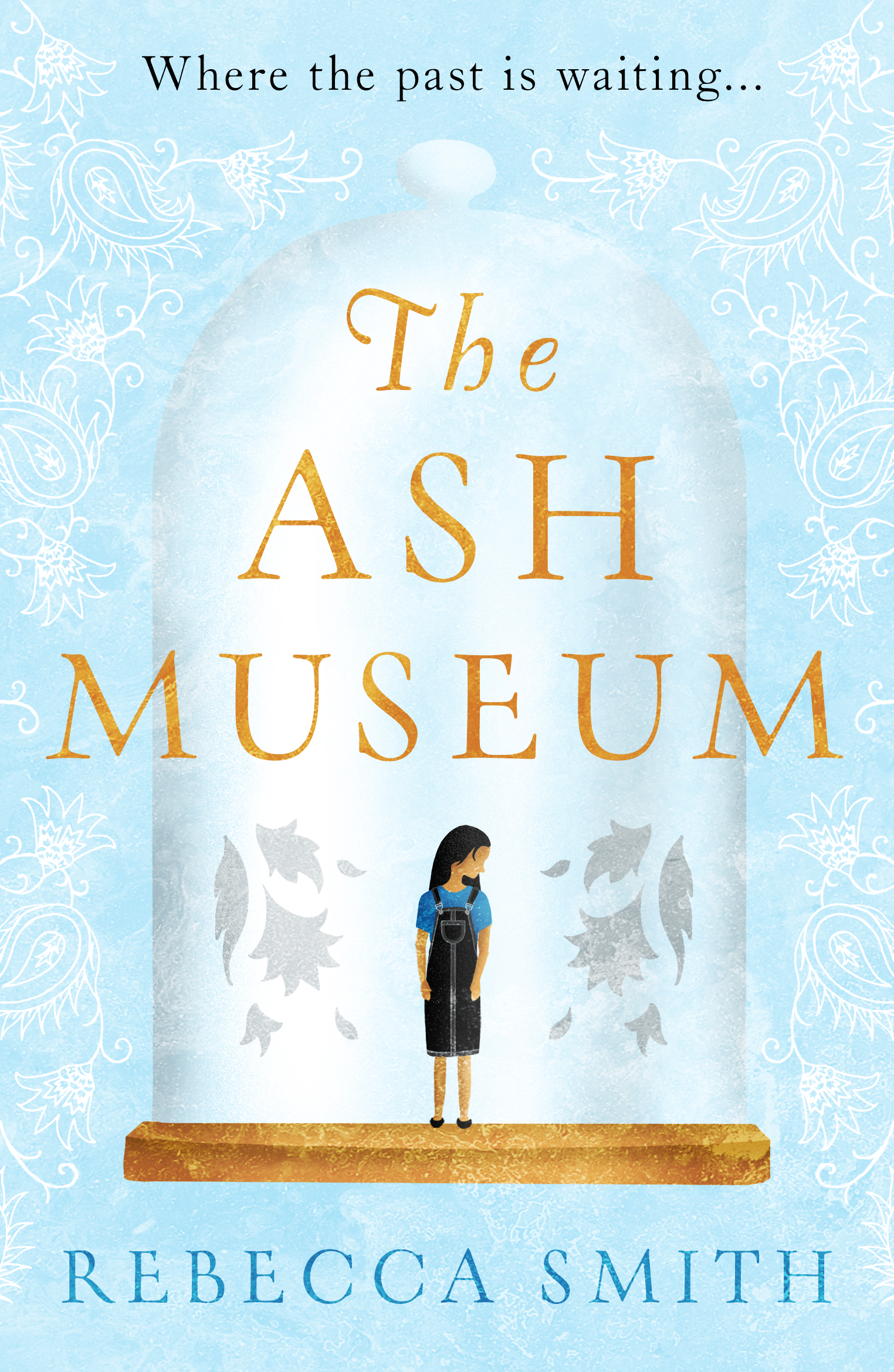
The Ash Museum, is an intergenerational story of loss, migration and Rebecca’s search for somewhere to feel at home, inspired by people on her father’s side of the family and what happened to them. She follows their story for five generations and over one hundred years. The character, Emmeline Ash, was inspired by Rebecca’s great grandmother, Edith Hubback, who co-wrote Jane Austen’s Sailor Brothers in 1906.

The Ash Museum is based on what happened to Edith Hubback and her children. Edith’s son, Rebecca’s grandfather, went to India as a tea planter in the 1930s. There he fell in love with and had four children with her grandmother who was Indian. Her grandfather was killed at The Battle of Kohima in 1944. After this happened, the English side of the family took over the care of the four children (including Rebecca’s father) and they were sent to a boarding school on the other side of India; they never saw their mother again.

“I have always wished I knew my paternal grandparents and great grandparents and particularly wanted to know more about my Indian grandmother, about whom we know very little. I wondered what it was like to be her, to have this English “husband” and then to lose him and her children.”

Rebecca Smith

Rebecca’s character, Josmi, is based on what she imagined her grandmother to be like and is at the heart of her novel. In The Ash Museum, Emmie Ash (Josmi’s mixed-race granddaughter) wants to know more about Josmi, and this is one of the things that drives the plot. The novel is about the impact of this loss up and down the generations.

The Ash Museum by Rebecca Smith

As part of her research Rebecca has collected hundreds of books that belonged to previous generations and she explained these were useful in creating characters and historical changes over the generations.

“We can tell so much by what people like to read. I have maps, books about rock climbing with my grandfather’s annotations, an atlas from the 1920s, and poetry, history, philosophy and most importantly, novels. There is a wealth of information to tap into.”

Rebecca Smith

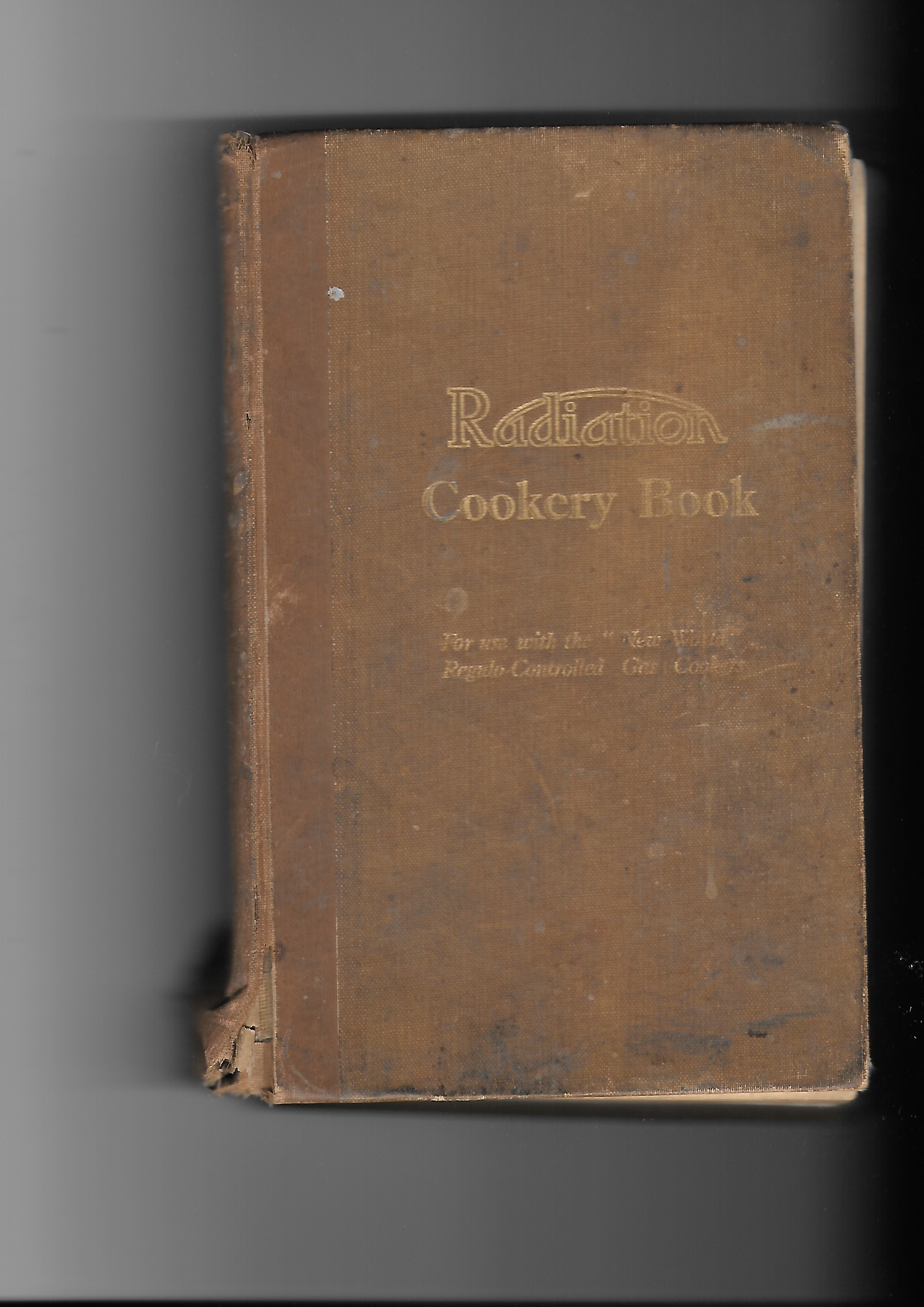
When it came to adding historical details to family meals, she used the only cookery book one of her great aunts had –Radiation Cookery Book: A Selection of Proved Recipes for Use with ‘New World’ ‘Regulo’- Controlled Gas Cookers (19th Edition, 1936). REbecca reckoned it must have come free with her stove. She recognised some of the things she used to cook when she visited and Rebecca tried cooking those and other things herself to get an understanding of the process and how they felt.

The cookery book that belonged to Rebecca’s great aunt

Inspired by her family’s history, she was planning to write lots about The Battle of Kohima where her character, James dies, so she read lots about it and watched documentaries, but in the end Rebecca decided to do things more from his ‘wife’ Josmi’s point of view and ended up with just one very short battle scene. She told me that a lot of her notes and links to articles and images were stored on her phone.

Rebecca explained when she started writing a cousin gave her boxes of family papers. The photos, particularly of when her great grandparents were in Canada, and when her grandfather was in India, were extremely useful. She also found her great grandmother’s diaries kept when her children were small invaluable because her grandmother, Edith Hubback, had recorded things that so many mothers do – funny things her children said and the dates of their first steps and other milestones.

“It was so moving reading these observations 100 years on and knowing what had happened to her children when they grew up.”

Rebecca Smith

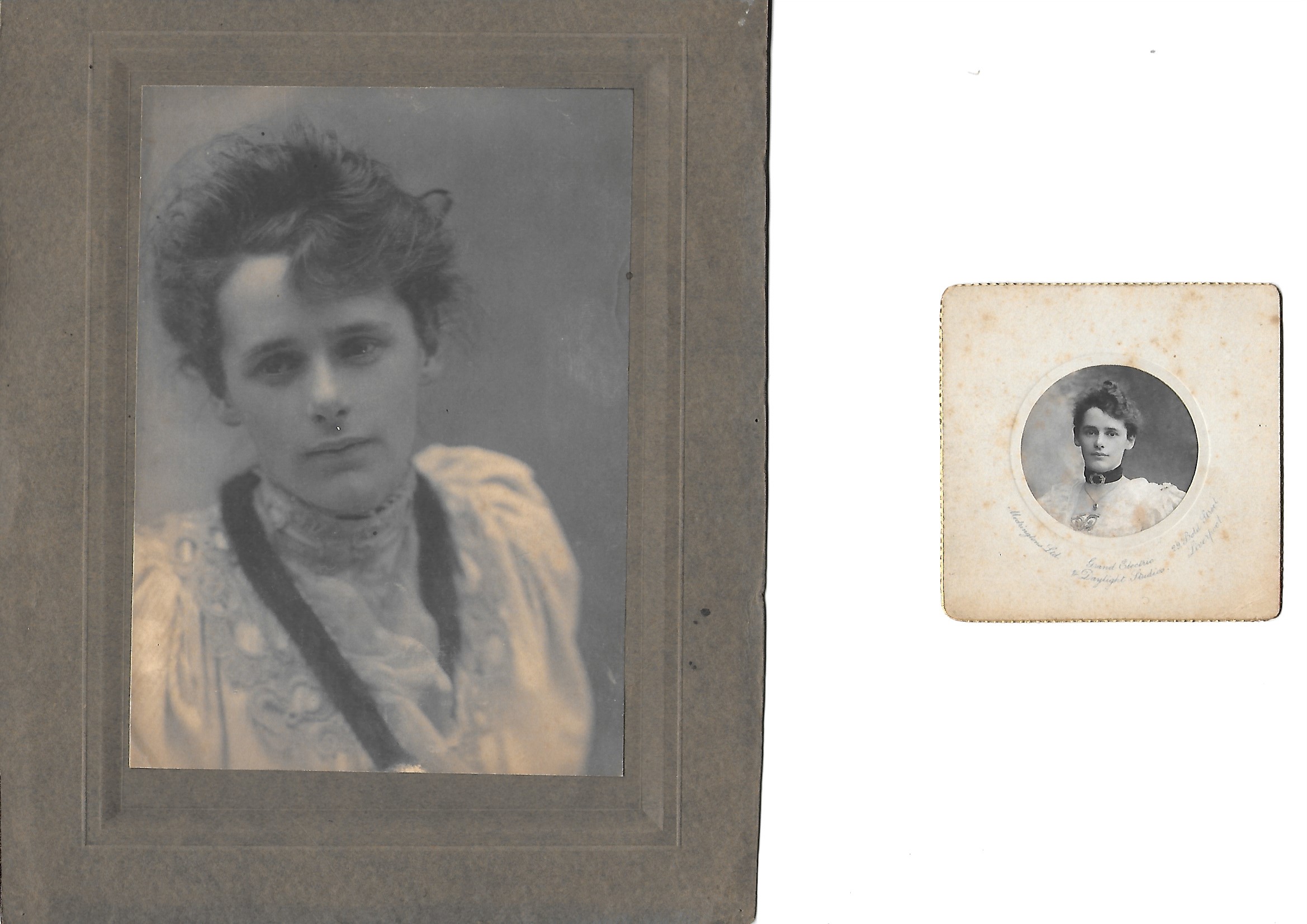
She elaborated that the photos showed how Edith had changed from being a beautiful young Edwardian in gorgeous dresses to looking quite broken in the 1940s after her son, my grandfather, had been killed. Rebecca wanted to capture that trajectory. Looking at photos of people and places over time to see how they have changed and traditions changed helped her to do this.

Edith Brown nee Hubback c.1907

Another great research resource was when she was the writer in residence at Jane Austen’s House. She saw the way the curator (then Louise West) used objects to tell the story of Jane Austen and how much can be conveyed and evoked in an economical way and the importance of the visual in storytelling.

Rebecca told me as people walk around the museum, they learn Jane Austen’s story by looking at small things – a needle case made for a niece, Cassandra’s teapot, the quilt made by the Austen women, and of course the books and letters. this observation made her realise by using objects she could have strong threads in the novel without having to ‘tell everything’ that happened.

“I ended up using objects to structure the novel too – it is in the form of a visit to a museum. I plan around scenes and key images – that helps make the writing more manageable and the finished work (I hope) pacier and more memorable.”

Rebecca Smith

Her tip to other writers who want to write a saga is to use your libraries. Librarians are a wealth of information and always pleased to help. she urges authors to make the most of their library card as it gives you access to wonderful resources, many of which you can use remotely so it does not matter where you live.

You can follow Rebecca Smith on Twitter @RMSmithAuthor and Instagram @rebeccamarysmith7

To read the complete feature you can purchase a copy of #234 Jul 2021 Writers’ Forum by ordering online from Select Magazines.

To read my future Writing 4 Children or Research Secrets interviews you can invest in a subscription from the Writers’ Forum website, or download Writers’ Forum to your iOS or Android device.
An Interview with… Tania Unsworth

This week’s author interview is a flashback to when I interviewed Tania Unsworth For my Research Secrets slot in Writers’ Forum, issue #233 Jun 2021. Tania talked to me about how in-depth research permeates every aspect of her novel, The Time Traveller and the Tiger, published by Zephyr.

Tania told me that even before she began writing the book, she knew she needed to tell part of the story from the point of view of the tiger. But she didn’t want him to be a creature of whimsy or magic. She wanted him to be real. Or as close to real as she could manage, given the impossibility of knowing exactly what it’s like to be another animal. It was important for her to learn as much as she could about the physical characteristics and behaviour of wild tigers.

To do this she started by revisiting two classic books: My India the memoirs of legendary tiger hunter-turned conservationist Jim Corbett, and Peter Matthiessen’s powerful Tigers in the Snow. Then a quick google search turned up The Tiger by John Vaillant. Tania told me the latter extraordinary, beautifully written book was full of information and imagination-triggering insights. It also had a lengthy bibliography enabling Tania to source less well-known – but vital – texts, such as Richard Perry’s The World of the Tiger and Spell of the Tiger by Sy Montgomery.

The Time Traveller and the Tiger by Tania Unsworth

Tania explained she did far more research for The Time Traveller and the Tiger than ended up in the novel, filling her notebook with pages and pages of unused facts, along with drawings of various jungle creatures, because she approached the research in a broad, almost scattershot way, happy to go down any number of online rabbit holes, or wade through scientific accounts detailing how tigers are able to see in the dark or the life cycle of bamboo trees.

“I wasn’t always sure what I was looking for, but I knew it when I saw it; the spark of something I could use, the sudden reshaping of an idea. Casting a wide net in this way made the research process far more dynamic. It didn’t just provide authenticity for my story, it also helped me discover how to tell that story.”

Tania Unsworth

Along with books, Tania scoured YouTube for clips of tigers roaring, growling and ‘chuffing’, and watched documentaries such as David Attenborough’s Dynasties to get a sense of the physical presence of tigers – the way they move and sound and react to their environment.

Her book is set in the jungles of central India, and initially she thought it would be enough to go through Google Images for pictures of ‘Kipling country’, and do a thorough online search on the flora and fauna of the region to find out what a banyan or a peepal or a sal tree actually looked like. But she soon realized that this wasn’t going to be enough. Tania revealed spending a week in Kanha and Bandhavgarh – two tiger reserves in Madhya Pradesh changed everything.

“Setting is important to me as a writer, particularly in this book, where the beauty and fragility of the natural world is a big part of the story itself. You can’t tell what the jungle smells like (wild basil and warm grass) just from looking at pictures. And no audio recording of birds and animals can compare to standing in the forest and hearing them for yourself. The notes I made during my week in India transformed the second draft of my book and helped to bring my story to life with a hundred details. The way that termite mounds glitter with tiny fragments of mica. The sound of dew dropping from leaf to leaf in the early morning. The shafts of sunlight pouring through the trees like columns in a temple…”

Tania Unsworth

Her trip wasn’t just useful in terms of providing authentic details. It also gave herideas for plot and character development. For example, the villain iis a man called Sowerby who operates out of a remote hunting lodge. She had a lot of fun describing his study – a ghastly collection of knick-knacks and furniture, all made from animal parts. The inspiration for this came from a visit to the Museum of Science in Boston where I’d marvelled at the reconstruction of a gun room belonging to a certain Colonel Colby, crowded with animal skins and trophies.

When Tania googled ‘objects made from animal parts’ she came across hundreds of old photographs of items – from chairs to waste-paper baskets – that had been constructed out of various wild creatures. Discovering this long-ago trend for grisly home décor gave credence to my description of Sowerby’s room.

To find out more about Tania and her novels visit her website: www.taniaunsworth.com and follow her on Twitter: @TaniaUnsworth1.

You can read my review of The Time Traveller and the Tiger on my blog here: Book Review: The Time Traveller and the Tiger.

To read the complete feature you can purchase a copy of #233 Jun 2021 Writers’ Forum by ordering online from Select Magazines.

To read my future Writing 4 Children or Research Secrets interviews you can invest in a subscription from the Writers’ Forum website, or download Writers’ Forum to your iOS or Android device.
An Interview with… Lev Parikian

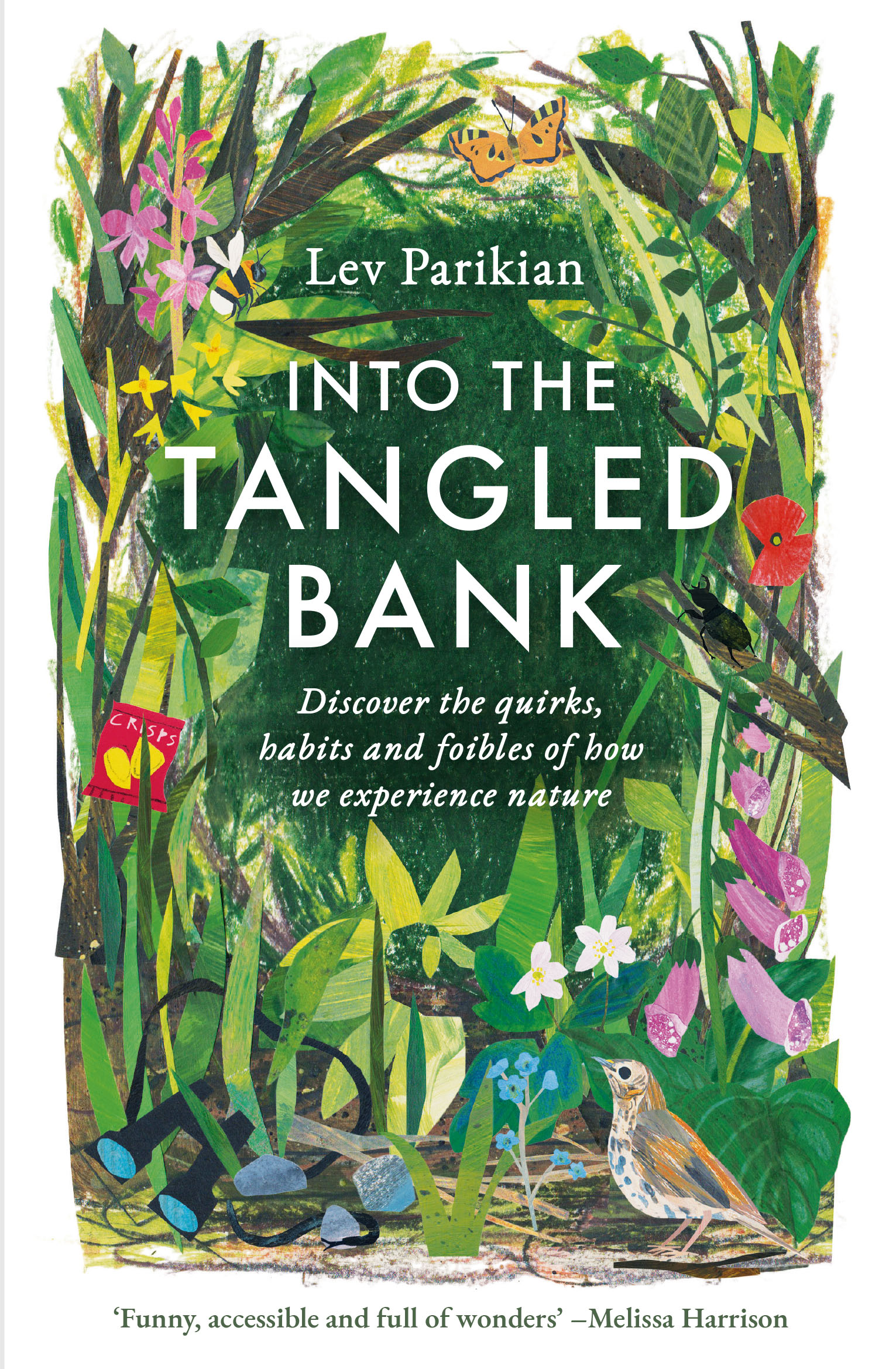
For my Research Secrets slot in the national writing magazine, Writers’ Forum #235 Aug 2021, I interviewed Lev Parikian about how his research for a previous book helped him to structure his creative non-fiction book, Into the Tangled Bank, published by Elliott & Thompson.

Lev explained, Into The Tangled Bank, grew from his second book, Why Do Birds Suddenly Disappear? which is the story of the year he spent trying to see 200 species of British bird. It had occurred to him, while travelling the country researching the previous book that as well as the fascinating birds he encountered, the people watching them were worthy of study, whether they were novices with only a vague interest in what they were looking at or expert ornithologists with deep knowledge. It made him think of how we all experience nature in our own individual ways, so the broad idea of a book about ‘how we are in nature’ was born.

Into The Tangled Web by Lev Parikan

In honing the idea from that initial concept it occurred to Lev that he could weave together three stories: his own journey through nature; the people he met on the way; and some of the great naturalists of the past who devoted their lives to studying the mysteries of the natural world.

Lev told me his initial research included everyone he found who fell under the broad definition ‘naturalist’. He noted their dates, area of interest, where they lived, and how they might fit into the arc of the book. From there he whittled it down. He wanted it to move from the familiar and domestic – the wildlife we encounter in our homes and gardens and on our doorsteps – gradually outwards to take in a wide variety of habitats – not just the wild places like nature reserves and mountains and lakes and clifftops but local parks and zoos and even museums, where the wildlife is laid out for us to survey in close detail and at our leisure.

“I love birds, but the lives of twelve ornithologists might not have offered the range I was looking for.”

Lev Parikian

Lev revealed it was important to him to cover a variety of disciplines. This is why he included Walter Rothschild, founder of what is now the Hertfordshire wing of the Natural History Museum; the great poet John Clare, who wrote with such power about the nature on his local patch near Peterborough; Thomas Bewick, the engraver whose illustrations were many people’s introduction to the appearance of birds and animals they would never encounter in the flesh; Sir Peter Scott, a man of extraordinary breadth and founder of the Wildfowl and Wetlands Trust (among many other achievements); Gavin Maxwell, who by all appearances preferred the company of otters to humans.

Charles Darwin’s English Heritage house in Kent, UK

The places he visited became gradually wilder – from the rather genteel surroundings of Charles Darwin’s English Heritage house in Kent to Skokholm, a small island off Pembrokeshire which was the first bird observatory in Britain, and is home to a couple of hundred thousand seabirds and just a handful of humans.

During his week on Skokholm, he was torn about how best to spend my time. He was writing about his own experience of the birds, so wanted to spend as much time as possible outdoors looking at the birds and picking the brains of Richard and Giselle, the observatory’s wardens; but the island has an extensive library, filled with the works of its founder Ronald Lockley and much more, all of which he wanted to read. It was impossible to do everything.

“At the heart of the book was a desire to reflect the various ways we experience nature, whether actively (yomping across a boggy moor hoping for a glimpse of a disappearing curlew) or passively (slumped on the sofa listening to David Attenborough describing the sex lives of aardvarks). And really all that was required in that department was to observe people (including myself) as keenly as I observed nature. There was a fair amount of eavesdropping, but I also made a point of striking up conversations whenever I had the opportunity (and when appropriate) and listening to what people had to say.”

Lev Parikian

Lev explained he found recording all this information difficult and admits he is not naturally organised. But he does have a notebook, which he carries with him most of the time, and whenever possible he jots things down. He also makes use of technology which he said he finds indispensable.

“I took a lot of photographs with my phone to remind me of particular settings or encounters, and if I overheard something particularly interesting or funny it was generally quicker to jot it down in the Evernote app on my phone.”

Lev Parikian

He described the process of writing Into The Tangled Bank, as absorbing everything like a sponge and then squeezing it out afterwards. The trick, he claims, is knowing which is the good stuff.

You can find out more about Lev Parikian on his website www.levparikian.com and follow him on Twitter @levparikian and Instagram @levparikian and Facebook @levparikianwriter.

To read the complete feature you can purchase a copy of #235 Aug 2021 Writers’ Forum by ordering online from Select Magazines.

To read my future Research Secrets or Writing 4 Children interviews you can invest in a subscription from the Writers’ Forum website, or download Writers’ Forum to your iOS or Android device.

An interview with… Helen Yendall

I interviewed Helen Yendall about her research for her debut novel, A Wartime Secret. In my Research Secrets slot in issue #245 13 Jul 2022 of Writers’ Forum, you can read all about the research Helen Yendall did for this historical novel set in WWII and how this research inspired her plot, setting and characters.

Helen explained that A Wartime Secret, was inspired by the true story of a bank and its staff that were moved to the countryside for the duration of the war. The main character is feisty Maggie Corbett, who moves from London to the Cotswolds with Rosman’s merchant bank. She’s a fish out of water in many ways. Although it’s set during the war, it’s an upbeat story and one reviewer described it as ‘EastEnders meets Downton Abbey’.

She discovered the story of the bank moving to Upton for the duration of the war, when she visited an exhibition at Upton House called Banking For Victory. This was long before she decided to write a novel about it. The house was reconfigured as it would have looked during the 1940s and Helen revealed she visited it more than once. By the time she realised it would make a great setting for a novel, the exhibition was over. However the National Trust researchers were was able to confirm many of the details she remembered. 

A Wartime Secret by Helen Yendall

Real aspects of Upton House are included in A Wartime Secret: the outdoor swimming pool, in which bank employees swam before work (and which features in an incident in the novel), the Mirror Pool in the grounds, which was filled in during the war, so it didn’t act as a marker for enemy planes and one of the Canaletto paintings, which currently part of Upton House’s art collection.

“I always had Upton House in my mind when I pictured my fictional Snowden Hall but I moved the house slightly, from Warwickshire to Gloucestershire, to create a little distance from the real place.”

Helen Yendall

Helen does a lot of research before she starts to write a novel, as it always gives her ideas for her plot. For example, the real bank – M Samuel & Co – was actually moved from the City of London to Warwickshire in 1939, as soon as war broke out. Helen decided to move the bank in 1940, once the Blitz had started. She told me this was vital for the very first scene of the book when Maggie is lying face down on the floor of a bus, during a raid, an idea that she said came from The People’s War by Felicity Goodall. This book contains an extract from a woman’s diary, describing her reactions in an air raid.    

Primary sources were invaluable to Helen. She explained when you’re writing historical fiction, you really need to try to immerse yourself in that time. If you can read letters or books written in that time or watch films made during that era it all helps.   

But her research was not always plain sailing. Helen discovered several thousand adult Jews were smuggled into Britain during WW2 but couldn’t find out anywhere how this was done. So, although it features in her story, she had to be vague and non-specific about it and let the reader imagine contacts and underground organisations for themselves.

“Sometimes you simply won’t be able to find something out and you can spend hours and end up no further forward. If this happens to you, ask yourself if it’s absolutely essential to the story, or can I get around it in some way? Sometimes, if you’re a little vague about how something might have happened, I think that’s better than putting in lots of details that might actually be wrong.”

Helen Yendall

For A Wartime Secret, Helen needed to know how long it would take a letter to arrive and then how long it would take for her character to receive a reply, within Britain. She struggled to find this out so in the end, she emailed her question to an expert at the Postal Museum https://www.postalmuseum.org/  and had an answer within a few days.

Another valuable resource for Helen were the 1940s Facebook pages she belongs to. She said someone on those will often answer a question, if she is stuck. However, she reminds people it is wise to double-check information found via social media.

“It is worth joining a few relevant groups that are interested in the same era as your novel is set. They can provide a wealth of information, photographs and helpful links.”

Helen Yendall

For people wanting to do their own research into WWII, Helen suggests looking at the British Newspaper Archive as it contains 50 million pages of news stories from 1699 to 2009. She explained it is a paid subscription service, starting at £6.67 a month if you subscribe for a year and there are lots of articles available for free.

Helen warned it’s very easy to get carried away with your research and end up with much more material than you can ever feasibly use, at least in one novel. Her advice is no to try to cram in everything you learn about a period of time. Be selective. If one strand won’t fit into this book, perhaps you can use it for another – a sequel perhaps.

Follow Helen her on Twitter: @helenyendall and on Facebook: @helen.yendall. You can also check out the posts on her blog at: www.blogaboutwriting.wordpress.com.

To read the complete feature you can purchase a copy of #245 13 Jul 2022 Writers’ Forum by ordering online from Select Magazines.

To read my future Writing 4 Children or Research Secrets interviews you can invest in a subscription from the Writers’ Forum website, or download Writers’ Forum to your iOS or Android device.