Anita Loughrey's blog. This is my journal about my experiences and thoughts on writing. As well as news about me and my books, it includes writing tips, book reviews, author interviews and blog tours.
For more information about me and my books see my website: www.anitaloughrey.com. Follow me on Twitter @amloughrey, Facebook @anitaloughrey.author and on Instagram @anitaloughrey
It is with great pleasure and excitement that I join the blog tour for Paul Marriner and his latest novel Miracle Number Four.
Paul Marriner
Paul grew up in a west London suburb, not unlike the suburbs in which Miracle Number Four is based. He now lives in Berkshire with his wife and two children, from whom he has learnt far more than he was able to teach. Paul is passionate about music, sport and, most of all, writing, on which he now concentrates full-time. He has written five novels and his primary literary ambition is that you enjoy reading them while he is hard at work on the next one, whilst still finding time to play drums.
My stop on the tour will take the form of a book review.
********
Title: Miracle Number Four
Written by: Paul Marriner
Cover Design by: JD Smith Design Ltd.
Published by: Bluescale Publishing
Miracle Number Four by Paul Marriner
This is a coming of age story set during the 1970s in London. With dreams of a career in rock, a crush on the prettiest girl in town, and a mother in remission from cancer, Mike’s future looks bright. Music brings him excitement and a chance to shine, but life off-stage is complicated. Together with family, friends and band mates, Mike finds joy, sadness and loss. Troubling secrets surface while a new friend brings both fresh perspectives and a cruel reality. The radios and pubs blast rock into the suburban nights and the band prepare for their big break.
Miracle Number Four takes us smoothly on a journey through the seasons as Mike pursues his dream of becoming a rock star. The book opens in the spring of 1975 when Mike’s mum has just finished her radiotherapy and her hair is growing back. Mike’s dad buys him a base guitar and Mike forms a band.
Paul Marriner captures the atmosphere of the era perfectly, weaving in iconic music, TV adverts and the specialist stores seamlessly to immediately transport the reader back in time. It was lovely to reminisce about life before mobile phones and laptops. I particularly like the way many of the chapters are themed around a popular song from the period. I found myself singing the lyrics as I read.
With heart-rendering moments we follow Mike through rehearsals, new friendships to tragic deaths and finally in the Spring of 1977 when the band headlines at the Hammersmith Palais with a touching tribute to his friend Richard and his mother.
I enjoyed this book because it is a realistic rendition of the trials and tribulations of life in rock and roll during the 1970’s, portraying the attitudes of the time perfectly. But what really makes it stand out above other books set in this era is the music. I challenge your mind not to tune in to the various songs as you read.
********
To join the other stops on the blog tour take a look at the schedule below:
I would like to thank Anne Cater from Random Things Through My Letterbox for organising this blog tour and inviting me to take part. Thank you.
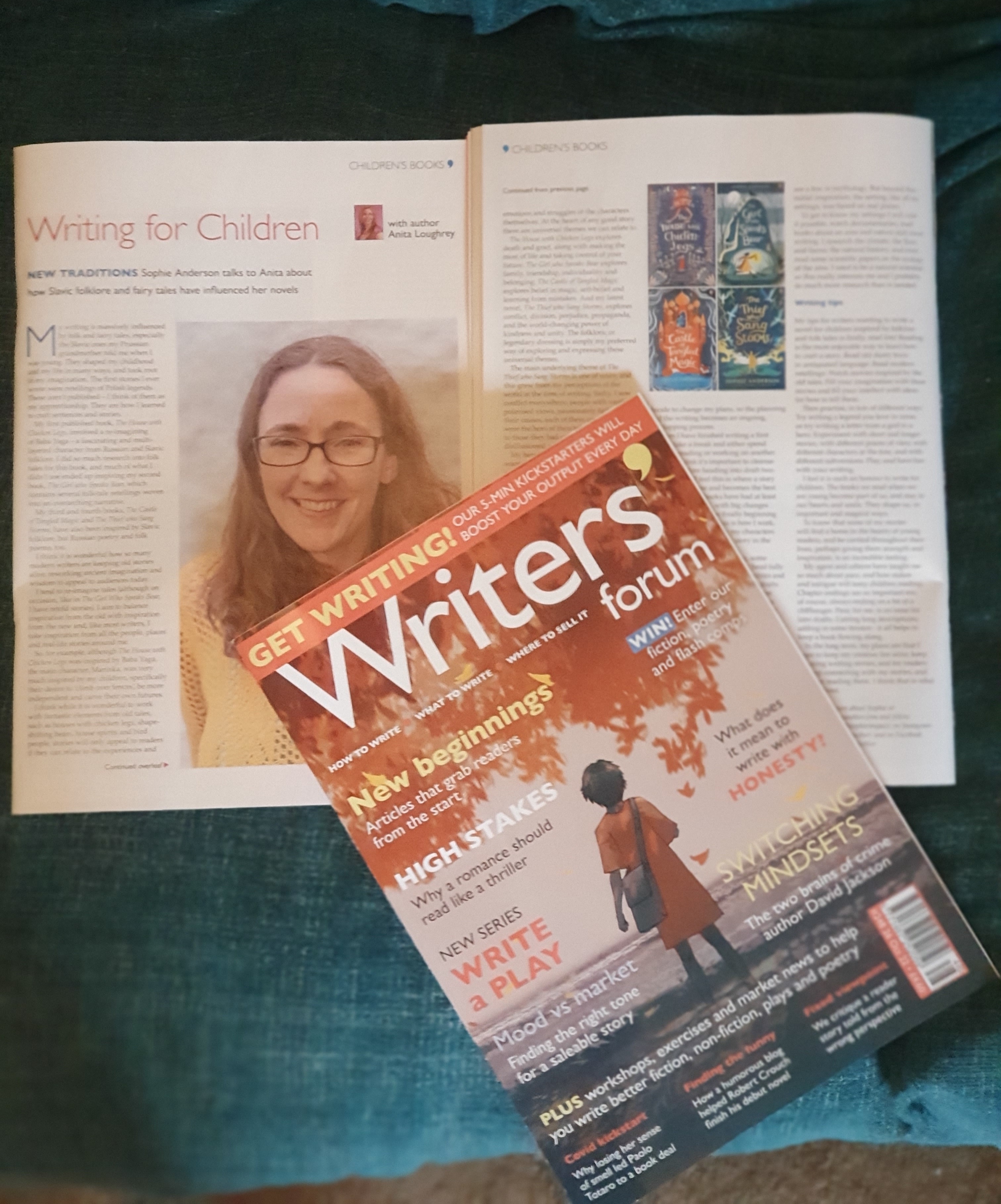
Today on my blog I am talking about an interview I did with Paola Totaro for my Research Secrets slot In this month’s issue of Writers’ Forum #248 26 Oct 2022. She explained how losing her sense of smell during Covid inspired her and her husband to co-write their non-fiction book, On the Scent.
On the afternoon of March 27, 2020, Paolo told me she went to the bathroom and after washing her hands and using her usual scented hand cream, she realised she had completely lost her sense of smell.
“I will never forget the moment because it was so sudden, so inexplicable and so utterly frightening. I’m driven by smell. I walk the park with the dog smelling flowers, the air, rain and being unable to smell anything was an existential shock. I felt as if I’d been put in a bubble and was missing a vital connection with the outside world.”
Paola Totaro
This inspired her to read more anecdotal reports of this mysterious, sudden smell loss to find out what was happening to her and what quickly also struck millions of others around the world. She found herself researching the cultural history of smell and how human perception and response to smells has changed over the centuries, from theories of miasma in which smell was said to be harbinger of disease to the use of changes in smell as diagnostic tools.
She told me she must have read hundreds of research papers that were being pre-published during Covid and also interviewed scientists from all over the world -neuroscientists in the US – to specialist ENT physicians in Germany and Switzerland – to philosophers in the UK and Spain.
“I reached out straight away to Professor Barry Smith, Director of the Institute of Philosophy at the School of Advanced Study, University of London who happened to have said something on Twitter about smell that day and he, bless him, sent me an incredibly kind email acknowledging just how awful the loss can be. Later, he would also help me onto the path to find the top global chemosensory specialists who might explain what was going on.”
Paolo Totaro
Paola revealed she even created a google alert on the word anosmia, which was enormously helpful as science and medicine were advancing at leaps and bounds in this area. She also spent a week immersed with young doctors and scientists who planned to specialise in otorhinolaryngology or olfaction research, at a summer school at the University of Dresden in 2021 run by Professor Thomas Hummel, known in this world of smell as the ‘grandfather of olfaction’.
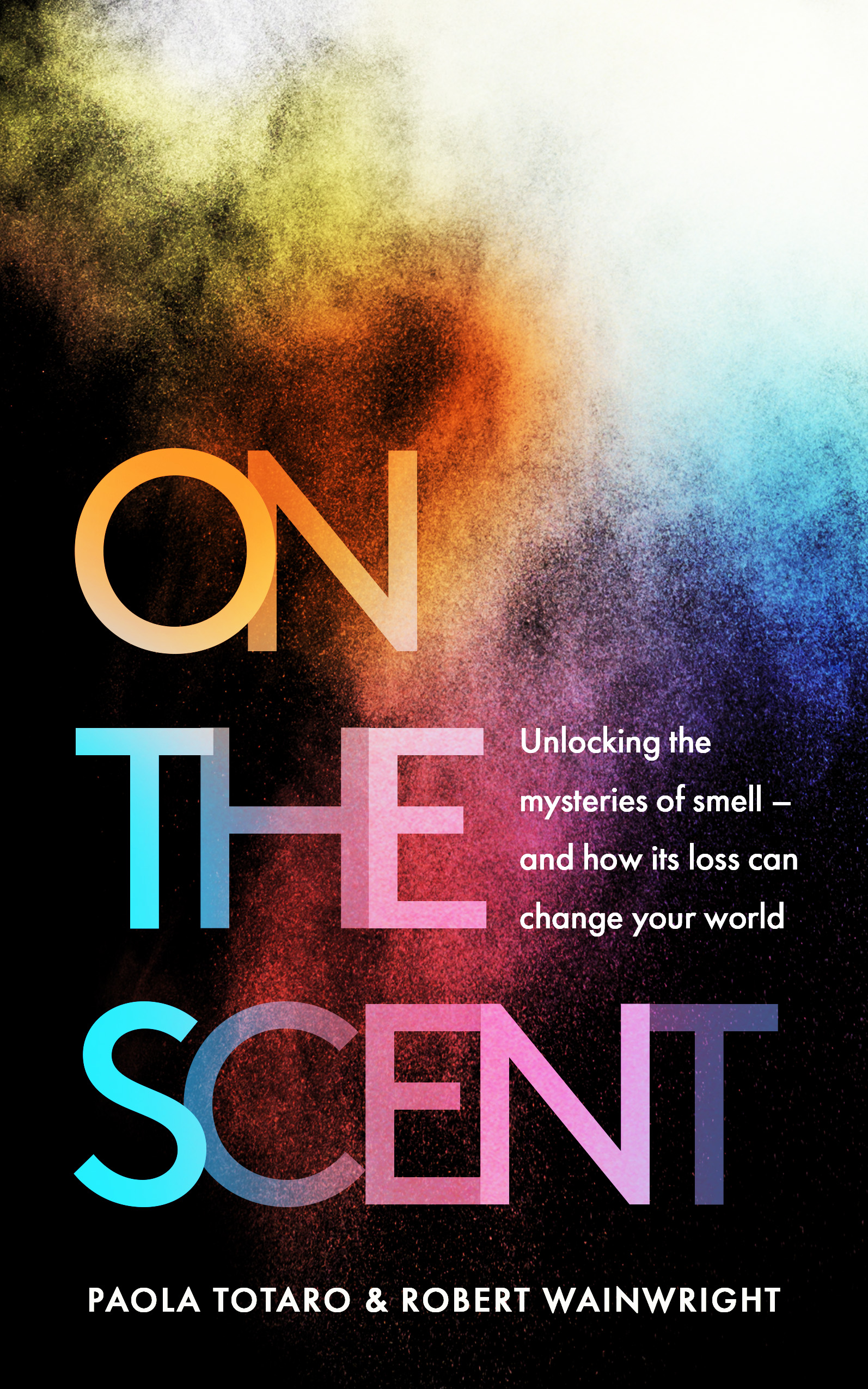
On the Scent by Paolo Totaro and Robert Wainwright
The resulting book, On the Scent – Unlocking the mysteries of smell – and how its loss can change your world, is a mix of Paolo’s personal memoir of her journey into dealing with her loss of smell integrated with all the scientific research she uncovered. Much of the book was written in lockdown so many of her interviews were conducted over Zoom. She also interviewed people who had been born without a sense of smell, others who lost the sense to virus or brain injury. Reading the bibliographies and footnotes of other published writers/authors on the topic of olfaction was also hugely helpful and Paolo reached out to some authors who were also helpful and generous.
Paolo explained her husband, Robert Wainwright who specialises in writing the biographies of interesting and important people lost in history wrote about people throughout history who had no sense of smell, such as the great nature poet, Wordsworth who was anosmic. He also contributed the story of INXS frontman, Michael Hutchence, who plunged into depression when he lost his sense of smell. She elaborated Robert was her slash and burn guy as were the editors at Elliott and Thompson.
“Throughout the writing process, I would read aloud to Robert each evening and if his eyes glazed over in the science bits, I’d wind them back. He did the same for me with his people chapters – but he’s much less long winded than me.”
Published by: Pokey Hat an imprint of Cranachan Publishing
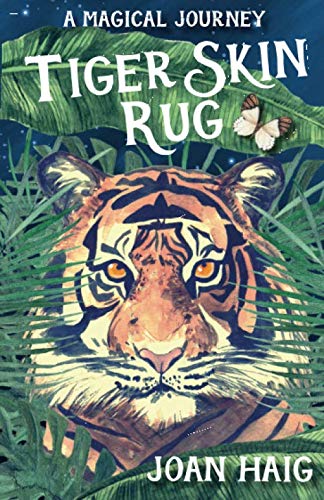
Tiger Skin Rug by Joan Haig
This brilliant fast paced and exciting middle grade adventure story will have you turning the pages late into the night. It is not surprising it was nominated for the CILIP Carnegie Medal 2021, as well as a finalist in The People’s Book Prize 2021 and one of The Reader Teacher‘s favourite Books of 2020.
I won a copy of Tiger Skin Rug for my grandson in a Twitter competition run by Joan. He has recently asked for it to be read to him again when he was staying over in the summer, bringing it with him especially from home. I would like to thank Joan for this great prize that has given us both so much enjoyment.
Tiger Skin Rug explores the themes of betrayal and what makes a home, whilst seamlessly weaving in environmental issues of tiger conservation and illicit trafficking of endangered species. It is expertly written and has a timeless quality.
The book opens with Lal who is feeling homesick. He and just arrived with his family from India to live in Scotland in cold and murky house that smelt of old age and is packed with the strange relics left by its previous owner. Lal thinks the whole place is creepy and in the drawing room he discovers an even creepier old tiger skin rug. He reminisces about the beauty of India and playing cricket with his friends and wants to go back home.
Lal’s younger brother, Dilip only speaks in a whisper and he has a special connection to the rug as only he is able to talk to it. Dilip discovers the tiger skin rug can come to life. He explains to his brother the tiger is unable to rest as poachers shot him before he had fulfilled his promise to deliver an important message.
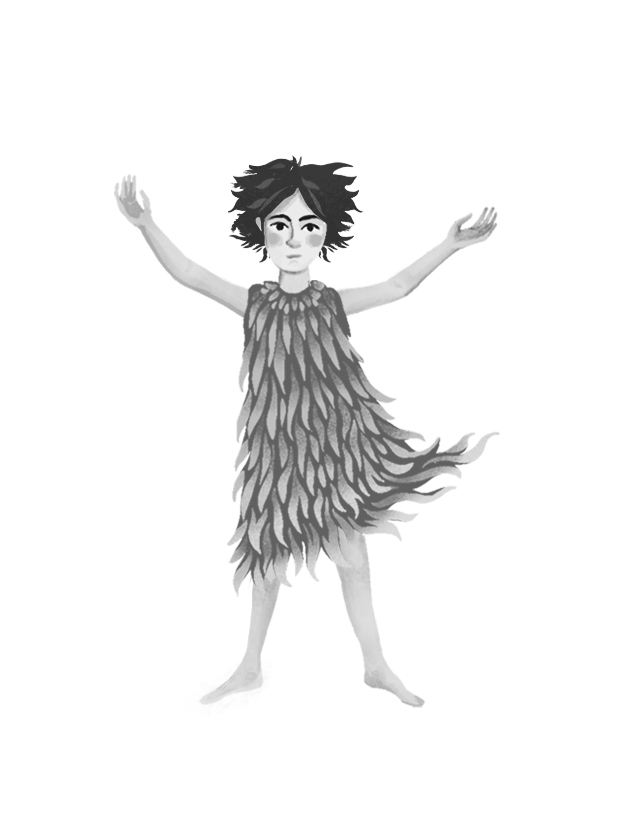
The boys and their new friend, the feisty and wild-haired Jenny next door, are determined to help the tiger. They embark on a quest to discover what the message was and take it to its intended recipient. The tiger in return promises to take the children back home.
They use the tiger’s magic and their critical thinking skills to unravel the mystery and deliver the message. The three children embark on an incredible journey from Scotland to a nail shop opposite the abandoned Joseph Ecks Auctioneers near Waterloo station, then on to the Department of Conservation and Biodiversity at Coventry University in search of Professor Menko Chatterjee and finally they go to India.
Lal, Dilip and Jenny are brilliantly rounded characters, who are instantly likeable and relatable. Their diverse cultures are skilfully woven together. I particularly liked the strong bond between the two brothers.
Joan Haig has created a vivid sense of place with her delicate, yet vibrant descriptions. She takes us on a journey from the rainy Scottish suburbs to the bustling Indian cities, which portray the contrast between classes, with overcrowded buses and crawling through drains in monsoon rain and onto the rich, green jungle where criminal hunters lurk. The magic of this book is amplified by the addition of some beautiful illustrations of the tiger by Marian Brown.
I would recommend this book to all middle grade readers and it would be a much coveted addition to any school library or book corner.
In the October issue of Writers’ Forum #248 Oct 22, I have interviewed Sophie Anderson for my Writing for Children double-page spread, about how Slavic folklore and fairy tales have influenced her novels.
Sophie told me her writing is massively influenced by folk and fairy tales, especially the Slavic ones her Prussian grandmother told her when she was young.
“They shaped my childhood and my life in many ways, and took root in my imagination.”
Sophie Anderson
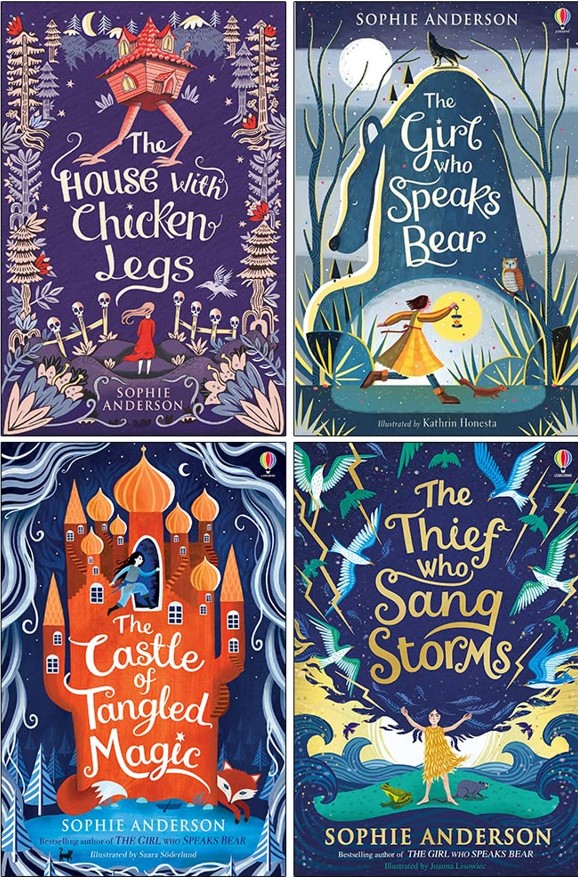
Sophie’s first published book was The House with Chicken Legs, which involved a reimagining of Baba Yaga – a fascinating and multi-layered character from Russian and Slavic folklore. She revealed she did so much research into folktales for this book, that much of what she didn’t use ended up inspiring her second book, The Girl who Speaks Bear, which contains several folktale-retellings woven into an overarching narrative.
Her third and fourth books, The Castle of Tangled Magic and The Thief who Sang Storms, were also inspired by Slavic folklore, as well as Russian poetry and folk poems.
“I think it is wonderful how so many modern writers are keeping old stories alive; retelling, reimagining and reworking ancient imagination and wisdom to appeal to audiences today. I tend to reimagine tales rather than retell them (although on occasion, like in The Girl Who Speaks Bear, I have retold stories). I aim to balance inspiration from the old with inspiration from the new.”
Sophie Anderson
Sophie explained she takes inspiration from all the people, places and real-life stories around her. The House with Chicken Legs was inspired by Baba Yaga, the main character, Marinka, was inspired by her children, specifically their desire to ‘climb over fences’, be more independent, and carve their own futures.
At the heart of any good story there are universal themes we can relate to. The House with Chicken Legs explores death and grief along with making the most of life and taking control of your future. The Girl who Speaks Bear explores family, friendship, individuality and belonging. The Castle of Tangled Magic explores belief in magic, self-belief, and learning from mistakes. The Thief who Sang Storms, explores conflict, division, prejudice, propaganda, and the world-changing power of kindness and unity. The main underlying theme is one of unity.
“I think whilst it is wonderful to work with fantastic elements from old tales, such as houses with chicken legs, shapeshifting bears, house-spirits, and bird-people, stories will only appeal to readers if they can relate to the experiences, emotions and struggles of the characters themselves.”
Sophie Anderson
She uses folklore and legends as a way of exploring and expressing these themes.
Linnet from The Thief who Sang Storms Illustrated by Joanna Lisowiec
Sophie revealed her planning process is messy and very paper-based. She told me she fills up notebooks with ideas and stream-of-consciousness free writing and ring-binders with maps and plans, character studies, notes on settings, lists of key events and plot points, and thoughts about possible themes and messages. Once she starts writing the chapters she inevitably changes her plans so it is an organic process. .
Sophie said if a character feels vague and not fully-formed she will do some exercises, like write letters or a diary from that character’s point of view. Or might interview them, take them out for an imaginary coffee for a chat, or write a scene that doesn’t end up in the book, where they are having a day out with a friend.
Her writing tips to writers wanting to write a novel for children inspired by folklore and folktales is firstly, read lots!
“Reading is the most enjoyable way to learn how to craft a story. Read old dusty texts in antiquated language. Read modern retellings. Watch movies inspired by the old tales. Fill your imagination with these stories and fill your intellect with ideas for how to tell them.”
Sophie Anderson
Then practice, in lots of different ways.
“Try writing a legend you love in verse, or try writing a letter from a god to a hero. Experiment with short and longer stories, with different points of view, with different characters at the fore, and with different subversions. Play, and have fun with your writing.”
Written by: William Shakespeare; Simon Greaves (trans)
Illustrated by: Simon Greaves
Published by: The Shakespeare Comic Book Company
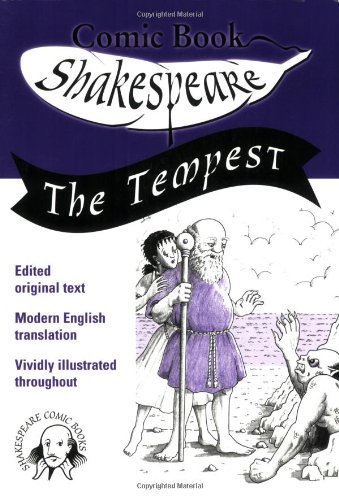
Comic Book Shakespeare – The Tempest
I was greatly impressed by this comic book version of The Tempest and believe this series of books would be an excellent introduction to Shakespeare. Part of a series of books these Shakespeare comic books include edited original text with a modern English translation. They are vividly illustrated throughout to bring the play to life. Each of the comic books is supported by a teacher book containing over 50 pupil worksheets which meet the requirements of the National Literacy Strategy for KS2 and KS3.
The Shakespeare comic book version of The Tempest is an edited version of the Shakespearean play, retaining approximately 50% of his original text. The comic book dual text approach allows younger students to explore Shakespeare whilst providing key quotations, essential plot lines and clarity of understanding for the older pupil. The pictures help to bring the drama to life and provide visual clues for the reader to the characters and their emotional state.
I would not recommend they replace the original version all together but, they would be ideal to encourage even the most reluctant reader to take an interest in the classics. The structure of the book made it very easy to read and follow the plot. The clever line drawings added essential information on the characters feelings and attitudes. Even being able to see the way the characters are dressed provides essential information for the pupils to visualise the cultural and historical setting of the play. The books would also be brilliant for stimulating the children’s own role play and Shakespearean productions.
For the September #247 21 Sep 2022 issue of Writers’ Forum I interviewed Donna Amey Bhatt about co-writing a children’s book with her husband, Vikesh. Donna was already a published author with her book, How To Spot a Mum.
Co-writing a book was something new for both of them and Donna was worried it might put a strain on their relationship but found in reality it bought them closer together. Although, the deadline for the book ended up being difficult, as their baby was due. It meant they needed to be much more organised.
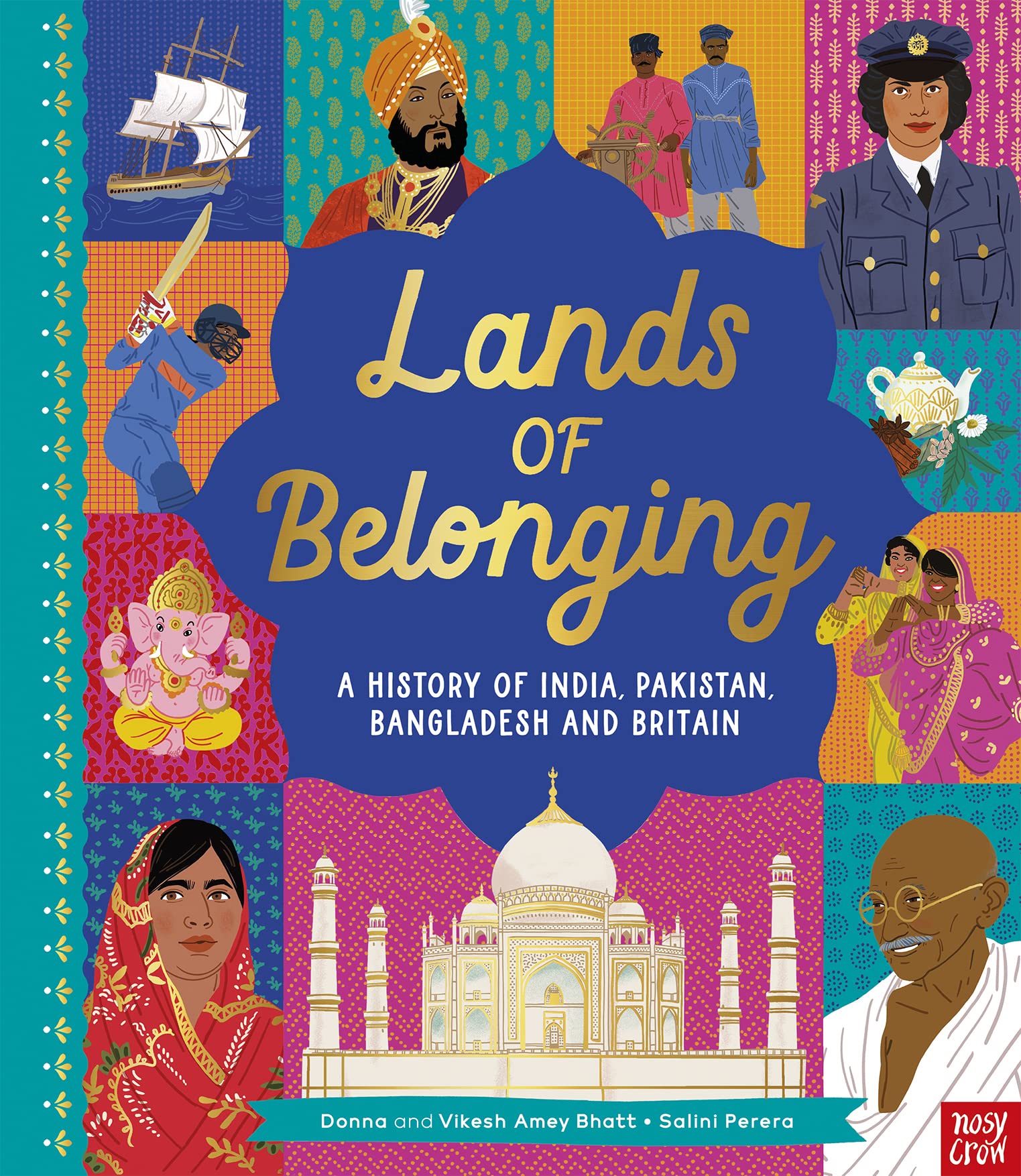
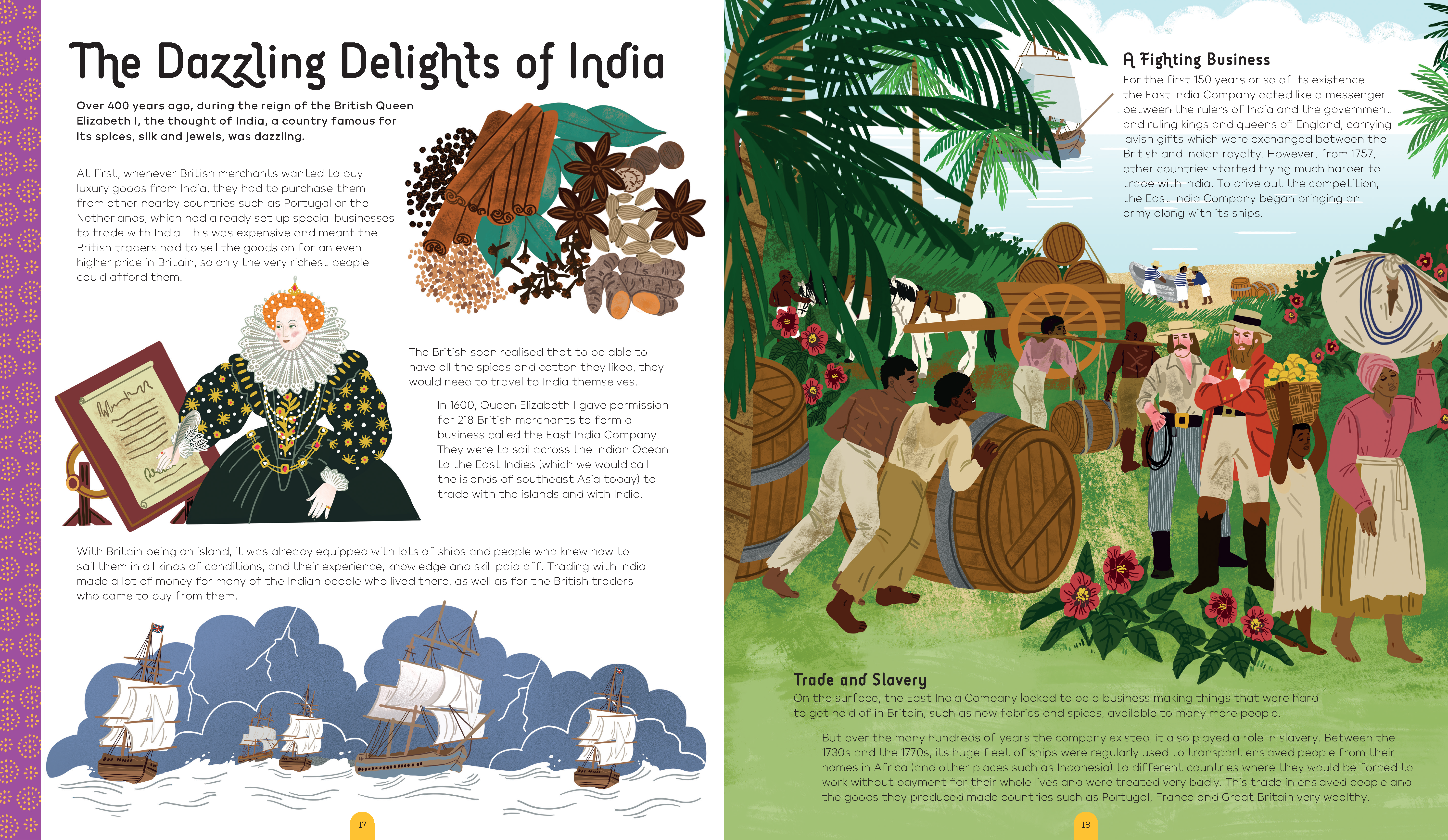
Donna told me Vikesh came up with the idea for Lands of Belonging: A history of India, Pakistan, Bangladesh, and Britain over lockdown, and together they fleshed it out and pitched it. Lands of Belonging is a thrilling exploration of the complicated history of South Asia and Britain, examining what it means to ‘belong’.
In the interview Donna explained one of the things that inspired the book was the fact Vikesh grew up without being told the full history as to why his family lived here. It’s a huge part of the UK’s story that is often overlooked in both schools and the media. They have also found through their work in marketing not many places truly embrace diversity. This is something Vikesh is passionate about changing, and educating the younger generation is where it really needs to start. It is especially topical this year, 2022 as it is the 75th anniversary of Partition.
Donna elaborated how the combined history is often glamourised, things like the Raj and ‘Britannia ruling the waves’ really don’t tell the story of them people from India, Pakistan, and Bangladesh who lived during those times. Their contributions to our country are so huge, and so brilliant they should be acknowledged and celebrated.
The book is split into two sections. The first looks at the past, and plots the beginning of Britain and India’s relationship, as well as looking at what India was like before it was colonised.
The second half is a look at modern Britain as shaped by Indian, Pakistani, and Bangladeshi people. It was important to Donna and Vikesh to include a diverse variety of Indian culture within the book. She told me that as well as fact checking with friends and family, Nosy Crow were incredibly thorough and provided two academics and many fact checkers to ensure all the information was 100% accurate.
Key to them was the fact they had a brilliant illustrator, Salini Perera, who could show things so beautifully. So, things like talking about traditional dishes and costume didn’t need lengthy explanation. They trusted Salini’s skill and it paid off.
“One of our favourite pages explains a few types of yoga, and Salini has done a brilliant job of showing some of the positions.”
Donna Amey Bhatt
There are plenty of history books that solely tell you what happened in the past but there are not many that explain how these events effect our culture and the world today. Donna explained she believes looking at how the past has led to how we live today is often what draws readers (and potential publishers) in.
Her advice to other writers who want to write about the history of their culture is to try to think of how you can explain things interactively. Maybe there’s an activity you can include that makes your point, or you can use illustration to plot something instead of using too much text. The great thing about writing for children is there’s space to experiment, and many of the rules for writing can be thought more as suggestions.
They both hope Lands of Belonging serves as a helpful reference to people who don’t fully understand this part of history.
Donna’s latest book is How to Greet a Gran, published by Quarto. It’s a look at grans all over the world, tells you a little about granny customs in different countries, and vitally; what to call them.
How to greet a gran by Donna Amey Bhatt and Aura Lewis
You can buy copies of all Donna’s books from your local bookshop, or online at uk.bookshop.org, an organisation with a mission to financially support local, independent bookshops. It is also available at Waterstone and Amazon.
To read the complete feature you can purchase a copy of #247 21 Sep 2022 Writers’ Forum by ordering online from Select Magazines.
As part of the EWG social gathering on Friday 23rd September, we met at the new Society of Authors headquarters where we enjoyed a delicious buffet lunch and I must say I was particularly enamoured with the couscous which was delicious. this was the first time I had been to the new building and I was impressed at how spacious it was. We had time to meet other members of the EWG some whom I had not seen since before the lockdowns and I met several new faces.
Society of Authors (c) Tim Gallinger
After lunch, we had a short walk to the British Library. At the library we were met by curator Helen Melody who gave us an introduction to the British Library’s Contemporary Literary and Theatrical archives with her colleague Rachel Foss.
The materials they presented included a volume of handwritten correspondence with John Masefield from the Society of Authors archive. John Masefield was Poet Laureate from 1930 and President of the society from 1937. One of the letters was asking about suitable wording in a contract to give permissions for his poems to be put to music in the US and also included in anthologies. There were also a Ted Hughes Birthday Letters notebook for us to look at. Of course, we had to ask for each page to be turned to read the handwritten letters but this added to how special it was.
I was also able to see the autographed manuscript of J. G. Ballard’s Empire of the Sun showing his alterations, two beautifully illustrated poetry notebooks by Lawrence Durrell, an autographed playscript by Victor James de Spiganovicz, an annotated typescript of To Sir With Love by E. R. Braithwaite, one of the largest scrapbook volumes from the P. G. Wodehouse archive and the autographed manuscript of In Praise of Love and Children by Beryl Gilroy .
British Library archives – manuscript of J. G. Ballard’s Empire of the Sun
But my personal favourite archive exhibit was the six Little Nippers Books written by Beryl Gilroy, which I spent way too long looking at wanting to read every page. The Little Nippers Book series are humorous early readers tackling issues of race designed by Leila Berg in reaction to the middle-class Ladybird Peter and Jane books. She worried too many young readers would see, ‘…no reflection of themselves, nothing that tells them they belong in this world.’
Beryl Gilroy was the first black headteacher in London. She is heralded as one of the most extensively published Caribbean writers of her time. Her Little Nippers Books were based on her experience with children she taught in Camden. They were published in the 1970’s and depict children of different ethnic origins. For more information on Beryl Gilroy see: The British Library – Beryl Gilroy. Other contributors to the Little Nippers Books include Jaqueline Wilson, Shirley Hughes and George Him.
When we had finished looking at the archives, which went way too quickly, we were given a tour of the library itself led by librarian and tour guide extraordinaire, James Hughes. He told us a bit about the history of the building and how it was built to amalgamate the arts and the sciences for the first time. I was particularly impressed that a large part of the building is eco-friendly using recycled materials, down to the white oak shipped from a US sustainable forest which was not available in the British Isles.
James told us some interesting facts about the eight levels of archives in the basement. I learnt how they have been especially designed to prevent damp and any excessive water is pumped into the River Fleet and the books are they kept at a constant temperature of 15C. Our next stop was the Alan Turin Centre where we saw the original Enigma machine and letters from Lady Lovelace to Babbage.
Enigma machine at the British Library
Then we were taken behind the scenes and allowed to sit in £400 seats especially deigned to support the majority of people sitting for long periods of time and we learnt the lighting in the reading rooms is designed to prevent flickering. After this we looked at the King George III archives, which includes the King’s Maritime collection of sea charts.
Next we went to my favourite room of all – The Treasures room. Here the lights are kept low to help preserve the books and documents. There were so many things to see in this room that at first I felt a bit overwhelmed at the sheer wonder of it, as it hosts many sacred texts from around the world.
As well as the Guttenberg Bible and the history that surrounds it, I particularly liked the desk Jane Austen wrote her novels given to her by her father in 1794, some of the original writings from Charles Dickens and Shakespeare’s First Folio compiled in 1623, seven years after his death and published by Isaac Iaggard and Edward Blount. I also liked Florence Nightingale’s original Diagram of the Causes of Mortality in the Army in the East that had convinced the authorities of the importance of hygiene in the army hospitals.
We ended the tour by taking a look at the Magna Carta. This peace treaty was first issued by King John in 1215.
On the whole this was one of the best events I have attended at the Society of Authors so far. I would highly recommend it.
I Love You with All My Heart is a lovely sentimental picture book about the unconditional love between a mother and her child. Little Bear breaks her Mum’s favourite flower whilst playing and is worried Mum will be angry. Mum explains that she loves her no matter what. There are several memorable lines that will reassure and help young children throughout the good times and the bad times. My favourite being:
“My love will always be with you, wherever you are.”
Mum’s reassuring words help Little bear when she loses the race and when her kite sails away and again when she slips in the muddy puddle. At the end there is a heart-melting twist when Mum is upset she has burnt the cake and baby bear says the iconic line:
“Even when things go wrong, I still love you.”
Little Bear has truly learnt the meaning of unconditional love.
Jane Chapman’s illustrations support her text and portray Little Bear’s emotions perfectly from the joy of playing drums with Mum’s pots and pans, to the look of concern when the sunflower stem snaps and the sheer determination when she manages to retrieve her kite from the tree. I particularly like the end pages which show Little Bear’s house in the woods and you can see the balcony and the sunflower. When you turn to the title page and first spread you can then see the balcony and pot garden close up. This was a great touch that I think children will enjoy exploring.
A beautiful book to read aloud at story and bedtimes, which young children will want to hear it again and again.
I Love You with All My Heart by Jane Chapman is available to buy through all bookshops, large or small, and all the usual outlets online.
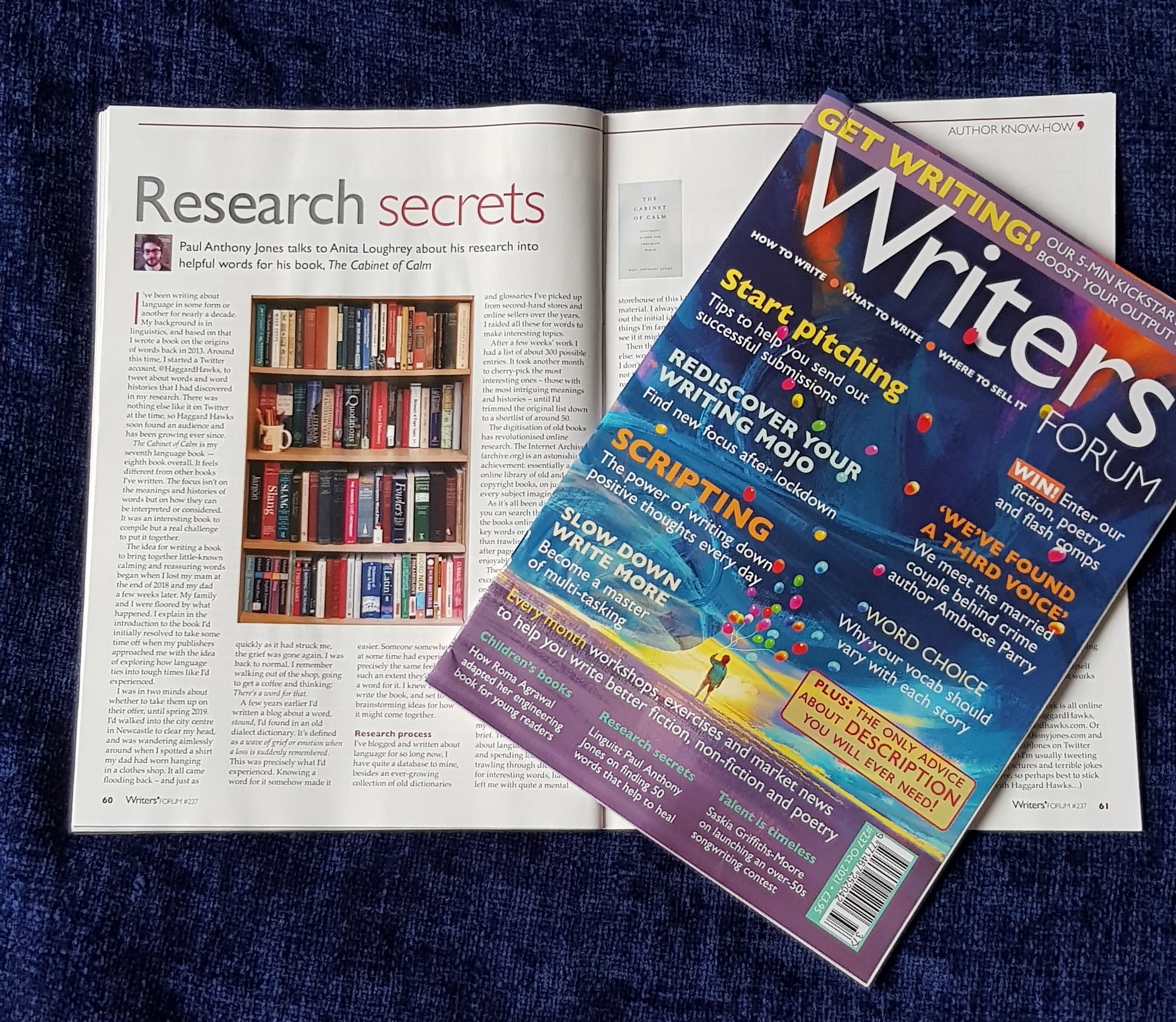
I interviewed Paul Anthony Jones about his research into positive words for his book, The Cabinet of Calm for the #237 Oct 2021 issue of Writers’ Forum.
Paul has been writing about language in some form or another for nearly a decade. His background is in linguistics, and based on that he wrote a book on the origins of words back in 2013. Around this time, he started a Twitter account, @HaggardHawks, to tweet about words and word histories that he had discovered in his research.
The Cabinet of Calm is his seventh language book – eighth book overall. He told me it feels different from other books he has written. The focus isn’t on the meanings and histories of words, but on how they can be interpreted or considered. Paul confessed it was an interesting book to compile but a real challenge to put it together.
“The idea for writing a book to bring together little-known calming and reassuring words began when I sadly, lost my mam at the end of 2018 and my dad a few weeks later at the start of 2019. I and my family were floored by what happened. I explain in the introduction to the book I’d initially resolved to take some time off when my publishers approached me with the idea of The Cabinet of Calm, exploring how language ties into tough times like I’d experienced.”
Paul Anthony Jones
Paul revealed he was in two minds about whether to take them up on their offer, until spring 2019 when he walked into the city centre in Newcastle to clear his head, and was wandering aimlessly around the shops when he spotted a shirt his dad had worn hanging in a clothes shop.
“It all came flooding back—and just as quickly as it had struck me the grief was gone again – I was back to normal. I remember walking out of the shop, going to get a coffee and thinking there’s a word for that.”
Paul Anthony Jones
A few years earlier he had written a blog about a word, stound, he had found in an old dialect dictionary. It’s defined as a wave of grief or emotion when a loss is suddenly remembered. He explained this was precisely what he’d experienced and knowing a word for it somehow made it easier because it meant that someone somewhere at some time had experienced precisely the same feeling, to such an extent they’d coined a word for it. It was at this moment he knew he had to write the book, and set to work brainstorming ideas for how it might come together.
Paul has blogged and written about language for so long now, he has accumulated quite a database to mine—besides an ever-growing collection of old dictionaries and glossaries he has picked up from second-hand stores and online sellers over the years.
One of Paul Anthony Jones’ bookshelves
He explained he raided all these for words to make interesting topics. After a few weeks’ work he had a list of about 300 possible entries. It took another month to cherry-pick the most interesting ones – those with the most intriguing meanings and histories – until he had trimmed the original list down to a shortlist of around fifty.
He divulged whenever he starts work on a new book, there’s three ways it comes together. First, something he already knows gives him the gem of the idea – in this instance the word stound. Secondly, there’s all the other words and etymologies he is already familiar with through his work to fit the same brief. Then there’s everything else: words and etymologies he does not already know, found from researching the new idea. Paul told me this is the best part and makes up the vast majority of material in the final draft. The initial idea forms the foundations, his research builds the rest of the book.
“In TheCabinet of Calm, the first chapter I wrote was actually for a word I found while searching specifically for topics to do with feeling overworked or overwhelmed: cultellation. I’d never spotted this word before; derived from an old surveyor’s tool, it describes the process of cutting a larger task into smaller more manageable jobs. It was the right mix of a brilliant-sounding obscure word, a perfectly appropriate meaning for what I was compiling, and a fascinating and very unexpected etymology.”
Paul Anthony Jones
Paul’s tip to anyone interested in writing about language or words is to track down reliable sources. It makes for much more rewarding research and raises the reliability not only of your work but of this genre of book as a whole. This makes the finished work more robust. You’ll know yourself what constitutes a reliable research source – even then, try to back everything up.
Paul explained The Cabinet of Calm went through quite a difficult draft period, with both himself and his publisher approaching the idea from two different angles. Initially, he wanted to bring together lots of much shorter dictionary-like entries, and divide the book in two halves—the first listing words for worldly problems, and the second for calming, reassuring words to act as their solution. His publisher had a different idea, and pushed him towards writing fewer chapters of more detail and content. It took quite a few attempts to get it right and Paul is happy how the final format works well.
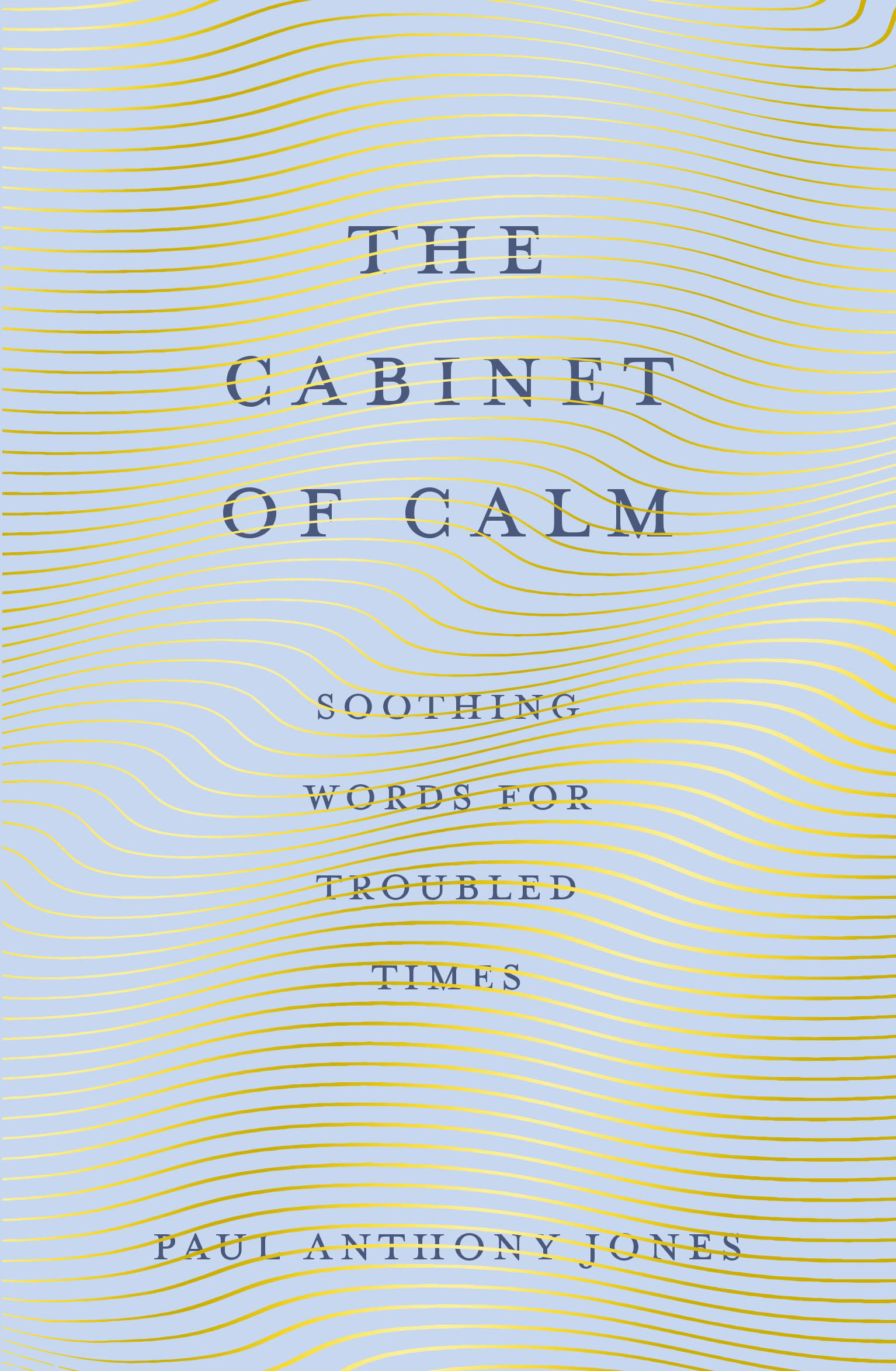
The Cabinet of Calm: Soothing Words for Troubled Times by Paul Anthony Jones
He advocates, no matter how you find yourself researching, that’s the best way for you. Many writers – especially when they’re first starting out, are overly self-critical, and feel they are not taking their writing or research seriously if they don’t fit the romanticized idea all writers are forever carrying a notepad, jotting down ideas in coffee shops, and pouring over piles of books in libraries. If this is how you work, great! But if it isn’t, it’s fine too.
“Work out what works best for you, and stick with it. By all means take ideas or inspiration from other people, but don’t compare yourself unnecessarily to them. We all have our own ways of doing things, and your writing will be happier and more fruitful if you allow yourself time to figure out what works best for you.”
Sid’s Big Fib by Roo Parkin and Irina Avgustinovich
Sid’s Big Fib is one of the best picture books I have read this year. It is an extremely engaging and relatable picture book with a unique, fun concept that to be honest I wish I came up with myself. This brilliant story focuses on two children desperately trying to outshine each other. Sid is frustrated his friend Stella is always doing things ‘better’ than him, which drives him to launch a fib of epic proportions. Each fib will keep the children laughing and turning the pages eager to know what he will say next.
Sid’s fibs gets bigger and bigger until eventually the whole charade is discovered and he has a lot of explaining and apologies to make. I like the way Roo Parkin shows us at each stage of the fib getting more extreme, that he thinks of a way to get out of it and stop the lie but even so still can’t help himself continuing with the fib. I believe young children will be able to identify with Sid’s actions and how difficult it is to back down and tell the truth. I also think it is great the way Roo Parkin shows there are consequences for his actions.
I enjoyed the use of different font size and boldness and speech bubbles to add variation to the text. Irina Avgustinovich’s illustrations also help to bring the Sid’s fibs and exaggerations to life. The use of bright colours, background stars and planets and the hilarious expressions on the character’s faces complement Roo’s portrayal of the characters and events completely.
At the end of the book Sid discovers it is more fun to do things together without making up exaggerated stories to outdo each other.
With underlying themes of honesty and friendship, this is the perfect book for reading aloud to a class. or during quality time with your child. I would recommend Sid’s Big fib for use in discussions about telling fibs and thinking about the consequences and the right thing to do.
You can buy copies of Sid’s Big Fib by Roo Parkin and Irina Avgustinovich from Maverick, or from your local bookshop, or online at uk.bookshop.org, an organisation with a mission to financially support local, independent bookshops. It is also available at:













 Much To Do About Writing