Tag Archives: Anita Loughrey

An Interview with… Paul Anthony Jones

I interviewed Paul Anthony Jones about his research into positive words for his book, The Cabinet of Calm for the #237 Oct 2021 issue of Writers’ Forum.
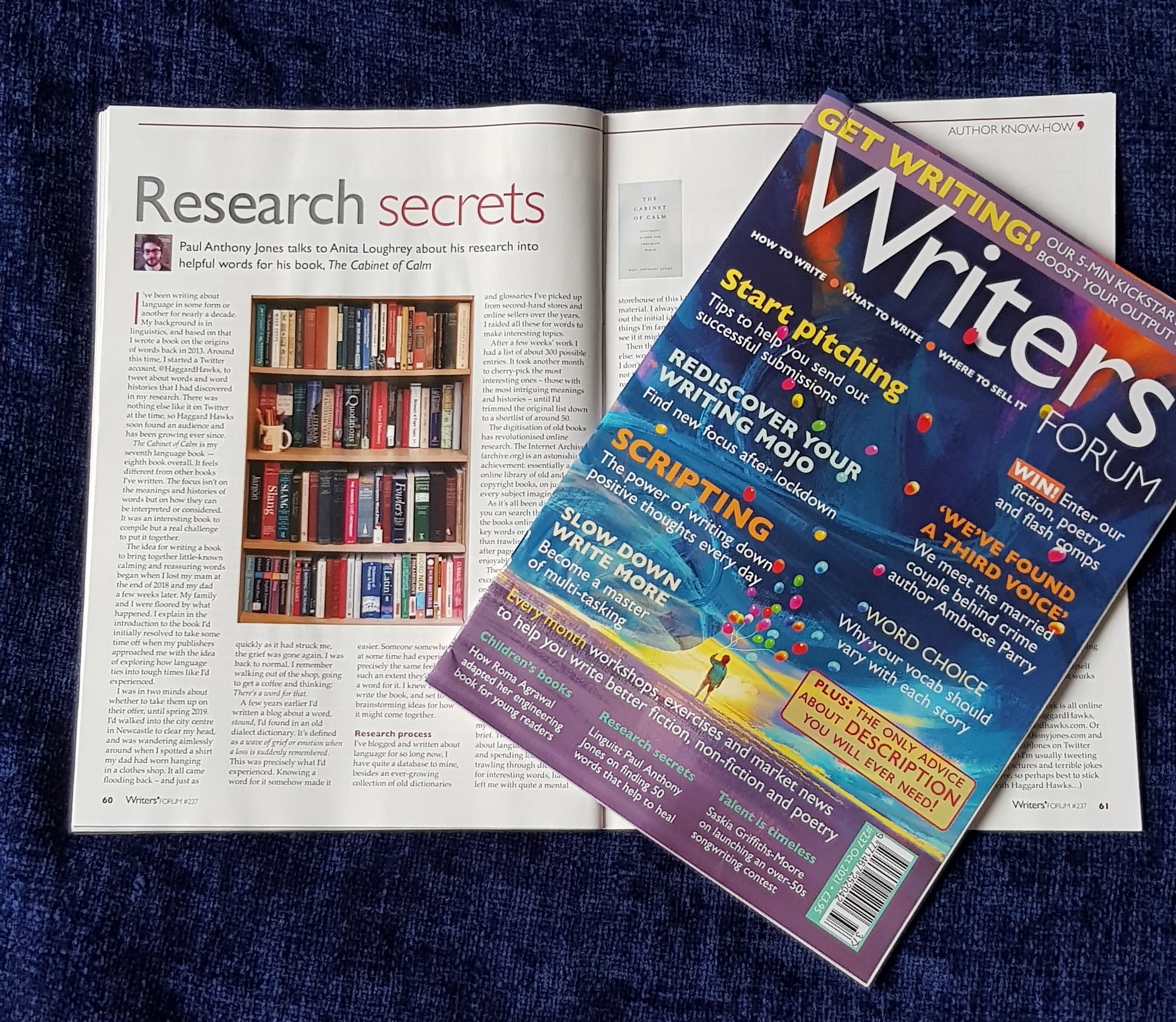
Paul has been writing about language in some form or another for nearly a decade. His background is in linguistics, and based on that he wrote a book on the origins of words back in 2013. Around this time, he started a Twitter account, @HaggardHawks, to tweet about words and word histories that he had discovered in his research.

The Cabinet of Calm is his seventh language book – eighth book overall. He told me it feels different from other books he has written. The focus isn’t on the meanings and histories of words, but on how they can be interpreted or considered. Paul confessed it was an interesting book to compile but a real challenge to put it together.

“The idea for writing a book to bring together little-known calming and reassuring words began when I sadly, lost my mam at the end of 2018 and my dad a few weeks later at the start of 2019. I and my family were floored by what happened. I explain in the introduction to the book I’d initially resolved to take some time off when my publishers approached me with the idea of The Cabinet of Calm, exploring how language ties into tough times like I’d experienced.”

Paul Anthony Jones

Paul revealed he was in two minds about whether to take them up on their offer, until spring 2019 when he walked into the city centre in Newcastle to clear his head, and was wandering aimlessly around the shops when he spotted a shirt his dad had worn hanging in a clothes shop.

“It all came flooding back—and just as quickly as it had struck me the grief was gone again – I was back to normal. I remember walking out of the shop, going to get a coffee and thinking there’s a word for that.”

Paul Anthony Jones

A few years earlier he had written a blog about a word, stound, he had found in an old dialect dictionary. It’s defined as a wave of grief or emotion when a loss is suddenly remembered. He explained this was precisely what he’d experienced and knowing a word for it somehow made it easier because it meant that someone somewhere at some time had experienced precisely the same feeling, to such an extent they’d coined a word for it. It was at this moment he knew he had to write the book, and set to work brainstorming ideas for how it might come together.

Paul has blogged and written about language for so long now, he has accumulated quite a database to mine—besides an ever-growing collection of old dictionaries and glossaries he has picked up from second-hand stores and online sellers over the years.

One of Paul Anthony Jones’ bookshelves

He explained he raided all these for words to make interesting topics. After a few weeks’ work he had a list of about 300 possible entries. It took another month to cherry-pick the most interesting ones – those with the most intriguing meanings and histories – until he had trimmed the original list down to a shortlist of around fifty.

He divulged whenever he starts work on a new book, there’s three ways it comes together. First, something he already knows gives him the gem of the idea – in this instance the word stound. Secondly, there’s all the other words and etymologies he is already familiar with through his work to fit the same brief. Then there’s everything else: words and etymologies he does not already know, found from researching the new idea. Paul told me this is the best part and makes up the vast majority of material in the final draft. The initial idea forms the foundations, his research builds the rest of the book.

“In The Cabinet of Calm, the first chapter I wrote was actually for a word I found while searching specifically for topics to do with feeling overworked or overwhelmed: cultellation. I’d never spotted this word before; derived from an old surveyor’s tool, it describes the process of cutting a larger task into smaller more manageable jobs. It was the right mix of a brilliant-sounding obscure word, a perfectly appropriate meaning for what I was compiling, and a fascinating and very unexpected etymology.”

Paul Anthony Jones

Paul’s tip to anyone interested in writing about language or words is to track down reliable sources. It makes for much more rewarding research and raises the reliability not only of your work but of this genre of book as a whole. This makes the finished work more robust. You’ll know yourself what constitutes a reliable research source – even then, try to back everything up.

Paul explained The Cabinet of Calm went through quite a difficult draft period, with both himself and his publisher approaching the idea from two different angles. Initially, he wanted to bring together lots of much shorter dictionary-like entries, and divide the book in two halves—the first listing words for worldly problems, and the second for calming, reassuring words to act as their solution. His publisher had a different idea, and pushed him towards writing fewer chapters of more detail and content. It took quite a few attempts to get it right and Paul is happy how the final format works well.
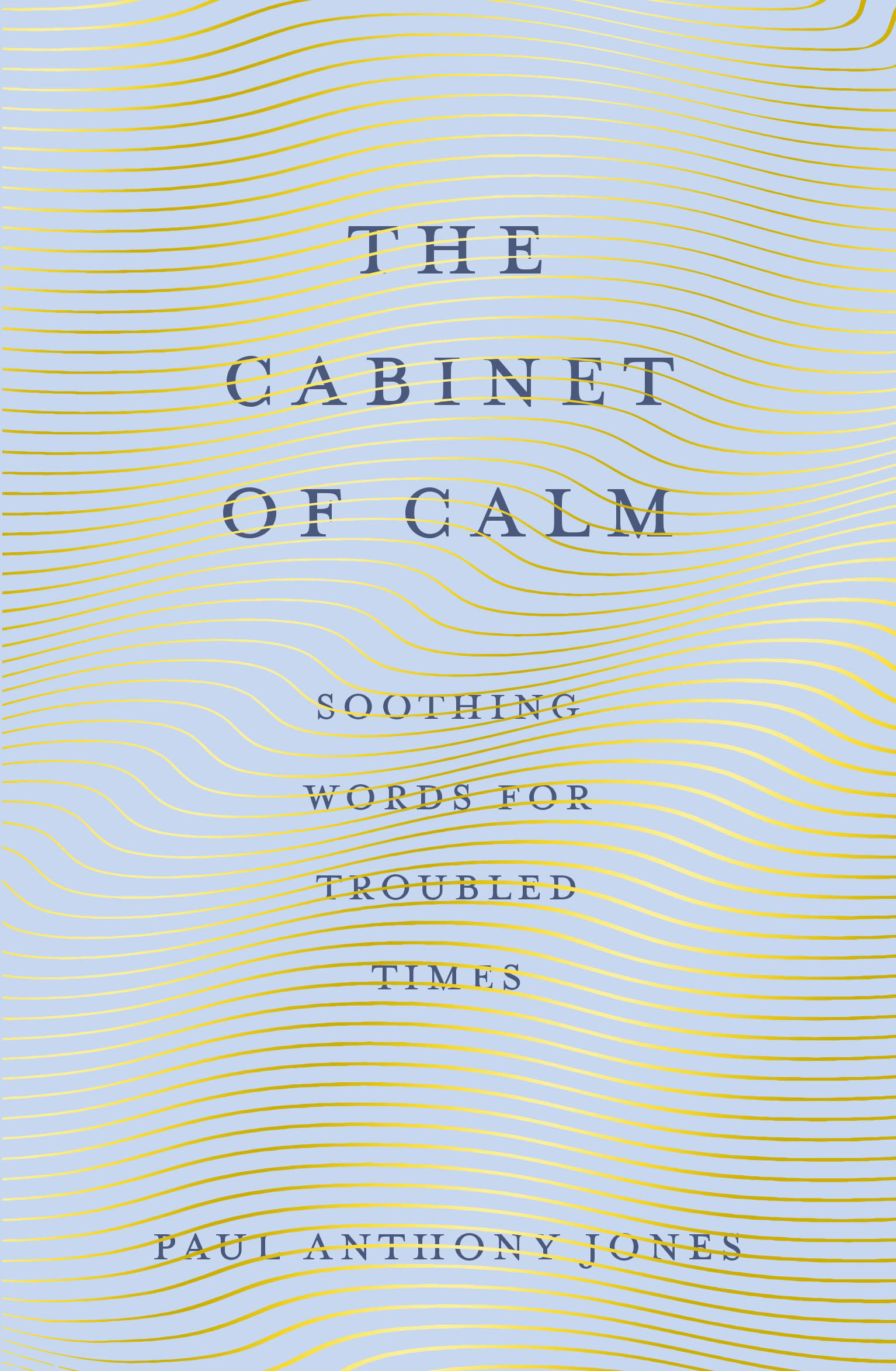
The Cabinet of Calm: Soothing Words for Troubled Times
by Paul Anthony Jones

He advocates, no matter how you find yourself researching, that’s the best way for you. Many writers – especially when they’re first starting out, are overly self-critical, and feel they are not taking their writing or research seriously if they don’t fit the romanticized idea all writers are forever carrying a notepad, jotting down ideas in coffee shops, and pouring over piles of books in libraries. If this is how you work, great! But if it isn’t, it’s fine too.

“Work out what works best for you, and stick with it. By all means take ideas or inspiration from other people, but don’t compare yourself unnecessarily to them. We all have our own ways of doing things, and your writing will be happier and more fruitful if you allow yourself time to figure out what works best for you.”

Paul Anthony Jones

To find out more about Paul Anthony Jones you can follow his personal account on Twitter @PaulAnthJones and his professional account @HaggardHawks. You can also check out his websites: www.haggardhawks.com and www.paulanthonyjones.com.

To read the complete feature you can purchase a copy of #237 Oct 2021 Writers’ Forum by ordering online from Select Magazines.

To read my future Research Secrets or Writing 4 Children interviews you can invest in a subscription from the Writers’ Forum website, or download Writers’ Forum to your iOS or Android device.

Book Review: Indigo Wilde and the Creatures at Jellybean Crescent

Title: Indigo Wilde and the Creatures at Jellybean Crescent

Written and Illustrated by: Pippa Curnick

Published by: Hachette Children’s Books

Indigo Wilde and the Creatures at Jellybean Crescent by Pippa Curnick

Indigo Wilde and the Creatures at Jellybean Crescent is the first of a new series from author/illustrator Pippa Curnick, aimed at the 7+ age range. The humour is similar to David Walliams books.

This ingenious story is about Indigo and her little brother, Quigley, who is deaf. Their parents are famous exploders who go on a lot of expeditions to the known and unknown lands leaving them home alone. They post Indigo a unique assortment of orphans and misfits, such as the yeti twins, pink Ollie and blue Umpf, whose luminous coloured fur make them highly conspicuous in the snow and the ferocious looking but kind-hearted Queenie, the sharp-clawed goblin. They all live in a massive house that is different to any of the other houses on Jellybean Crescent but none of the neighbours seem to notice. That is none but Madam Grey and her pet dog Pebbles who lives opposite.

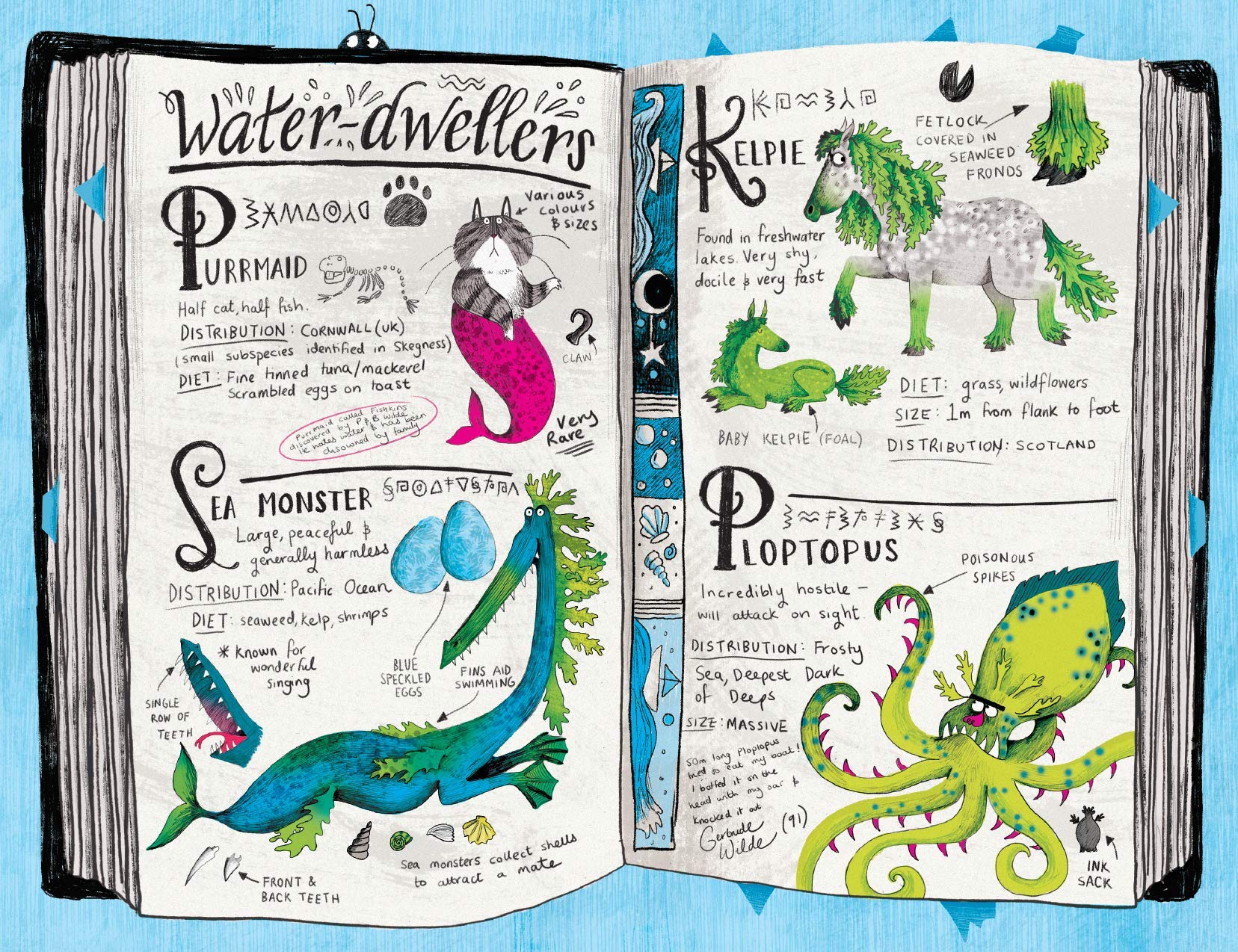
Forty-seven Jellybean Crescent is a sanctuary where the Monster Mail deliveries can belong without being bullied or afraid. They are all listed in The Abracadarium, an incredibly imaginative compendium of sketches with How To Train your Dragon style notations of Indigo’s observations on the magical creatures she has encountered.

The book opens with a newspaper style article of when the Wildes found Indigo. We then meet Indigo at the age of about ten when she receives some new Monster Mail that sends the comparatively peaceful household into chaos. All the inhabitants have to pull together to solve the problem of the missing creature and the complaints from the nosy neighbour.

Indigo Wilde and the Creatures at Jellybean Crescent is jam packed full of beautiful illustrations guaranteed to capture even the most reluctant readers attention and bring Pippa’s characters to life. There are some amazing double-page spreads for young readers to explore. This book would be ideal for all primary school book corners.

This book was originally reviewed for Armadillo Magazine

Book Review: Secrets of an Undercover Activist

Title: Secrets of an Undercover Activist

Written by: Nat Amoore

Cover illustrated by: James Lancett

Published by: Rock the Boat

Secrets of an Undercover Activist by Nat Amoore

Secrets of an Undercover Activist by Nat Amoore is a great book to read aloud to an upper junior class. Nat’s energy definitely makes it such a fun read. Set in Australia the issues and the children’s reactions are easily relatable to children in the UK and the rest of the world. Nat Amoore has created three distinct voices worth listening to. Each character has well-developed motives and intentions. A very real and thoughtful novel with many underlying important themes:

“…how far is too far, grief, loss, family relationships, friendship and community, finding your tribe, disability representation, self-reliance, making yourself heard, standing up for what you believe in and the grey area between right and wrong.

Nat Amoore quote taken from my interview with Nat for her blog tour on 15th July 2021.

You can read the full interview here: Blog Tour – Secrets of an Undercover Activist by

Our main character, Casey Wu, tries to stay out of the spotlight, which is why no one would suspect her of being the mastermind behind a string of attention-grabbing pranks at her school. Together with best friends Zeke and Cookie, she is part of Green Peas – a secret activist organisation, designed to make adults sit up and pay attention to important environmental issues. But when these three Year Six activists get wind of a major cover up in their town, things really start to get serious and so they stage their biggest prank yet.

Secrets of an Undercover Activist is an inspiring story, encouraging reader’s to stand up and do something positive to help the environment we live in and to ultimately help our planet. I love the way the dialogue flows so easily and the children voice their feelings freely about losing their local park. Casey Wu is truly an enigmatic character whose motives are direct from the heart to make the world a better place.

The Green Peas Manifesto is pure genius. I particularly like Rule 14:

Always listen to others. No idea is too crazy.

But my favourite rule must be Rule 25:

Always try to be a better person. But in the end, be the best you can.

This is a message we should all strive towards. This middle grade novel would be a brilliant starting point in a Year Five and/or Year Six class on things they can do to make a difference, no matter how small and also for discussing when a prank is no longer funny, viewing things from different character’s points of view – even Fiona Gill, the corrupt Mayor’s viewpoint. I really did laugh out loud at some of the Green Peas’ pranks. it reminded me of the humour in Gerald Durrell’s My Family and Other Animals.

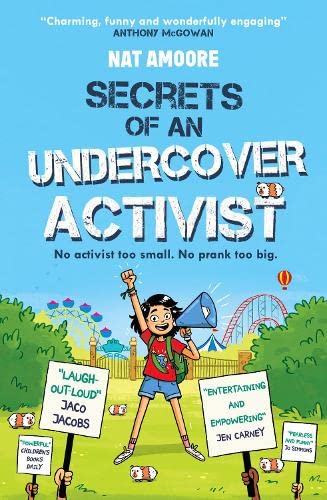
It is not surprising Secrets of an Undercover Activist was the winner of the Environment Award for Children’s Literature in Australia and has been shortlisted for the Readings Children’s Book Prize 2021 as well as being shortlisted for the Young Australians Best Book Awards for Older Readers. It is good to let children know that they can make a difference. I would recommend this book to children aged 8+. A brilliant, fast-paced adventure that will have you laughing in your seats. The bright and alluring cover by James Lancett make it an easy book to pick up but the plot and characters make this an extremely hard book to put down.

********

I would like to thank Anne Cater from Random Things Through My Letterbox for organising not only the blog tour but also a review copy of the book. Thank you.

You can find out more about Nat Amoore on her website: https://www.natamoore.com/ and follow her on Twitter @nat_amoore on Instagram @nat_amoore and on Facebook @NatAmooreWriter. Check out her podcasts on YouTube at: Nat Amoore.  

You can buy copies of Secrets of an Undercover Activist by Nat Amoore from your local independent bookshop, or online at uk.bookshop.org, an organisation with a mission to financially support local, independent bookshops.

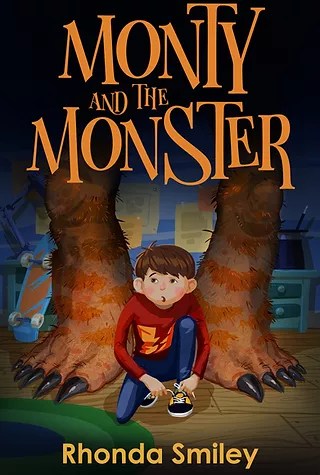
Book Review: Monty and the Monster

Title: Monty and the Monster

Written by: Rhonda Smiley

Chapter Illustrations by: Kev Hopgood

Cover Design by: www.ebooklaunch.com

Monty and the Monster by Rhonda Smiley

Monty and the Monster is an exciting middle-grade adventure story full of twists and turns. The characters have been well fleshed out with their own quirks and foibles. The main character, Montague Hyde, lacks confidence and sees everyone as better than himself, especially his ‘perfect’ older brother, Kyle. He is fed up with moving house, as the gated university community he has just arrived at is the fourth move in two years. Each time Monty finds it difficult to make friends and attracts bullies like a magnet.

Things look bleak for Monty that is until he finds a trapdoor in his new attic bedroom. He climbs down the rope ladder and follows a series of tunnels to an underground chamber where he discovers a leather notebook full of experiments and a load of old crates packed with strange chemicals and potions. He follows the instructions to create himself a friend.

After a few false starts, Monty achieves his goal but it is not quite the friend he was expecting as he is eight-feet tall, covered in hair with razor-sharp teeth, long claws and really long eye-lashes. Monty calls his new friend Houdini because of the mysterious way he keeps escaping. When some of the local children start to go missing Monty is worried Houdini might be eating them. Even so, Monty refuses to get rid of his best friend.

A story of friendship and learning to trust your own instincts. This book is a fun read with a subtle gothic-horror feel, suitable for the 9+ age range. The settings are very vivid, especially the skatepark and Monty’s attic bedroom. There are some real laugh out loud moments. I particularly liked the final twist at the end which opens the book up for a sequel.

I also really like the addition of Kev Hopgood’s illustrations at the top of each chapter which show some wonderful facial expressions for Houdini. They add an extra dimension to the book.

********

You can find out more about Rhonda Smiley and her books on her website: www.rhondasmiley.com and follow her on Twitter @RhondaJSmiley.

You can buy a copy of Monty and the Monster by Rhonda Smiley from Kobo UK and Amazon UK here in the UK and in the US you can get your copy from: Amazon US, Barnes & Noble and Kobo US.

I have previously interviewed Rhonda Smiley for her Monty and the Monster blog tour. You can read the interview here: Blog Tour – Monty and the Monster by Rhonda Smiley

I would like to thank Anne Cater from Random Things Through My Letterbox for arranging for me to receive a review copy of Monty and the Monster.

An Interview with… Rachel Ip

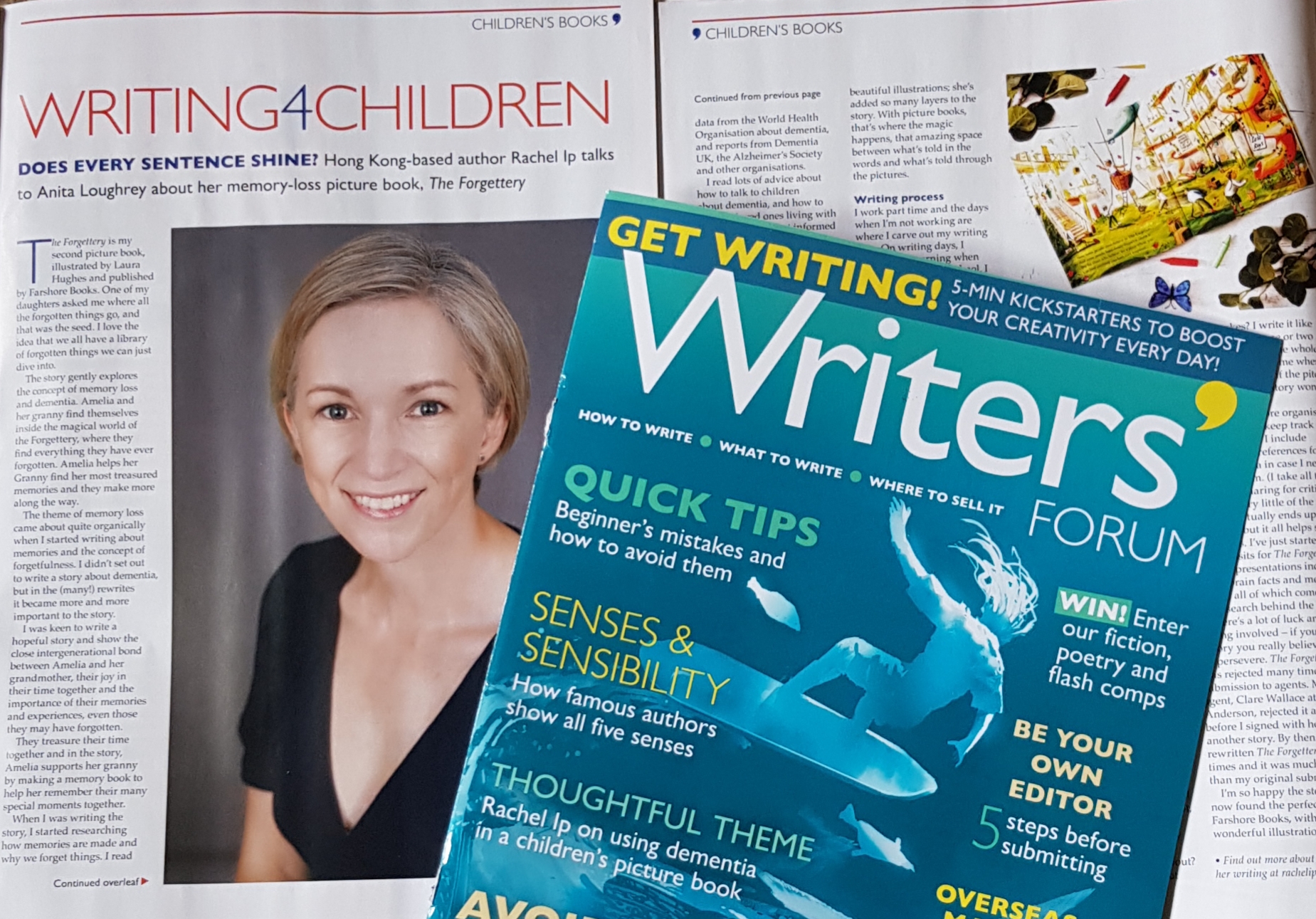
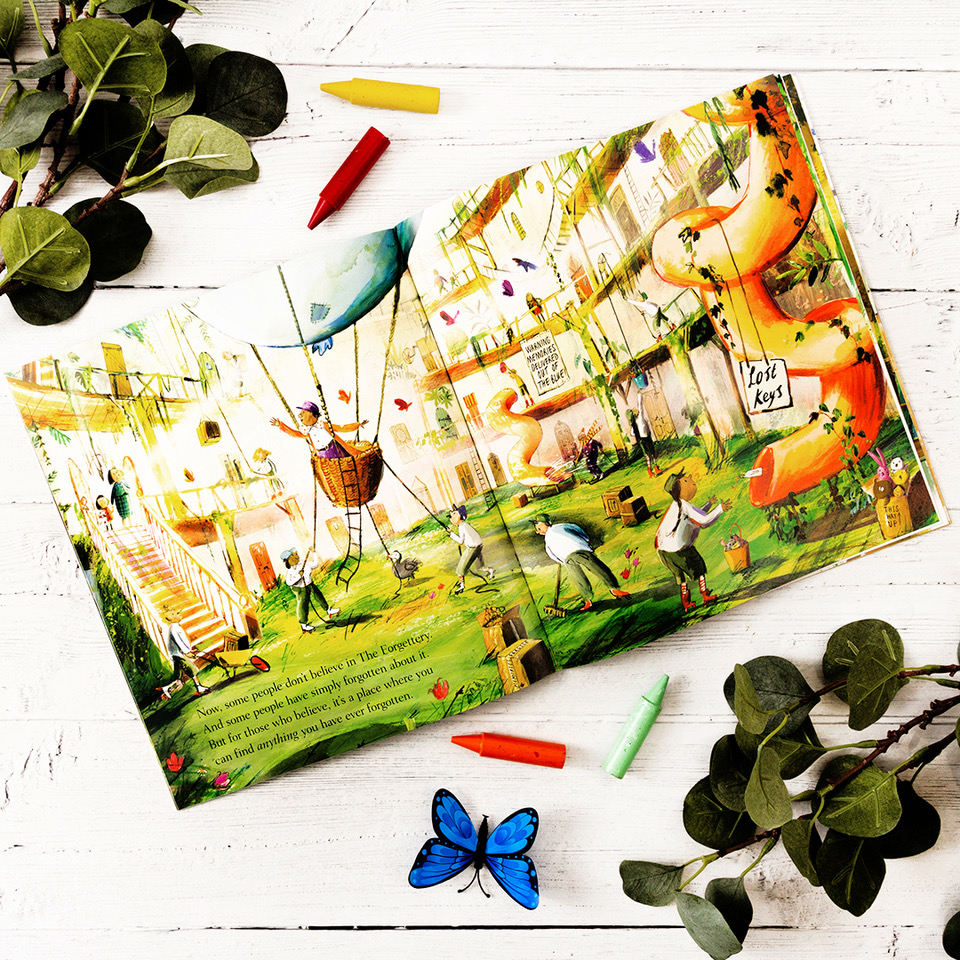
My blog today is a summary of my interview with picture book writer, Rachel Ip, which appeared in Writers’ Forum last year, in the #235 Aug 2021 issue. She talked to me about her picture book, The Forgettery, which has a theme of memory loss. The Forgettery is illustrated by Laura Hughes and published by Farshore Books.

Rachel revealed the inspiration for The Forgettery came from one of her daughters who asked where all the forgotten things go. Rachel loved the idea that we all have a library of forgotten things we can just dive into and explore.

The story gently explores the concept of memory loss and dementia. Amelia and her Granny find themselves inside the magical world of The Forgettery, where they find everything they have ever forgotten. Amelia helps her Granny find her most treasured memories and they make more along the way.

She told me the theme of memory loss came about quite organically when she started writing about memories and the concept of forgetfulness. She explained she didn’t set out to write a story about dementia, but in the (many!) re-writes it became more and more important to the story. 

“I was keen to write a hopeful story and show the close intergenerational bond between Amelia and her Granny, their joy in their time together and the importance of their memories and experiences, even those they may have forgotten.”

Rachel Ip

When Rachel was writing the story, she started researching how memories are made and why we forget things. She gathered together lots of advice and recommendations about how to talk to children about dementia, and how to support loved ones living with dementia from places like the World Health Organisation, and reports from Dementia UK, the Alzheimer’s Society and other organisations. Rachel told me all this research shaped the story – particularly the ending, where Amelia makes the memory book to help Granny remember their many special moments together. The book also includes lots of sensory details as Granny remembers the smell of fresh bread and the crackle of autumn leaves underfoot.

“It was important for me to use the right language to talk about people living with dementia, and those who support them. Although dementia isn’t explicitly mentioned in the story, that became important in the way the book was described in the various marketing materials (catalogues, online and back cover copy).”

Rachel Ip

Rachel explained she wanted to capture some of these light-hearted moments inside The Forgettery, as well as explore the deeper theme of memory loss. She advocates there’s something very relatable about forgetfulness. Children are forgetful. They’re busy living life in the moment. Adults are also forgetful. We forget our keys and our glasses. We’ve all felt that rush of nostalgia when a song on the radio takes us back 10 years, 20 years in a matter of moments.

With regards to her writing process, Rachel said if she is working on a particular story, she always read the latest draft aloud and see how it feels before starting to edit.

“I write in long-hand in my notebook until the story starts to take shape, then I create a dummy or page plan to see how the pacing and page turns feel. Only then do I write it up in Word to share with my critique group. Everything goes through critique at least once, often more, before I share it with my agent.”

Rachel Ip

She revealed she has a running list of story ideas in the back of her notebook. It might be a phrase or a question, possible titles, or themes she wants to explore. Gradually these come together and form a story idea. I was surprised to discover she had The Forgettery title long before she found the essence of the story.

For picture books, making a dummy or page-plan really helps her to see whether the pacing is working, and whether each page turn is exciting for the reader. You can download an editable page plan for a 32 page picture book from Rachel’s website here: www.rachelip.com/forwriters.

“The picture book plan helps me to see whether each spread feels sufficiently different for the illustrator to illustrate. With picture books, although I’m not an illustrator, I try to think visually when I write and I always edit to take out anything from the words that could be shown in the illustrations. I add illustration notes as I write, but then I try to remove them all before sharing with my agent (unless the story wouldn’t make sense without them).”

Rachel Ip

She explained, The Forgettery was originally rhyming, and she shared it with course tutors, Joyce Dunbar and Petr Horácek, on a picture book course at the Arvon Foundation. Joyce told her to “rewrite it in crystal clear prose.” This struck a chord with Rachel.

Rachel said there’s a lot of luck and timing involved in being published but if you have a story you really believe in, persevere. She explained that The Forgettery was rejected many times on submission to agents. Her agent, Clare Wallace at Darley Anderson, rejected it a year before she signed with her for another story. By then she had taken Joyce’s advice and rewritten The Forgettery many times and it was much stronger than her original submission. Perseverance is key.

I have previously reviewed another lovely picture book book written by Rachel, The Last Garden by Rachel Ip and Anneli Bray on my blog. You can read the review here: Book Review: The Last Garden.

You can find out more about Rachel Ip and her writing at www.rachelip.com and follow her on Twitter @RachelCIp and on Instagram @RachelCIp.

To read the complete feature you can purchase a copy of #232 May 2021 Writers’ Forum by ordering online from Select Magazines.

To read my future Writing 4 Children or Research Secrets interviews you can invest in a subscription from the Writers’ Forum website, or download Writers’ Forum to your iOS or Android device.
Book Review: Libby and the Parisian Puzzle

Title: Libby and the Parisian Puzzle

Written by: Jo Clarke

Illustrated by: Becka Moor

Published by: Firefly Press

Libby and the Parisian Puzzle

I really enjoyed this book and was hooked by the first page. It is such a great concept. Libby and the Parisian Puzzle is the story of a young girl who is being sent to join the Mousedale Travelling School, run by her Aunt Agatha. The school is going to be in Paris that term and Libby’s mum waves goodbye to her from the platform of the Eurostar in London. Libby is conflicted as she is excited to be going to a new school but upset she can’t travel to Ecuador with her photographer mother as she normally would.

Libby is a brilliant character that jumps off the page. Her love of mysteries, impulsiveness, love of photography like her mum and determination to get to the truth no matter what, are ideal traits for this young amateur detective. The concept of a travelling school is ingenious allowing for a different setting each book. A fantastic set-up for this unique new series. At Libby’s new school she meets Connie who is also new and they soon become best friends. The story reminded me of a modern version of the Enid Blyton Malory Towers series, which I loved as a child. They go and visit all the main attractions in Paris and during their visits her Aunt is accused of stealing a distinctive jewelled brooch. Libbie and Connie embark on a quest to prove her innocence.

Jo Clarke has set the age range flawlessly for the lower middle grade reader (age 7 – 9 years). This book had plenty of intrigue and the exact amount of red herrings to keep the young readers turning the pages. Jo shows skill in creating well-developed, believable characters with their own distinguishing features so she just has to mention the white and black zebra patterned coat, or the man with the bow tie and we know instantly who she is talking about.

Jo’s vivid descriptions of Paris brought back memories of my own visits to the Eifel Tower, Montmartre and The Louvre. I particularly liked Libby’s reaction to the Mona Lisa, which resembled my own when I first saw it. She includes lots of food and drink that evokes all the senses. My hankering for macaroons and intake of drinking hot chocolate certainly increased during reading this book. Thank goodness for Options! Her descriptions were complimented perfectly by Becka Moor’s illustrations, from Connie’s long flowing red hair to Libby and Connie’s shared bedroom in the school. The detail in each illustration was superb.

I would recommend this book to all young mystery lovers. Jo includes several mysteries to solve as well as the case of the missing brooch. The build-up of how they prove her Aunt’s innocence and expose the guilty party is cleverly and sensitively plotted, avoiding the children doing anything untoward that would make them just as guilty. This is especially true when you consider how two young children are unlikely to be believed over the word of the adults without suitable evidence to back-up their accusations. The final conclusion was realistic, convincing and a delightful climax to this outstanding debut novel. I also enjoyed the sneak peek chapter for the next book in the series, Libby and the Highland Heist.

This book would be ideal for both shared and independent reading in the classroom and would be a brilliant addition to the class bookshelf and all primary school libraries.

This book was originally reviewed for Armadillo Magazine

An Interview with… Rebecca Smith

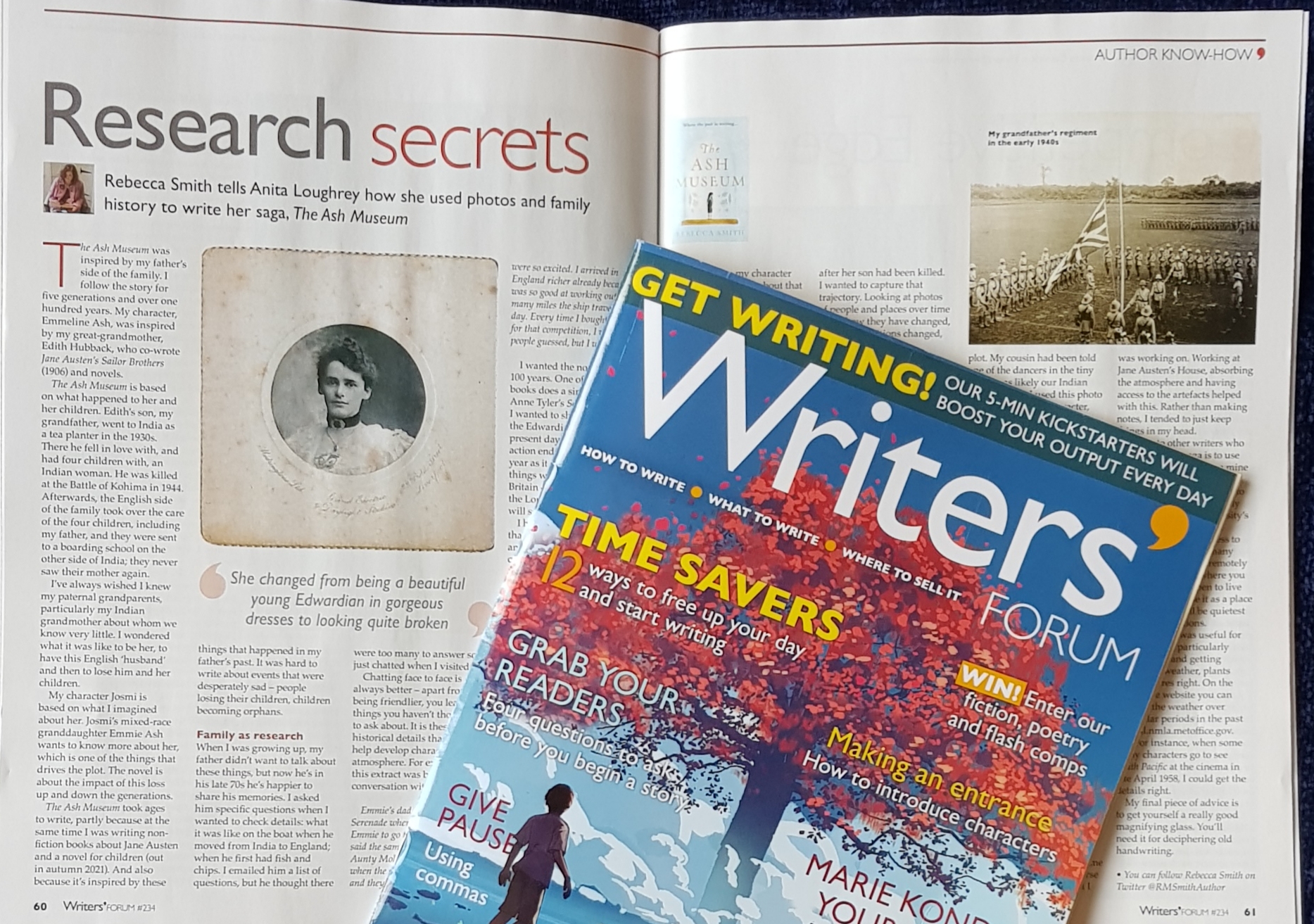
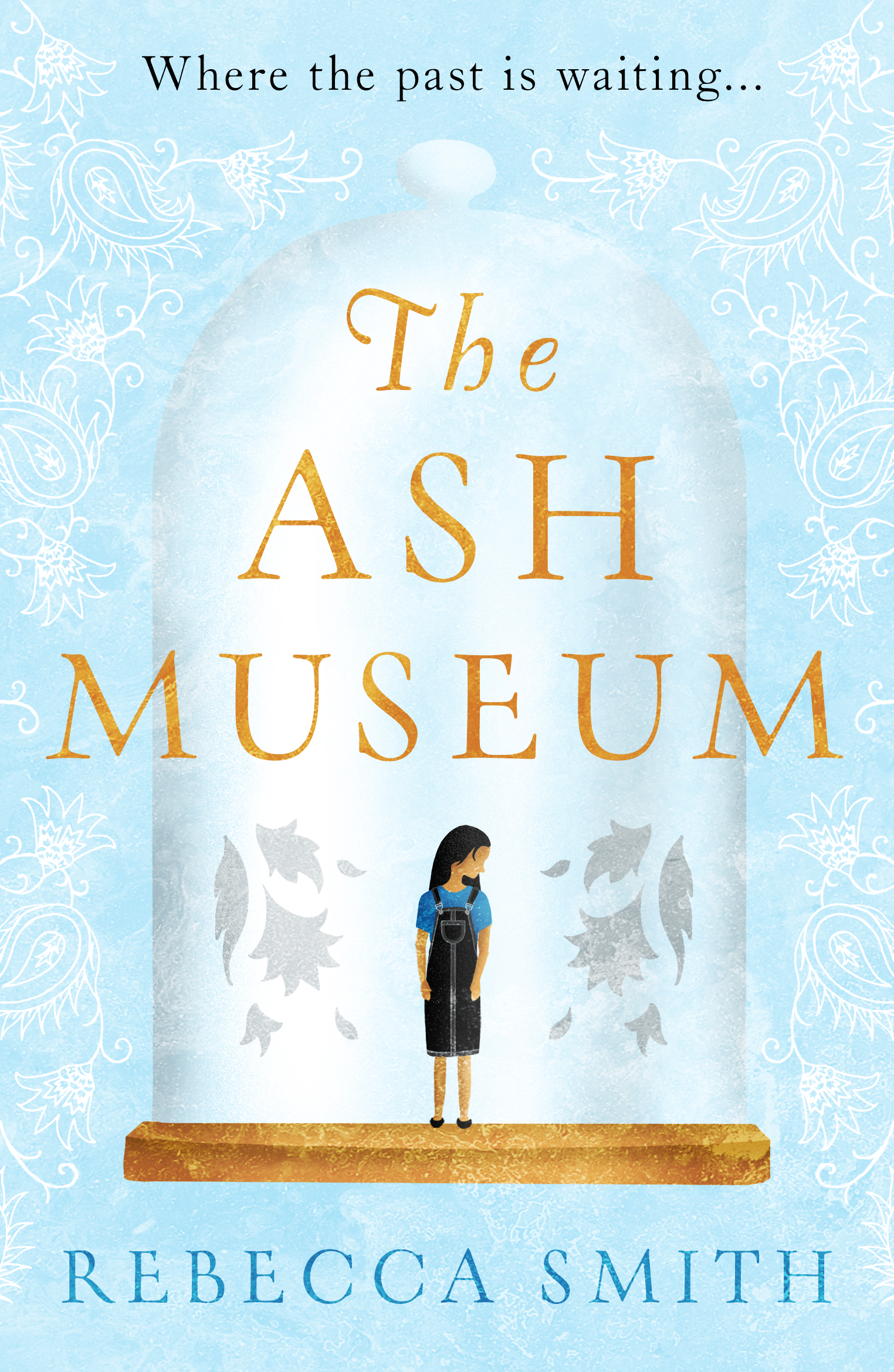
In another author interview flashback, I recount when Rebecca Smith told me she used photos and family history to write her saga, The Ash Museum, published by Legend Press. The interview appeared in my ‘Research Secrets slot of Writers’ Forum issue #234 Jul 2021.

The Ash Museum, is an intergenerational story of loss, migration and Rebecca’s search for somewhere to feel at home, inspired by people on her father’s side of the family and what happened to them. She follows their story for five generations and over one hundred years. The character, Emmeline Ash, was inspired by Rebecca’s great grandmother, Edith Hubback, who co-wrote Jane Austen’s Sailor Brothers in 1906.

The Ash Museum is based on what happened to Edith Hubback and her children. Edith’s son, Rebecca’s grandfather, went to India as a tea planter in the 1930s. There he fell in love with and had four children with her grandmother who was Indian. Her grandfather was killed at The Battle of Kohima in 1944. After this happened, the English side of the family took over the care of the four children (including Rebecca’s father) and they were sent to a boarding school on the other side of India; they never saw their mother again.

“I have always wished I knew my paternal grandparents and great grandparents and particularly wanted to know more about my Indian grandmother, about whom we know very little. I wondered what it was like to be her, to have this English “husband” and then to lose him and her children.”

Rebecca Smith

Rebecca’s character, Josmi, is based on what she imagined her grandmother to be like and is at the heart of her novel. In The Ash Museum, Emmie Ash (Josmi’s mixed-race granddaughter) wants to know more about Josmi, and this is one of the things that drives the plot. The novel is about the impact of this loss up and down the generations.

The Ash Museum by Rebecca Smith

As part of her research Rebecca has collected hundreds of books that belonged to previous generations and she explained these were useful in creating characters and historical changes over the generations.

“We can tell so much by what people like to read. I have maps, books about rock climbing with my grandfather’s annotations, an atlas from the 1920s, and poetry, history, philosophy and most importantly, novels. There is a wealth of information to tap into.”

Rebecca Smith

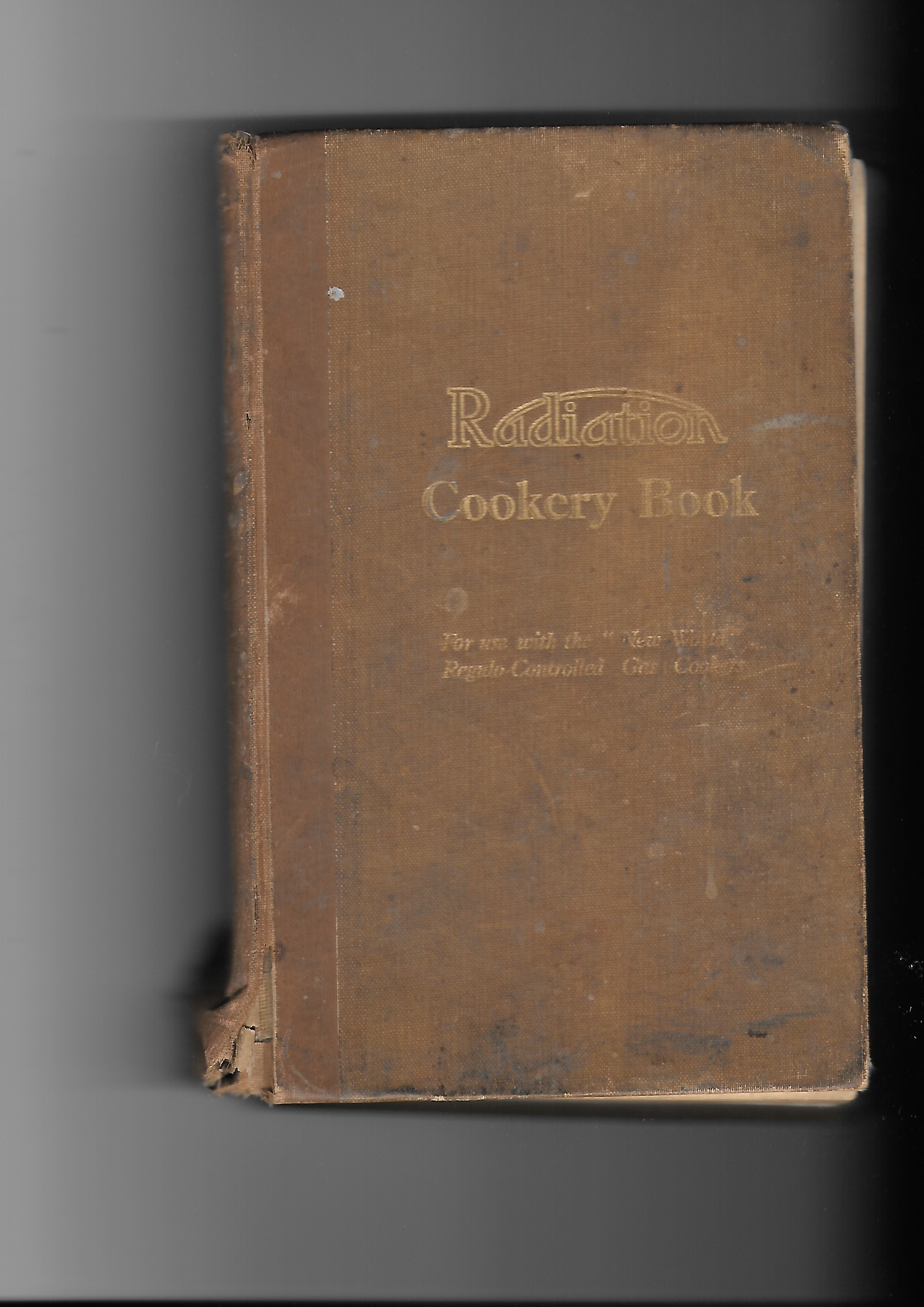
When it came to adding historical details to family meals, she used the only cookery book one of her great aunts had –Radiation Cookery Book: A Selection of Proved Recipes for Use with ‘New World’ ‘Regulo’- Controlled Gas Cookers (19th Edition, 1936). REbecca reckoned it must have come free with her stove. She recognised some of the things she used to cook when she visited and Rebecca tried cooking those and other things herself to get an understanding of the process and how they felt.

The cookery book that belonged to Rebecca’s great aunt

Inspired by her family’s history, she was planning to write lots about The Battle of Kohima where her character, James dies, so she read lots about it and watched documentaries, but in the end Rebecca decided to do things more from his ‘wife’ Josmi’s point of view and ended up with just one very short battle scene. She told me that a lot of her notes and links to articles and images were stored on her phone.

Rebecca explained when she started writing a cousin gave her boxes of family papers. The photos, particularly of when her great grandparents were in Canada, and when her grandfather was in India, were extremely useful. She also found her great grandmother’s diaries kept when her children were small invaluable because her grandmother, Edith Hubback, had recorded things that so many mothers do – funny things her children said and the dates of their first steps and other milestones.

“It was so moving reading these observations 100 years on and knowing what had happened to her children when they grew up.”

Rebecca Smith

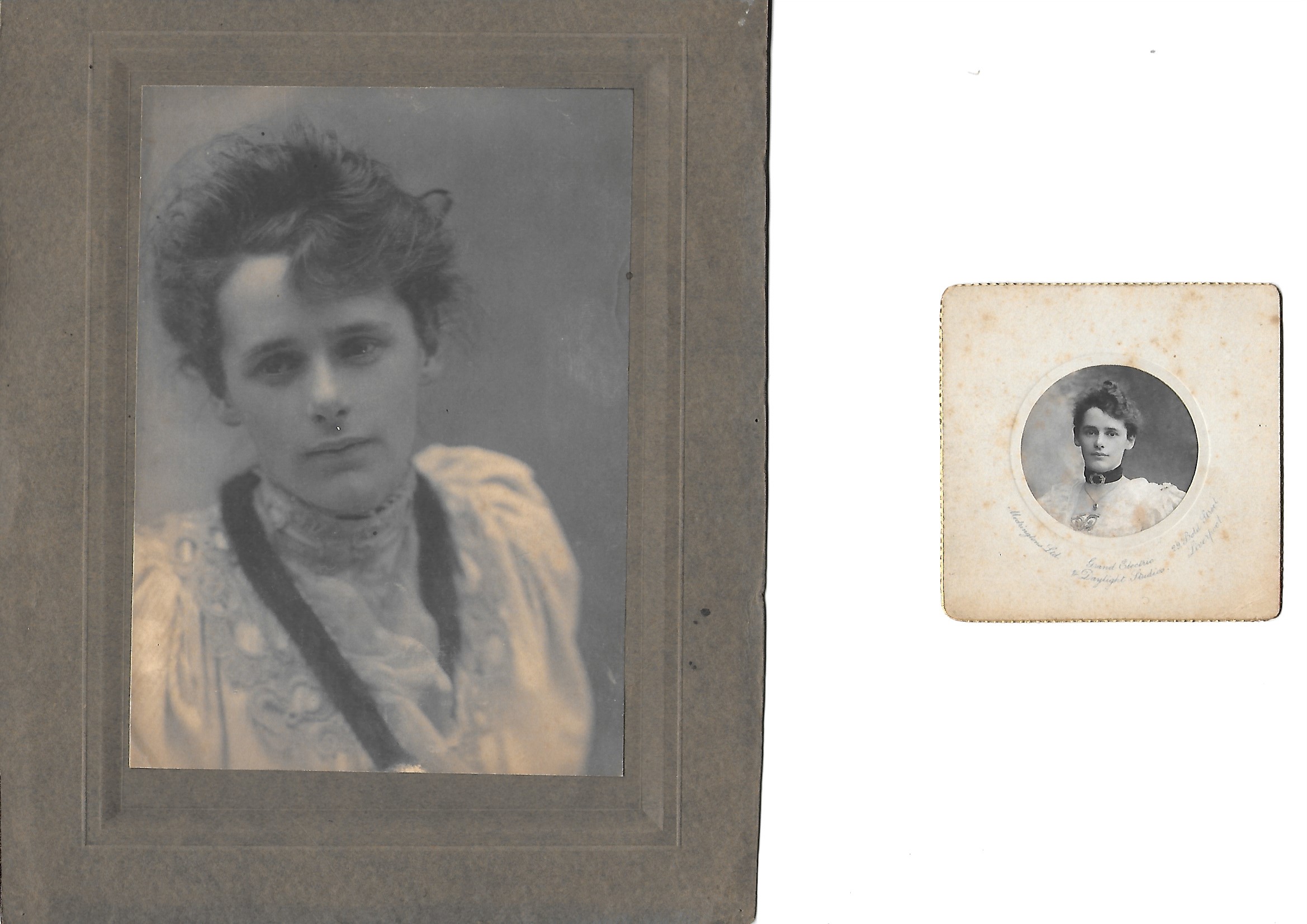
She elaborated that the photos showed how Edith had changed from being a beautiful young Edwardian in gorgeous dresses to looking quite broken in the 1940s after her son, my grandfather, had been killed. Rebecca wanted to capture that trajectory. Looking at photos of people and places over time to see how they have changed and traditions changed helped her to do this.

Edith Brown nee Hubback c.1907

Another great research resource was when she was the writer in residence at Jane Austen’s House. She saw the way the curator (then Louise West) used objects to tell the story of Jane Austen and how much can be conveyed and evoked in an economical way and the importance of the visual in storytelling.

Rebecca told me as people walk around the museum, they learn Jane Austen’s story by looking at small things – a needle case made for a niece, Cassandra’s teapot, the quilt made by the Austen women, and of course the books and letters. this observation made her realise by using objects she could have strong threads in the novel without having to ‘tell everything’ that happened.

“I ended up using objects to structure the novel too – it is in the form of a visit to a museum. I plan around scenes and key images – that helps make the writing more manageable and the finished work (I hope) pacier and more memorable.”

Rebecca Smith

Her tip to other writers who want to write a saga is to use your libraries. Librarians are a wealth of information and always pleased to help. she urges authors to make the most of their library card as it gives you access to wonderful resources, many of which you can use remotely so it does not matter where you live.

You can follow Rebecca Smith on Twitter @RMSmithAuthor and Instagram @rebeccamarysmith7

To read the complete feature you can purchase a copy of #234 Jul 2021 Writers’ Forum by ordering online from Select Magazines.

To read my future Writing 4 Children or Research Secrets interviews you can invest in a subscription from the Writers’ Forum website, or download Writers’ Forum to your iOS or Android device.

Book Review: Britannica All New Children’s Encyclopedia: What We Know & What We Don’t

Title: Britannica All New Children’s Encyclopedia: What We Know & What We Don’t

Written by: Michael Bright, John Farndon, Dr Jacob F. Field, Abigail Mitchell, Cynthia O’Brien, Jonathan O’Callaghan

Illustrated by: Mark Ruffle and Jack Tite

Edited by: Christopher Lloyd and J.E. Luebering

Published by: Britannica Books

Britannica All New Children’s Encyclopedia: What We Know & What We Don’t

Britannica All New Children’s Encyclopedia: What We Know & What We Don’t is a clear and concise encyclopaedia with a twist. This unique encyclopaedia explains what we already know in the fields of chemistry, physics and biology and what we still need to discover. Rather than listing the entries in alphabetical order it is organised in sequential time order – starting from the beginning of time, to the present day and looking into the future where its highlights some of the most intriguing unexplained puzzles in archaeology, engineering, history and science, whilst still embracing the fundamental truth everything is constantly changing.

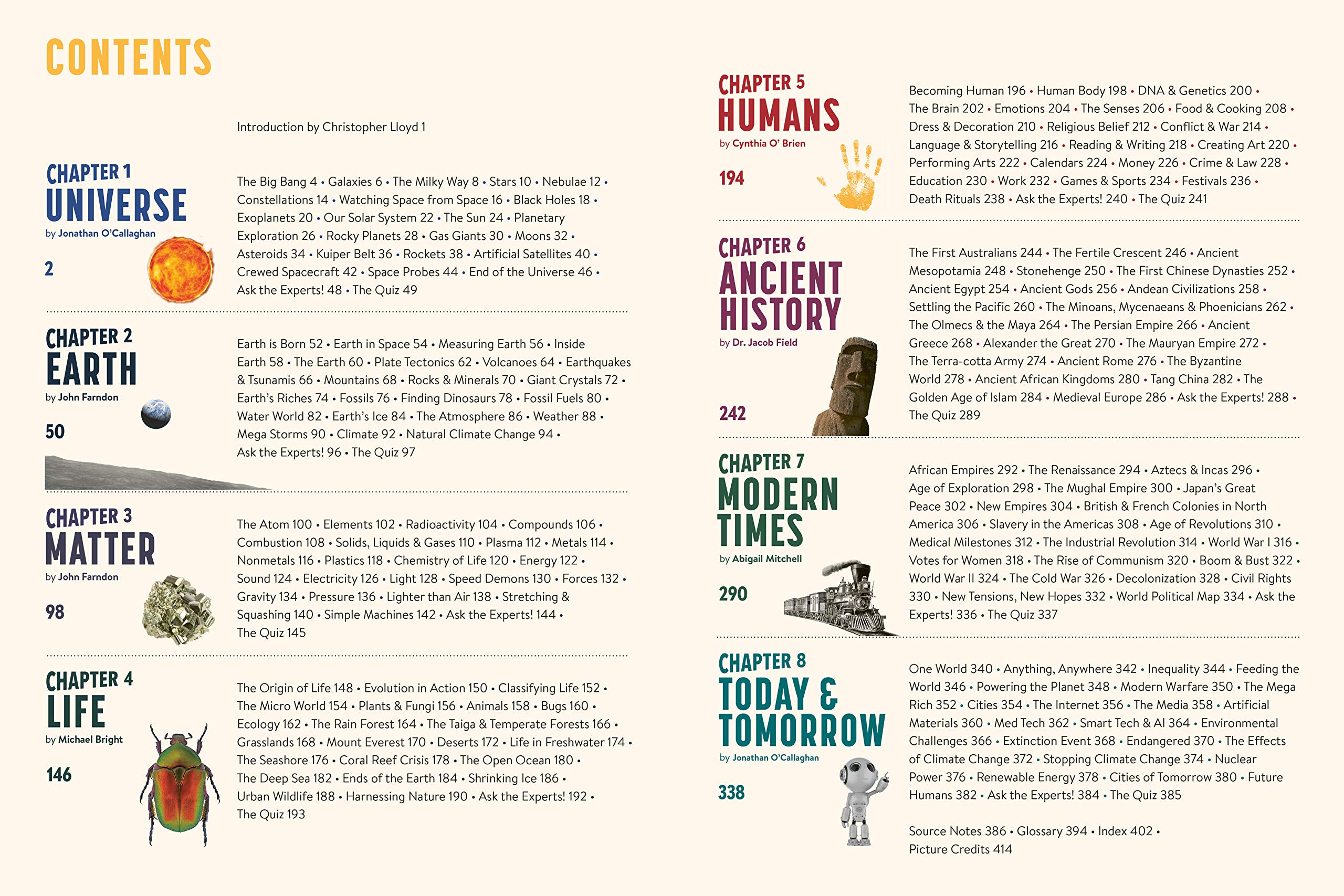
Aimed at Key Stage Two, Britannica All New Children’s Encyclopedia is divided into eight chapters, each one written by a different author and all edited by the renowned writer of the What on Earth wallbooks, Christopher Lloyd. The eight chapters are: Universe, Earth, Matter, Life, Humans, Ancient & Medieval Times, Modern Times, and Today & Tomorrow.

Each subject area is explored using diagrams, illustrations, infographics, maps and photography, as well as text. It is divided into separate coloured blocks so even the most reluctant reader can browse, or dip in and out. All the facts and explanations provide a mammoth amount of information in original and engaging ways, which will interest older children and adults as well as KS2. Perfect for STEM education.

Over 100 experts have been consulted in the compiling of this book. At the bottom of each double-page is a credit to the expert who has checked the information and facts included on that spread. At the end of each chapter is an interview with three different experts, explaining what they love about their job and what they are working to discover at the moment. Together these experts form a directory of innovators who have changed the course of history or science with their actions and discoveries. There is also a multiple-choice quiz at the end of each chapter so readers can test their own comprehension. All the answers can be found somewhere within the chapter but are also listed upside-down at the bottom of the quiz.

Readers of all ages will love discovering the facts, lists and information, which may inspire them to do their own research to uncover some of the remaining mysteries of our planet, the universe and beyond. There is cross-referencing so they can explore the topic further from different perspectives in the other chapters broadening their interest and knowledge. What I particularly like is how it highlights particular areas which need our attention that may be of interest to young conservationists.

This exquisitely presented, 416-page compendium of amazing, mind-boggling facts you can trust, will provide hours of exciting learning for curious readers all over the world. An excellent resource to support any topic in the classroom and could be used for homework and home-schooling. This book would make the ideal gift.

This book was originally reviewed for Armadillo Magazine

An Interview with… Tania Unsworth

This week’s author interview is a flashback to when I interviewed Tania Unsworth For my Research Secrets slot in Writers’ Forum, issue #233 Jun 2021. Tania talked to me about how in-depth research permeates every aspect of her novel, The Time Traveller and the Tiger, published by Zephyr.

Tania told me that even before she began writing the book, she knew she needed to tell part of the story from the point of view of the tiger. But she didn’t want him to be a creature of whimsy or magic. She wanted him to be real. Or as close to real as she could manage, given the impossibility of knowing exactly what it’s like to be another animal. It was important for her to learn as much as she could about the physical characteristics and behaviour of wild tigers.

To do this she started by revisiting two classic books: My India the memoirs of legendary tiger hunter-turned conservationist Jim Corbett, and Peter Matthiessen’s powerful Tigers in the Snow. Then a quick google search turned up The Tiger by John Vaillant. Tania told me the latter extraordinary, beautifully written book was full of information and imagination-triggering insights. It also had a lengthy bibliography enabling Tania to source less well-known – but vital – texts, such as Richard Perry’s The World of the Tiger and Spell of the Tiger by Sy Montgomery.

The Time Traveller and the Tiger by Tania Unsworth

Tania explained she did far more research for The Time Traveller and the Tiger than ended up in the novel, filling her notebook with pages and pages of unused facts, along with drawings of various jungle creatures, because she approached the research in a broad, almost scattershot way, happy to go down any number of online rabbit holes, or wade through scientific accounts detailing how tigers are able to see in the dark or the life cycle of bamboo trees.

“I wasn’t always sure what I was looking for, but I knew it when I saw it; the spark of something I could use, the sudden reshaping of an idea. Casting a wide net in this way made the research process far more dynamic. It didn’t just provide authenticity for my story, it also helped me discover how to tell that story.”

Tania Unsworth

Along with books, Tania scoured YouTube for clips of tigers roaring, growling and ‘chuffing’, and watched documentaries such as David Attenborough’s Dynasties to get a sense of the physical presence of tigers – the way they move and sound and react to their environment.

Her book is set in the jungles of central India, and initially she thought it would be enough to go through Google Images for pictures of ‘Kipling country’, and do a thorough online search on the flora and fauna of the region to find out what a banyan or a peepal or a sal tree actually looked like. But she soon realized that this wasn’t going to be enough. Tania revealed spending a week in Kanha and Bandhavgarh – two tiger reserves in Madhya Pradesh changed everything.

“Setting is important to me as a writer, particularly in this book, where the beauty and fragility of the natural world is a big part of the story itself. You can’t tell what the jungle smells like (wild basil and warm grass) just from looking at pictures. And no audio recording of birds and animals can compare to standing in the forest and hearing them for yourself. The notes I made during my week in India transformed the second draft of my book and helped to bring my story to life with a hundred details. The way that termite mounds glitter with tiny fragments of mica. The sound of dew dropping from leaf to leaf in the early morning. The shafts of sunlight pouring through the trees like columns in a temple…”

Tania Unsworth

Her trip wasn’t just useful in terms of providing authentic details. It also gave herideas for plot and character development. For example, the villain iis a man called Sowerby who operates out of a remote hunting lodge. She had a lot of fun describing his study – a ghastly collection of knick-knacks and furniture, all made from animal parts. The inspiration for this came from a visit to the Museum of Science in Boston where I’d marvelled at the reconstruction of a gun room belonging to a certain Colonel Colby, crowded with animal skins and trophies.

When Tania googled ‘objects made from animal parts’ she came across hundreds of old photographs of items – from chairs to waste-paper baskets – that had been constructed out of various wild creatures. Discovering this long-ago trend for grisly home décor gave credence to my description of Sowerby’s room.

To find out more about Tania and her novels visit her website: www.taniaunsworth.com and follow her on Twitter: @TaniaUnsworth1.

You can read my review of The Time Traveller and the Tiger on my blog here: Book Review: The Time Traveller and the Tiger.

To read the complete feature you can purchase a copy of #233 Jun 2021 Writers’ Forum by ordering online from Select Magazines.

To read my future Writing 4 Children or Research Secrets interviews you can invest in a subscription from the Writers’ Forum website, or download Writers’ Forum to your iOS or Android device.
Book Review: The Extraordinary Adventures of Alice Tonks

Title: The Extraordinary Adventures of Alice Tonks

Written by: Emily Kenny

Illustrated by: Flavia Sorrentino

Published by: Rock the Boat (Oneworld Publications)

The Extraordinary Adventures of Alice Tonks is one of those rare gems that stands out above many middle grade novels. I was totally hooked by Emily Kenny’s unique concept of a young autistic girl who can talk to and shapeshift into different animals.

The book is set at Pebblewood Boarding School, situated on a cliff-top overlooking the beach and caves. The book opens with Alice finding it difficult to keep calm on the beach during the school’s open day, with the hazards of the gritty sand and slimy seaweed threatening to overcome all her senses. Her panic attack leads her to storm off, leaving her grandmother on the beach. When a seagull tells her he has a job for her, Alice is unsure whether she has sunstroke and is hallucinating.

Alice discovers she must endeavour to solve the mystery of who is stealing the animals. Her mission challenges her friendships with the other new students, Ottie and Tim. Both the animal and human characters have been well developed with distinct characteristic traits. All the main characters have difficulties fitting into their new school, each for their own reasons: Emily because she is on the edge of the autism scale, Tim because his mother is suffering from depression and Ottie because her uncle is the headmaster.

I would recommend reading this book as part of national mental health awareness week as, from a teacher’s point of view who has worked in special education, Emily’s portrayal of Alice’s coping mechanisms and problems negotiating new people and situations were realistic and sensitively portayed, as was Tim’s protectiveness of his mother and her depression. Perfect for stimulating a discussion on empathy.

The Extraordinary Adventures of Alice Tonks would be a great novel to read to a Key Stage Two class and is the ideal addition to any child’s bookshelf. There were several well-plotted twists and turns that even took me by surprise. Emily Kenny has succeeded in creating an exceptional book that left me wanting a sequel. 

I have previously featured Emily Kenny on my blog as part of her book tour for The Extraordinary Adventures of Alice Tonks. You can read the author interview here: Blog Tour – The Extraordinary Adventures of Alice Tonks by Emily Kenny.

The Extraordinary Adventures of Alice Tonks is available to buy now from your local bookshop, or online at uk.bookshop.org, an organisation with a mission to financially support local, independent bookshops.

You can find out more about Emily Kenny and her books on her website: emilykenny.co.uk, on Twitter @Emilie_London and on Facebook: @EmilyKennyauthor.

I would like to thank Anne Cater from Random Things Through My Letterbox and Rock the Boat Publishers for sending me a copy of The Extraordinary Adventures of Alice Tonks to review on this blog. Thank you.