Tag Archives: Anita Loughrey

An Interview with… Lev Parikian

For my Research Secrets slot in the national writing magazine, Writers’ Forum #235 Aug 2021, I interviewed Lev Parikian about how his research for a previous book helped him to structure his creative non-fiction book, Into the Tangled Bank, published by Elliott & Thompson.

Lev explained, Into The Tangled Bank, grew from his second book, Why Do Birds Suddenly Disappear? which is the story of the year he spent trying to see 200 species of British bird. It had occurred to him, while travelling the country researching the previous book that as well as the fascinating birds he encountered, the people watching them were worthy of study, whether they were novices with only a vague interest in what they were looking at or expert ornithologists with deep knowledge. It made him think of how we all experience nature in our own individual ways, so the broad idea of a book about ‘how we are in nature’ was born.
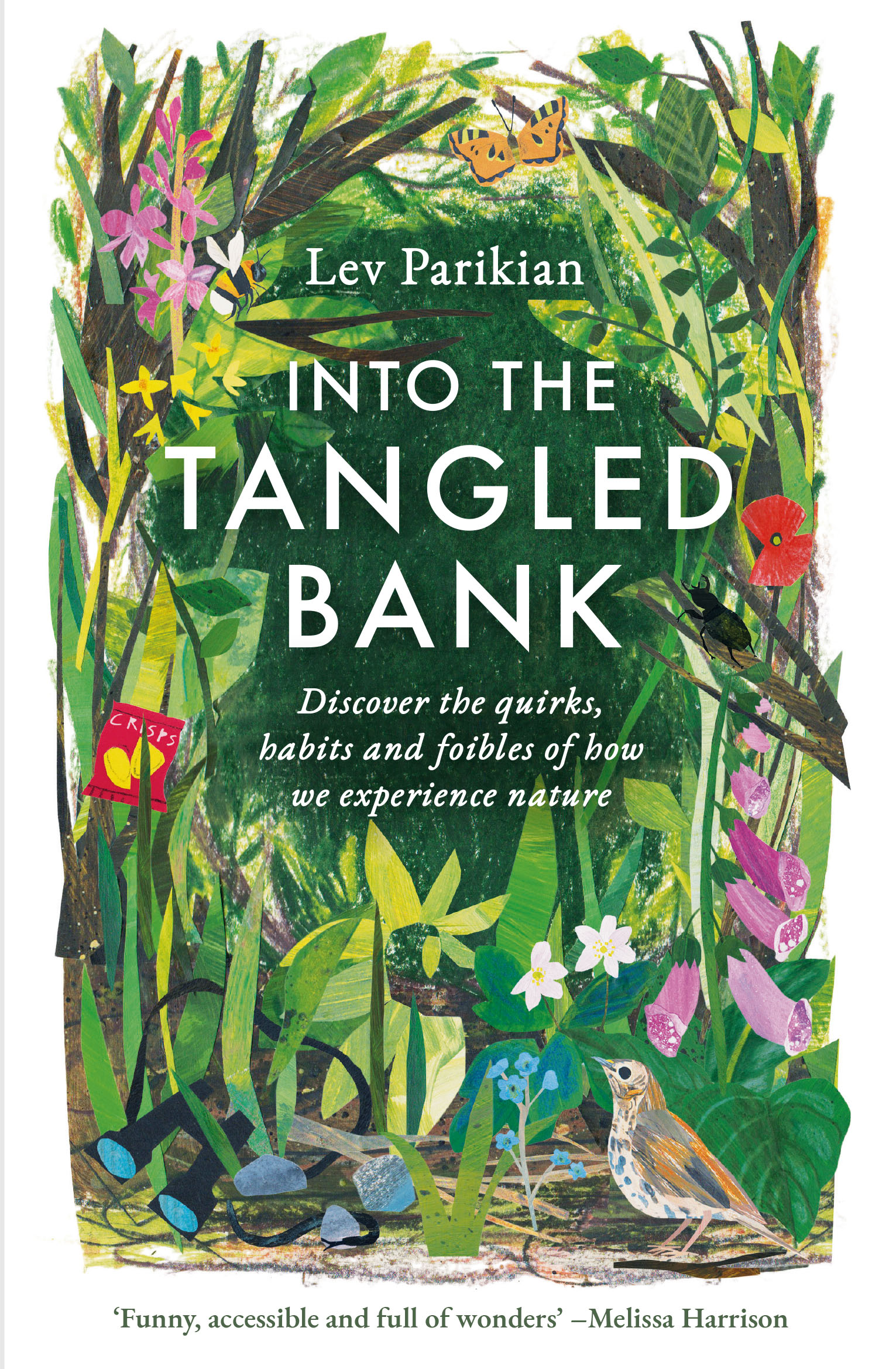
Into The Tangled Web by Lev Parikan

In honing the idea from that initial concept it occurred to Lev that he could weave together three stories: his own journey through nature; the people he met on the way; and some of the great naturalists of the past who devoted their lives to studying the mysteries of the natural world.

Lev told me his initial research included everyone he found who fell under the broad definition ‘naturalist’. He noted their dates, area of interest, where they lived, and how they might fit into the arc of the book. From there he whittled it down. He wanted it to move from the familiar and domestic – the wildlife we encounter in our homes and gardens and on our doorsteps – gradually outwards to take in a wide variety of habitats – not just the wild places like nature reserves and mountains and lakes and clifftops but local parks and zoos and even museums, where the wildlife is laid out for us to survey in close detail and at our leisure.

“I love birds, but the lives of twelve ornithologists might not have offered the range I was looking for.”

Lev Parikian

Lev revealed it was important to him to cover a variety of disciplines. This is why he included Walter Rothschild, founder of what is now the Hertfordshire wing of the Natural History Museum; the great poet John Clare, who wrote with such power about the nature on his local patch near Peterborough; Thomas Bewick, the engraver whose illustrations were many people’s introduction to the appearance of birds and animals they would never encounter in the flesh; Sir Peter Scott, a man of extraordinary breadth and founder of the Wildfowl and Wetlands Trust (among many other achievements); Gavin Maxwell, who by all appearances preferred the company of otters to humans.

Charles Darwin’s English Heritage house in Kent, UK

The places he visited became gradually wilder – from the rather genteel surroundings of Charles Darwin’s English Heritage house in Kent to Skokholm, a small island off Pembrokeshire which was the first bird observatory in Britain, and is home to a couple of hundred thousand seabirds and just a handful of humans.

During his week on Skokholm, he was torn about how best to spend my time. He was writing about his own experience of the birds, so wanted to spend as much time as possible outdoors looking at the birds and picking the brains of Richard and Giselle, the observatory’s wardens; but the island has an extensive library, filled with the works of its founder Ronald Lockley and much more, all of which he wanted to read. It was impossible to do everything.

“At the heart of the book was a desire to reflect the various ways we experience nature, whether actively (yomping across a boggy moor hoping for a glimpse of a disappearing curlew) or passively (slumped on the sofa listening to David Attenborough describing the sex lives of aardvarks). And really all that was required in that department was to observe people (including myself) as keenly as I observed nature. There was a fair amount of eavesdropping, but I also made a point of striking up conversations whenever I had the opportunity (and when appropriate) and listening to what people had to say.”

Lev Parikian

Lev explained he found recording all this information difficult and admits he is not naturally organised. But he does have a notebook, which he carries with him most of the time, and whenever possible he jots things down. He also makes use of technology which he said he finds indispensable.

“I took a lot of photographs with my phone to remind me of particular settings or encounters, and if I overheard something particularly interesting or funny it was generally quicker to jot it down in the Evernote app on my phone.”

Lev Parikian

He described the process of writing Into The Tangled Bank, as absorbing everything like a sponge and then squeezing it out afterwards. The trick, he claims, is knowing which is the good stuff.

You can find out more about Lev Parikian on his website www.levparikian.com and follow him on Twitter @levparikian and Instagram @levparikian and Facebook @levparikianwriter.

To read the complete feature you can purchase a copy of #235 Aug 2021 Writers’ Forum by ordering online from Select Magazines.

To read my future Research Secrets or Writing 4 Children interviews you can invest in a subscription from the Writers’ Forum website, or download Writers’ Forum to your iOS or Android device.

Inspirations from the Bookshelf – Alice Hemming

Check out SCBWI British Isles online magazine, Words & Pictures, to read the interview I did with Alice Hemming about how she is inspired by Hans Christian Andersen.

Alice hemming writes for children of all ages. She has over 50 books published in the UK and internationally, including picture books and chapter books. She has also written for websites, reading schemes and even a talking bear! Two of her books were selected for the National Library Summer Reading Challenge.

Alice Hemming

Alice recalls how The Little Match Girl by Hans Christian Andersen captured her attention when she was a child. She revealed that when revisiting the story as an adult, it was difficult for her to imagine what appealed to her four-year-old self, but she believes it had something to do with the comfort that is to be found within the tale in the flashes of warmth provided by the matches as the little girl tries to keep warm in the snow. A ‘polished stove’. A table set with a mouth-watering feast. A Christmas tree ablaze with candles. And, above all, the hug from the grandmother.

The Little Matchgirl

From that moment on Alice was hooked on Hans Christian Andersen. She told me she has even read Andersen’s autobiography, The Fairy Tale of My Life, although she still prefers the 1952 film with Danny Kaye!

Danny Kaye in the Hans Christina Snderson movie

She explained:

“Andresen hasn’t influenced my writing style, in that every Andersen fairytale I’ve read has been in translation, but he’s had a huge impact on my storytelling.”

Alice Hemming quote from Inspirations from the Bookshelf Interview

Her book The Frozen Unicorn (Scholastic 2022), is the first to reference Hans Christian Andersen and her absolute favourite story (or seven stories) of Andersen’s: The Snow Queen.

The Frozen Unicorn by Alice Hemming

Alice Hemming’s protagonist in The Frozen Unicorn, crosses a snowy landscape to confront an antagonist with a frozen heart, to save her lost love. She meets a hostile stranger in a flower garden, magically blooming in the snowy landscape. Alice has taken these ideas and made them her own. She captures the feeling of magical warmth and safety she found in Andersen’s work.

She explained she is sure she will continue to draw on Andersen’s stories for inspiration and the stories of Hans Christian Andersen will always give her a warm glow.

To read the complete feature please take a look at: Inspirations from the Bookshelf Hans Christian Anderson

You can find out more about Alice and her books on her website: https://alicehemming.co.uk

Book Review: Mary: Adrift in the Sea of Sorrow

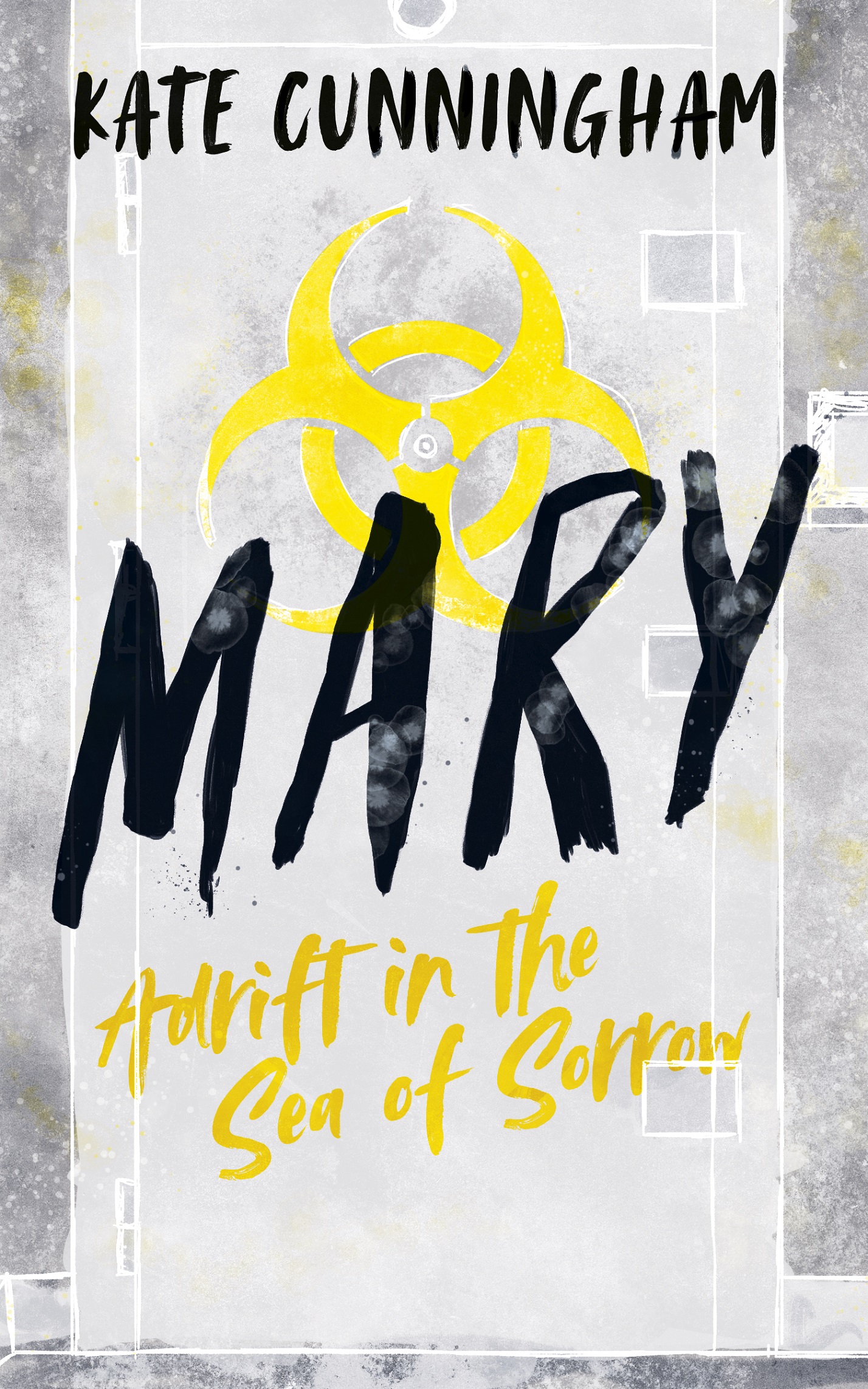
Title: Mary : Adrift in the Sea of Sorrow

Written by: Kate Cunningham

Cover designed by: Rachel Lawston

Published by: Reading Riddle

Mary : Adrift in the Sea of Sorrow by Kate Cunningham

This multi-viewpoint, plot driven, YA novel is set in a dystopian post-pandemic world. Kate in her acknowledgements explains she wrote the first draft of Mary: Adrift in the Sea of Sorrow before Covid but completed her edits during the lockdowns.

This topical novel portrays a realistic insight into human nature. It is about a young girl known as Mary who has lived her whole life in a laboratory where everything was white. She has been kept alone apart from the testers who take samples from her dressed in full hazmat gear. The rest of society is run by five distinct groups.

“The five wealthiest men of the time of the plague had hidden away in their bunkers, then swooped in to take control as the old order crumbled, floundered and failed to grasp the seriousness of the situation until it was too late.”

Extract from page 34 of Mary: Adrift in the Sea of Sorrow by Kate Cunningham.

The five are:

  • Howner who ran the power supply
  • Charris who managed transport and medical supplies
  • Wuchenoge who organised security
  • Dansy who was head of housing.
  • Girin who controlled the orphan child-labour workforce who lived in the child bank.

The majority of the people live in poverty and many find themselves in situations where the only way for them to survive is to sell off a child to the child bank to live with the orphans. These children spend the rest of their lives working off their debt for being housed and fed.

Vander is one of the children from the child bank and was recently given the job as a tester in the Charris facility with responsibility for taking the samples from Mary. He feels sorry for her. He has lived through the Red Plague and seen the choices families had to make to survive. His feelings about her captivity and the desire to make a connection with someone leads him to release Mary. His actions trigger events that spiral out of control and change countless lives. Mary must decide what price to put on her new found freedom.

Each chapter is relatively short making it a hard novel to put down. At first I found it a little disconcerting as there is no one character the reader can identify with as we jump in and out of everybody’s head. Also a lot of, seemingly at first, main characters die. However, this multi-viewpoint approach did not put me off and I believe most YA readers will cope with this style of writing and will enjoy the novel for the intriguing and compelling plot, that lingers in your mind long after the book is finished.

There is a strong desire to know how it is going to end. Kate has plotted some brilliant twists and turns that keeps you guessing until the end. I think Mary: Adrift in the Sea of Sorrow would make an excellent movie.

You can buy copies of Mary: Adrift in the Sea of Sorrow by Kate Cunningham through all bookshops, large or small, and all the usual outlets online. Kate also has a free short story, linked to Mary, which is available through the newsletter on her website:  www.readingriddle.co.uk.

You can find out more about Kate Cunningham and her books on her website: www.readingriddle.co.uk, on Twitter @reading_riddle, on Instagram @reading_riddle, on Facebook: www.facebook.com/readingriddle and on TikTok: @readingriddle.

I have previously interviewed Kate Cunningham about her writing process for Mary: Adrift in the Sea of Sorrow as part of her blog tour. You can see the interview here: Blog Tour – Mary : Adrift in the Sea of Sorrow by Kate Cunningham.

I would like to take this opportunity to thank Anne Cater from Random Things Through My Letterbox for sending me a review copy of the book to review on my blog.

Blog Tour – Sid’s Big Fib by Roo Parkin

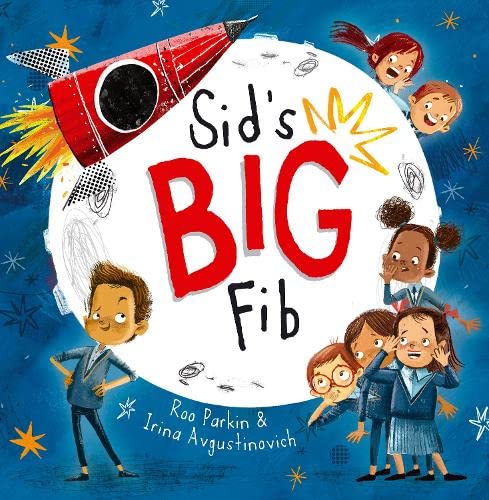
Exciting news! Today I am hosting Roo Parkin for the next stop of their blog tour for their picture book, Sid’s Big Fib, published by Maverick Books.

Roo Parkin

Sid and his friend Lulu are always trying to outdo each other. Yet, Lulu always seems to win their brag-a-thons until one day, Sid tells a fib, which quickly escalates to a bigger and then an even bigger fib. Sid considers telling the truth but before he knows it his fib is discovered. After setting things right, Sid learns you don’t have to lie to have fun.

Sid’s Big Fib by Roo Parkin and Irina Avgustinovich

I hope hope you are as eager as me to learn more about Sid’s Big Fib and Roo’s writing process so let’s get on with the interview.

********

What inspired you to write Sid’s Big Fib?

Sid’s story (about two children desperate to outdo one another) began life in a writing class. Why it took the form it did was probably down to a myriad of things. I had powerful childhood memories of certain super-competitive playmates and their comical but disproportionate desires to be ‘the best’. (Whatever ‘the best’ was supposed to be.) It also struck me how, sometimes, this never goes away. One glance at social media will show you how people love to out-holiday, out-handbag, out-cake one another. There’s absolutely nothing wrong with sharing fun details about your life, but let’s say not everything is always as it seems. I also love using language in fun ways, and Sid’s story had an escalating energy of its own that really lent itself to that.

How do you get inside your character’s heads? 

I won’t claim I always do this but, for Sid, I spent some time writing an extract from his point of view about many things not necessarily connected to the story. Themes included Sid’s thoughts about school, who he found cool, why his dad sometimes annoyed him. It was nice to find his voice without worrying about the word count.

What’s your favourite writing snack or drink?

I’d say chocolate buttons. A lot of chocolaty bang for your buck if you let them melt in your mouth one by one with a nice cup of tea.

Do you have a favourite spread in the book?

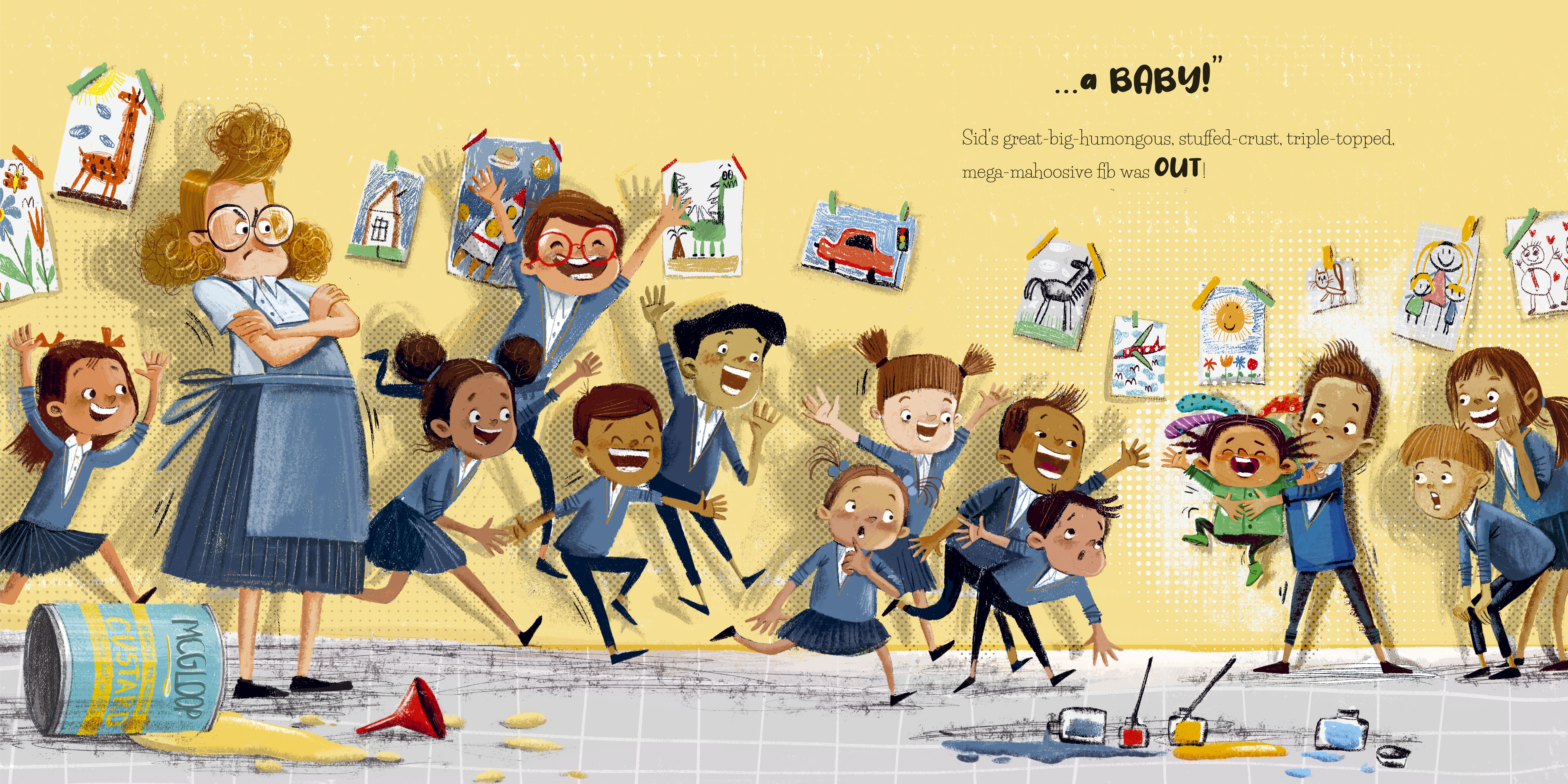
Hmm. Story-wise, the second spread where we realise Lulu is going to out-brag Sid every time with her cheeky backchat and things are going to spiral. Illustration-wise, there’s a great double spread where the school dinner lady rumbles Sid’s fib. The kids have clocked it too and there is so much emotion in those drawings: fury, shock, absolute hysteria. The brilliant illustrator, Irina Avgustinovich, excelled at bringing my words to life.

What books did you grow up reading?

You know, I don’t remember reading that many picture books when I was little. I was always in the King’s Lynn town library, and they must have had some, but maybe not as many as they’ll have now! Later, Winnie the Pooh was a great favourite of mine – an incredible piece of work, and I loved all the usual children’s classics. But The Witch’s Daughter by Nina Bawden had a big impact on me – such an atmospheric story that amazes me to this day.

Who has been the biggest supporter of your writing? 

For sure, my crit group The Book Bees. They put in so much effort reading drafts and making suggestions. My writing experience wouldn’t be nearly as much fun without those ladies. Friends and family are thrilled for me, of course they are, but no one else quite understands the process or what the wins and disappointments mean as much as other writers. There are also lots of lovely people on Twitter who happily yeek, yay and retweet stuff – which is so kind and much appreciated.

Is there an aspect of writing for children you wish someone had told you when you started out?

That everything would take ages but getting published was something I could achieve. I would have applied myself much, much earlier if I had known! I thought it was something other people did and that those ‘other’ people all had first class English degrees from elite universities. There is so much free or affordable information out there now – no one should feel that writing is only for members of an exclusive club.

********

I would like to thank Maverick Books for inviting me to be part of this blog tour. I would also like to thank Roo Parkin for agreeing to a Q&A for this stop of the tour. Thank you.

To join the other stops of the Sid’s Big Fib by Roo Parkin blog tour check out the schedule below:

You can find out more about Roo Parkin and her books on Twitter @RooParkin, and on Instagram @roogirl73.

Sid’s Big Fib by Roo Parkin and Irina Avgustinovich is available to buy from Maverick, or from your local bookshop, or online at uk.bookshop.org, an organisation with a mission to financially support local, independent bookshops. It is also available at:

An Interview with… Rachael Davis

In my Writing 4 Children slot in issue #245 13 Jul 2022 of the UK national writing magazine, Writers’ Forum, Rachael Davis explained to me why books that break stereotypes are important for young children.

She explains representation is so important in children’s books. Rachael revealed the first time she saw herself reflected in a picture book was in Luna Loves Library Day by Joseph Coelho and Fiona Lumbers.

“It was an incredibly emotional moment for me and inspired me to try writing for children myself. For me, creating characters young children will identify with stems from finding your voice. Your unique life experiences will be relatable to a child somewhere and by tapping into your inner child, you can reach them through the stories you tell.”

Rachael Davis

Her debut picture book I am NOT a Prince, illustrated by Beatrix Hatcher, is an inclusive, rhyming fairy tale for the 21st century that challenges gender stereotypes. On a misty lagoon in a fairy tale land, young frogs wait patiently to be turned into princes. When Hopp refuses to be kissed and turned into a prince, the magical frog sets off on an adventure to prove you can be whatever you want to be.

I am NOT a Prince by Rachael Davis and Beatrix Hatcher

I am NOT a Prince is full of universal characteristics and emotions which readers young and old can relate to. This unique picture book is about not having to conform to stereotypes and being proud to be yourself. She hopes will realise that, regardless of gender, race, upbringing and societal expectations, it is okay to be yourself.

Rachael revealed that before the idea for I am NOT a Prince came to her, she had known for a while that she wanted to write a story about being proud to be yourself.

“I wanted to write a story that was inclusive to as many children as possible. I hope lots of children can relate to it, including the LGBTQ+ community.”

Rachael Davis

She explained one of the most important things to remember when writing books for children that have a big theme, such as breaking stereotypes, is that first and foremost you need to write a captivating story. Unless it is an information book, the message should not be overpowering the plot.

While I am NOT a Prince does offer children an accessible way to start a conversation about gender stereotypes, it can also just be read as a fun twisted fairy tale that empowers children to be themselves. If you read the book carefully you will notice that I haven’t used a single pronoun in the book, for any of the characters (not he/him, she/her or they/them). It invites the reader to draw their own conclusions about gender expectations.

Rachael Davis

Her advice to other children’s book writers is that when trying to write for children, originality is key. If you are new to writing, twisting a traditional tale can be a great place to start. You can take confidence from the fact that the original story beats (plot points, the highs and lows) are working well: no soggy middles or pacing issues to be seen. The fun comes in looking at how you can twist the story beats to add even more impact.

However, as fun as it is, finding a knock-out twist can be incredibly tricky. Market research is really important because there are lots of brilliant twisted fairy tales already out there and you need to find your own unique angle. What she loves most about writing for children is that you have the opportunity to write a variety of different types of books.

You can find out more about Rachael and her school visits at www.rachaeldavis.co.uk and follow her on Twitter @RachDavisAuthor and on Instagram @RachDavisAuthor

To read the complete feature you can purchase a copy of #245 13 Jul 2022 Writers’ Forum by ordering online from Select Magazines.

To read my future Writing 4 Children or Research Secrets interviews you can invest in a subscription from the Writers’ Forum website, or download Writers’ Forum to your iOS or Android device.

Blog Tour: Zachary Ying and the Dragon Emperor by Xiran Jay Zhao

It is with great pleasure I join the blog tour for Zachary Ying and the Dragon Emperor by Xiran Jay Zhao.

Xiran Jay Zhao

Xiran Jay Zhao is the #1 bestselling author of the Iron Widow duology. A first-gen Hui Chinese immigrant from small-town China to Vancouver, Canada, they were raised by the internet and made the inexplicable decision to leave their bio-chemistry degree in the dust to write books and make educational content instead. Zachary Ying and the Dragon Emperor is their first middle grade novel.

My contribution to the blog tour will take the form of a book review.

********

Title: Zachary Ying and the Dragon Emperor

Written by: Xiran Jay Zhao

Cover Design by: Karyn Lee

Cover illustration by: Velinxi

Published by: Rock the Boat

Zachary Ying and the Dragon Emperor by Xiran Jay Zhao

Zachary Ying and the Dragon Emperor is a fun, roller-coaster middle-grade fantasy with foundations in the real world. I must say that before I even opened the book I was captivated by the fantastic front cover designed by Karyn Lee and illustrated by Velinxi. It is absolutely gorgeous and had me mesmerised. The story follows twelve-year-old Chinese-American, Zachary Ying, who has been bought up by his mother first in New York and then in Maine, United States, after they escaped from the Chinese government.

In the same way as Rick Riordan uses Egyptian mythology in the Kane Chronicles and Greek mythology in his Percy Jackson series, author Xiran Jay Zhao, successfully uses Chinese mythology and folktales in what promises to be the first of the Zachary Ying books. The amusing chapter titles were a clever device, which made me want to read on and find out more.

I enjoyed the exploration of modern day Chinese politics with all its trials and tribulations  and was fascinated by the amazing diversity of the Chinese people. I also felt Zack’s apprehension about other people’s attitudes to his cultural background was realistically portrayed. This was evident in the fact his mum didn’t teach him Mandarin, as she didn’t want him to have an accent at school, and in the way he furtively tries to compost his freshly cooked Asian packed lunch as he does not want the other children to tease him about not eating ‘American’ food. However, because he never embraces his Chinese heritage he is utterly unprepared for the ensuing quest. He is told more than once he worries too much about what people think of him.

Zack is a great character with a unique voice who captures the reader from the start. He plays as a team with his so-called ‘friends’, in his favourite online augmented reality game, Mythrealm, which is played through a clear AR headset, styled like a hero’s mask from DC or Marvel, as can be seen on the beautiful front cover. The game is a Pokémon-style game where players wander the streets to find unique characters. Xiran Jay Zhao cleverly combines this AR gaming with Chinese myths and history to create an exciting action-packed adventure that will have readers hooked.

Simon Li, who channels the Emperor Taizong of Tang, arrives at his school and explains to Zack he is a descendant of the First Emperor of China, Qin Shi Huang, and was born to host this Dragon Emperor’s spirit. But Qin Shi Huang fails to possess Zack’s body and binds to Zack’s AR gaming headset instead. The Dragon Emperor presents Zack with gaming tags through the headset, which provides often hilarious key facts about each new character, explaining their role in history and effectively move the story forward.

When Zack’s mum’s soul is abducted and she consequently falls into a coma, Zack is told he must travel with the spirit-possessed headset to China to help shut the portal to the China’s underworld to save her. They have until the deadline of the seventh lunar month (known as Ghost Month) which is in only fourteen days. He believes if they fail he could lose his mum forever.

In China, Zack and Simon meet up with Melissa Wu, who channels the only female emperor in China’s history, Wu Zetian. Zack must learn how to use the emperor’s water dragon powers so together with his new ‘friends’ they can find the magical Chinese artefacts to defeat a host of historical and fictional figures.

Xiran Jay Zhao’s world building is excellent. I liked the way the magic became more powerful through the stories being kept alive in people’s minds, despite whether they are fact or fiction, and how this linked to the stories portrayed in computerised games and movies, as well as in the myths and legends.

Through his journey Zack learns about his ancestry and discovers Emperor Qin Shi Huang was a tyrant who lies, cheats and killed many people to get what he wanted. Zack struggles with whether he should be helping him or not. As the story progresses, he finds it more and more difficult to determine right from wrong. He ultimately discovers what it means to be truly strong.

I would recommend this book to all middle-grade readers who love fast-paced fantasy adventures. I am looking forward to the second book in the series.

********

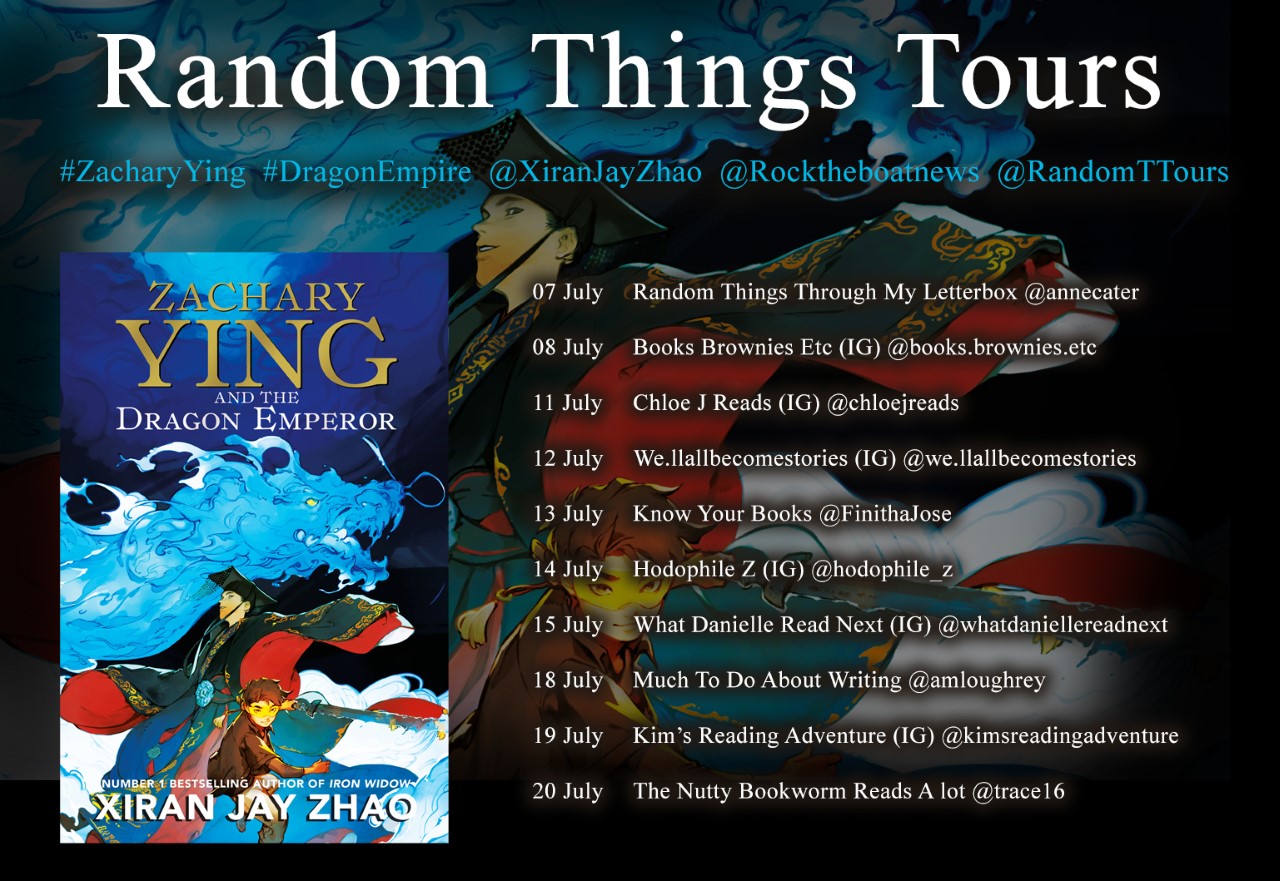
To follow the rest of the blog tour please take a look at the schedule below:

I would like to thank Anne Cater from Random Things Through My Letterbox for organising this blog tour and inviting me to take part. I would also like to thank Rock the Boat publishers for sending me a review copy. Thank you.

You can find Xiran Jay Zhao on Twitter @XiranJayZhao for memes, Instagram @xiranjayzhao for cosplays and fancy outfits, TikTok @xiranjayzhao for fun short videos, and YouTube @xiranjayzhao for long videos about Chinese history and culture.

You can buy copies of Zachary Ying and the Dragon Emperor by Xiran Jay Zhao from your local bookshop, or online at uk.bookshop.org, an organisation with a mission to financially support local, independent bookshops.

Blog Tour – Secrets of an Undercover Activist by Nat Amoore

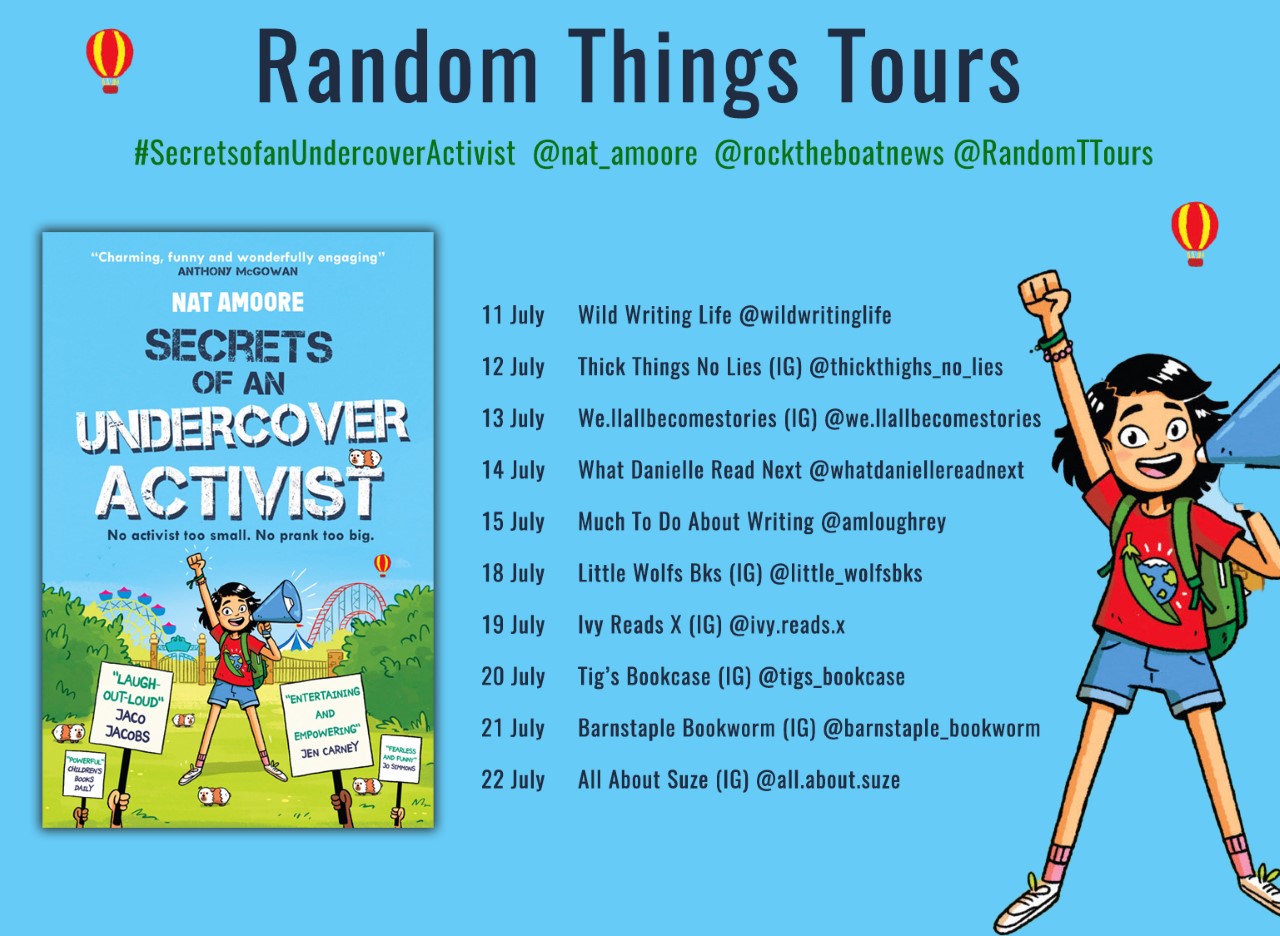
I am happy to announce today is my stop on the Secrets of an Undercover Activist by Nat Amoore blog tour.

Nat Amoore

Nat Amoore wrote and directed international award-winning short film Elemenopee. She currently has a feature film and a kids’ TV series in development. Nat was a recipient of the CBCA Maurice Saxby Creative Development Program for 2018. Nat has a kid-lit podcast One More Page, which was nominated for the ‘Best Newcomer’ category at the Australian Podcast Awards 2018. Nat’s debut Secrets of a Schoolyard Millionaire was a children’s book bestseller in Australia and Secrets of an Undercover Activist won the Environment Award for Children’s Literature. But most importantly, she used to be a trapeze artist and had a pet kangaroo when she was little.

Secrets of an Undercover Activist by Nat Amoore

A brilliant, fast-paced adventure that will have you laughing in your seats. Casey Wu tries to stay out of the spotlight, which is why no one would suspect her of being the mastermind behind a string of attention-grabbing pranks at her school.

Together with best friends Zeke and Cookie, she is part of Green Peas – a secret activist organisation designed to make adults sit up and pay attention to important environmental issues. But when the three young activists get wind of a major cover up in their town, things really start to get serious. It’s time for Green Peas to stage their biggest prank yet. This book is hard to put down.

Winner of the Environment Award for Children’s Literature in Australia. Shortlisted for the Readings Children’s Book Prize 2021. Shortlisted for the Young Australians Best Book Awards for Older Readers

Todays’ stop takes the form of an author interview. 

********

What are the underlying themes of Secrets of an Undercover Activist?

There’s a lot going on under the surface of this book. The fun pitch is ‘three kids who are passionate about the environment take down an evil mayor who is trying to destroy their local park using epic pranks’. But like all good stories, ‘Secrets of an Undercover Activist’ is layered and complex. It explores themes of activism, how far is too far, grief, loss, family relationships, friendship and community, finding your tribe, disability representation, self-reliance, making yourself heard, standing up for what you believe in and the grey area between right and wrong. I know that sounds like a lot for one kid’s book but I always want my books to reflect the world kids live in and kids run into all of this and more on a daily basis. I like to create a safe space for kids to explore all the things they are thinking about (and sometimes worrying about) while being lost in a hilarious and adventurous story.

If you were going to be an activist, what cause would you be most passionate about?

Oh this is so hard. There are SO many things going on right now that honestly keep me up at night. I guess I would have to say equal human rights because it’s a big umbrella idea that covers a lot of things that I am passionate about. For everyone to be able to live their lives safely and freely and make their own choices about themselves, their bodies, their relationships and how they live their lives.

How did you develop Cassie’s Wu’s voice?

There is a little bit of me in Casey. I think there is a little bit of me in all my main characters – it’s how I get the authenticity to begin with. But then I really need each character to feel and sound different, especially because I write in first person a lot. So I try and think of someone in my life who aligns closely with my character and channel them as I write. I know a kid who is very intelligent and strong-minded but also a little shy and ‘behind-the-scenes’. I kept her in mind a lot as I was writing Casey. But after I get a decent amount into the story, I find my characters usually take on a life of their own and I don’t have to try anymore, it’s like they speak to me.

What was the most fun scene to write of Secrets of an Undercover Activist?

Oooohhh, a lot of it was REALLY fun to write but if I had to choose, probably the opening scene. It’s based on a real prank at my school assembly and it was so much fun for me to write down what was essentially now a sort of movie scene in my head. In my previous book ‘Secrets of a Schoolyard Millionaire’ there is a mention of Casey and the alarm clock prank she wanted to do and ever since then I have wanted to write that scene. I think it makes a great opener and we learn so much about Casey in just one chapter. It also makes a really fun read aloud and sets up the tone of the book perfectly. I do have to admit all the pranks were fun to write though because I wanted them to be quite sophisticated and complicated so that took a lot of thought and consideration.

Tell us about your YouTube channel and any other forms of social media you think are useful for authors.

I have mixed feelings about how much social media helps me as a kid’s author (it’s different if you write for adults or teens). Nothing for me has more impact than actually getting in front of kids, connecting with them, making them laugh, getting them excited about reading. But we know this is not always possible. The beauty of things like YouTube is it allows me to connect with readers in remote areas, overseas, during Covid. It also creates content for teachers, librarians and parents to share with kids. So I definitely think you need a presence on social media but I’m not sure it needs to eat up half your life. I would rather spend time WITH kids than on social media or creating online content but, that being said, I love making funny videos and so YouTube (or videos for social content) is where I do dedicate my online time because I believe it is most likely to reach my most important audience – the kids!

If you could tell your younger writing-self anything what would it be?

Well, when I was young, I NEVER thought I would be a writer. I thought authors were super clever people who knew all the big words and knew where all the commas went and what a semi-colon is (I’m still not sure about that one). What I didn’t realise is that the most important part of being a writer is being a great storyteller. The rest you can learn if you want to. So I guess I’d tell my younger-self – ‘You’re wrong. If you want to, you can do it.’ I’d also tell myself to climb more trees while you’re young because people look at you weird when you do it as an adult!

Is there anything else you would like to tell readers about Secrets of an Undercover Activist and writing middle grade?

I think it is a surprising book (at least that’s what people keep telling me). It has everything you might expect – fun, humour, action-filled hijinks and a strong message about standing up and making yourself heard. But it has quieter themes of loss, family, differences, learning about yourself, diverse families, disability representation and finding out who you are. People (adults and kids) often write to me after reading my books to say they were surprised they had to reach for a tissue or about the in-depth conversations they had with their kids after reading it. I love that. I love to surprise a reader. Someone once said that my books were like ‘hiding vegies in the bolognaise sauce’ – I didn’t realise I did that. I just write how I feel. But if kids expect fun and hilarity from my work and then they get that AND a little bit more – then I couldn’t be more stoked!

What are your social media links where can people find out about you and your books?

Great question! Come follow me/check me out, I’d love to see you all online…

Where is the best place for people to buy your book in the UK?

I am fortunate enough that there are many places to buy my book in the UK. Fantastic stores like Waterstones of course. Or if you love to support your local indies, then check our bookshop.org. Or just head to the Rock The Boat website and decide for yourself…

Thank you Nat for agreeing to be interviewed as part of your blog tour.

You are VERY welcome 😊

********

I would also like to thank Anne Cater from Random Things Through My Letterbox for organising this blog tour and inviting me to take part. Thank you.

You can visit the rest of the blog tour here:

And don’t forget you can find out more about Nat Amoore on her website: https://www.natamoore.com/ and follow her on Twitter @nat_amoore on Instagram @nat_amoore and on Facebook @NatAmooreWriter. Check out her podcasts on YouTube at: Nat Amoore.  

My book review of Secrets of an Undercover Activist by Nat Amoore is scheduled to appear next month, on Wednesday 31st August, so please keep an eye out for it.

An interview with… Helen Yendall

I interviewed Helen Yendall about her research for her debut novel, A Wartime Secret. In my Research Secrets slot in issue #245 13 Jul 2022 of Writers’ Forum, you can read all about the research Helen Yendall did for this historical novel set in WWII and how this research inspired her plot, setting and characters.

Helen explained that A Wartime Secret, was inspired by the true story of a bank and its staff that were moved to the countryside for the duration of the war. The main character is feisty Maggie Corbett, who moves from London to the Cotswolds with Rosman’s merchant bank. She’s a fish out of water in many ways. Although it’s set during the war, it’s an upbeat story and one reviewer described it as ‘EastEnders meets Downton Abbey’.

She discovered the story of the bank moving to Upton for the duration of the war, when she visited an exhibition at Upton House called Banking For Victory. This was long before she decided to write a novel about it. The house was reconfigured as it would have looked during the 1940s and Helen revealed she visited it more than once. By the time she realised it would make a great setting for a novel, the exhibition was over. However the National Trust researchers were was able to confirm many of the details she remembered. 

A Wartime Secret by Helen Yendall

Real aspects of Upton House are included in A Wartime Secret: the outdoor swimming pool, in which bank employees swam before work (and which features in an incident in the novel), the Mirror Pool in the grounds, which was filled in during the war, so it didn’t act as a marker for enemy planes and one of the Canaletto paintings, which currently part of Upton House’s art collection.

“I always had Upton House in my mind when I pictured my fictional Snowden Hall but I moved the house slightly, from Warwickshire to Gloucestershire, to create a little distance from the real place.”

Helen Yendall

Helen does a lot of research before she starts to write a novel, as it always gives her ideas for her plot. For example, the real bank – M Samuel & Co – was actually moved from the City of London to Warwickshire in 1939, as soon as war broke out. Helen decided to move the bank in 1940, once the Blitz had started. She told me this was vital for the very first scene of the book when Maggie is lying face down on the floor of a bus, during a raid, an idea that she said came from The People’s War by Felicity Goodall. This book contains an extract from a woman’s diary, describing her reactions in an air raid.    

Primary sources were invaluable to Helen. She explained when you’re writing historical fiction, you really need to try to immerse yourself in that time. If you can read letters or books written in that time or watch films made during that era it all helps.   

But her research was not always plain sailing. Helen discovered several thousand adult Jews were smuggled into Britain during WW2 but couldn’t find out anywhere how this was done. So, although it features in her story, she had to be vague and non-specific about it and let the reader imagine contacts and underground organisations for themselves.

“Sometimes you simply won’t be able to find something out and you can spend hours and end up no further forward. If this happens to you, ask yourself if it’s absolutely essential to the story, or can I get around it in some way? Sometimes, if you’re a little vague about how something might have happened, I think that’s better than putting in lots of details that might actually be wrong.”

Helen Yendall

For A Wartime Secret, Helen needed to know how long it would take a letter to arrive and then how long it would take for her character to receive a reply, within Britain. She struggled to find this out so in the end, she emailed her question to an expert at the Postal Museum https://www.postalmuseum.org/  and had an answer within a few days.

Another valuable resource for Helen were the 1940s Facebook pages she belongs to. She said someone on those will often answer a question, if she is stuck. However, she reminds people it is wise to double-check information found via social media.

“It is worth joining a few relevant groups that are interested in the same era as your novel is set. They can provide a wealth of information, photographs and helpful links.”

Helen Yendall

For people wanting to do their own research into WWII, Helen suggests looking at the British Newspaper Archive as it contains 50 million pages of news stories from 1699 to 2009. She explained it is a paid subscription service, starting at £6.67 a month if you subscribe for a year and there are lots of articles available for free.

Helen warned it’s very easy to get carried away with your research and end up with much more material than you can ever feasibly use, at least in one novel. Her advice is no to try to cram in everything you learn about a period of time. Be selective. If one strand won’t fit into this book, perhaps you can use it for another – a sequel perhaps.

Follow Helen her on Twitter: @helenyendall and on Facebook: @helen.yendall. You can also check out the posts on her blog at: www.blogaboutwriting.wordpress.com.

To read the complete feature you can purchase a copy of #245 13 Jul 2022 Writers’ Forum by ordering online from Select Magazines.

To read my future Writing 4 Children or Research Secrets interviews you can invest in a subscription from the Writers’ Forum website, or download Writers’ Forum to your iOS or Android device.

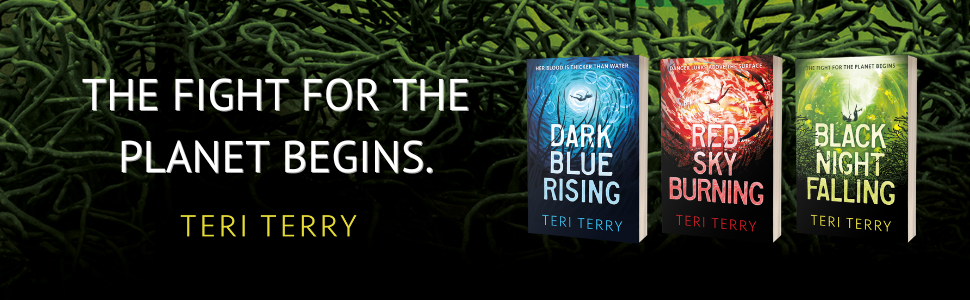
Blog Tour – Black Night Falling by Teri Terry

It is with great pleasure I join the blog tour for Teri Terry and her latest book Black Night Falling, the explosive finale of The Circle Trilogy. I have admired Teri’s books for a long time and I am an avid follower of her writing.

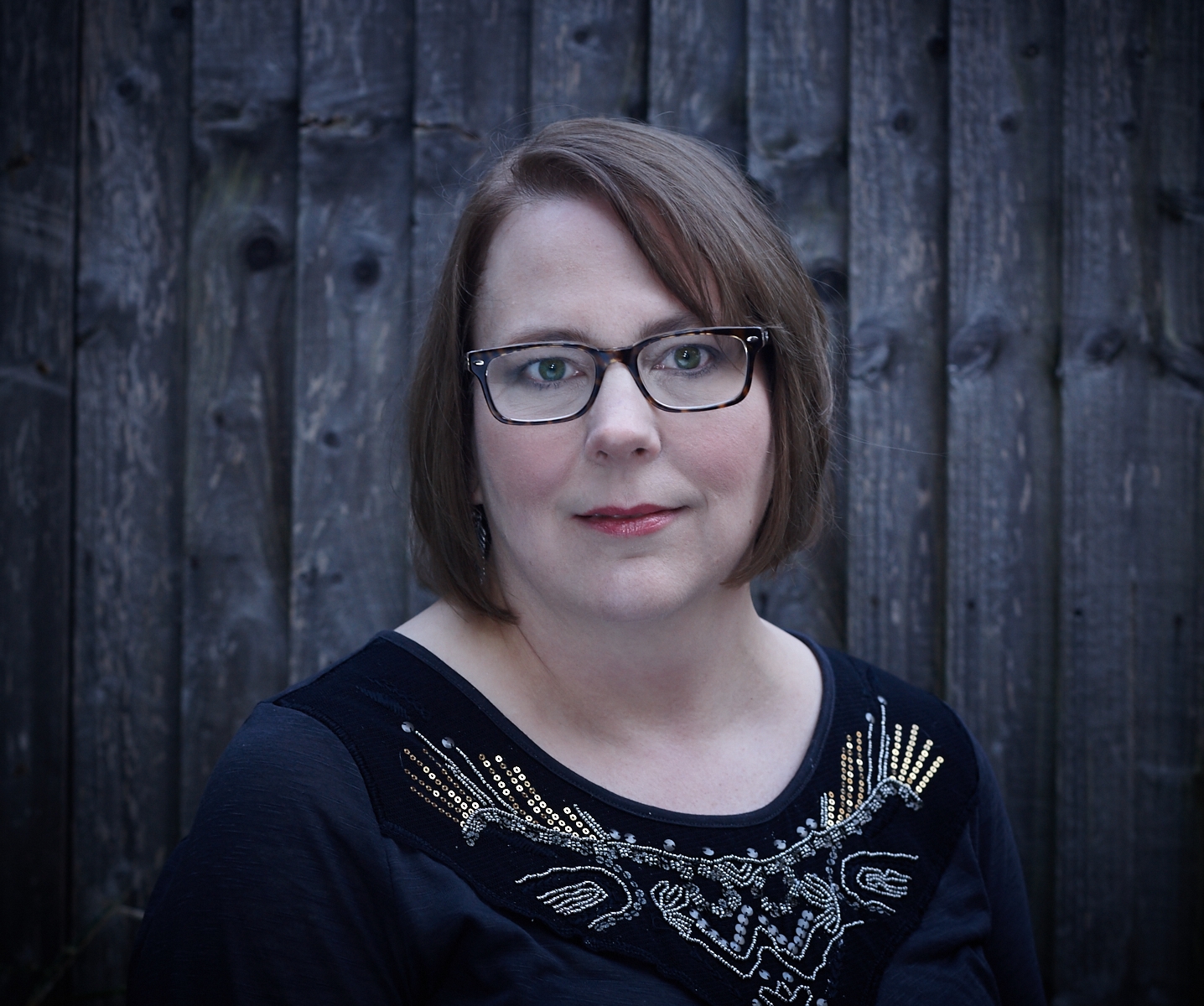
Teri Terry

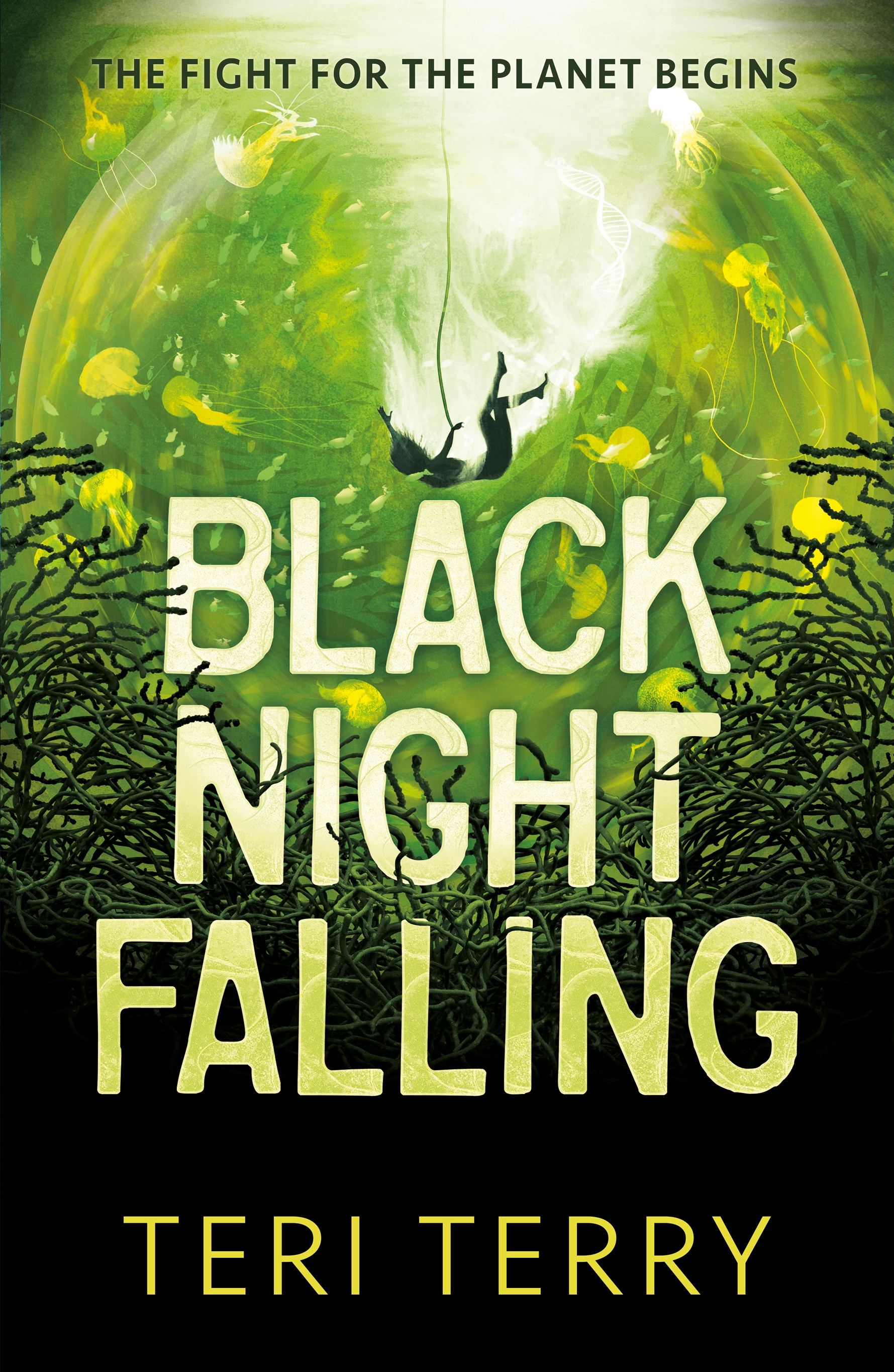
The fate of the natural world lies in the hands of three teenagers. Captured by The Circle, Tabby is taken to their headquarters, Undersea. She learns about their ancient sisterhood, sworn to protect the planet, and that she is one of ‘the Chosen.’

In London, Hayden finds herself at the centre of a coming together of disparate climate change groups. Denzi is missing, and Hayden’s path to finding him is laced with danger. People all around the world are demanding clean air and blue skies, and on the cusp of humanity making change for the good, Tabby, Hayden, and Denzi’s paths draw closer together.

But as old friends arrive to help, old enemies resurface. The Circle’s endgame comes into focus and Tabby, Hayden, and Denzi must race to prevent the destruction ahead. 

Black Night Falling by Teri Terry

Teri kindly agreed to be interviewed for my slot in the blog tour.

********

What inspired you to write The Circle trilogy?

A combination of things: I love the sea – I’m obsessed with being around water, much like Tabby;  weird science is totally my thing; and I’m desperately worried about climate change.

What comes first for you, the plot or the characters, and why?

A: This depends on the story. Sometimes they start with a character and a scene and I have no real idea who they are or where the story is going to go (eg. Slated). Other times there is a theme I want to write about (eg. Mind Games) and I develop a story and a character to go with it. And sometimes it all begins with an aspect of weird science that I want to write about (eg. Contagion – anti-matter; The Circle trilogy – using genetic engineering in a particular cohort). But overall, to me the plot comes from the characters, not the other way around.

What was your hardest scene to write in Black Night Falling, and why?

A: Usually endings are the fun part: by the time I get to them I know exactly what is going to happen and why. With The Circle trilogy this was the hardest part. I wanted there to be reasons for hope that humanity could solve the climate crisis, but equally I didn’t want to come up with some easy solution that fixes everything – it’s not the kind of problem where that is possible. I agonised a lot, trying to get the balance right.

Would you and your main character, Tabby, get along? 

Honestly, I don’t know – I can’t picture us in the same world.

Climate change is an important theme throughout The Circle trilogy. If you had to choose one, which of the climate change groups in Black Night Falling would you support?

Hayden’s group is pretty awesome!

Do you have a favourite place to write?

I don’t like to write in noisy, busy places – so cafes or on trains don’t work for me. My favourite places change all the time, but I’ve got a swing seat in the garden that tops the list in this sunny weather.

What writing advice would you give to people aspiring to be a YA book writer?

Read, read, read. Write because you love it. Have another way to pay the bills.

Is there anything else you would like to tell readers about your books and writing for children?

If you like a book – review it. Please! Reviews are so important.

********

I would like to thank Teri Terry for agreeing to be a guest on my blog during her blog tour for Black Night Falling. I would also like to thank Hachette Publishing for organising the tour and inviting me to take part. Thank you.

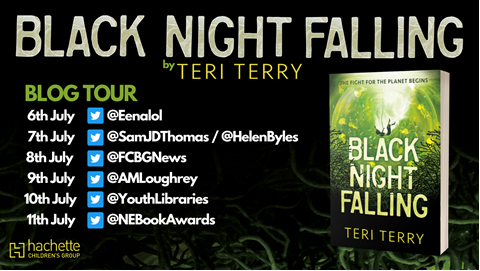
Check out the schedule below to follow and catch up with the rest of the Black Night Falling by Teri Terry tour:

You can find out more about Teri Terry and her books on Instagram: http://www.instagram.com/teriterrywrites/, Twitter: http://twitter.com/TeriTerryWrites, Facebook: http://www.facebook.com/TeriTerryMe/ and her website is : http://teriterry.com

You can buy copies of Black Night Falling by Teri Terry from your local independent bookseller. They need our support to survive; we need them to ensure a healthy book trade where there is room for all the diversity of reading experiences. Chains and online sellers are also available.

Special Guest: Q & A with Emma Finlayson-Palmer

I’m thrilled to welcome Emma Finlayson-Palmer to my blog today to celebrate the release of her debut book, Autumn Moonbeam Dance Magic! as part of #TeamAutumnMoonbeam. I have admired Emma and her #ukteenchat on Twitter for many years and it certainly makes a change for her to be on the other end of the author interview questions.

Emma Finlayson-Palmer

Autumn Moonbeam Dance Magic! is the first book of the Autumn Moonbeam series, It is illustrated by Heidi Cannon and published by Uclan Publishing. Autumn loves gymnastics and dance so when the Sparkledale Dance Academy have try-outs for their competitive dance team, the Black Cats, Autumn thinks it is the most broom-tastic opportunity ever! Just one problem, Autumn is nervous and worries she won’t make it on to the team.

Autumn Moonbeam Dance Magic!
by
Emma Finlayson-Palmer and Heidi Cannon

Thanks so much Emma for agreeing to be interviewed about Autumn Moonbeam Dance Magic! and for inviting me to be part of #TeamAutumnMoonbeam.

Now let’s crack on with the interview.

********

Q&A with Emma Finlayson-Palmer

Tell us a little about yourself and the inspiration for your character Autumn Moonbeam.

I’ve been writing since I could hold pens. But when I was young, I usually made stories in the form of comics or drawings as I have always loved being creative, and I was a bit slow to read fluently so I found a love of stories through visual mediums and have always been a film addict.

Autumn Moonbeam was inspired by my daughter, who started at a dance club when she was three, then by the age of five she joined the competitive cheer team. She was painfully shy and could barely make eye contact when performing by herself, but once she was part of a team it gave her the confidence to dance and compete in front of hundreds or sometimes thousands of people.

It was this concept of overcoming your fears, teamwork and following your dreams that became the key element for my Autumn’s story. Combining that with my love of dance (although I’m very clumsy, much like Autumn) and anything musical, magical or witch related, Autumn Moonbeam came cartwheeling into the world.

Do you have any writing rituals?

I do have to have all my “equipment” around me before I start, this usually includes a cup of tea in one of my favourite mugs (because it never tastes the same in one of the non favourites!), notebook related to the story I’m working on, because once I’m into the writing I need one notebook that’s solely dedicated to that story. Multiple pens, different coloured ones preferably. My bottle of water, and my phone which I usually listen to music on. Music is a little bit of a ritual as I listen to songs related to the story, or films scores that inspire me or match the genre or tone of the scene I’m working on.

Is there a particular place you like to write?

I am very much a will write anywhere writer and have written on the settee, in bed, at the kid’s swimming lessons, in the car, in a field, café’s, pubs, library, just about anywhere I can. But I especially love a little corner to get settled in or at the picnic bench in my back garden. Anywhere where I have a window with a view of the sky or trees and life passing by.

As this is one of your favourite questions on the brilliant Twitter chat #ukteenchat, are you a plotter or a pantser?

Ha! Yes, one of my favourite questions! I’ve always been a pantser, but I am slowly evolving. I’ve come to enjoy getting some sort of outline and synopsis written these days before I’ll even start a book. Getting the structure and plot holes worked out beforehand really helps, though I still do a fair amount of pantsing!

In your opinion, what makes a great children’s book?

Ooh, this is probably very subjective. For me, it depends which age group I’m reading, but something that I’ve noticed that I love across PBs through to YA and everything in-between is families and friendship. I love intergenerational and blended families too, families are all so varied and different and I love seeing the dynamics of family set ups in books. If there’s a sprinkle of magic that’s good too! Stories that move me in some way, I don’t mind if it’s making me cry or laughing out loud, a great story moves me and I find myself wondering what the characters would be up to long after I’ve finished the book.

What is your favourite thing about writing for children?

I love the huge amount of fun it is to create stories for children. Unlike books for adults, children’s fiction feels limitless, there’s no subject that can’t be explored in a safe and satisfying why. Writing for children makes me feel like I’m on adventures with my younger self.

What writing advice would you give to people aspiring to be a children’s book writer?

Read lots! Use published books like your mentor to show you how to structure stories, getting the balance between narrative and dialogue, and finding your own voice. I love freewriting, and highly recommend this to explore new ideas and to let go of that notion that things have to be perfect. Have fun and when you write about something you love or enjoy, that will really shine through in your writing.

Where can people buy your book?

Various indie bookshops, most are usually happy to order in a copy if you make a request. You an order via The Hive, Bookshop.org, and the usual larger shops online such as Waterstones and Amazon.

What are your social media links so people can find out more about you and your books?

You can find me on most social media sites by searching my surname, Finlayson-Palmer. I have a linktree page where they are all listed, along with links to a few places where you can buy Autumn Moonbeam… Emma Finlayson-Palmer | Linktree

********

Thank you Emma. It has been an honour be part of #TeamAutumnMoonbeam. 😊

You can read my review of Autumn Moonbeam Dance Magic! here: Book Review: Autumn Moonbeam Dance Magic!

Don’t forget to keep your eyes open for the second book in the series, Autumn Moonbeam Spooky Sleepover! that is being released this October 2022.

Autumn Moonbeam Spooky Sleepover! by
Emma Finlayson Palmer and Heidi Cannon

And don’t forget you can order copies of Emma’s books from your local bookshop, or you can also purchase a copy online at uk.bookshop.org, an organisation with a mission to financially support local, independent bookshops.