
No matter what the viewpoint you need to think:
Is that my character speaking, or is it me?
If you change a text into the present tense it could become more immediate and subtly changes the feel of the story. Try it yourself and then compare this to a more traditional narrator style viewpoint, like Lewis Carroll in Alice in Wonderland.
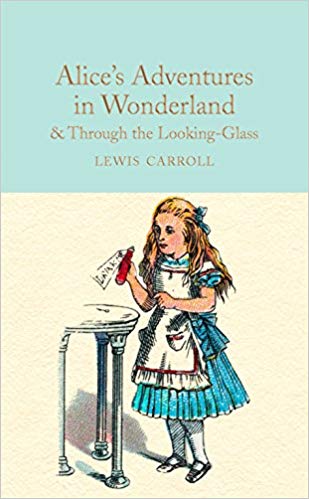
In an action-packed writing scene, it is easier to use third person, as there is not so much reflection and interpretation to stop the flow of the action. The reflection requires prior knowledge of what is going on and tells the reader how they should feel about this. We need to avoid telling the reader what to think.
A tighter viewpoint helps the reader to see and feel the action. The actions needs to go at the speed of the character – seeing what they see, in the order it happens. Strangely, the third person, even if it is written in the past tense gives the experience of reading it as it happens. In intense danger scenes, a tighter viewpoint adds more tension but, you can pull back this tension in other scenes to let the reader reflect.

With viewpoint I think it is better not to be overtly original but, to let your story do the talking. A lot of YA books are written in first person. When writing in the first person and present tense you have to consider how much the reader is supposed to know at any one time.
The omniscient narrator, such as the Victorian, ‘My dear reader’, can work in a different way but it distances the reader. The omniscient narrator where you don’t even change scenes to change viewpoint might suit a big saga but I think it is distracting in a children’s book. When using the omniscient narrator, it is important to make sure the character is mentioned before you change viewpoint.
A character narrating back-story can slow the pace. When adding back-story, the writer needs to seriously consider if it is really needed. In my opinion, it is better to take out this narrator intrusion. It slows the tension and you may find you do not need all the detail. Ask yourself:
Why you are putting it in?
It is good to experiment with viewpoint within a story as it is such a large part of the story as a whole. But remember it is often better to read a book and not remember what person it is written in – it is the essence of the story that is remembered – the viewpoint is so entwined and so good it disappears.


 Much To Do About Writing