
Planning and plotting are not the same things. to find out my views and writing tips for plotting take a look at:
Yes it is true that a plan will ultimately show you the possibilities , potential and pitfalls in your story but in contrast to plotting, planning helps to clarify direction and method. Having a plan helps you focus and in the long run saves a lot of time and effort. Good planning means you have done some of the work before you actually start writing.
There are lots of different ways you can go about planning your novel.
1. Rough Sketch
This includes anything from rough sketches on a napkin or the back of an envelope to a causal list of how you imagine the story to go. This is planning at its most basic and can open up the thinking process to lead to so much more.

2. Synopsis
A synopsis is a more orderly story line ‘telling’ the story in brief to help you on your path. this is also useful when approaching agents and editors when it is complete with characters and the ending. I have written other posts about writing a synopsis here:

3. Chapter breakdown
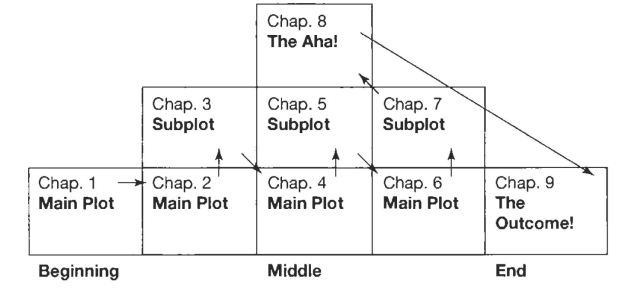
This is a more detailed progression of your story showing the progression chapter by chapter. in this way you can ensure each chapter has its own beginning, middle and end. It also helps to keep track of the main plot and any sub plots.
4. Key Points
Using key points you can outline the bursts of action and tension that form the backbone of the plot. This offers a useful framework that you can use as you are writing to fill in the gaps.

5. Timeline
A diary is like a diary of the novel, showing the chronological events in the correct order. this helps to keep things in a logical sequence and help avoid any major pitfalls. I have written about the pitfalls of writing in my blog post: Writing Pitfalls.

A timeline is particularly useful when timing and events are crucial to the story arc. It will help if the story takes place over several weeks, months or years to keep track of what has happened and also if the story is taking place over a very short period of time where every minute and second counts.
6. Character biographies
I have written about character biographies before. Take a look at my previous blog post on Characterisation. A character biography can include anything from a couple of lines of description to a full biography. I like writing biographies of my characters. it really helps me to get in to their head. I include: age, appearance, background, dreams, education, family, fears, joys, likes and dislikes, positive traits and negative traits as well as reactions in particular situations relevant to the story.

I find it a great way of not only ensuring I keep their physical descriptions correct throughout the novel but also to ensure they act true to their character so when they learn and grow it is more evident.
7. Elevator pitch
Describing your book in one sentence is always a great thing to tr. not only does it help when pitching your novel but it can help clarify your mind and keep you on track.

This is also a way of identifying the theme of your novel. I have talked about theme in my blog post on Think About Theme.


 Much To Do About Writing