Category Archives: An Interview with…

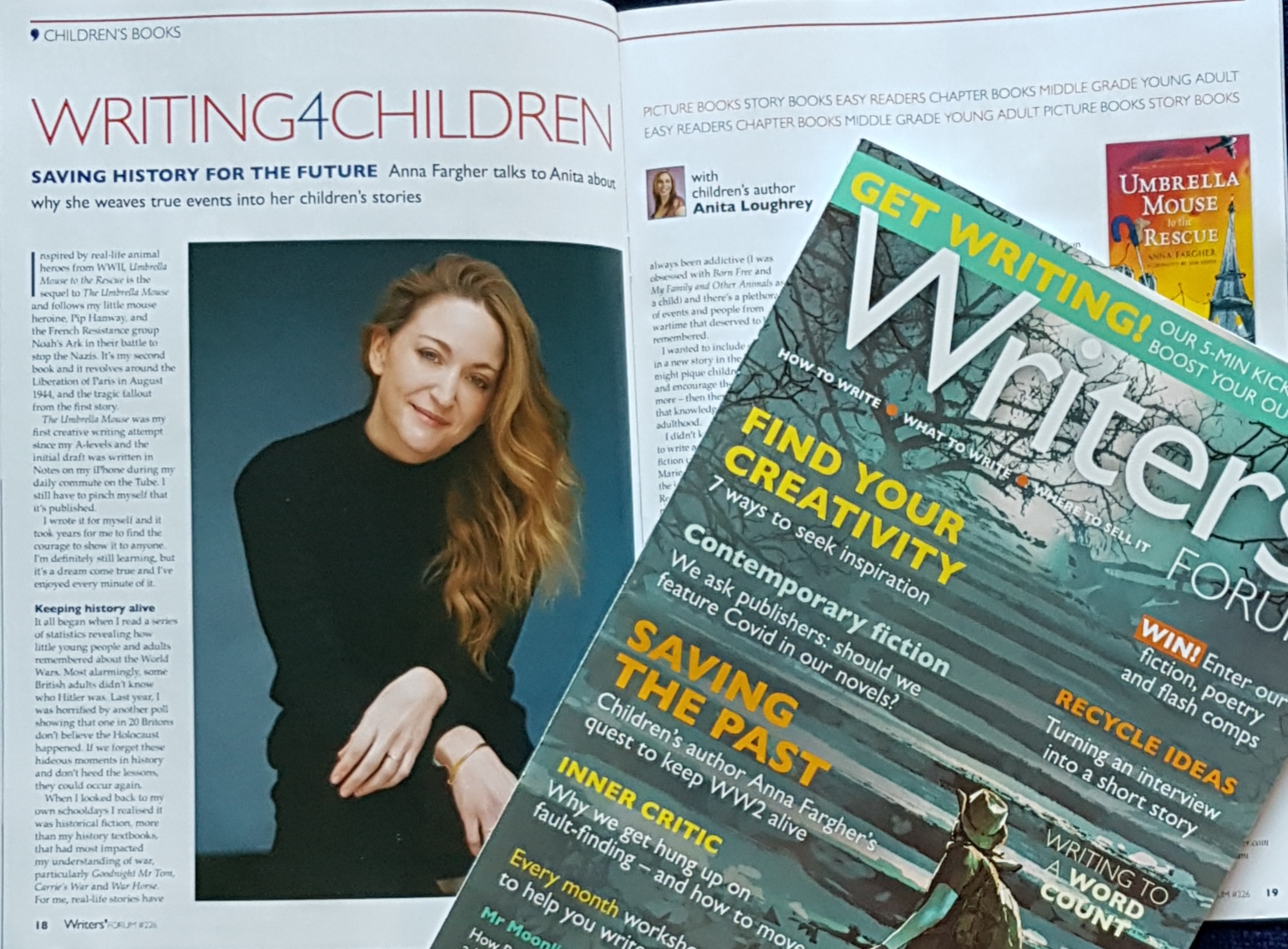
An interview with… Anna Fargher

In the November 2020 issue of Writers’ Forum, I interviewed the award winning author of the The Umbrella Mouse duology, Anna Fargher. She explained to me why she weaves true events into her children’s stories.

Anna was inspired when she read a series of statistics revealing how little young people and adults remembered about both world wars. Most alarmingly, she revealed some British adults didn’t know who Hitler was. She was also horrified by another poll showing that one in 20 Britons didn’t believe the Holocaust happened.

“If we forget these hideous moments in history and do not heed the lessons of the past, they could occur again.”

Anna Fargher

For Anna, real life stories have always been addictive (she was obsessed with Born Free and My Family and Other Animals as a child) and strongly believes there are a plethora of events and people from wartime that deserved to be remembered. She realised it was historical fiction, more than history textbooks that had most impacted her understanding of war, particularly Goodnight Mr Tom, Carrie’s War and War Horse and wanted to include some in a new story in the hope it might pique children’s interest and encourage them to learn more – then they could take that knowledge with them into adulthood.

The second book of the Umbrella Mouse duology, Umbrella Mouse to the Rescue, revolves around the Liberation of Paris that occurred in August 1944 , and the French Resistance group Noah’s Ark in their battle to stop the Nazis.

She weaved true events into Umbrella Mouse to the Rescue in a number of ways. Due to the numerous battles that were key in the lead up to the Liberation of Paris, she used dialogue to covey the sense of anxiety and urgency that was felt at the time. She ten visually used key moments from the uprising as part of the rising action.

She told me that the leader of Noah’s Arc, Marie-Madeleine Fourcade’s experiences had a huge impact on the story, thematically. The Gestapo hunted her and her two young children, who she put into hiding to keep safe, and that peril is what drives her in Umbrella Mouse to the Rescue. Betrayal was a constant threat to Noah’s Ark and many of their members were captured and killed due to traitors operating amongst them, and you’ll see it occur in both Umbrella Mouse books.

By giving them characters they care about, Kurt Vonnegut said:

“Be a sadist. No matter how sweet and innocent your leading characters, make awful things happen to them – in order that the reader may see what they are made of.”

Kurt Vonnegut

Anna said, it’s important to give your hero flaws and a universal motivation – something we all want – so their struggles and their drive to succeed are relatable. In The Umbrella Mouse books, Pip is orphaned and alone. She’s grief-stricken and reckless at times. All she wants is to find her last surviving family and get to a place where she will be safe. If we were in her position, we would pursue the same things. Pip never witnesses anything too graphic, but she is placed in wartime environments, such as battles and a prisoner camp that could be too disturbing if she or her friends were human.

“By introducing these difficult emotional subjects, children have the opportunity to learn about tragic times in history, and then they can discuss their feelings with adults, such as parents, teachers or librarians.”

Anna Fargher

Anna’s tip on writing for children is to read as many children’s books you can in the genre you want to write about so you can grasp the conventions and any animal nuances, and you’ll also learn what makes a great narrative arc. But she reminds authors to be discerning. In the words of P.D. James:

“Bad writing is contagious.”

P.D. James

“Writing for children is a joy; some days are harder than others but that’s true in every endeavour. Above all, don’t give up. Discipline and dedication gets books written.”

Anna Fargher

You can discover more about anna and her books on her website: www.annafargher.com and follow her on Twitter: @AnnaFargher and Instagram: @AnnaFargher

An interview with… Kit Berry

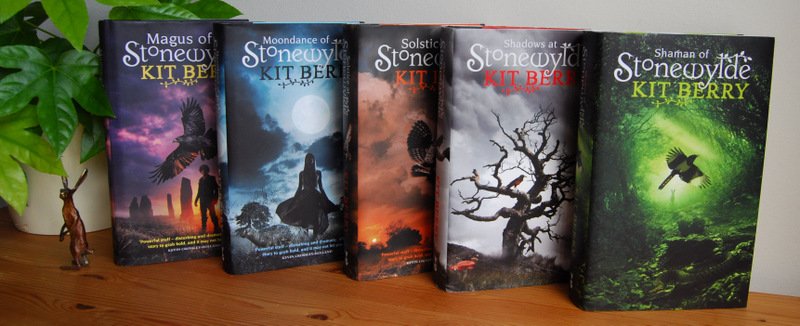
This month I have interviewed Kit Berry about the research she did into pagan beliefs for her YA series, Stonewylde.

Stonewylde is a five book series set in Dorset, in an imaginary setting, inspired by the beauty of the landscape and Kit’s interest in folklore and earth-based spirituality.  Stonewylde is a pagan community, with a beautiful stone circle where ceremonies are held at the eight festivals. 

“I wrote the series several years ago, starting the first book back in 2003. This was after a magical close up encounter with a hare one evening in local woods. My mother had recently died, and the hare stared deep into my eyes, sitting only a couple of metres from me, and stayed like that for a couple of minutes. I felt so honoured.  I went home and researched hares on my computer – and discovered their links to witchcraft and paganism.”

Kit Berry

Kit explained she was quite naïve about paganism and got involved with an online group, where a woman took her under her wing and told her how to cast a circle in my sitting room at the full moon. She was a single mum with three teenage boys, and also a school-teacher – so this wasn’t quite as simple as it seemed. The woman had told her she needed to be ‘sky-clad’, (naked) and was very prescriptive about how to set up the ritual space.  Kit has never been one for following rules, but decided to follow her instructions to the letter.  She banned her boys from entering the sitting room and cast her first circle.  When she’d finished, she went to turn the lights on again and fused the entire house.

Back in 2004, the YA market was just opening up, and although most of the editors enjoyed the story, they weren’t sure it was suitable for youngsters.  Kit’s agent advised her to self-publish. After selling over 20,000 copies of each of the first three books she acquired a new agent who got her a six figure deal with Orion Books under the Gollancz imprint– for the first three Stonewylde novels and two more, which she was planning to write.

Kit told me that for her research she picked anyone’s brains that she felt knew about ancient pagean sites. However she discovered quite early on that a lot of so-called knowledge is in fact pure supposition.

“Pagan people seem particularly prone to this – presenting an idea as fact, when we have no way of truly knowing how and what ancient people worshipped, nor how they conducted their rituals. So I had to use my imagination, but used facts wherever possible. For example, we know Stonehenge and other ancient circles have stones that align with the summer solstice sunrise, so I used this fact to add authenticity. The first rays of light at dawn on the summer solstice shining on one of the stones is a significant moment in the Stonewylde series.”

Kit Berry

The estate of Stonewylde is based on the Charborough Estate, which Kit used to drive past regularly in the 1990s.  This was at a time when there was a lot in the news about secret cults, and places cut off from the world with powerful leaders.  She told me how she would look at the long stone walls and the magnificent gates to this estate and let her imagination roam freely. Unfortunately, the estate isn’t open to the public so she couldn’t visit, although since the books were published she has done a charity event there, giving a talk and signing books.

Kit Berry at a book signing

Kit told me her most unusual research had to be the Villagers’ toilets. She did a lot of research into long drop/pit latrine toilets, because there’s no running water in the Village so obviously they wouldn’t have flushing toilets. 

Her research tip is not to take everything at face value. She suggests writers should look for several sources to check the authenticity of what you’ve discovered and especially be wary of people telling you information – much of it may be brilliant, but a lot of people do make things up, or base facts on very flimsy evidence and hearsay, or what they’d like to believe. So always use more than one source of information if it’s important; nowadays with so many search engines online, this is comparatively easy to do.

Kit explained that doing the research for Stonewylde was fascinating, and shelearned a lot but it’s so easy to get bogged down with research and feel you don’t yet know enough to start writing the story. It’s also a procrastination technique of course. Remember you can find out a lot about a subject, but you don’t want to overload the reader with too much of it. So stick to a few salient and relevant facts, and leave it at that.

You can find out more about Kit Berry and her books on her websites: www.kitberry.com and www.stonewylde.com

An interview with… Isabel Thomas

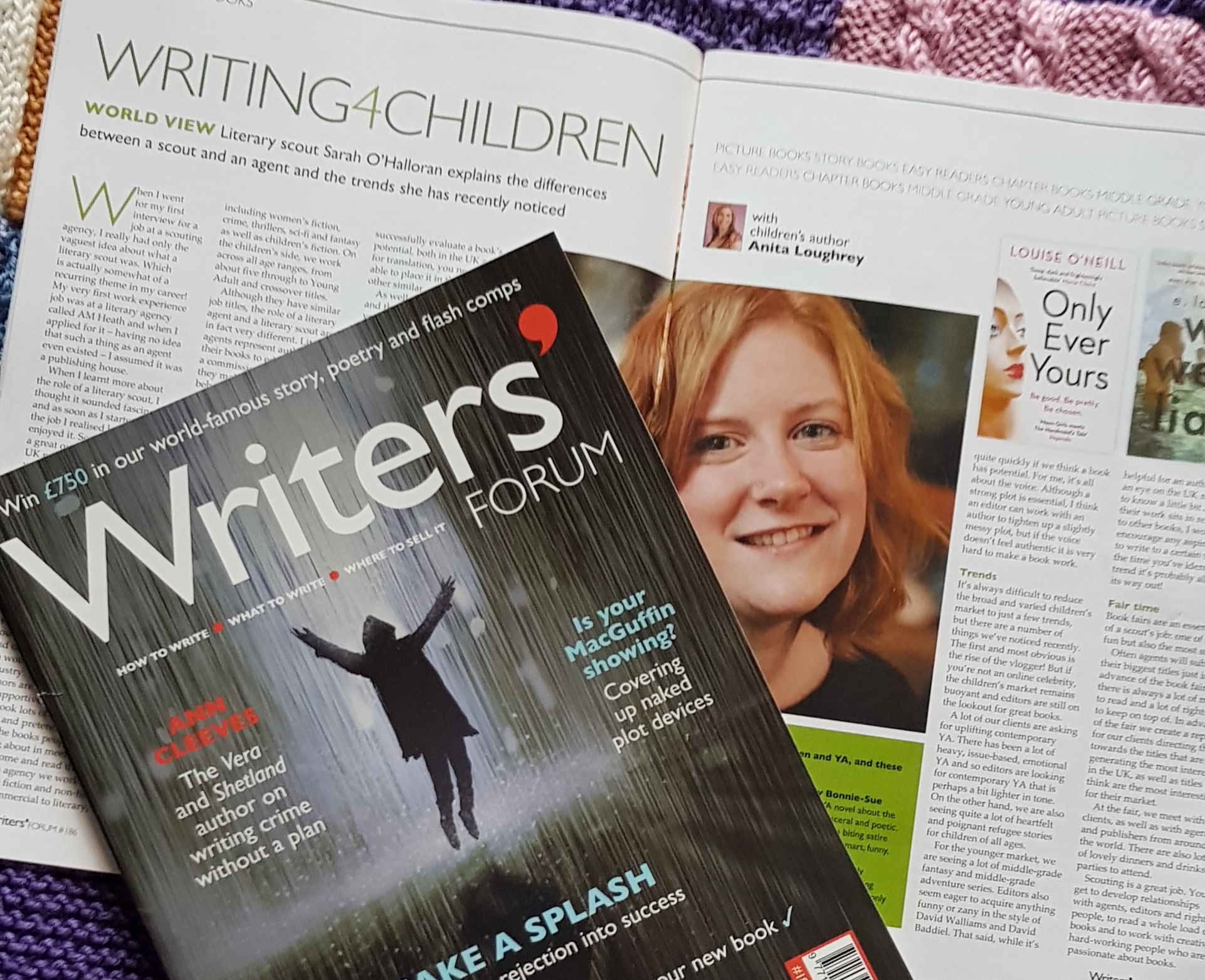
For my Writing 4 Children column, in the October 2020 issue of Writers’ Forum magazine, I interviewed Isabel Thomas about writing narrative non-fiction for children using her picture book Moth: An Evolution Story as an example.

Isabel explained that Moth: An Evolution Story is a picture book retelling of a classic evolutionary biology case study of natural selection in action. The story of the peppered moth’s adaptation to the environmental effects of the Industrial Revolution here in England. This book is published by Bloomsbury and has recently been released as a paperback.

She told me how she first encountered the story of he peppered moth at university, where she studied Human Sciences, a degree that’s grounded in evolutionary biology. Natural selection and adaptation were introduced onto the primary school curriculum in England quite a few years ago, but Isabel realised children start asking the big questions about life at a much younger age, pretty much as soon as they can talk. Questions like Where do we come from? and Why are there so many different plants and animals?

“I realised the peppered moth story could the perfect way to introduced natural selection and evolution to young children, and indeed to parents who had studied it ages ago and forgotten how it works.”

Isabel Thomas

Her aim was not to create a ‘science non-fiction book’ but a read-aloud narrative that has the power to entrance audiences of any age, and conveys the beauty and wonder of natural history at the same time. Isabel uses the picture book approach to help children make meaningful emotional connections with science, so the desire to understand the world scientifically becomes part of them. Children are familiar with narrative, with the page turn of a picture book, with moments of change and peril and hope. Woven into this familiar fabric, the building blocks of the theory of natural selection aren’t presented as obstacles of hard fact but become almost intuitive for readers as they predict what will happen on the next page turn.

“My top tip is to fastidiously footnote as you go, then you will always have that link back to your sources. Once I’ve amassed information and ideas, it’s a bit like I have a huge pile of Lego bricks. The next stage is beginning to assemble it into something that is greater than these individual parts. Choosing the best way explain or convey my excitement about a subject.”

Isabel Thomas

Isabel suggests writers should try and surprise readers, whether that’s through including the very latest science (rather than sticking rigidly to curriculum-linked content), or in the way you use language, or in the way that connect different areas of life. The way to do this is to surprise yourself, rather than trying to follow a recipe. She stipulates writers aspiring to write children’s creative non-fiction should read a lot of children’s creative non-fiction, as this is the best way to absorb language level and parameters – but don’t imitate.

“Be unexpected and make each pitch and project unique to you, as this is what will grab readers’ (and publishers’) attention. If you can think like an 8-year-old, you’re on the right track.”

Isabel Thomas

Another writing tip from Isabel is not to ‘write for children’ as you will risk ending up with either dry or patronising text. Her suggestion is to write as if you were talking to a friend about something you find absolutely fascinating because a good non-fiction book doesn’t make the reader feel like they’re learning from an expert – it makes them feel like THEY are the expert.

You can find out more about the different types of non-fiction Isabel writes on her online portfolio www.isabelthomas.co.uk or follow her on Twitter @isabelwriting and on Instagram @isabelthomasbooks

An interview with… Sahar Mustafah

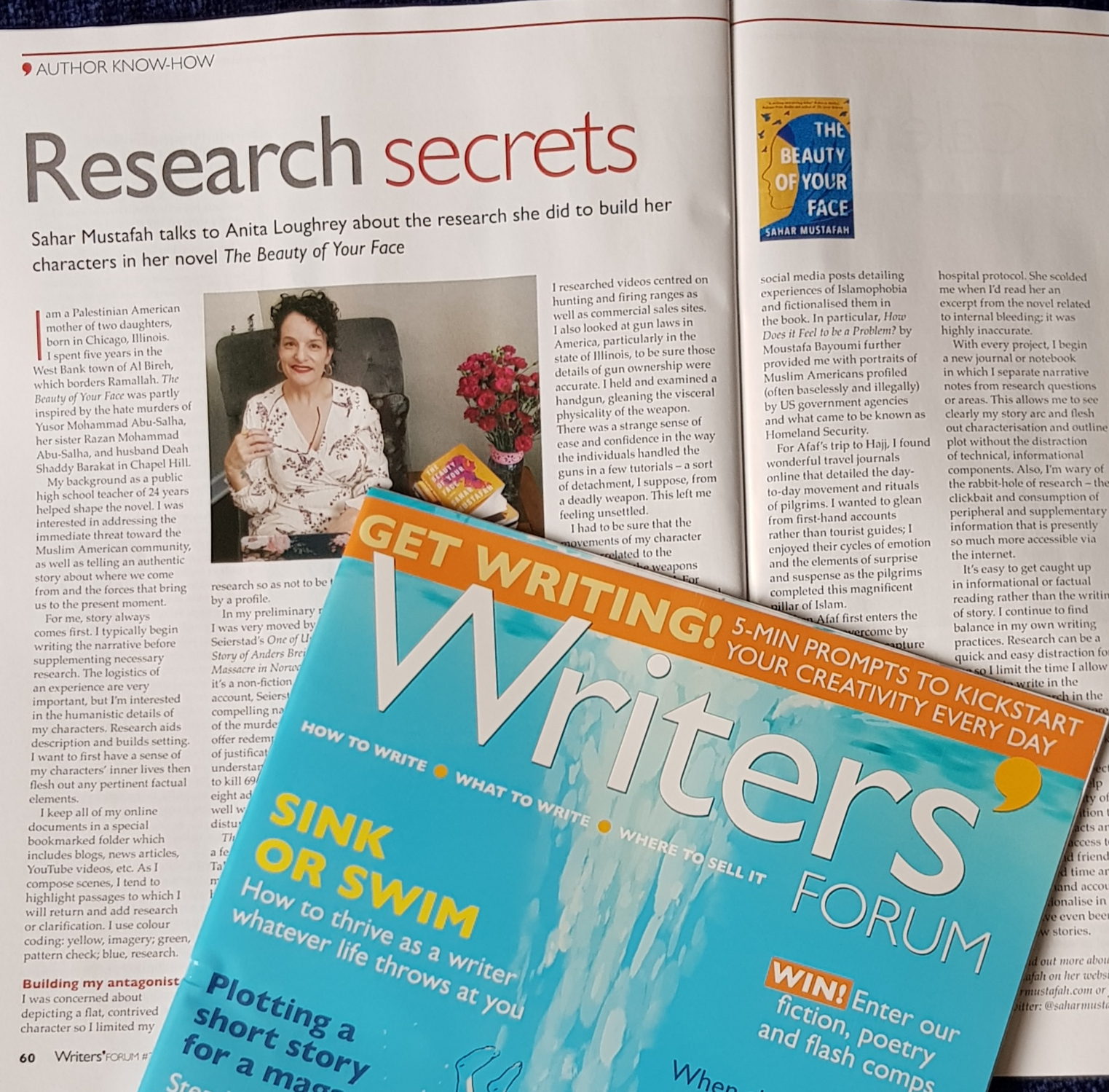
For the October 2020 edition of the national writing magazine, Writers’ Forum, I interview Palestinian-American author, Sahar Mustafah about the research she did to build her characters in her novel The Beauty of Your Face.

Sahar told me she was interested in addressing the immediate threat toward the Muslim American community, as well as tell an authentic story about where we come from and the forces that bring us to the present moment. For her, story always comes first. She typically begins writing the narrative before supplementing necessary research and she is particularly interested in the humanistic details of her characters.

Sahar explained research aids description and builds setting. She wanted to first have a sense of her characters’ inner lives then flesh out any pertinent factual elements. She did not want to depict flat, contrived characters so she limited her research so as not to be trapped by a profile.

“In my preliminary research, I was very moved by Åsne Seierstad’s One of Us: The Story of Anders Breivik and the Massacre in Norway. Though it’s a nonfiction, journalistic account, Seierstad offers a compelling narrative of the life of the murderer which doesn’t offer redemption or any sort of justification, as much as an understanding of how he had come to kill 69 young people and eight adults at a camp. It’s quite well-written though indelibly disturbing.”

Sahar Mustafah

Her protagonist, Afaf’s, storyline came, in part, from her personal background and the stories others have shared with her from her community. Her experience in Palestine allowed her to build that world when referenced in the novel in realistic ways, as well as having mostly lived and been raised in Illinois.

“After 9/11, my family and friends were experiencing near-daily incidents of harassment and discrimination at their local schools or on a trip to the grocery store.”

Sahar Mustafah

With every project, she begins a new journal or notebook in which I separate narrative notes from research questions/components. This allows Sahar to see her story arc clearly and flesh out characterization and outline plot without the distraction of technical, informational components. Sahar Mustafah’s tips to other writers when they are researching is to be wary of the rabbit-hole of research, i.e. clickbait and consumption of peripheral and supplementary information, which is presently so much more accessible via the internet.

“It’s easy to get caught up in informational or factual reading rather than the writing of story. I continue to find balance in my own writing practices. Research can be a quick and easy distraction for me so I limit its time. I tend to write in the morning so research in the latter part of the day is more productive for me.”

Sahar Mustafah
The beauty of your Face by Sahar Mustafah

As a lover of stories, Sahar explained she seeks out informal interviews with individuals relating to aspects of her research. She believes these help to preserve the humanity of the experience, in addition to providing technical facts and information. Her family members and friends who have provided time and interesting first hand accounts have been the seed of new stories.

You can find out more about Sahar Mustafah on her website www.saharmustafah.com or follow her on Twitter: @saharmustafah

An interview with… Peter James

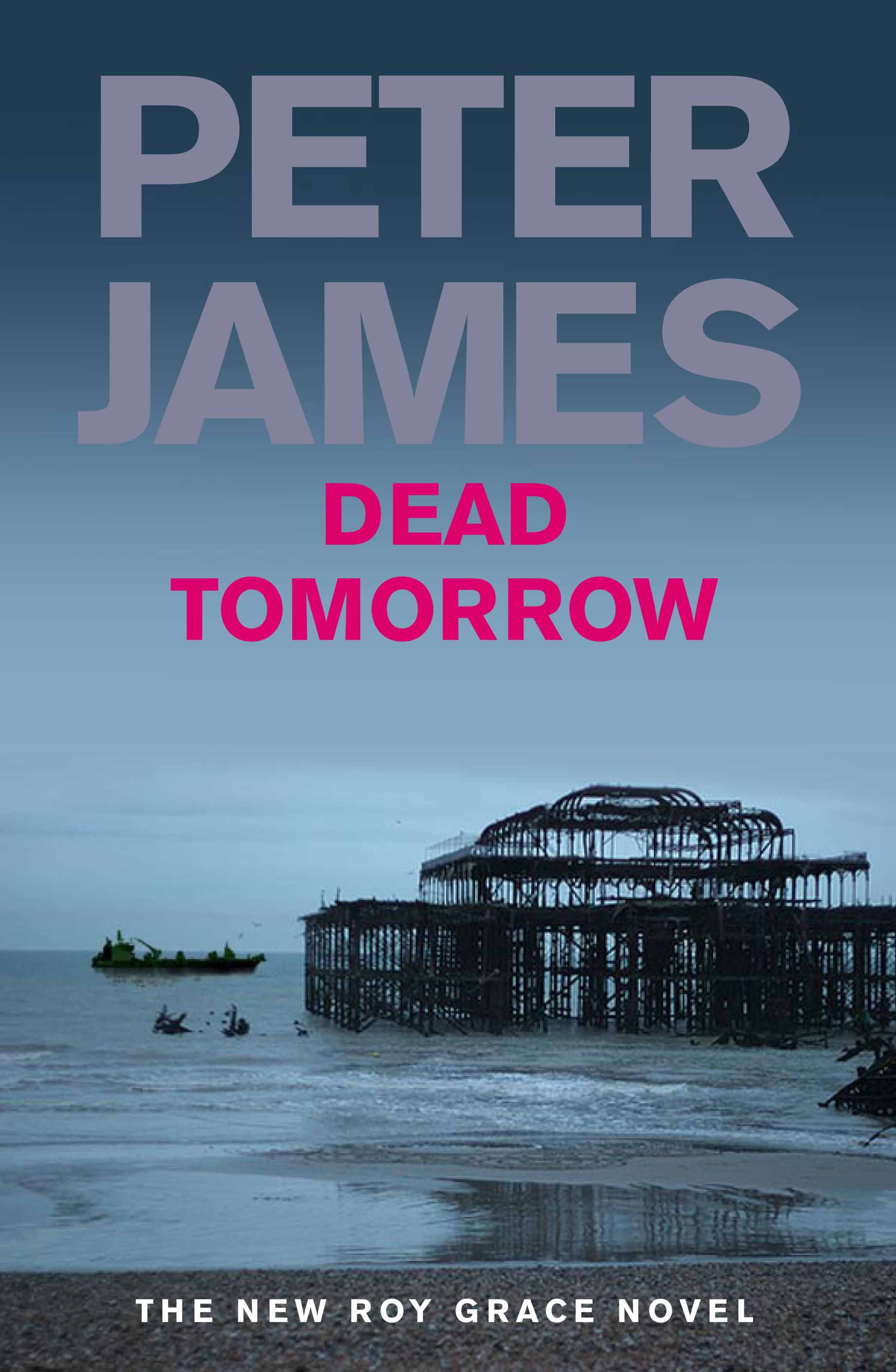
In September 2009, I interviewed crime writer, Peter James, author of the international bestselling Detective Superintendent Roy Grace series, published in over 30 languages, spends a day a week out with the Police and has recently been made Patron of Sussex Crimestoppers.  He told me all about his research for, Dead Tomorrow, published by Macmillan, June 5th 2009. This was one of the most shocking and fascinating interviews I have ever undertaken.

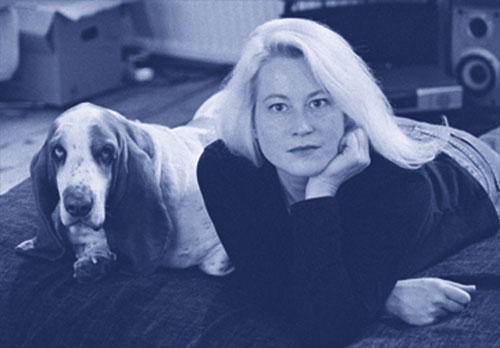
Peter James 1 - Low Res

Peter told me that for him, research is as important an element in writing his novels as character and plot. He views each of these elements as an inseparable trinity.

“Each of my Roy Grace novels has its genesis in a true story or in research facts – as indeed do all of my previous novels.” (Peter James)

The central story of Dead Tomorrow is a single mother, Lynn Beckett, whose 15 year old daughter, Caitlin, is suffering liver failure.  Unless she gets a transplant within weeks she will not survive. Knowing the true fact that 3 people die every day in the UK waiting for a transplant, Lynn panics that the system will let her daughter down and goes on the internet. She discovers a German organ broker who can obtain a liver for her but at a terrible financial and human price.

He explained the spark for Dead Tomorrow came from a chance conversation at a dinner party, back in 1998. He was seated next to multi-award winning documentary film maker Kate Blewett – best known for the harrowing The Dying Rooms. She asked Peter how much he thought his body was worth as a soup of chemicals. Peter had no idea and Kate informed him it was worth about 50p. She then asked how much he thought he was worth in body parts as a reasonably healthy human being and stunned Peter by telling him the black market price for a healthy teenage or adult human is around $1m.

You can get up to $400k for your liver, the same again for your heart-lungs, $60k for each kidney, then your skin, eyes, bones, and a few other bits and pieces…. The reason being there is a world shortage of human organs, caused by improvements in transplant techniques, a reluctance for people to donate, and most ironic off all, by more people wearing car seat belts – which means they don’t die of head injuries so much any more, leaving their bodies – and internal organs – intact. As a result, three people die every day in the UK, waiting for a transplant. Around 20% of people on the liver transplant waiting lists will die before they get one – in the USA the figure is as high as 90%.

Dead Tomorrow

In the past decade a huge international market for human organs has evolved.  In some countries it is illegal in others, it openly goes on. China has been steadily lowering the threshold of the death penalty for several years running, executing prisoners with a single head-shot and selling their bodies to Taiwan. Manilla in the Philippines is now known as One Kidney Island. You can go there for an all-inclusive price of about £50k, and get a kidney transplant. In India, in some castes, women routinely sell one kidney before they get married, for their dowry, and are joyfully happy with the $250 they receive.  In Columbia, the mafia are making more money out of human organ trafficking in some parts of the country, than from drugs.

As a true example of the illicit trade, in 1990, eminent British kidney transplant surgeon, Dr Raymond Crockett, who Peter has interviewed, was struck off the medical register for nine years for illegally buying kidneys, for UK patients, from four students in Turkey.

James told me he wrote a story for HBO Television in the USA several years ago.  It was about an eight-year-old street kid called Juanita who was begging outside El Dorado Airport in Bogota, Columbia.  She was arrested by the police and handed to a care agency.  From there she was put in an orphanage, a beautiful home in the country, with other kids her age.  When she was fourteen, the parents of a teenage girl in the USA, desperate for a liver, paid the Columbian mafia $450,000.  Juanita, who was a match, was killed and all her organs were harvested. Peter said:

“I am sure you are think that as I write fiction, that story was fiction.  But sadly it wasn’t, it was true…” (Peter James)

For each novel, it is not just the lives of his villains and victims that he researches. Peter explained keeping current with the police and getting the correct police procedures right is absolutely crucial. Early in Dead Tomorrow, a dredger hauls up the body of a recently dead teenager from the seabed, just off the coast of Brighton. Peter needed to understand how a dredger works, and what it does, so he spent a day at sea on a working one, off Shoreham.  Then he needed to understand what the police would do in this instance, and was told a Police dive team – the Specialist Search Unit – would go out and search the seabed for clues. 

“The SSU kindly took me out to sea on a training exercise – and there I learned too much information…!!!  I always had a romantic notion that being a police diver must be a great gig – you get to swan around in scuba gear, getting paid to do what you love. Wrong! It was explained to me that the police almost always dive in zero visibility – in muddy canals full of barbed wire and rusting supermarket trolleys and jagged metal, or in sewers, or in weed-strewn lakes, or the bottom of the English Channel which is always churned up.” (Peter James)

In the interview Peter explained the procedure is to drop a weighted line down to the sea bed, then connected to the surface by a voice line and air line, they sink down, carrying a 200 metre cable over their shoulders, with a weight on each end of it – this is called a “jackstay”.  They then lay it out in a straight line on the sea or river bed, and swim back, holding the line in one hand and sweeping in the pitch darkness with the other.  If they find nothing, they move the weights a foot to the right or left, gridding out the bed.  When they find a body, under their strict procedures, they have to hug it, in case a current carries it away, and radio to the surface for a colleague to descend with an airbag to raise it to the surface.  They will have no way of knowing whether this body has been there for days, or weeks or months, and it is likely to be crawling with crabs.

Peter James next Roy Grace novel, Find Them Dead is due to be released July 2020.

Find out more about Peter James and his books on his website: www.peterjames.com

To read the complete feature you can purchase a copy of #95 Sept 2009 Writers’ Forum by ordering online from Select Magazines.

To read my latest Research Secrets or Writing 4 Children interviews you can invest in a subscription from the Writers’ Forum website, or download Writers’ Forum to your iOS or Android device.

An interview with… Laura Wilson

In Oct 2009, I interviewed historical and psychological crime writer, Laura Wilson, about her research tips and techniques for my Research Secrets column in the national writing magazine Writers’ Forum #96.

Laura-Wilson-Freeway-300

Laura Wilson explained why for both historical and crime writers research is important. she said:

“There’s a standard piece of advice given to people who are starting to write fiction – write from your own experience. I would venture to suggest that if you are, like me, a writer of crime novels, it’s not very useful. What are you supposed to do? Go out and murder someone and then say, ‘Sorry, Officer, I was just doing it for research?’ It also rules out writing historical novels, science-fiction, fantasy, and quite a lot else besides.”

She explained that if you are not going to create a fictitious town or village, you can make your task easier by choosing to set your work in an area you know well. Laura often writes about the West End of London, as she lived and worked there for a number of years and is very familiar with it. However she did make it clear, a writer should always be allowed to take liberties. For example, she once moved a whole seaside town five miles down the Essex coast, although she pointed this out in the acknowledgements so the readers, if they choose to look at them, were forewarned and didn’t write her letters pointing out the ‘mistake’.

Another tip Laura gave in he feature to make life easier was give your protagonist a job you have done yourself. For example, Dick Francis, the ex-jockey, writes stories set in the world of horse-racing. Research for him must be comparatively simple, because he has both the knowledge and the contacts. Laura admitted sometimes too much knowledge can get in the way and hold up the action. The best piece of advice about writing she has ever come across is from Elmore Leonard, who says, ‘Leave out the boring bits’.

It’s always tempting to slip in factoids because you know them, forgetting that the reader wants a narrative, not a lot of information about coal-mining or dry-cleaning or how to put on a crinoline or whatever it happens to be.

She is adamant story-line must always be paramount, and don’t let anyone tell you different, as there’s a risk that research becomes a displacement activity that holds up the business of writing.  she explained there should be two main reasons for research: the first is to ensure that your story-line will stand up, and the second is to underpin your work with authenticity and truth.

she told me there are some practical steps one can take to find things out: the police and other experts are astonishingly helpful, provided that you are specific in your questions. Go to the library, do your homework, and work out exactly what it is you need to know first. Buying drinks or lunch usually pays dividends.

It’s important, too, to confirm things you think you already know – get it confirmed by another source. There’s a lot of debate about the efficacy of the internet as a research tool they need to be checked against something more reliable. People’s memories can be faulty, too. Nothing beats a spot of physical research – as Black Beauty said, ‘Feeling is believing’.

Research can bring your nearer to the characters. Laura said: 

“While writing my fifth novel, The Lover, I had great difficulty getting into the mind of the killer, Jim Rushton. The book is set during the Second World War and Rushton is a fighter pilot, so, after consulting the genuine articles, I booked myself a trip in the nearest machine I could get to a Spitfire, a Harvard Training plane which had been modified to seat two people.

I discovered for myself the amazing adrenaline rush other pilots had described to me.” (Laura Wilson)

T6harvard

To read the complete feature you can purchase a copy of #96 Oct 2009 Writers’ Forum by ordering online from Select Magazines.

To read my latest Research Secrets interview you can invest in a postal subscription from the Writers’ Forum website or download Writers’ Forum to your iOS or Android device.

For more information about Laura Wilson and her novels take a look at her website: www.laura-wilson.co.uk

An interview with… Michael Lawrence

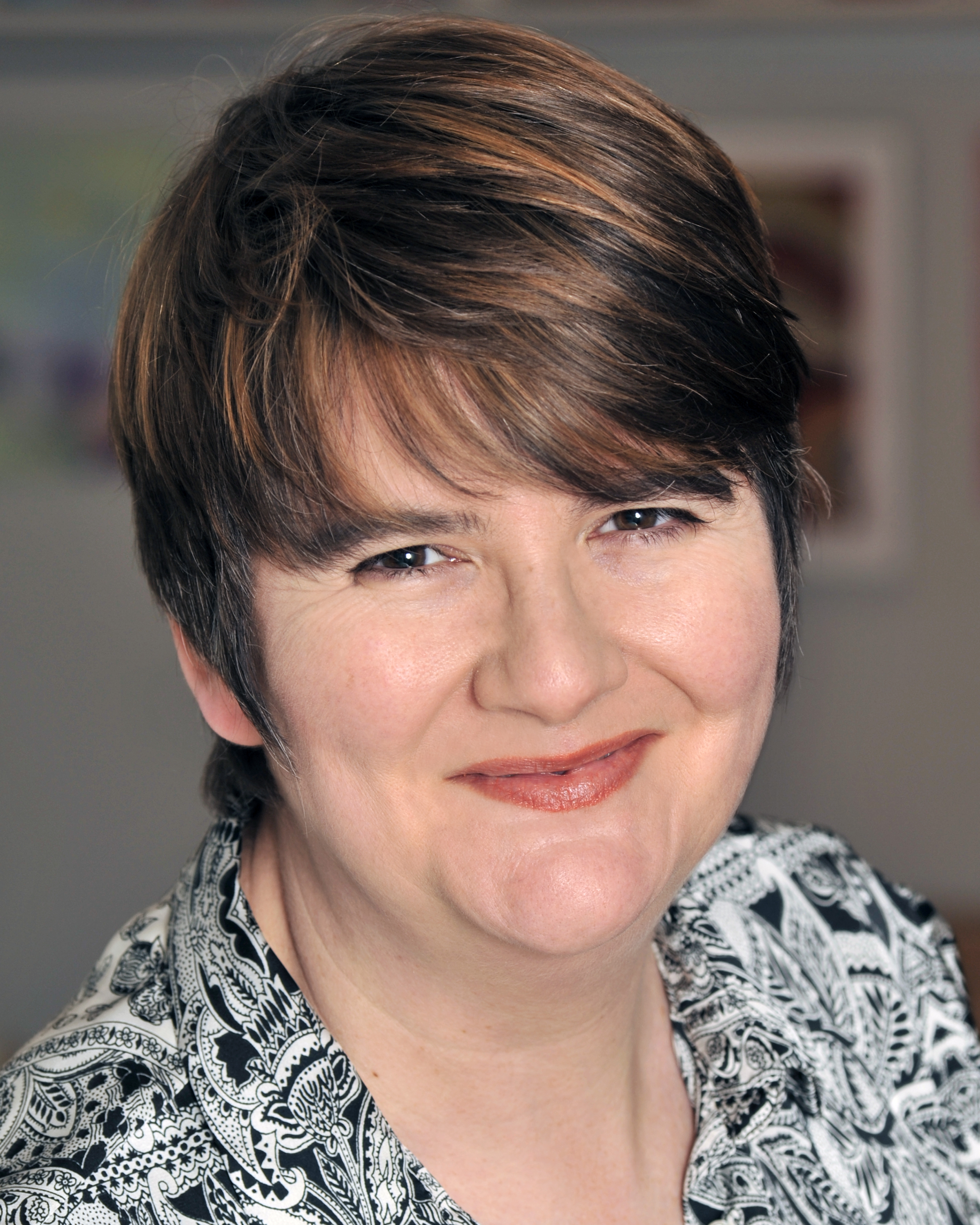
For the #97 Sept 2009 issue of Writers’ Forum I interviewed children’s book writer Michaew Lawrence. Michael told me he does not like to specialise. His first book for children came out in 1995. Since then he has published around 50 more of various kinds, from first picture books to young adult novels.

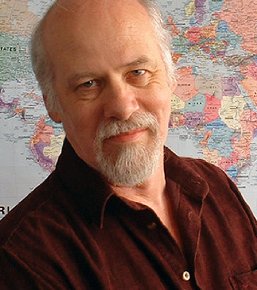
Michael Lawrence

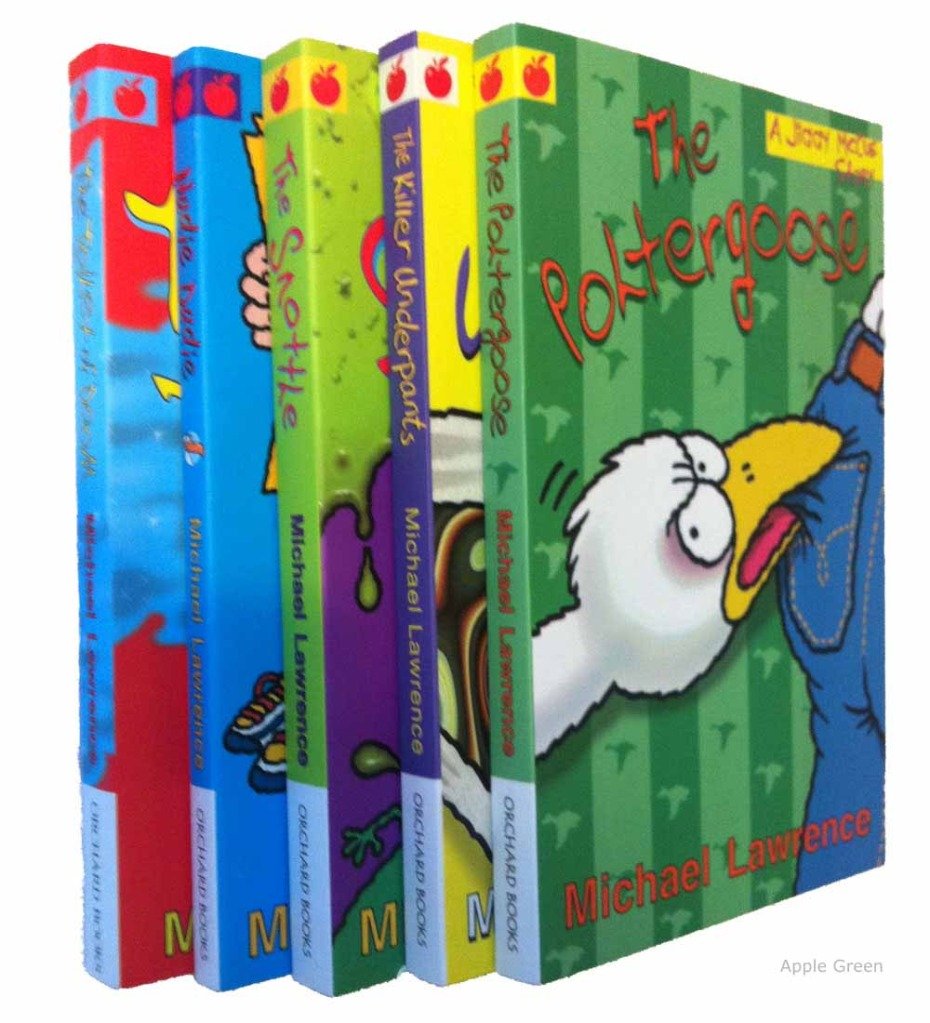
His most popular books are the Jiggy McCue novels, which include The Killer Underpants, the Toilet of Doom, The Meanest Genie and The Iron, the Switch and the Broom Cupboard. He publishes one of these a year.

Jiggy McCue books

Michael explained he does not research the Jiggy McCue stories at all, or even attempt to reflect the times the kids live in to any great extent. Mobile phones, DVDs, famous film stars and so on are mentioned, but Jiggy and Co’s school experiences are essentially his own from over half a century ago. He bases their lessons on the lessons that he still remembers so well, and some of their teachers were his actual teachers he even uses their real names. You might think this would date the books, but Micheal said that children can’t have changed as much as we imagine, because a great many of them write to him to say the books are so much like their world.

Ideas for books often come to Michael in unexpected ways and often in unlikely places. Michael told me that one very wet Sunday in August 2008, he was in Tintagel, Cornwall, walking up the hill to the site of an Arthurian battle re-enactment, when the thought came that Jiggy’s parents might be visiting or taking part in just such a show and Jiggy is either whisked back in time or a knight from the past comes forward into his time. But almost at once he dismissed this as too obvious.

Plenty of bizarre things happen in Jiggy’s world, but time travel seemed unlikely to be one of them. But then he thought, suppose someone very like Jiggy lived in a century when men wore armour, fought with swords and jousted, and by the time he got to the re-enactment the spin-off series idea was born. It will be called Jiggy’s Genes, and each book is about an ancestor of Jiggy’s who bears not only the same nickname as him, but has similar attitudes, in spite of the time he is attached to.

He bought himself a hefty hardback Le Morte d’Arthur, a new copy of Roger Lancelyn Green’s King Arthur and His Knights of the Round Table (fondly remembered from childhood) plus various books and pamphlets about life and conditions in the 15th century and also trawled the Internet for alternative insights.

In the first book Jiggy’s Magic Balls, Thomas Malory has just escaped from gaol and has an idea for a saga about knights, great battles and quests. He asks for Jiggy’s help with ideas. The Arthur that Jiggy points out to Malory is a shifty little pickpocket, and Merlin is a shyster lawyer who specialises in divorce cases. Michael explained Malory uses their names but does something rather ambitious with their characters…

For the second book in the series,Jiggy and the Witchfinder, his 17th century hero meets Matthew Hopkins, the Witchfinder General, who wants to hang Jiggy’s Nan as a witch. Michael told me:

“Any Jiggy book must have a goodly quota of laughs, but the England of the period was beset by war, disease and poverty, and saw the execution of a great many innocent people at the hands of dreadful men like Hopkins, so it hasn’t been easy keeping the story light as well as realistic.” (Michael Lawrence)

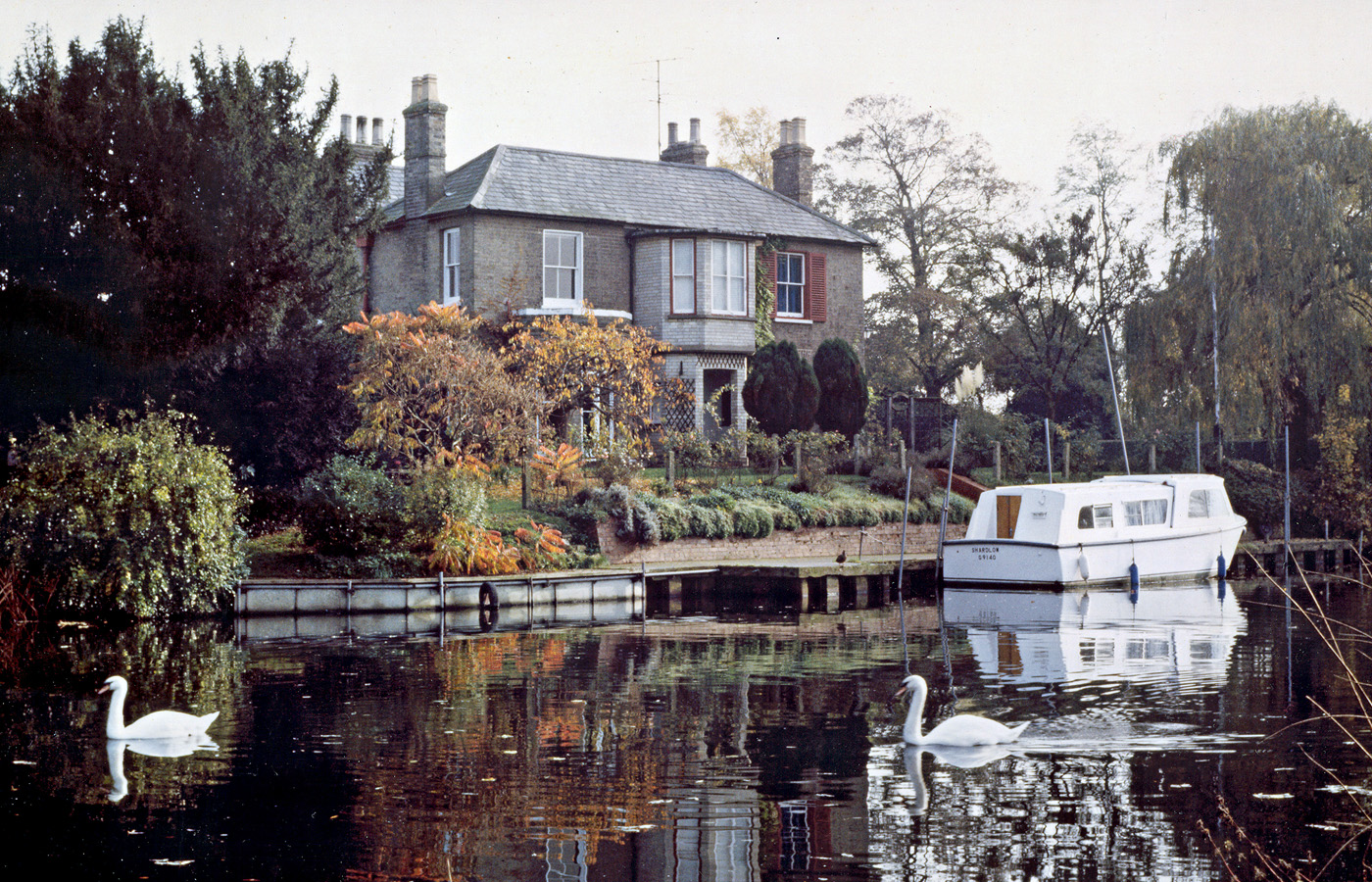
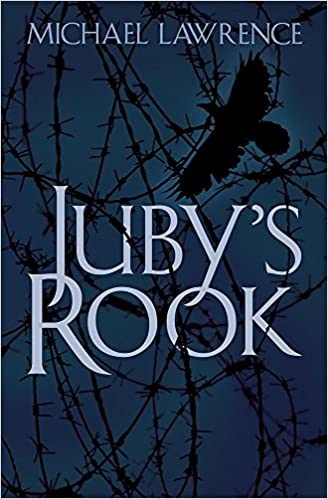
Michael’s trilogy, The Aldous Lexicon (A Crack in the Line, Small Eternities and The Underwood See) and Juby’s Rook are all set in the ruined village of Rouklye, which is based on Tyneham in southern Dorset. He used his first house as the model for Withern Rise in Small Eternities: The Aldous Lexicon 2.

ML's first house (model for Withern Rise in The Aldous Lexicon) (2)

ML’s first house (model for Withern Rise in The Aldous Lexicon) (2)

“My research for the trilogy has been literally life-long, as the setting is the house and village I was born in. In the three years it took me to write the books I returned there constantly, and during the writing my desk was littered with photographs of the house, the stretch of river on whose bank it stands, and the village and attached market town.” (Michael Lawrence)

In 1943, Churchill’s War Office requisitioned the Tyneham Valley for troop training and weapons testing, evacuating everyone who lived there. They promised to return it when the war was over but never did, and today Tyneham. It is still ‘owned’ by The Ministry of Defence and is a sad, haunted ruin of a place. Juby’s Rook is set in 1999 and is about an elderly man (Juby Bench) who was a teenager in the village when everyone was turfed out.

jubys rook

He returns every August to take note of the extent of the decay and walk his old haunts. Michael has walked all of these haunts, during which, over several visits, he made extensive notes and took hundreds of photographs. Michael told me the completed book took about nine years to sell. If you haven’t heard of it, it’s because it sank without trace or a single review. Yet Juby’s Rook is one of the books he is most pleased to have got into print.

To read the complete feature you can purchase a copy of #97 Sept 2009 Writers’ Forum by ordering online from Select Magazines.

To read my latest Research Secrets or Writing 4 Children interviews you can invest in a subscription from the Writers’ Forum website or download Writers’ Forum to your iOS or Android device.

An interview with… Jo Franklin

In issue #182 Dec 2016 of Writers’ Forum I spoke to my friend, Jo Franklin, about why she prefers to write about children who feel they are on the edge of society.

Jo Franklinwood_0100

She explained that for most of her childhood she lived on a small farm in rural Sussex with hardly any social life. When she was eleven she was sent to boarding school. It was a very strange combination – the claustrophobic all female environment during term time and the boredom of the farm during the holidays. She never felt that she belonged in either place so felt very isolated. She read books as my means of escape and this led her to Sylvia Plath.

“I totally related to Esther in The Bell Jar. It was a revelation to me that Sylvia Plath could write so openly about her deepest feelings, thinly disguised in a novel and she got recognition for it. I knew that was what I wanted to do.” (Jo Franklin)

Jo joined a creative writing class at The City Lit in London and started putting words down on paper – stories about teenagers struggling with first love and identity; taking bits of her tortured soul and refashioning them into words on paper.

She discovered the important thing about writing for children is to find your inner child and reconnect to it so that your writing is convincing and real. Jo advises authors who want to write for children to ‘write who you are’ as if you can channel some of your own experience into the characters they will be rounder.

Jo found herself writing about characters who are on the edge of the society they live in – tomboys, geeks and outsiders. Some of her misfit characters wonder what they should do to fit into the mainstream. Others are more confident with who they are and the stories show that maybe society should open their hearts to the fringe characters in our world. Exploring the issues that children face is actually a way of exploring your own issues.

In her book, Help I’m an Alien, Dan feels such a misfit that when his sister tells him he’s an alien, he believes her. In Help I’m a Genius (the second title in the series) Dan is so intimidated by the brain power of the rest of his family, that when he is selected to represent the school in a National Brainiac Competition, he is convinced he is going to humiliate himself. He recognises that he doesn’t fit in and the stories explore how he feels about that. I’m interested in the range of emotions that go with searching for your own identity.

Jo doesn’t write specifically for girls or boys as she believes children’s books should be universal . 

“I hope that my stories are accessible to everyone regardless of whether the main character is male or female.They are written with a broader outlook, but publishers sometimes get hung up on which slice of the market they are focusing on selling the books to. My worst fear is a publisher giving one of my books a girlie pink cover. I was a tomboy growing up and I still hate pink.” (Jo Franklin)

Jo told me a great children’s book needs to be written from a child’s heart and soul. The voice has to resonate as true. It doesn’t matter whether a book is funny, exciting or mysterious it somehow has to lead the characters on a thrilling journey of self-discovery and include emotional insight as well as enthralling action. Some of the facts of children’s lives are different now – technology dominates their lives – but they still face the emotional journey we all went through.

Her advice is if you want to give writing for children a go, a good way to start is to work on a memory and see where it takes you. How did you feel the first time you saw your mother/father cry? Remember that time you did something wrong and you passed the blame onto someone else with disastrous consequences? What did it feel like to walk into your new school aged eleven? Choose one of these and write for fifteen minutes. See where it takes you.  Enjoy it. Don’t worry about anything other than your joy at putting words on paper.

The next step is to join a writer’s circle, critique group or creative writing class. It’s a great way to begin learning your craft and meeting like-minded people. Perseverance is the thing which differentiates a published author from the many aspiring but unpublished writers.

You can find out more about Jo Franklin, her books and writing life on her website www.jofranklinauthor.co.uk and follow her on Twitter @jofranklin2

To read the complete feature you can purchase a copy of  Writers’ Forum issue #182 Dec 2016 online from Select Magazines.

To read my latest Research Secrets or Writing 4 Children interviews you can invest in a subscription from the Writers’ Forum website or download Writers’ Forum to your iOS or Android device.

An interview with… Jake Hope

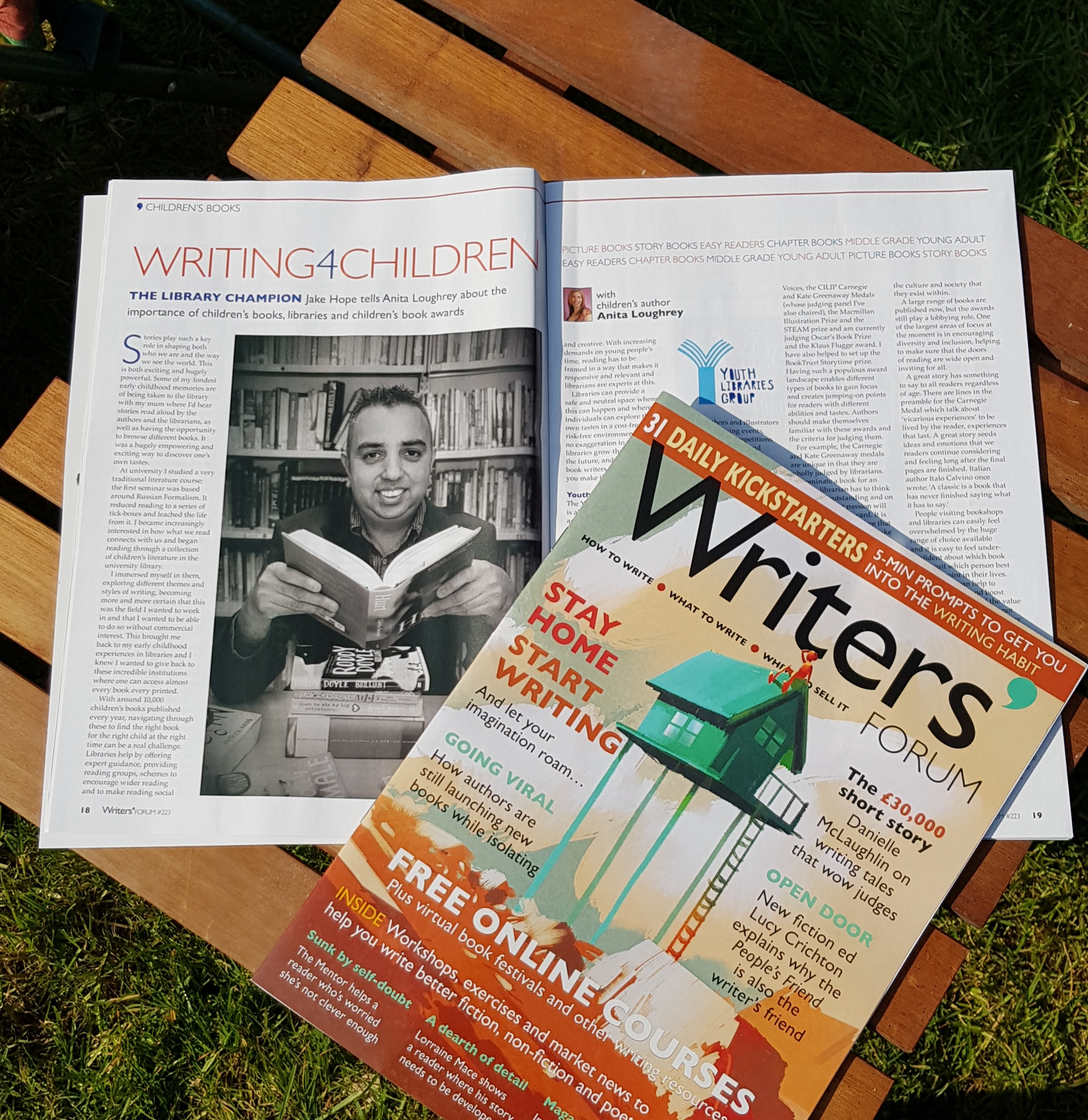
Jake Hope (Chair of CILIP’s Youth Libraries Group and Chair of the CILIP Carnegie and Kate Greenaway Awards Working Party) talked to me about the importance of children’s books, libraries and children’s book awards. He talked about how stories play such a key role in shaping both who we are and the way we see the world.

Jake_Hope feature 4

Some of his fondest early childhood memories are of being taken to the library with his mum where he would listen to stories read aloud during story times by the authors and the librarians, as well as having the opportunity to browse different books. He explained exploring and experimenting in this way is a hugely empowering and exciting way to discover and widen one’s own tastes.

Throughout his life Jake has immersed himself in exploring different themes and styles of writing. With around 10,000 children’s books commercially published every year, navigating through these to find the right book for the right child at the right time can be a real challenge. Libraries help by offering expert guidance, providing reading groups, schemes to encourage wider reading and to make reading social and creative. With increasing demands on young people’s time, reading has to be framed in a way that makes it responsive and relevant and librarians are experts at this.

Libraries can provide a safe and neutral space where this can happen and where individuals can explore their own tastes in a cost-free, risk-free environment. It is no exaggeration to say that libraries grow the readers of the future and as children’s book writers and illustrators you make this possible.

Youth Library Group

YLG logo jpg

Jake told me that the Youth Libraries Group is all about connections. They are one of the special interest groups of CILIP (the library and information association) and have over 1,500 members. The membership is comprised of librarians working with children and young people in public libraries, in school libraries and for school library services – these are organisations who tailor collections of books to meet curriculum needs and who work to provide support and advice on reading for pleasure and library provision to schools.

The Youth Libraries Group is an extraordinary collective of highly committed and knowledgeable experts who share a unique passion for reading and for library provision for children and young people. The connections the group have means we are able to support through giving advice on what has been published in the past and present, providing access to groups of young readers who can often test manuscripts or provide insight into their reading tastes. They support authors and illustrators through organising events, promotions and competitions to bring greater focus and profile to creators.

Children’s book awards

Print

Children’s book awards play a role in helping to make sure that certain types of book do not go unrecognised. Humorous writing, for example, does not always get the most recognition through awards, though funny books play such an important role in reading for pleasure. Awards like the Roald Dahl Funny Prize, as was, and the Laugh Out Loud awards, the LOLLIES, help to make sure these titles don’t get overlooked.

Jake has been a judge for many book awards such as: the Blue Peter Book Awards, the Costa, the Branford Boase, the Diverse Voices, the CILIP Carnegie and Kate Greenaway Medals (whose judging panel I’ve also chaired), the Macmillan Illustration Prize and the STEAM prize and am currently judging Oscar’s Book Prize and the Klaus Flugge award. He also helped to set up the BookTrust Storytime prize.

Having such a populous award landscape enables different types of books to gain focus and creates jumping-on points for readers with different abilities and tastes. Awards remain responsive to the culture and society that they exist within. Jake advises authors to make themselves familiar with these awards and the criteria for judging them.

“A large range of books are published now, but the awards still play a lobbying role. One of the largest areas of focus for this lobbying at the moment is in encouraging diversity and inclusion, helping to make sure that the doors of reading are wide open and are inviting for all.” Jake Hope

Jake elaborated that a great story has something to say to all readers regardless of age. Criteria are a useful way for book awards to appraise a range of different titles and styles of writing, but it’s important not to downplay the overall impact that language, characterisation, plot and style can have on a reader too.

“By working together and creating critical mass we can support one another and build new opportunities. With our combined skills and knowledge we can experiment and excite new generations of readers.” (Jake Hope)

People can easily feel overwhelmed by the huge range of choice that is available and it is easy to feel under-confident about which book might suit which person best at which point in their lives. Book awards can help to build awareness and boost confidence. In spite of the value of awards, it is important not to downplay the fact that every time a reader picks up a book and connects with it, this is the biggest win of all.

The present is not an easy time either for libraries or for authors and illustrators.  Challenging times can present real opportunities for innovation and imagination, however, and by working together and creating critical mass we can support one another and build new opportunities. With our combined skills and knowledge we can experiment and excite new generations of readers.

To find out more about Jake Hope visit his website: www.jakehope.org and follow him on Twitter @jake_hope

To find out more about the Youth Libraries Group visit: www.cilip.org.uk/ylg and follow them on Twitter @youthlibraries

To read the complete feature you can purchase a copy of #223 2020 Writers’ Forum online from Select Magazines.

To read my latest Research Secrets or Writing 4 Children interviews you can invest in a subscription from the Writers’ Forum website or download Writers’ Forum to your iOS or Android device.

An interview with… Matt Gaw

In this month’s issue of Writers’ Forum I have interviewed Matt Gaw about his research for his second book, Under the Stars, which was published by Elliott & Thompson in February this year. It is about moonlight, starlight and how the subtle shades of darkness are under threat from an artificially lit world, exploring through a series of nocturnal walks, our relationship with natural night.

Matt Gaw 6

Matt’s inspiration to write Under the Stars came from something his son said when he was trying to get him to bed one night. He was 10 at the time and pushing to stay up. His son told him the average human spends around 26 years of their life asleep and felt like this was a waste of time. Matt realised that although he had been out at night – camping or toddling home from the pub – he had never gone out just to experience night.

Under the Stars jkt

So when day after a heavy snow fall, he decided to do some research and walk in King’s Forest near his home in Suffolk. Matt was amazed at the changes that happened as darkness slowly began to rise, changes that affected both the landscape and his own body.

“I think I realised then how much natural light there is at night; how night isn’t a black bookend today, but a place of subtlety and shades.” (Matt Gaw)

Matt explained walking the different routes to research the book was an organic process. He started off close to home and then started to go further afield when he wanted to explore both darker and brighter landscapes because he feels it is important for people to experience the nightscape close to home.

“It’s about being honest I guess, showing people that there are problems but there is action that can be taken and beauty to be found.” (Matt Gaw)

Matt told me he realised he felt safer the darker it was as once your senses have adapted to darkness, it is easy enough to navigate.

“It’s strange really, in some ways your world is made smaller – you operate in this reduced bubble of visibility – but in other ways it is infinitely bigger. At night you experience not only space, but time; the light from the stars has often been travelling for thousands of years before it reaches your retina.” (Matt Gaw)

Matt explained that wildlife is most active at dusk and dawn and I was lucky enough to see an otter hunting in Scotland and had some memorable encounters later with a huge, galloping herd of deer in King’s Forest and nightjar on Dartmoor. He has edited Suffolk Wildlife Trust’s magazine for a number of years so has an excellent foundation in natural history, but discovered he also needed to do quite a bit of additional research.

The main thing was looking at how artificial light impacts on different species, so he read quite a few scientific papers and also interviewed academics working in the field. For example, Travis Longcore, one of the first people to write extensively about artificial light and ecology was very generous with his time and illustrated to Matt how our perception of darkness is a world apart from that of nocturnal species. He recounts parts of this conversation in Chapter 5, while exploring the night close to his Suffolk home.

His research tip to other travel writers is to read everything on your topic or location – local guides, national stories, folk stories, blogs, scientific papers – then rip it all up and write your own. Matt tries not to over plan his trips, he has a rough idea of where he will start and where he wants to go, but he prefers to be adaptable to prevent being  closed off to the actual experience. If you’re just marching from A to B Matt believes you will lose something.

Matt’s has also written The Pull of the River where he explores Britain’s waterways with his friend James in a canoe, to give a new insight into nature, place and friendship.

Pull of the River

To find out more about Matt Gaw and his writing you can look at his website www.mattgaw.com, and follow him on Twitter @Mattgaw and Instagram @mattgaw

You can read the complete feature in #223 2020, which is available to buy from Writers’ Forum online at Select Magazines.

To read my latest Research Secrets or Writing 4 Children interviews you can invest in a subscription from the Writers’ Forum website or download Writers’ Forum to your iOS or Android device.