Category Archives: Research Secrets

An Interview with… Jules Wake

For the #238 Nov 2021 issue of Writers’ Forum, I interviewed Jules Wake about the research for her historical novel inspired by Latimer House.

Jules told me she had no intention of writing a historical novel but the idea for The Secrets of Latimer House was one of those wonderful, serendipitous times when a fully formed idea just popped into her head, literally overnight, inspired by a talk by the real life events that took place at Latimer House in Buckinghamshire during World War II. The house, home to a secret POW camp housing senior officers of the German armed forces, was bugged from top to bottom, so that their every conversations could be recorded. 

The Secrets of Latimer House by Jules Wake

She explained that this in itself was fascinating, however what really sparked her interest was the number of women at the house who were involved in a wide variety of roles from interrogating prisoners, translating transcripts from German to English and analysing data through to compiling intelligence reports.

“Writing a historical novel during lockdown presented quite a challenge compared to writing my next novel The Cosy Cottage in Ireland, written by my alter ego, Julie Caplin. For this I was able to rely heavily on You Tube videos to visit numerous tourist locations by proxy.”

Jules Wake

Jules elaborated that when it came to writing The Secrets of Latimer House, she had to be more innovative because she couldn’t use a lot of the usual channels for her historical research during the lockdowns. she told me she would have normally started by visiting the Imperial War Museum or the National Archives at Kew which holds many of the original reports and documents from Latimer House. Unfortunately, with the National Archives closed, she couldn’t do as much original research as she would have liked, so had to do a lot of desk research instead.

This involved reading a lot of books. Jules told me she read a number of reference books for research and was careful to find a second source of the same information and to use historical accounts as inspiration to create fictional versions.  For example, in one reference book there was a detailed account of how someone was recruited to work at Latimer.  Jules described how she created a fictional alternative to this scene by reading up on the process from different sources.

She explained that Michael Smith’s, The Debs of Bletchley Park, gives several different accounts of Wrens being recruited to Bletchley Park, as does Sara Baring’s autobiographical account of her life at Bletchley in The Road to Station X. From these she constructed her own recruitment scene based on the sort of things that would have happened, rather than on exactly what did happen.  

Jules said reading more generally about wartime Britain was also invaluable, enabling her to write with a better understanding of what ordinary people experienced during the war. It gave her a flavour of what people’s lives were like and their different attitude towards everything from views on foreigners, bombing raids and joining up through to American GIs, the black market and rationing. 

“As my story is narrated in third person but from the view point of three different characters from very different backgrounds, it was important for me that each of them used the right sort of language.  I nearly came a cropper when I wanted to use the phrase, ‘in slow motion’.  The technique of slow motion in films hadn’t been invented in 1943! I also spent a lot of time googling the origin of phrases and items that we take for granted.”

Jules Wake

She particularly recommends reading self-published titles, which can be goldmines of information as they’re often written by real enthusiasts and experts with access to first-hand accounts. For example, Derek Nudd’s Castaways of the Kriegsmarine (his grandfather was actually the Commander at Latimer House) is an incredibly detailed account of information garnered from prisoners at the house, which gave Jules a lovely insight into what went on at the house, including the fact that prisoners were taken out on trips. This allowed her to create her own scene of prisoners being driven around London which was loosely based on true accounts of prisoners going out on journeys designed to undermine their confidence in the success of the German bombing campaigns.

She revealed, the accounts of the German Jews living at Latimer house who worked as listeners and translators, including Egon Brandt and Franz Lustig were invaluable. Both were  German Jews who had escaped to Britain and their memories helped shape one of her characters, in particular their views of the German prisoners and the work they were doing.  

Her advice to writers of historical fiction is to use your research to inform and direct but not to let yourself be led by it. Readers want to know that they are in safe hands but hate being patronised by too much superior knowledge.

You can find out more about Jules wake on her website www.juleswake.co.uk and on Twitter @Juleswake.

To read the complete feature you can purchase a copy of #238 Nov 2021 Writers’ Forum by ordering online from Select Magazines.

To read my future Research Secrets or Writing 4 Children interviews you can invest in a subscription from the Writers’ Forum website, or download Writers’ Forum to your iOS or Android device.

An interview with… Alex Evelyn

For my Research Secrets slot in this month’s #244 9 June 2022 issue of Writers’ Forum, I interviewed debut children’s writer, Alex Evelyn, about her research into botany for her middle grade novel, The Secret Wild, published by Walker Books.

Alex Evelyn explained she was actually writing a time travel story set in Egypt when the idea for The Secret Wild came to her. So she filed the original idea and switched her research from pharaohs to plants. The idea for her main characters Fern and Special came to her when she was helping at a plant sale at her village primary school. The children were queueing up to buy mini cacti, and when they had their new ‘pet’ in their hands they were chatting about what they were going to call them and where in their bedrooms they were going to put them. Alex did some research which showed house plant sales were booming amongst younger people, which gave her story idea roots. Alex revealed:

“During my research I was surprised to learn that there is such a thing as botonaphobia. Fern’s friend Woody’s character was already partly based on my own journey with anxiety, and when I read about this very specific fear I had to explore more.”

Alex Evelyn

She explained one of the things she has learnt about anxiety is that your own fears can be almost incomprehensible to others who don’t suffer from the same fear. This was the case for her with botonophobia – she couldn’t imagine how anyone could be scared of something she found so soothing. Fern is also very confused by it, but as she learns about friendships, she learns not to judge this unusual fear of Woody’s.

“I am very aware that writing for young children I need to entertain first and educate second – and never, ever to preach. Characters and a well-paced story have to form the backbone, the STEM is merely the flesh.”

Alex Evelyn

Alex told me one of the most useful resources she didcovered during her research was a second hand collection of Kew Garden botany books from World of Books. Determined to become an overnight expert she ploughed straight in to their Latin for Gardeners but no matter how hard she tried she couldn’t remember the plants’ Latin names, and so the part of Fern’s character that drives her scientist Dad Darwin mad was created – she, like Alex, can never remember names and responds more to how the plants look and feel than by being successful at categorising them.

To see plants through a child’s eyes or to ‘think the right height’ she dipped in to the Plantopedia by Adrienne Barman, a beautifully illustrated book that categorises plants using criteria that appeal to a young child.  From the ‘imposters’ to the ‘stinkers’, the ‘useful’ and the ‘healers’ to the ‘poisoners’. Alex explained the book brings the amazing plants on this earth to life as if they are characters.

The Secret Wild by Alex Evelyn

Alex divulged her setting was inspired by a visit to the Natural History Museum in London when she strolled past a sign for an open garden on the roof on an office block. She wondered what was hidden away up there, beyond the reach of our eyes. The shoot of an idea began to sprout – a glasshouse in the sky that held plants from the wilder places of the world.

“I am not a natural city dweller, and so it was easy to write Fern’s astonishment at arriving in such a big, overwhelming place. Fern is much more at home surrounded by the wilds of the rainforest. The minute we could get back on to the streets of London I was there with notebook in hand. I wanted to try and show that as a Londoner you can feel that you live in a village tucked in to the greater mass of the city.”

Alex Evelyn

Alex revealed that one of her favourite pieces of research was visiting the great glasshouses of Kew Gardens as this helped with writing the five senses. Feeling so hot that sweat ran down her legs, seeing water droplets on luscious leaves and feeling the texture of the plants bought them to life in a way she could never have discovered from books alone.

Kew Gardens

Alex told me she often ‘writes with her nose’ and it was the smell of the Kew glasshouses that helped her write the scene when Fern and Woody first walk in to Oleander’s glasshouse in the sky:

As they stepped forwards, they parted a cloud of butterflies which scattered like tiny pieces of torn paper being blown in the wind. A warm, figgy smell wrapped itself around her nostrils, sweet and delicious.

Extract from The Secret Wild by Alex Evelyn

Alex’s tip to other writers is to let your research lead you to places you haven’t necessarily planned. She elaborated that she often finds her narrative guided by things she discovered by digging a bit deeper and a bit wider. Nothing is ever wasted, even if you don’t end up using your research directly it might inform the depth of a character or a setting. But you do have to know when to stop. Research can be a lovely black hole that stops you from focusing on the hard task of drafting words in to a story. 

You can follow Alex on Twitter @alexrevelyn.

To read the complete feature you can purchase a copy of #244 8 Jun 2022 Writers’ Forum by ordering online from Select Magazines.

To read my future Writing 4 Children or Research Secrets interviews you can invest in a subscription from the Writers’ Forum website, or download Writers’ Forum to your iOS or Android device.

An Interview with… Simon Bowden

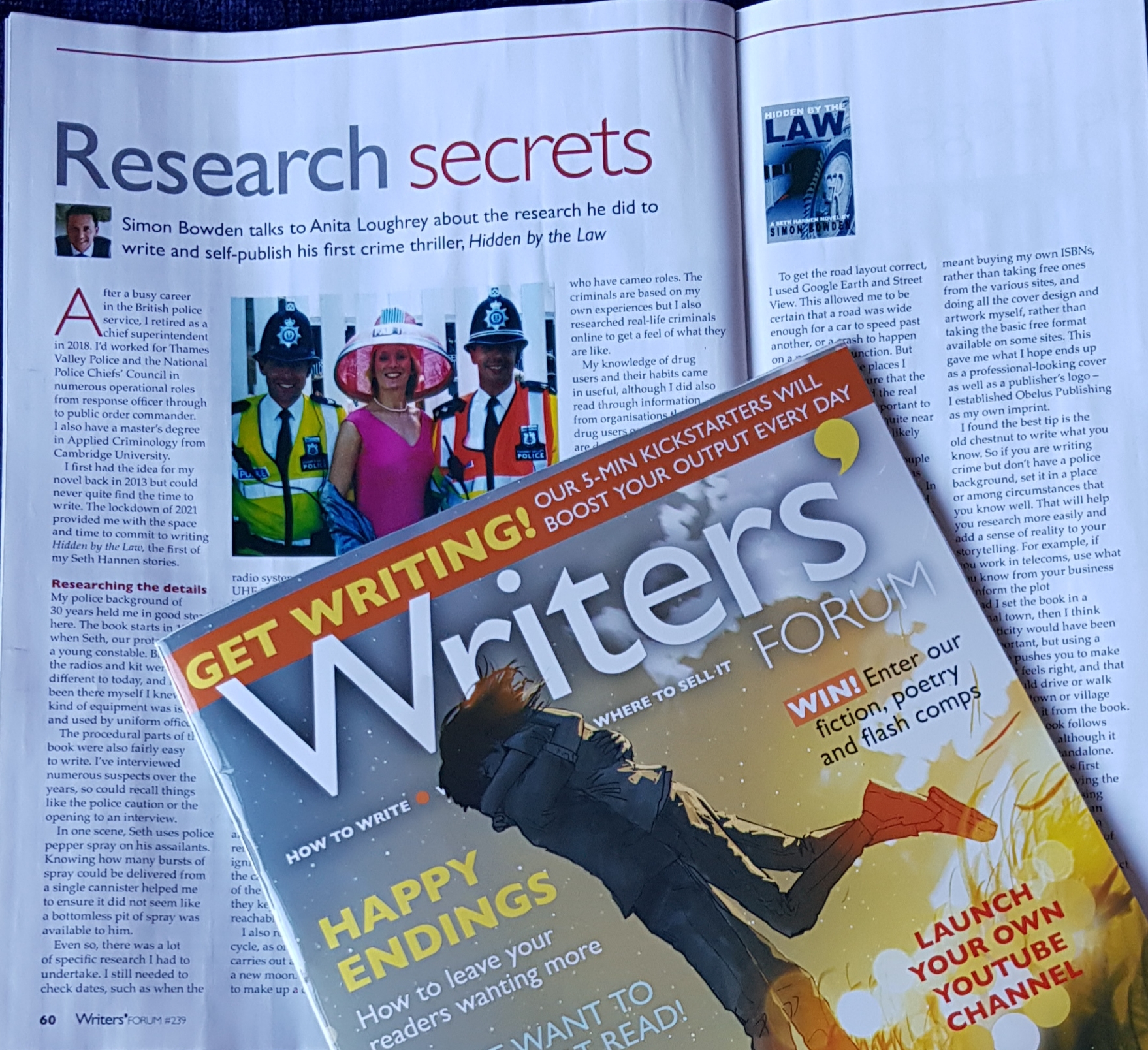
For my Research Secrets slot in the #239 Dec 2021 issue of Writers’ Forum I interview retired chief superintendent, Simon Bowden, about the research he did to write his first crime thriller, Hidden by the Law.

Simon first had the idea for his novel back in 2013, but could never quite find the time to write. The coronavirus lockdown of 2020 provided him with the space and time to commit to writing Hidden by the Law, which is the first of the Seth Hannen stories.

Simon explains the books starts in 1992, when Seth, our protagonist is a young constable. Back then the radio’s and issued kit were very different to today and Simon recalled what kind of radios and equipment were issued and used by uniform officers. He still found he needed to check dates that things like the radio system changed from UHF radios to the current Airwave Tetra system, as he knew getting that kind of detail wrong would soon be called out by police officers who may read the book. He revealed the procedural parts of the book were fairly easy to write about as he has experience of interviewing numerous suspects over the years, so things like the police caution, or the opening to an interview remain indelibly printed in his mind.

Even so there was a lot of specific research he had to undertake for Hidden by the Law. For example, the first chapter finds Seth working the Royal Ascot horse racing meeting. He told me to ensure he got this correct, he needed to check the dates for the meeting that took place back in 1992, to ensure he chose the right day for ladies’ day etc. 

He wanted his villain to be driving a new Aston Martin of the day, and there is a scene where Seth removed the keys from the ignition, while stood outside the car. So, he looked at photographs of the interior of the car to make sure the keys would be reachable from the window. If the car had a strange place for the ignition key, the scene would not have worked, and he would have had to choose a different car. 

He also researched the lunar cycle for one of the characters who carried out a burglary on an evening of a new moon. 

“It would be easy to make up a day and just say that it was a new moon, but I know some people will check that kind of detail. While the book is a work of fiction, the setting and circumstances need to feel realistic.” 

Simon Bowden

In another example, Simon told me he had one of his characters carry a gun in an ankle holster, and while he does not give too much detail on the weapon, he researched which guns would generally be able to be carried in that fashion, as it would not have worked having him carry a great big Magnum pistol on his ankle.

Simon revealed his characters are a mix of people he knows in real life. Only the cameo roles of a couple of my friends are real, the rest are based upon his own experiences of criminals or police officers. He researched criminals from online media sources to get the ‘feel’ of what they are like and how they could be portrayed. His personal knowledge of drug users and their habits came in useful, although he did also read some information from organisations that help drug users get clean to help him write the descriptions of what a drug user feels and goes through when taking drugs.

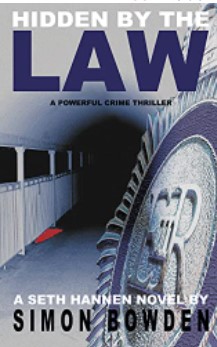
Hidden by the Law by Simon Bowden

Simon’s tip to other authors wanting to write a crime series is to write what you know, so if you are writing crime, set it in a circumstance or place that you know well. That will help you find research areas more easily and allow a real sense of reality to your story telling. For example, if you work in telecoms in London, set the story in London and use what you know from your business to inform the plot. He warned there is a lot of misinformation online so suggests you should take extra steps to verify what you find.

“For me there is a fine line between fiction that is completely false, and fiction that takes place in a real setting, place, or time.  I think had I set the book in a fictional town, then authenticity would be less important, but using a real place pushes you to make sure that it feels right, and that a reader could drive or walk through the town or village and recognise it from the book.”

Simon Bowden

Simon’s second book follows on from the first, although it can be read as a stand-alone. It follows Seth in his first assignment after leaving the police service, so will have less of an epic timeframe. He used his knowledge of human trafficking and terrorism to create a credible story of someone born and brought up with committing an act of terror in mind.

Simon blogs on his Facebook page @simonbowdenauthor, and tweets @AuthorBowden.

To read the complete feature you can purchase a copy of #239 Dec 2021 Writers’ Forum by ordering online from Select Magazines.

To read my future Research Secrets or Writing 4 Children interviews you can invest in a subscription from the Writers’ Forum website, or download Writers’ Forum to your iOS or Android device.
An interview with… Owen Dwyer

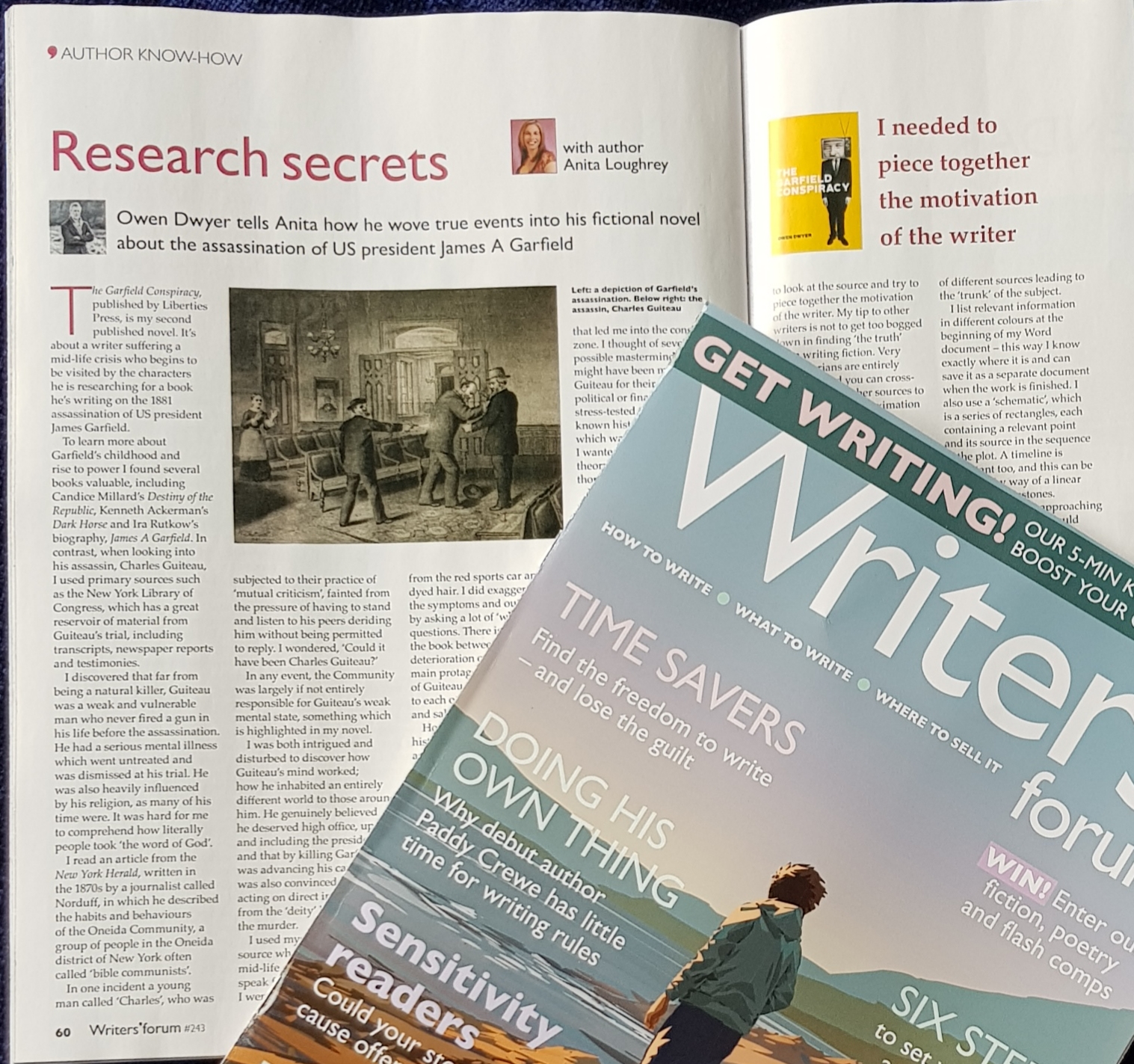
In this months issue of Writers’ Forum, May 2022 #243, I interviewed psychological thriller author, Owen Dwyer, about his research secrets. He told me all about how he weaved true events into his fictional novel, The Garfield Conspiracy, published by Liberties Press.

The book is about a writer suffering from a mid-life crisis who begins to be visited by the characters he is researching for a book he’s writing on the 1881 assassination of President James Garfield. Owen started his research with Roscoe Conkling, whose name he had come across whilst exploring on Wikipedia. The strangeness of the name intrigued him.

Roscoe Conkling, leading Senator of his day

Further investigation revealed Roscoe Conkling to be the most influential Republican senator of the Reconstruction Period (between the end of the Civil War and beginning of the twentieth century in America). Owen discovered he was a political enemy of President Garfield and a hero to the assassin Charles Guiteau.  

Owen turned to primary sources to do more in-depth research into Charles Guiteau, such as the New York Library of Congress, which has a great reservoir of material from Guiteau’s trial, including transcripts, newspaper reports and testimonies. He discovered that far from being a natural killer, Guiteau was a weak and vulnerable man who never fired a gun in his life before the assassination. He had a serious mental illness which went untreated and was dismissed at his trial. He was also heavily influenced by his religion, as many of his time were – it was hard to comprehend how literally people took ‘the word of God’.  

This realisation inspired Owen to research the Oneida County community, a group of people in the Oneida district of New York often called ‘bible communists’.

“I read an article from the New York Herald, written in the 1870s by a journalist called Norduff, in which he described the habits and behaviours of the Oneida County community including one incident where a young man called ‘Charles’ who was subject to their practice of ‘mutual criticism’, fainted from the pressure of having to stand and listen to his peers deriding him without being permitted to reply.”

Owen Dwyer

Owen wondered if this man could it have been Charles Guiteau. He was both intrigued and disturbed to discover how Charles Guiteau mind worked, how he inhabited an entirely different world to those around him.

Charles Guiteau, the ‘lunatic’ assassin

Charles Guiteau genuinely believed he deserved high office up to and including the presidency and that by killing Garfield he was advancing his cause. He was also convinced that he was acting on direct instructions from the ‘deity’ by committing the murder. this realisation helped him to shape his character within the novel.

Owen revealed that finding the historical characters’ ‘voices’ was difficult as there are no recordings of any of the nineteenth century characters in existence. He had to rely on their personal letters and political speeches, which by their nature were elaborate. My characters therefore ended up with florid vocabularies, with which they reproached my main protagonist for his irreverent, scandal worthy and preposterous behaviour.

The fact Guiteau shot Garfield is not in dispute. It was the reason why he shot him that led Owen into the conspiracy zone.

“I thought of several possible masterminds who might have been manipulating Guiteau for their personal political or financial gain and stress tested these against known historical data to see which was the most plausible. I wanted to make sure my theory would stand up to the scrutiny of a thorough historian.”

Owen Dwyer

Owen’s advice when approaching research is that you should start with your objective and work backwards. Don’t accept the first corroborating piece of evidence you find, but cross-check against other sources. That way, you’ll properly interrogate your subject, make it more plausible and possibly unearth other interesting information you might not otherwise have found.

The Garfield Conspiracy by Owen Dwyer

In The Garfield Conspiracy Owen accessed and studied the mind of a ‘lunatic’, which gave him new and valuable insight into mental illness – he felt more informed and sympathetic as a result – about both himself and others.  

If anyone wants to reach out to Owen Dwyer, he has said he would be delighted to hear from you on his website owendwyerauthor.com, twitter @owendwyerauthor, and / or Facebook @owendwyerauthor.

To read the complete feature you can purchase a copy of #243 4 May 2022 Writers’ Forum by ordering online from Select Magazines.

To read my future Research Secrets or Writing 4 Children interviews you can invest in a subscription from the Writers’ Forum website, or download Writers’ Forum to your iOS or Android device.
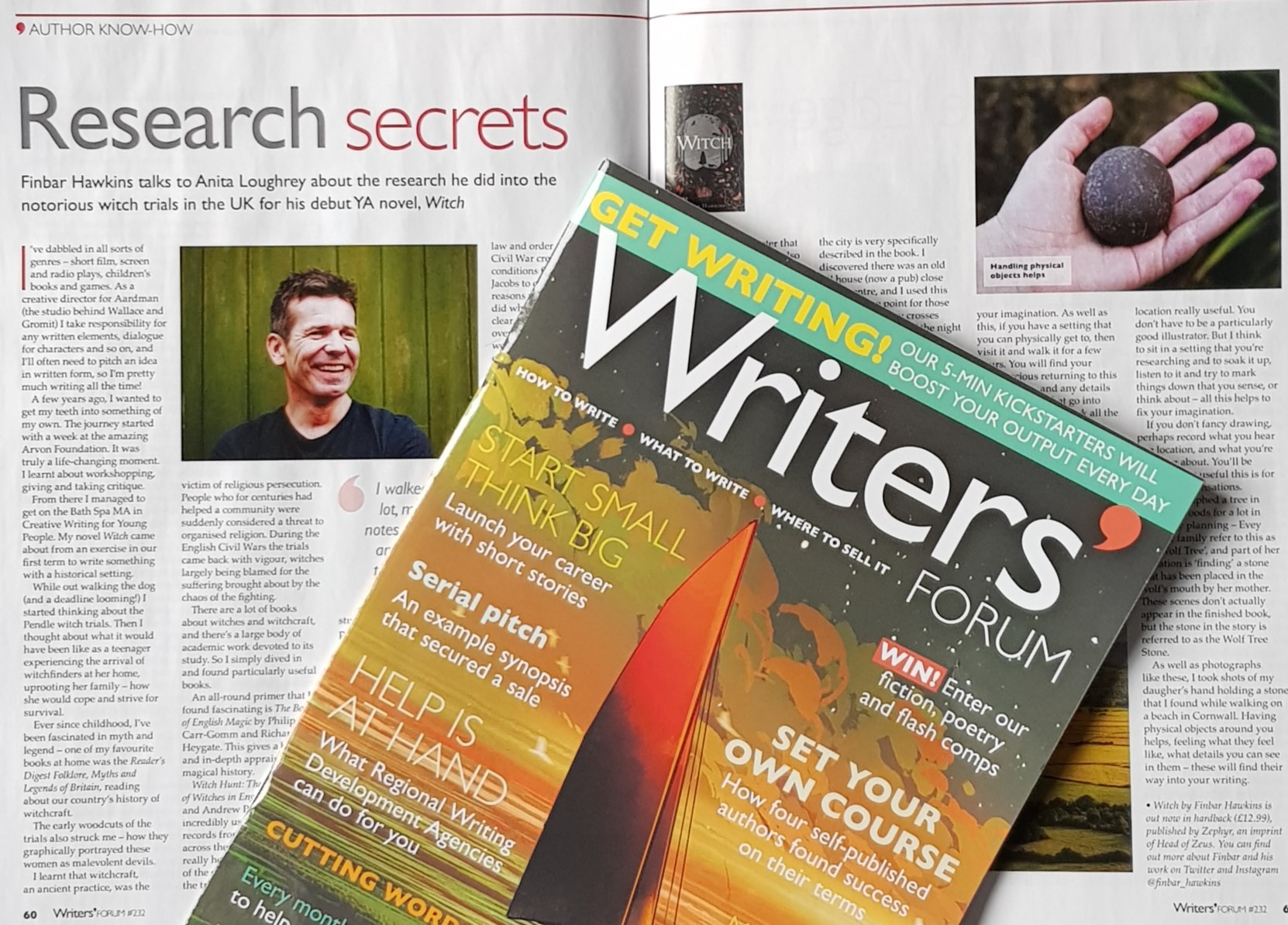
An interview with… Finbar Hawkins

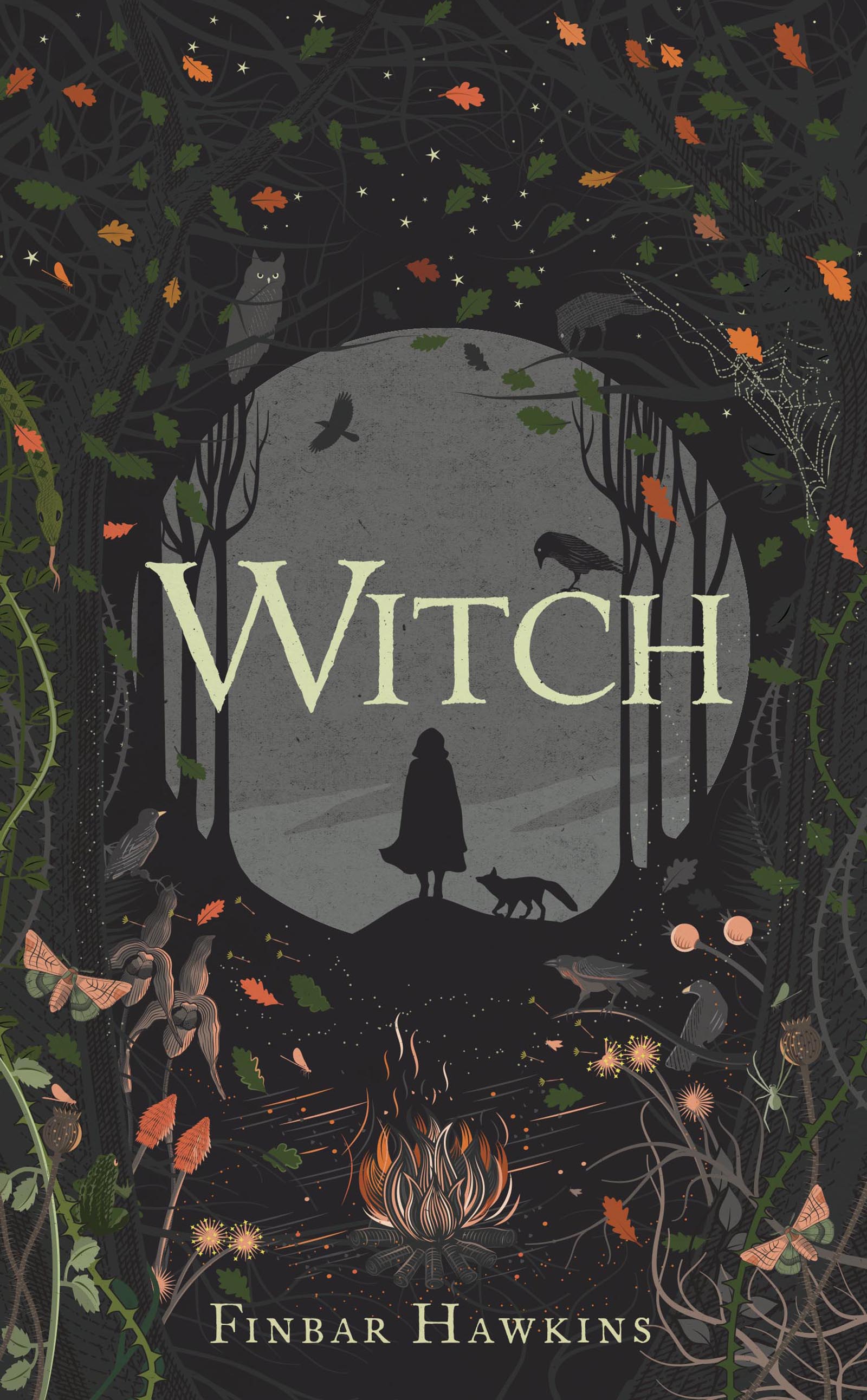
In an interview with Finbar Hawkins in April 2021, he told me all about the research he did into the notorious witch trials in the UK for his debut YA novel, Witch.

He said Witch, came about from an exercise in his first term of an Arvon foundation course where they were asked to write something with a historical setting.

“While out walking the dog (and a deadline looming!) I started thinking about the Pendle witch trials. And from there I thought about what it would have been like as a teenager experiencing the arrival of witch finders at her home, uprooting her family, how she would cope and strive for survival.”

Finbar Hawkins

Finbar explained that ever since childhood, he has been fascinated in myth and legend – one of his favourite books at home was the Reader’s Digest, Folklore, Myths and Legends of Britain, reading about our country’s history of witchcraft. The early woodcuts of the trials also struck him– how they graphically portrayed these women as malevolent devils. He learnt that witchcraft, an ancient practice, was the victim of religious persecution. People, who for centuries had helped a community, were considered a threat to organised religion. And during the English Civil Wars the trials came back with vigour, witches largely being blamed for the suffering brought upon by the chaos of the fighting.

He said there are a lot of books about witches and witchcraft, and there’s a large body of academic work devoted to its study. So he simply dived in and found particularly useful books. An all-round primer, which he found fascinating is The Book of English Magic by Philipp Carr-Gomm and Richard Heygate, this gives a brilliant and in-depth appraisal of our magical history. Witch Hunt: The Persecution of Witches in England by David and Andrew Pickering was incredibly useful, gathering records from every county across the centuries. This book really helped Finbar to build a picture of the general hysteria around the trials. And for an in-depth study into witches, their portrayal and their importance as symbols, The British Witch by P.G.Maxwell-Stuart is exhaustive and thorough.

In Finbar’s book, the witchfinder, Jacobs, is based on the real-life and self-titled Witchfinder General, Matthew Hopkins. With his associate John Stearne, this determined young man cut a swathe across the East of England over the course of a bloody year in 1646. Witchfinders by Malcolm Gaskill was his go-to piece of research to understand the circumstances that led to Jacobs’ campaign.

He also visited an exhibition of Goya’s sketches of Witches at the Courtauld Institute (https://courtauld.ac.uk/gallery/what-on/exhibitions-displays/archive/goya-the-witches-and-old-women-album.

“These sketches definitely helped with the coven and crowd scenes in my book.”

Finbar Hawkins

Finbar revealed Spellbound was a wonderful exhibition at the Ashmolean Museum in Oxford https://www.ashmolean.org/spellbound  He told me that they had a copy of Matthew Hopkins’ The Discovery of Witches (1647) which is chilling to see. Not only did this notorious man kill over a hundred women, he encapsulated and really celebrated his act for posterity.

An important part of Witch is Evey’s voice, and her way of seeing the world. Finbar wanted her to have this very specific, lyrical way of speaking, to make her sound very different to the norm. She’s also grown up in the West country so he wanted her to have that accent as part of her speech patterns. He used online accent archives to get the rhythms of her speech right. Dialectsarchive.com and also searched on YouTube for interviews with people from the West.

Witch is set in Wiltshire and in particular The Mendips area. He wanted the girls, Evey and her younger sister, Dill, to be travelling across the hills and valleys of this area. To achieve the dramatic sweep that this beautiful setting gives Finbar walked the area a lot, made notes on flora and fauna and took lots of photographs. He also found sketching in location really useful for details and sensations.

He photographed a tree in his local woods for a lot in backstory planning – Evey and her family refer to this as the ‘Wolf Tree’ and part of her initiation is ‘finding’ the stone, where it has been placed by her mother in the mouth of the wolf. These scenes never actually appeared in the final book, but the stone in the story is referred to as the ‘Wolf Tree Stone’.

“I took shots of my daugher’s hand holding a stone he found while walking on a beach in Cornwall. Having physical objects around you helps, feeling what they feel like, what details you can see in them, these will find their way into your writing.”

Finbar Hawkins

You can find out more about Finbar and his work @finbar_hawkins on Twitter and Instagram.

To read the complete feature you can purchase a copy of #231 Apr 2021 Writers’ Forum by ordering online from Select Magazines.

To read my future Research Secrets or Writing 4 Children interviews you can invest in a subscription from the Writers’ Forum website, or download Writers’ Forum to your iOS or Android device.

You can buy copies of Witch by Finbar Hawkins from your local bookshop, or online at uk.bookshop.org, an organisation with a mission to financially support local, independent bookshops.

An interview with… Christina Jones

I interviewed chick lit writer, Christina Jones about her ‘method writing’ approach to research in the #100 Feb 210 issue of Writers Forum.

Christina told me she always researches her character’s backgrounds to make sure they’re accurate. She revealed at first she used backgrounds that she knew well – horseracing (her granddad was a jockey), lorry driving (her husband was a trucker), fairgrounds (her dad was an ex-circus clown who then travelled with fairs).

However, once she’d run out of her own life experiences, she explained it was quite a challenge to start writing about things she didn’t know so well. To do this she turned to books for basic facts (the library was her second home), the internet for a quick-fix (God bless Google), but her favourite way of researching is to meet and talk to people who really know.

Christina explained experts are definitely the most helpful. She spent hours on the road with lots of lovely lorry drivers while writing Running The Risk learning all about transport law and how the haulage industry really works – and so that she’d know how Georgia, her lorry-driving heroine, carried out her job. Christina was even taught to drive a 42 ton lorry – but in the safety of a lorry park!

When researching Heaven Sent (about fireworks) Christina told me she had one of the best times of her life with the lovely pyrotechnicians from Fantastic Fireworks – they even taught her how to set-up and fire her own remote-controlled firework display.

With Moonshine Christina joined a local winemaking group to learn how to make homemade wine (such hardship!) and since adding a touch of practical magic to her novels, she had lots of help from various lovely white witches.

Before she meets her experts she puts herself into her heroine’s (or hero’s) shoes and make notes about everything they’re going to encounter or experience in the book and ask questions from their point of view. She write everything she think she’ll need to ask down.

During the interview she uses a dictaphone to make sure she gets all the facts correct, but she also take notes if something interesting crops up. When she gets home she transcribes both into a notebook like a long essay, then go through it and red-pen everything that isn’t needed and highlight everything that is. Christina told me:

“I think, without exception, I’ve become friends with everyone who has ever helped me with research, but I always write a thank you letter immediately afterwards, always acknowledge their help and expertise in the front of the books, and always send them a signed copy as soon as it’s published.”

Christina Jones

Christina’s explained it is vital to list your sources and acknowledge your experts. It’s only good manners if people have been kind enough to give up their time to help then this is the least you can do. And it’s good publicity for them, too – and they all love seeing their names in books.

When she was writing Walking On Air she spent weeks with the Utterly Butterly Barnstormers to learn all about wing-walking (and spent lots of time with the pilots of small planes and had several flying ‘experiences’. She even did a wing-walk so she knew exactly how Billie would feel in Walking On Air.

“…strapped to the wings of a tiny wood-and-fabric bi-plane, hundreds of feet up in the sky, travelling at a hundred miles an hour, feeling the almighty force of the wind, and the cold, and the insects that get EVERYWHERE and stay there, and how much your arms ache, oh, and your face flaps.”

Christina Jones

Christina revealed like Billie, her heroine, she wasn’t great with flying, and the thought of tiny planes with no escape routes terrified her. But once she’d met the pilots and wing-walking girls from the Utterly Butterlys and spent time with them both at their base and at air shows, and scrambled in and out of the Boeing Stearman bi-planes and teetered on the fabric wings ahw explained it was exciting, exhilarating and amazingly different. In fact, she LOVES flying now. She has even spent time watching them strip down a radial engine so she knew exactly how it worked and sounded.

Christina’s research tip for other writers is be prepared to listen to EVERYTHING you’re being told and then listen to a lot of other conversations going on around you as well. These little insider snippets – the things they don’t think are important – are sometimes the hidden gems that can spark off a whole new subplot.

“When I was researching Heaven Sent (fireworks) I had no idea until I listened to the pyrotechnicians chatting over a cuppa that no-one in the firework world has ever managed to create a dark green firework – and that this is the pyro world’s holy grail. This gave me a whole new area for Clemmie and Guy (my h&h) to explore and actually became one of the main plotlines in the book.”

Christina Jones

To read the complete feature you can purchase a copy of #100 Feb 2010 Writers’ Forum by ordering online from Select Magazines.

To read my future Research Secrets or Writing 4 Children interviews you can invest in a subscription from the Writers’ Forum website, or download Writers’ Forum to your iOS or Android device.
An interview with… Nancy Campbell

In this months issue of Writers’ Forum I have interviewed Nancy Campbell about how her experiences as a writer in residence inspired three books.

Nancy wanted to write a universal compendium of snow: looking at words for snow in fifty very different world languages to show how different peoples around world celebrate, and use, snow. Fifty Words for Snow builds on that fascination, looking at cold climates around the world, through fifty different words. This book is the accumulation of a decade of research and travel in the polar regions, which began in 2010 with a winter residency at the most northern museum in the world, Upernavik Museum, Greenland.

Nancy has been appointed as Writer in Residence by many places: the English canal network (as Canal Laureate for the Canal and River Trust), a fishing museum in Iceland, an ecological research centre in Denmark, a state-of-the-art modern library in the Swiss Alps, and most recently, a year in an 18th-century water palace in Bavaria. These appointments, usually for a relatively short duration of time, are an intense and immersive way of growing to understand a community and culture, and producing new work.

The residency at Upernavik Museum was her first role of this kind, during the winter of 2010, and she said she learnt a lot from it. Her role there was to write about the museum collections and the wider life of this small arctic community.

“I got to know the hunters and fishermen on this tiny, rocky island, and began learning Greenlandic from them. Learning the language was an important step in understanding the culture (few of the islanders spoke English). I lived in a tiny wooden cabin down by the sea, which when I first arrived, was completely covered in snowdrifts, and my desk looked out over the icebergs of Baffin Bay.”

Nancy Campbell

Nancy drew largely on encounters and observations on the island. She found a few old books on archaeology in the museum and followed up with more reading at the Scott Polar Research Institute in Cambridge when she got home.

“It was a life-changing experience. I had expected to write just one book as a result of that winter, but in the end it started a fascination with the Arctic that took me through a decade, and several book projects, including The Library of Ice and How to Say I Love You in Greenlandic before culminating in Fifty Words for Snow.”

Nancy Campbell

Nancy told me that a sense of place drives her work, as well as her encounters with people in the landscape. It’s important for her, to gain a personal experience of place. She explained how early on in her writing career, when she was in a library in Switzerland, tweeting a dilemma: Should she go out for a walk in the mountains, or continue with her research? One writer responded: ‘But going for a walk is part of your research!’ Nancy proclaims she was absolutely right. Research is not only about reading. Being in a place allowed her to understand the atmosphere which she evokes so visually through her words.

Nancy revealed that as she travels she likes to take photographs and make sketches in her notebook. She prefers the speed and sensation of writing by hand and find it allows observations to transform more readily into thoughts than typing or using a dictaphone.

During the lockdowns, she has been using academic sites which offer online journal access such as JSTOR (https://www.jstor.org), especially for scientific research on climate change and glacial ice. But her writing is driven by her imagination, she these texts are used as a jumping-off point for her own ruminations, rather than quoting from them in her work. She also found https://publicdomainreview.org a great inspiration for researching images, as are libraries’ digital collections, such as the British Library https://www.bl.uk

“Even under lockdown in a pandemic, it was still possible to voyage around the world through books, and online. I read the environmental coverage in The Guardian and the New York Times. I am especially keen on amateur YouTube recordings as a substitute for my own direct experience.”

Nancy Campbell

As a writer who interweaves memoir and nature writing, Nancy said she relies on memory a lot, infusing her books with past experiences from her life. While the Arctic words for snow obviously relied on her travels in, and knowledge of, the region, she also returned to early childhood memories of the Netherlands. She believes personal experience to be the richest research of all.

“My father was an art historian who was researching 17thC Dutch painting in the Rijksmuseum in Amsterdam, and on visits to see him I grew fond of the chocolate hail which is commonly eaten by children at breakfast-time – Over 750,000 slices of bread topped with hagelslag are eaten every day in the Netherlands. Hagelslag became my Dutch entry for the book.”

Nancy Campbell

Nancy’s research tip is that it is valuable to share your research topics with your friends, always. They may come up with some surprising leads. Nancy hadn’t realised there was snow in Hawaii until a friend in Munich, who is originally from Hawaii, told her about Poli’ahu, the Hawaiian Goddess of Snow. This revelation inspired her story for the Hawaiian language.

To find out more information about Nancy Campbell and her writing see her website: www.nancycampbell.co.uk Twitter: @nancycampbelle and Instagram: @nancycampbelle

To read the complete feature you can purchase a copy of #231 Apr 2021 Writers’ Forum by ordering online from Select Magazines.

To read my future Research Secrets or Writing 4 Children interviews you can invest in a subscription from the Writers’ Forum website, or download Writers’ Forum to your iOS or Android device.
An interview with… Cliff McNish

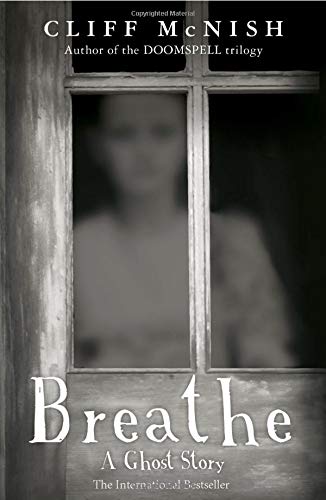
In April 2009 I interviewed children’s novelist, Cliff McNish, about his love of research and how he believes it is essential for writing fantasy novels.

Cliff told me he loves research because it can spin stories in utterly new directions. He believes research is truly the ultimate lateral-thinking tool. He explained as writers we mostly tend to find our thoughts tethered to more or less the same highly travelled and well-worn themes, plots and characters, but research can shatter that dismaying truth.

For example, in his ghost story, Breathe, he needed to know what the average early 19th century rural English family ate. Whilst searching online he found some information about rural poverty in the 1820’s and how families in that era routinely saved one fifth of their wages purely to pay for funerals. This fact influenced the direction of his ghost story.     

“The big problem for fantasy writers is that as soon as you depart from the real world readers forever teeter on the edge of disbelieving your creation. Fantasy writers have a whole host of techniques to make our made-up things feel authentic and believable, but good research is probably the main one.”

Cliff McNish

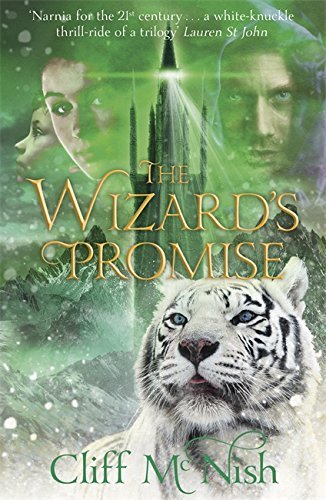
For example, in The Wizard’s Promise he sent gangs of children to modern Tokyo. The children can fly and create spells, and terrorize the magic-less adults but was grounded in the reality of the urban city. To ensure this Cliff checked the street layout, the tallest buildings, other landmarks and even the food.

He explained that fantasy authors and readers have an immense hunger for details that are or at least feel real.

“It’s part of the fantasy author’s contract with his/her audience, really – I’ll make things up, but dear reader you will understand the rules, and I’ll keep them consistent, and when I do refer to real world facts I’ll have done my research, the information will be reliable, depend on it.”

Cliff McNish

In his novel Silver World there is an alien attack starting in frozen Antarctic waters.  To make it feel authentic Cliff checked which islands/ice floes the attacking creature would reach first and what animals and species of birds lived on them. This research personalized the story and gave him focus.

He discovered albatrosses live in those seas and they fly faster than any other bird over great distances. He then put himself in the position of those albatross and imagined he knew what was coming: death, unless they could outfly it. Cliff revealed he ended up becoming very absorbed in the lives of these birds, but the spark for the scene was research.

“Facts become emotions in the end, if they’re dwelled on for long enough by an active imagination. And research + imagination = creativity.”

Cliff McNish

Cliff’s teenage moral drama Angel, has non-religious guardian angels beating their wings across the skies. Research into angel ‘sightings’ showed one of the most commonly held beliefs amongst Angelologists is that when they visit us our guardian angel leaves as a calling card one of its feathers. Cliff decided that for his novel even after an angel dies (in his novel they are mortal), the feathers outlast them a little, and can still provide comfort for a short time to someone who needs it. Without research, he would never have thought of that.     

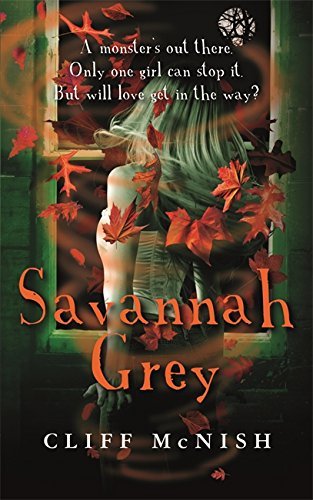
For his novel, Savannah Grey, he created a creature that arrived on our world three billion years ago. It was a predator and was seeking to hit the apex of the food chain to become the dominant animal, the ne plus ultra. He decided nature should battle this creature throughout time, which has meant a lot of evolutionary research. Not only to discover what natural enemies this creature would come across (starting with single-celled organisms), but what order those species would arrive in, when the first plants come to light, the first backboned fish, the first telescopic eyes.

In contrast his heroine has to a throat weapon and extraordinary eye-sight. To find out how throat consultants and optical technicians would investigate such aspects he interviewed hospital specialists in those fields . The result was a dark fantasy novel, for which the bedrock of the research makes it feel real.

To find out more about Cliff McNish and his books look at his website: www.cliffmcnish.com

To read the complete feature you can purchase a copy of #91 Apr 2009 Writers’ Forum by ordering online from Select Magazines.

To read my future Research Secrets or Writing 4 Children interviews you can invest in a subscription from the Writers’ Forum website, or download Writers’ Forum to your iOS or Android device.
An interview with… Nikki Marmery

Last year, in the #224 Sept 2020 issue of the national writing magazine Writers’ Forum, I interviewed Nikki Marmery about some of the primary sources she used during her research for her novel On Wilder Seas: The Woman on the Golden Hind.

Nikki revealed she was pregnant when she first read about her protagonist Maria, the only woman on board the Golden Hind during Francis Drake’s circumnavigation voyage. A throwaway line in a popular history book referenced the ‘Anonymous Narrative’, an eye-witness account of the voyage, which states:

“Drake tooke out of this ship a pilate to cary him into the harbor of Guatulco and also a proper negro wench called Maria which was afterward gotten with child between the captain and his men pirates and sett on a small iland to take her adventures.”

She explained that pregnancy focuses the mind on the unique vulnerability of pregnant women, so perhaps this is why she found myself haunted by Maria’s story: a woman alone among men in the extreme environment of a tiny Elizabethan exploration ship, who was ultimately abandoned, just before the ordeal of childbirth, on a waterless desert island in the East Indies.

“I wanted to know everything about her. Where had she come from? How did she end up in this situation? How did it feel to sail into the unknown; to cross the Pacific – heavily pregnant? What happened to her after she was abandoned?”

Nikki Marmery

But she discovered the facts of her life are really scarce. Maria is not mentioned at all in the earliest published accounts of the voyage. All we know for sure is that she joined the Golden Hind on April 4, 1579 from a Spanish merchant ship off the coast of El Salvador, and that she was abandoned nine months later near the Indonesian island of Sulawesi.

With so little to go on, her investigation started more as a crusade of curiosity than a writing project. No historian had written in any detail about Maria. Miranda Kaufmann later published an excellent book, Black Tudors, which discusses her – but more often in histories of Drake, she was unnamed or erased altogether. Nikki realised if she wanted to know more about the possibilities of Maria’s life, she would have to research it herself.

From the secondary sources, she discovered the original manuscripts of Drake’s voyage are kept at the British Library. But it never occurred to her she could visit the library to read them – until friends took her on a tour of the library for her birthday. This was a turning point for Nikki.

“After having read about Maria for so long, to see the handwritten testament of someone who knew her was incredibly moving. The browned and barely legible manuscript has pinprick holes where sparks from a candle have burned the parchment. Marks are drawn in the margin to emphasise key passages. “

Nikki Marmery

Nikki explained that Maria is objectified and dehumanised by every man who has written about her: from the two surviving eye-witness accounts, to 17th century historians such as William Camden – via William Shakespeare, who may have been inspired by her story when he wrote of the witch Sycorax, an African woman who was abandoned pregnant on a desert island in The Tempest – all the way through to modern historians.

Nikki in contrast wanted to imagine what Maria would say about herself – but examples of women’s voices from the 16th century are vanishingly rare. She was delighted to discover the book Afro-Latino Voices: Narratives from the Early Modern Ibero-Atlantic World, 1550-1812, edited by Kathryn Joy McKnight & Leo J. Garofalo, which reproduces the archival records of African women in the New World – crucially, in their own words.

Another book that helped her was Dangerous Speech: A Social History of Blasphemy in Colonial Mexico, by Javier Villa-Flores where she learned how slaves used blasphemy as a strategy of resistance to fight their oppression. By renouncing God, and denouncing themselves, a slave might invoke intervention by the Holy Office, which had the authority to remove a slave from an excessively abusive slave-owner. By threatening to blaspheme before a master inflicted punishment, enslaved people practised a form of ‘moral bribery’, by holding the master accountable for the sin of blasphemy.

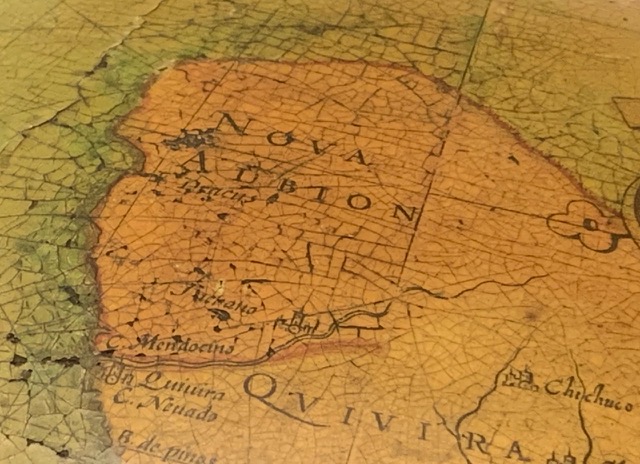
Nikki’s novel unfolds against the backdrop of an enduring mystery of Drake’s circumnavigation voyage: where was his colony, Nova Albion. Drake and his crew lived there for five weeks in the summer of 1579. But when Drake returned home in September 1580, details of his American exploration were suppressed. The Queen did not want the Spaniards to know how far north he had sailed – nor that he was seeking the Northwest Passage, which would give the English a shortcut to the vast riches of Spain’s Pacific-coast New World colonies.

When researching Drake’s voyages, Nikki discovered that secondary sources that discuss the globes are misleading: they claim there are few differences between the two models. But the 1592 globe shows Nova Albion at 46˚N, while the 1603 globe shows it further north at 48˚N, with a redrawn coastline. This is hugely significant. Molyneux had made changes to his globe to receive royal sanction for publication in 1592. But the 1603 globe was made in Amsterdam – not London – thus free from interference.

This discovery, in addition to other unpublished 16th century maps, all showing Nova Albion above the 40th parallel north, gave her the confidence to set Nova Albion in her novel on Vancouver Island, rather than California. It also offered her the freedom to fictionalise more fully what happened there, which led to my suggestion of a far more shocking end to the colony than the sources suggest.

On Wilder Seas by Nikki Marmery

Find out more about Nikki Marmery on her website www.nikkimarmery.com and follow her on Twitter: @nikkimarmery and Instagram: @marmerynikki

To read the complete feature you can purchase a copy of #224 Sept 2020 Writers’ Forum by ordering online from Select Magazines.

To read my future Research Secrets or Writing 4 Children interviews you can invest in a subscription from the Writers’ Forum website, or download Writers’ Forum to your iOS or Android device.
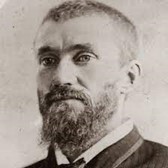
An interview with… Caro Ramsay

In my Research Secrets column this month, I interview psychological thriller writer, Caro Ramsay, about some of the research techniques she has used for her crime novels.

Caro explained

“I always like to do something different with a book, which is not easy within the constraints of a long running series. So I wanted to try a story line that covered two novels while each novel in itself can be read as a standalone; The Suffering of Strangers and The Sideman.”

Caro Ramsay

The inspiration for her main storyline struck her when she was sitting on the side of a Scottish mountain, in torrential rain, gale force winds – it was the height of summer – watching a single walker on the other side of the hill tackling the West Highland Way. She had a feeling the walker was female. Caro was aware in that glen, you are a long way from a mobile phone signal.

For her research, she uses location visits, then the internet, then newspapers on the internet. With regard to research and police procedural her job as an osteopath means she treats lots of police and criminal lawyers. She often asks them for truthful answers about work conditions i.e. short staffed, too much paperwork, inter office politics. Caro said it’s these seemingly mundane minutiae which lends a sense of realism, not the procedures being correct (within reason).

Her advice would be to ask a lawyer about how the cops work and vice versa, then you will get the nitty gritty truth. She explained saying ‘I’m novelist and I’d like to know x, y and z,’ will get you the textbook version, not what happens in reality.

For Caro, the location fires the imagination for the story. She lives in the west coast of Scotland so the scenery is very dramatic. But Caro revealed that she steals setting ideas from elsewhere. For example, she was at Prince Edward, Lake Ontario, Canada looking at the water, slowly just walking along the scrub on the shore, through a hedge with long grass and wild flowers, when she realised my feet were hitting something hard. When she kicked back the soil it revealed a black and white tiled dance floor. A quick internet search and a few questions in a local café uncovered the sad story of the hotel that used to stand there. Caro used incorporated this into Durness on the North West tip of Scotland for The Sideman.

Caro told me sometimes it’s more prudent to write it and then find out what you need to know. Although she admitted to driving around in her small campervan looking for body deposition sites.

“There’s a famous road in Scotland called the Bealach na Ba, the pass of the cattle. It has hair pin bends at altitude, steep drops etc. The top is like a remote moon landscape. While having a coffee in a pub close by I saw the insignia of the SAS above the bar and a little research told me they did indeed train there, and that’s an important part of The Sideman story. So I got somebody to lie down at the top and pretend to be dead! I also ask friends to act dead then I move them around until they can’t be seen.”

Caro Ramsay

Sparks of stories also come to Caro through ‘incidental research’. The best thing is to ‘reverse research’. Find out what you need to know, use it, end of. Avoid information dumps. Keep away from the rabbit hole of the internet. Good research peppers the story with authenticity, it should never be obvious. Bad research bogs the story down. Caro said:

“A good tip is to not stop typing when you feel you need a particular word. I type in the word ‘wombat’ and get to the end of the draft. I believe Ian Rankin does the same but he uses capitals. Then when the draft is complete do a ‘find’ and fill in the detail.”

Caro Ramsay

Chatting to people, anybody, eavesdropping on conversations, people watching, are good ways to inform your characters. Caro’s tip to other writers is to keep your ears open. Everybody has a story. Never throw away anything, buy books of lovely post it notes, never be without your notebook. The most inconsequential fact or photo can percolate at the back of a writer’s mind and become the germ of a novel. Caro said:

Find out more about Caro on social media:

Facebook: Caro Ramsay

Twitter: @caroramsaybooks

Website: www.caroramsay.com

To read the complete feature you can purchase a copy of #228 Jan 2021 Writers’ Forum by ordering online from Select Magazines.

To read my future Research Secrets or Writing 4 Children interviews you can invest in a subscription from the Writers’ Forum website, or download Writers’ Forum to your iOS or Android device.