An interview with… Ebele Bright

Even picture books need researching. A good writer always checks their facts. For the #252 15 Mar 2023 issue of Writers’ Forum, I interviewed Ebele Bright about the research she did for her picture book about eagles, Fly Chico Fly.

Fly Chico Fly is a story about an eaglet, Chico, who is afraid to do what birds are naturally good at, flying. He feels left out as his brothers have already taken to the skies, but his vivid imagination and caution stop him from taking that important leap. The story follows Chico as he learns to face his fear of flying.

Ebele told me the internet is her first stop during research, as so much information is readily available and easily accessible. She finds it an invaluable resource. There is access to research papers, places to visit, library searches, documentaries, other people’s pictures and videos, movies, images and more. She elaborated:

“I knew I wanted an eagle for this story and immediately looked into the different species of eagles, their appearance, anatomy, natural habitats, flight altitude, what they are synonymous with, their flying and landing positions, their interaction with their young, and how they learn to fly.”

Ebele Bright

She used Google images for pictures of eagles and chose the bald eagle, as she felt it would translate easily to illustrations, and capture the attention of children. As she particularly wanted to understand and express Chico’s concern of the differing weather conditions she searched Google images of eagles in their natural habitat. She explained it was important to her to make her research relevant to young children.

As well as the informative websites, she used video footage from places like Netflix and YouTube to further supplement her research. She told me Our Planet on Netflix was particularly useful for observing different environments and the documentary 72 dangerous animals: Asia on Netflix was also helpful. She watched on YouTube, a particularly beautifully slowed down flight of a bald eagle by the Epic slow Mo channel and discovered an Instagram hashtag search with your word of interest, comes up with useful images and videos.

Ebele also searched the bible app for verses containing eagles and read through them. The bible spoke of the swiftness of eagles, their superb vision, powerful wings, natural habitat of dwelling on the cliffs, rocky crags at night and building their nests on high, and the intentional and caring relationship between parent eagles and their eaglets.

As children learn by play, fun and in the most natural way she followed their lead by weaving certain elements into the story; a few characteristics of eagles, like their ability to fly really high and their perfect vision. She also mentioned specific parts of their anatomy to spark questions, providing some education on eagles in simple format.

The information was dropped in bite size by putting an illustration of a wing and talons on one page to encourage discussion, and allow kids to point to parts of the eagle’s anatomy. Ebele observed her own children particularly love talking about the differences between eagles and humans, and naming parts of the eagle. The emotional development for Chico was important to validate his fears, explore his vulnerability, guide his speech and growth, so that children relate to him.

“I found speaking with counsellors and parents about their knowledge on dealing with fear fascinating. I wanted to know their body language, word usage at the beginning of counselling, techniques for helping children walk through obstacles and the visible signs they are opening up. I spoke with other parents and drew on my parenting style raising fearless children, as well as my childhood.”

Ebele Bright

To ensure she portrayed this accurately she spoke with teachers as they have more access to children from different backgrounds. She wanted to discover how they navigate different emotions in the classroom and help guide children needing more support. Ebele explained observation is our close friend as writers. She constantly observes people, things and  environments, because it’s free. She likes to observe the workers at her daughter’s nursery to see how they interact with the children.

“On one occasion, I recall the tearful screams of a child who clung to his father in hopes of not going into nursery. I observed a staff member calm the child, turning his lunging hands into a warm embrace. The staff member validated the child’s feelings with soft spoken words, an attentive gaze and an open body language.”

Ebele Bright

A combination of these experiences helped her to frame Chico’s dialogue and character development, as both dialogue and character are interwoven.

Ebele’s research tip to other writers writing picture books is to read it aloud to people to gain feedback and watch their reaction. Reading to children in groups is a helpful way to observe which parts of your story stick, and makes them laugh. Did they understand the story? Did they enjoy it? Which parts are they repeating afterwards? Children are beautifully expressive and very honest. She revealed she prefers to do this without the illustrations, as it gives a true picture of the strength of the story.

Ebele said she organises the information she finds by the main character, relationships, environment and any additional details. She knows which details are really important and dispensable. She then makes a collage on google docs using screenshots and images, sketch things on paper, and make notes until her research looks more like a painting, and not just individual splashes of colour.

She emphasised it is important to remind yourself research must come to an end to avoid the research vortex which may ultimately keep your story at bay. Allow your imagination the freedom to thrive and simply write.

You can find out more about Ebele Bright on her websites www.announceworld.com and www.ebeeonline.com and follow her on Instagram @weareannounceworld

To read the complete unabridged feature you can purchase a copy of the #252 15 Mar 2023 issue of Writers’ Forum by ordering online from Select Magazines.

To read my future Research Secrets or Writing 4 Children interviews you can invest in a subscription from the Writers’ Forum website, or download Writers’ Forum to your iOS or Android device.
Book Review: The Forgettery

Title: The Forgettery

Written by: Rachel Ip

Illustrated by: Laura Hughes

Published by: Egmont

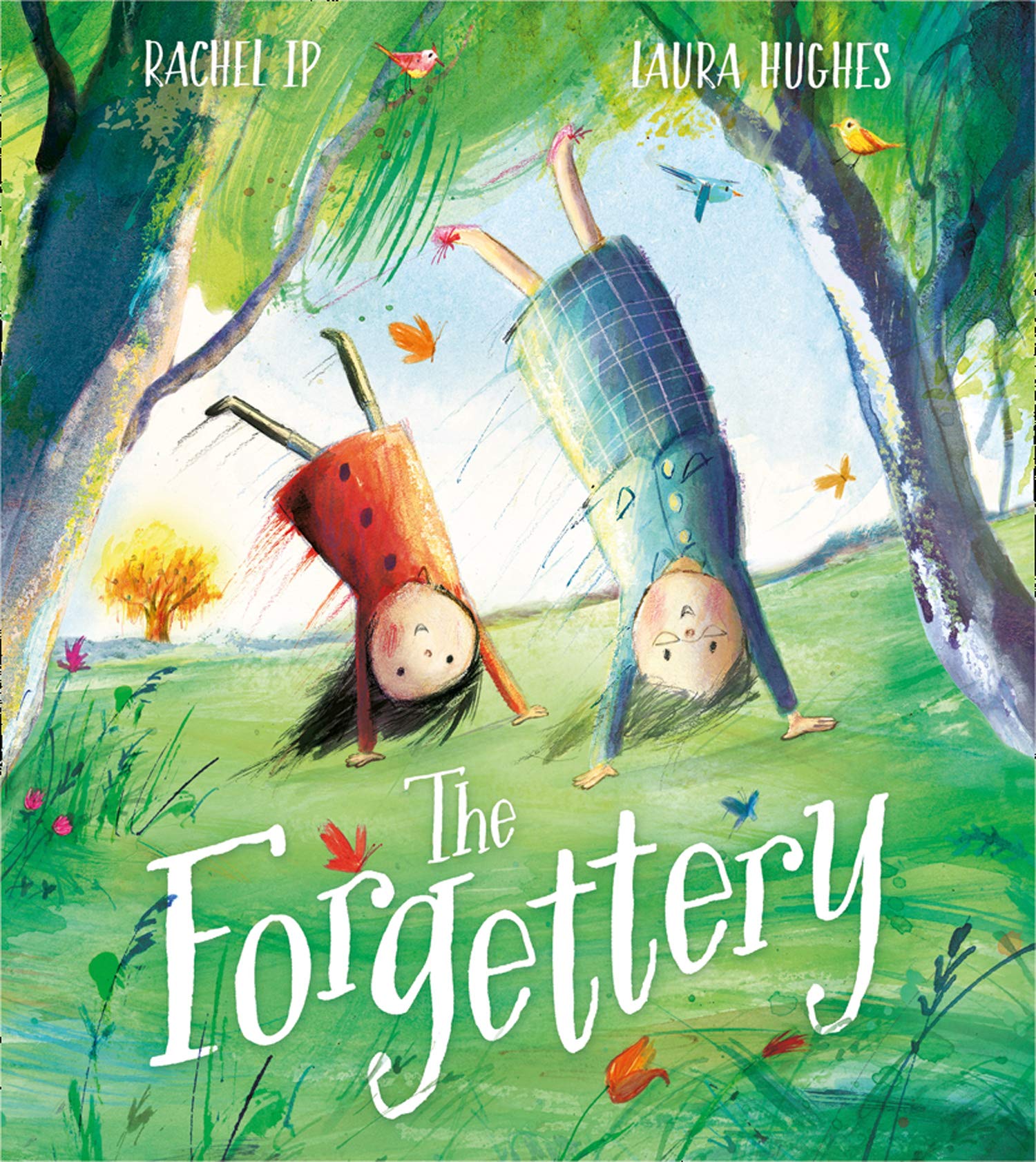
The Forgettery by Rachel Ip and Laura Hughes

The Forgettery is a brilliant book that has a theme of memory and how things can be forgotten over time, touching on dementia in a sensitive and reassuring way. This fantastic picture book was one of my favourites for 2021. It is a celebration of love between a young girl and her Granny and has an amazing timeless quality.

Walking in the woods one day Amelia and her Granny stumble upon The Forgettery – ‘a place where you can find anything you have ever forgotten’ from ‘maps, moments and memories.’ Rachel Ip uses alliteration throughout the book to give the text a lyrical charm.

Each double-page spread is full of exquisite details for children to explore and discuss. I particularly like the warning sign of how memories may be delivered out of the blue, the draws full of all the odd socks, glasses, shoes and handbags and the use of colour that make the images fade and amalgamate into each other to give a dream-like illusion.

Although the word dementia is never mentioned there are hints that Granny’s memory loss is more serious by the things she has forgotten, things that she may do every day. The addition of making a memory book to help people remember their most treasured memories is lovely and I’m sure children will enjoy creating their own. The I also liked the excellent memory making advice on how to make beautiful new memories to remember and share. Children will enjoy sharing their ideas and carrying them out.

I believe this book l will be loved by adults and children alike and both will be happy to reread repeatedly, as it leaves you with a warm feeling of love.

An Interview with… Lindsay Galvin

Another blast from the past today. This time for my Writing for children slot in the national writing magazine Writers’ Forum when I interviewed Lindsay Galvin for the July 2021#234 issue about how she approaches writing her historical fiction.

Darwin’s Dragons is Lindsay’s second book, a historical adventure where Charles Darwin’s cabin boy, Syms Covington, is marooned on a Galapagos island and makes a (very) big discovery.

Lindsay told me originally, she wasn’t planning to write a historical story at allshe wanted to write about real, scientifically plausible dragons. She’d never written anything historical; even though she loves to read this genre as she was put off by the research. The book started life as The Fire Inside, a teen book set in the present day about a dragon sanctuary. Lindsay revealed her editor, Rachel, suggested it would be good to include a historical thread showing how dragons had been discovered.

Lindsay explained she started researching explorers and needed a remote place for dragons to have hidden out. Darwin and the Galapagos was perfect. When she discovered the cabin boy and fiddler Syms Covington became Darwin’s servant and was a bit of a mystery she got excited as there were three weeks when The Beagle was in the Galapagos, when there were no entries to his journal. Lindsay decided to fill those in for him with a survival story and his huge dragon discovery.

She said the historical thread flowed much more easily than the modern day story and became about half the book. She got stuck near the end after writing around 60,000 words and sent it all off to Rachel, who called her, along with Barry Cunningham (J K Rowling’s original editor).

“They said they thought I had a great voice for historical middle grade and asked if I’d consider cutting this book in half and making Syms’ story into the book. We agreed on the title Darwin’s Dragons in that same phone call. It was a surprise, but I didn’t hesitate because it felt right. I had a 30,000 word draft and needed to add about 15,000 words. Somehow I’d fallen into historical fiction.”

Lindsay Galvin

Lindsay told me to create fictional characters from real people is a big responsibility especially when they are as famous as Darwin and Queen Victoria. She started by reading Darwin’s and Syms Covington’s journals from The Beagle. As the style of writing is relatively formal so there was a space for her to create a fictional representation of a real man.

Darwin was also only a young man on The Beagle voyage and not particularly studious, so she was able to give him a multi-sided character. She knew a lot less about Syms which gave herfreedom to imagine him, and his voice developed as he told his story and interacted with events.

Lindsay divulged the most difficult thing about writing historical fiction is keeping it authentic, the research can be so time-consuming. She was aware of her responsibilities writing for a young audience and so shy avoided creating too much of an idealised world. Colonialism is ever present, and Lindsay felt it was important to acknowledge the way the world was explored at that time was hugely exploitative.

“For Darwin’s Dragons I made a trip to the Natural History Museum Spirit Collection, which contains some of the original specimens from The Beagle and Downe House where Darwin lived for most of his life. This helped with atmosphere and any location research can throw up little details that later become important to the story, for example I examined Darwin’s real homemade eyeglass and that became an important item in the story.”

Lindsay Galvin

Pace is essential in children’s books. Where an adult will read on if they are bored, most kids will not. I also like to include short chapters with lots of cliff-hangers in my middle grade books.

“There are so many things I love about writing for children. I love the creativity and scope, plus their flexibility as readers, young people have such honesty and imagination. I feel incredibly privileged to play a small part in their reading journey.”

Lindsay Galvin

Her tip on writing for children is to keep coming back to what your story is really about at its core — why it matters that it is told, never stray from that. Read. Read the children’s books that children currently love, study them and learn from them. Lastly, expect it to be a frustrating, long and sometimes painful journey if you are writing for publication. Write something you enjoy so much that the writing is an end in itself. Keep on, love the learning and… be curious.

You can follow Lindsay on Twitter @LindsayGalvin

To read the complete feature you can purchase a copy of July 2021#234 issue of Writers’ Forum by ordering online from Select Magazines.

To read my future Writing 4 Children or Research Secrets interviews you can invest in a subscription from the Writers’ Forum website, or download Writers’ Forum to your iOS or Android device.

Book Review: The Rainforest Book

Title: The Rainforest Book

Written and Illustrated by: Charlotte Milner

Published by: DK Penguin Random House

The Rainforest Book is jam-packed full of facts and interesting snippets about the rainforest from where they are found, why they are important to how climate change affects them and what the children can do to protect them. It provides a very comprehensive look at the environment the plants and animals that can be found there and how they survive through pollination, seed dispersal, the use of camouflage, colourful warnings and mimicking, living in a pack and the predator/prey relationship.

This book provides opportunities for children to discover and explore their own love of nature. The information also supports the statutory requirements for KS1 plants as well as animals, including humans in that as well as the above information there is also double page spreads about life cycles, mating rituals, looking after their young and deforestation.

The author/illustrator, Charlotte Milner, encourages the children to protect the places that are precious to us by finding out more, looking before they buy, supporting conservation groups, recycling, reducing their carbon footprint, eating less meat, avoiding palm oil and planting trees. A great addition is the step by step instructions to inspire the children to plant their own mini rainforest in a jar.

The vibrant, modern feel using bright colours, photographs and infographics will appeal to children of all ages. I particularly liked the way the use of colour within the illustrations to give you a feel and impression of the rainforest. At the back of the book there is a wildlife index to encourage the children to find look up the different creatures featured in the book.

This is the ideal book for anyone who is interested in the environment and are intrigued to discover more about learning the ways they can help. It is guaranteed to help children to develop a deep passion for conservation. The perfect addition for all school libraries.

This book was originally reviewed for Armadillo Magazine.

An interview with… Sarah Aspinall

For my Research Secrets slot in Writers’ Forum issue Sept 2021 #236 I interviewed Sarah Aspinall about her memoir Diamonds at the Lost and Found: A Memoir in Search of My Mother, published by Fourth Estate and inspired by her glamourous, yet eccentric mother, Audrey Miller, later known as Audrey Aspinall.

Sarah knew she had to find a way of writing this book as every time she told the story of her childhood adventures people would gasp and say, ‘you have to write that, it’s such an incredible story.’ The word incredible always worried her a little, as she’d sometimes wonder if it all really happen as she remembered it.

“My memories were vividly of a wild harum-scarum life, travelling the world with my glamorous but eccentric mother, Audrey. We wound up in various strange exotic destinations around the world; sometimes we were in luxury hotels and fantastic mansions, other times we lived in cabins of cruise ships, or a cheap scruffy motel in the Killdevil Hills of North Carolina. We often stayed with people we’d just met. Many of these people were men, as the purpose of these trips seemed to be for my mother ‘to find true love.’”

Sarah Aspinall

Sarah revealed when she started writing she had no contacts as she knew most of the people as ‘Auntie Sadie’ or ‘Uncle Les.’ She had no idea how to start her research and all she had to go on was a big chocolate box full of photographs, some had dates and names scribbled on the back. There was also a battered address book held together with rubber bands, in which nothing was in order in its alphabetical pages. It was stuffed with scraps of paper with barely legible names and numbers. Yet, Sarah had spent most her childhood listening to her mother regale people with her amazing stories. These people would have heard them all and may be able to fill in the blanks.   

“I think even a simple memoir is a way of passing on something precious as everyone has a story to tell.”

Sarah Aspinall

Audrey’s own childhood in Liverpool was easy to write about, as Sarah told me she had already vividly conjured the sights, sounds and smells of the coal-yard belonging to her Uncle Charlie where she and her mother lived after being deserted by her father. Memoirs such as Helen Forrester’s story of her desperately poor childhood in Depression-ridden Liverpool of the 1930 were brilliant for details of daily life.

On Facebook there are pages such as Liverpool Hidden History, which has 42,000 members. Her queries about the lives of a bookie’s runner got many helpful responses from people whose own parents told them stories of illegal back street gambling.  She used some of these personal for moments such as Audrey’s description of running back from the pubs with all the bets and hiding under the big tarpaulin in the yard when someone had tipped off the police. Similarly with accounts of the evacuees getting on trains Sarah borrowed from real memories of people:

‘…as the train crowded with children pulled out of Lime Street station, some of the little ones were screaming for their mothers. I saw one mother being sick on the platform, but mine managed to stand tall.’ 

Extract from Diamonds at the Lost and Found: A Memoir in Search of My Mother

Sarah explained she was aware of Audrey being very much the family star from the photos of her at the time in dance clothes, or leading the Orange Day parades or as the May Queen. She found accounts of these big celebrations of a working-class Liverpool childhood on social media. Watching archive from Pathe news on YouTube was useful gave a sense of the crowds watching a horse parade and the nodding heads of the horses. Sarah said there are hundreds of wonderful Pathe news clips online which really transport you to the past and spark the imagination. 

For her mother’s eventful voyage to America just after the war when she was twenty, Sarah bought James Steele’s book Queen Mary, which is rich in images that show the fabulous décor of the ballrooms and cocktail lounges and gives you a sense of daily life for the different class of passengers. She also signed up to ancestry.co.uk to look for clues to her parents’ family histories and was thrilled to find it has passenger lists for sea voyages. 

“Discovering her name handwritten on the list was magical. Revealing she had written in one column she was a ‘journalist’ I’d known she had a social diary in the local paper, Talk of Many Things by Audrey Miller but was disappointed to find no records for those years.”

Sarah Aspinall

Sarah told me that travelling back to places in the book was the most powerful way of reaching back to the past. Scents and smells are amazing at unlocking memories. Walking the streets of New York helped her to write about the city Audrey discovered in 1946. Although the air would have been a little different then, many things would not have changed. Sarah knew she would be dreaming of something more thrilling than her godmother’s small flat in the suburb of Jackson Heights. Using this memory, she wrote:

‘Of course, in my fantasies I was in the New York of the Movies.. off sipping Martini at the Copacabana Bar with Cary Grant, not sitting each night in Mike and Sadie’s little apartment with our TV dinners on a tray.’  

Extract from Diamonds at the Lost and Found: A Memoir in Search of My Mother

A lightning bolt of memory came when her childhood friends reminded her of the stuffed snake toy she’d named Sabet Sabescue. Sarah divulged she suddenly remembered this was the name of the man who had taken them on the felucca boat down the Nile. HIs smile remained like the Cheshire Cat, long after the rest of him had vanished, hovering at the edge of my memory, along with the thrill of driving too fast in his open car with the wind in my hair. This is perhaps the most exciting thing about researching a memoir – the finding of these tiny keys that unlock a secret storehouse of forgotten memories.

For writing any book, and particularly a memoir Sarah’s advice is to get a good editor, or friendly reader to find cuts to make in your writing. Every line of a memoir can feel precious to you, because it is so intimately your story. She rarely read drafts of people’s books which wouldn’t benefit enormously by a tough edit. Writers must invite it, or even insist on it, as friends hate to tell the awful truth. You need to insist ‘be brutal, find me whole sections to lose, not just a few lines here and there’.  

Trims and tightening can help a lot, but the painful truth is often whole chunks of story just need to go even though they may have taken a lot of time and be beautifully written. Sarah elaborated that she cut three last chapters out completely, although they represented months of work because two trusted friends both said the same thing ‘it is better without them; the story really ends earlier.’ They were right. This is when she found a publisher.

Her research tip is to interrogate friends and family about tiny details of what they remember, as the name of an old toy can bring so much flooding back. Use the sense of smell to unlock the past. Sarah explained that if she smells Youth Dew her mother’s perfume whole scenes come back to her. If you can revisit places close your eyes and breath in, as it may allow you to time travel.

Sarah is happy for anyone wanting writing tips or advice to contact her via Facebook or Instagram. She doesn’t use twitter much. 

You can find Sarah Aspinall on Facebook @sarah.aspinall.355 and Instagram @sarahjaspinall

To read the complete feature you can purchase a copy of Sept 2021 #236 Writers’ Forum by ordering online from Select Magazines.

To read my future Research Secrets or Writing 4 Children interviews you can invest in a subscription from the Writers’ Forum website, or download Writers’ Forum to your iOS or Android device.

Book Review: Amazing Mum

Title: Amazing Mum

Written and Illustrated by: Alison Brown

Published by: Farshore Books

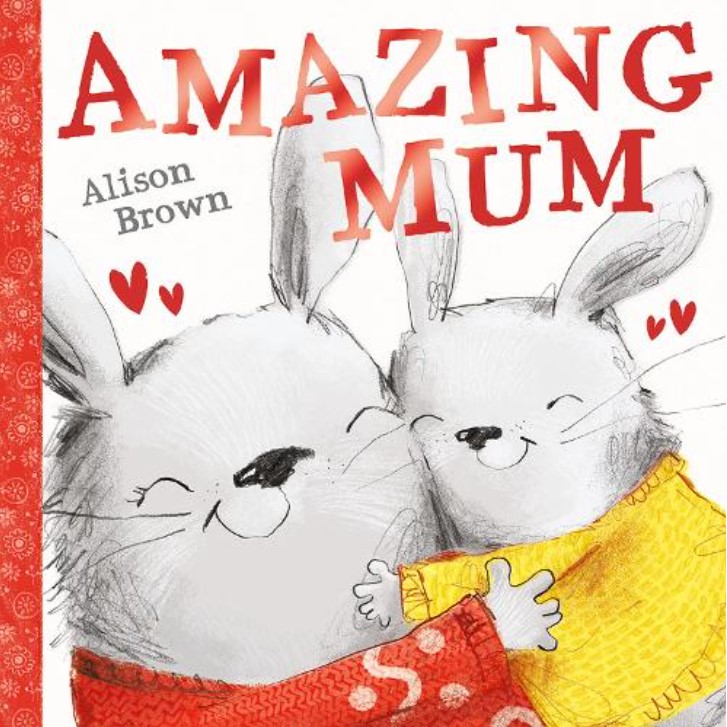
With Mother’s Day only a month away in the UK on Sunday 19th March 2023, Amazing Mum, is the perfect book to buy for your kids as it showcases all the incredible, versatile and diverse things mums do to care for their family, which are often taken for granted. It provides a much needed glimpse into the world of being a mum today.

This rhyming picture book aimed at three to six year olds portrays a wide variety of strong, independent mothers as they go about their everyday roles as parents from juggling careers, repairing things when they break and being there to watch their children in their school performance to meal times, bath times and story times.

Alison Brown’s gorgeous illustrations have a snuggly, fluffy feel to them providing the ahh-factor that will get the children of all ages turning the pages. Mums and carers all over the world will most definitely recognise themselves in these adorable anamorphic illustrations. Amazing Mum

Amazing Mum was released on 2nd February just in time for Mother’s Day and is the first in a series with Amazing Dads being launched in April 2023 – yes you’ve guessed it – just in time for Father’s Day on Sunday 18th June 2023.

You can buy copies of Amazing Mum or pre-order Amazing Dad both written and illustrated by Alison Brown from your local bookshop, or online at uk.bookshop.org, an organisation with a mission to financially support local, independent bookshops.

Book Review: Rain Before Rainbows

Title: Rain Before Rainbows

Written by: Smriti Halls

Illustrated by: David Litchfield

Published by: Walker Books

Rain Before Rainbows by Smriti Halls and David Litchfield

Rain Before Rainbows was published in 2020 just as we were emerging from lockdowns and the scary time of Covid was behind us. It was released by Walker Books in conjunction with Save the Children to raise awareness for the ‘Saves the Stories’ campaign. It is a beautifully colourful picture book, which is easy to read and leaves the reader with a magical feeling of love and a positive outlook for the future.

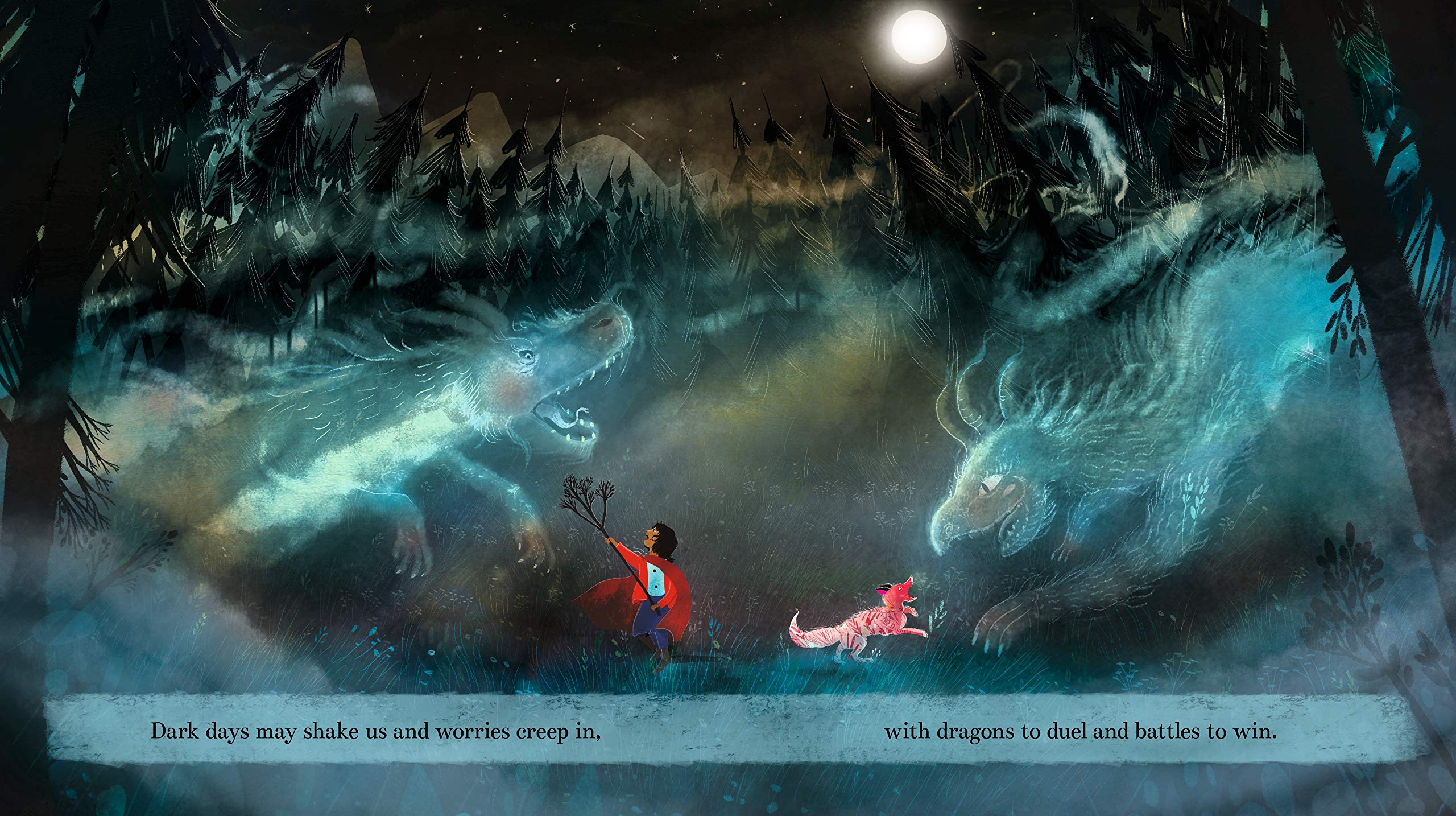
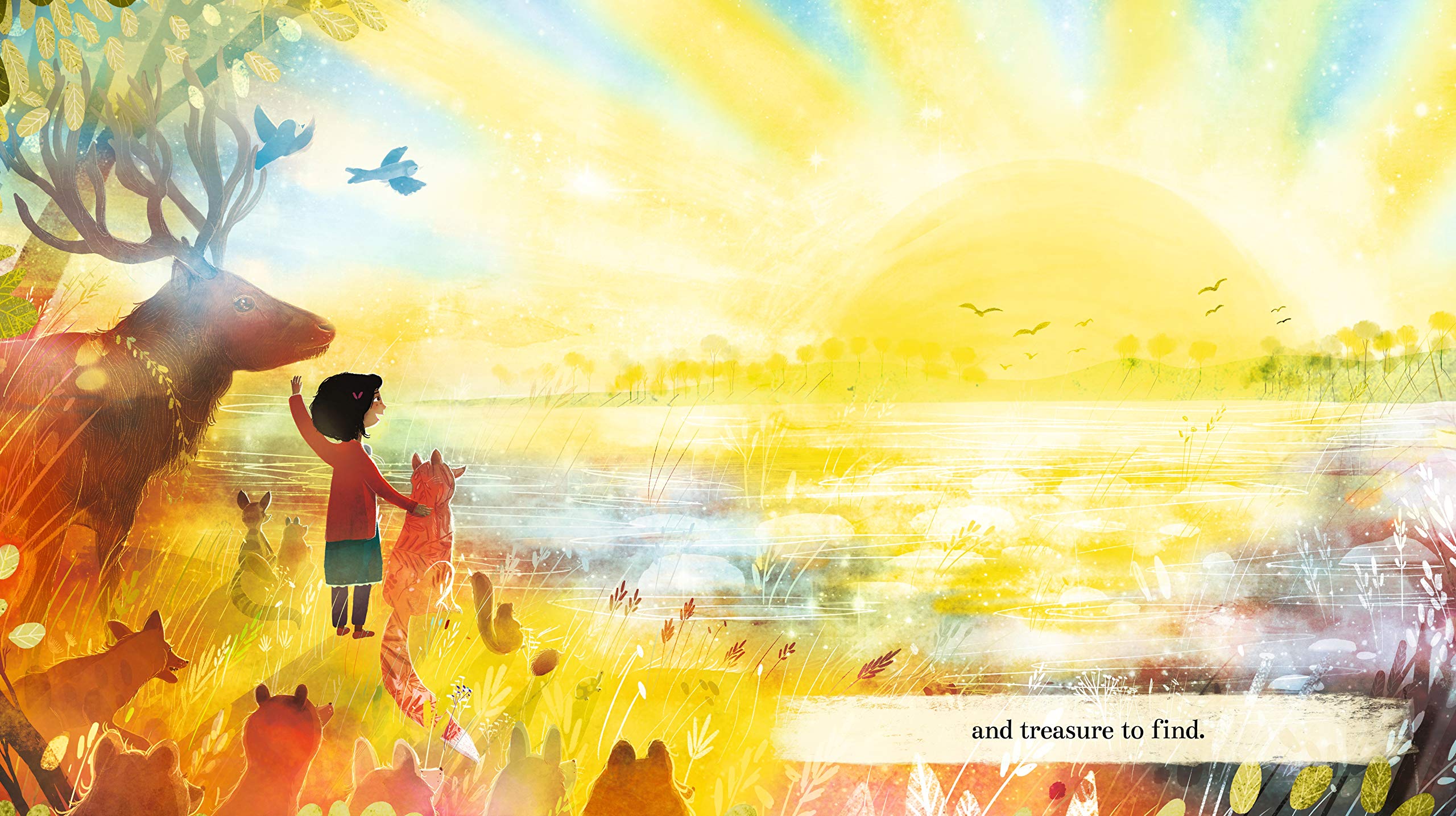
Our female protagonist and her fox friend are forced to leave their home and most combat the fierce wind and rain in the dark. They encounter raging storms and symbolic scary dragons travelling across the sea before reaching a brighter new world full of promise and new friends.

This is a clever well-crafted picture book where every word is there for a reason. There is a rhythmic quality that builds around the theme of hope. So there may be ‘rain before rainbows’ and ‘clouds before sun’ but with a little patience and determination we can all survive the bleakest times and scariest of dangers. The illustrations are full of poignant details that add to the atmosphere of the book.

It is the ideal picture book for discussing hopes and dreams in a PSHE lesson giving young children a chance to reveal their own desires. It will also be perfect for talking about refuges having to leave their homes.

A great edition to bookshelves and libraries.

You can buy copies of Rain Before Rainbows by Smriti Halls and David Litchfield from your local bookshop, or online at uk.bookshop.org, an organisation with a mission to financially support local, independent bookshops.

Book Review: Saving Neverland

Title: Saving Neverland

Written by: Abi Elphinstone

Illustrated by: Geraldine Rodriguez

Published by: Penguin Books

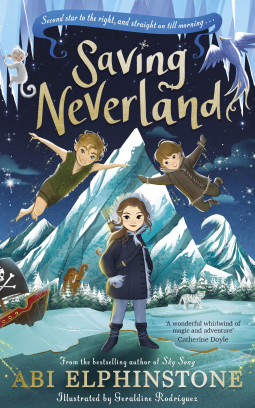
Saving Neverland is another exciting adventure based on Peter Pan by J M Barrie with the added addition of an excellent range of stunning illustrations by Geraldine Rodriguez. The main character is ten-year-old, Martha Pennydrop. She has recently moved to Number 14 Darlington Road with her younger brother, Scruff and their over-worked father. Their mother left to go backpacking in Thailand never to return. Nana has been replaced by Fluffington the nonchalant cat and Scruff does not go anywhere without his trusty teddy None-the-Wiser. Martha has taken on parental responsibility in an effort to grow-up after the ‘Terrible Day’ six months ago. She has even relegated her favourite toy, Armageddon, a large woolly mammoth shaped beanbag, to the attic.

Beautifully written Saving Neverland hooks you into the up-and-coming adventure from the start. Their exploits are cleverly foreshadowed by the discovery of some mysterious gold dust in the bottom of the bedside drawer in their shared room. That night Peter Pan returns through their bedroom window needing the children’s help. He believes only Martha and Scruff can save magic from the icy grip of a dreadful curse cast by Captain Hook. Martha is our reluctant hero but when Scruff is kidnapped she realises she must rediscover all the imagination, magic and belief she has buried deep inside herself for so long to save her brother – and Neverland.

It is a superb contribution to all previous Peter Pan stories and sagas, complimenting the books and movies perfectly. Abi Elphinstone has obviously done a lot of research as it met all my hopes and expectations for a novel based on the incredible world of Peter Pan with some brilliant imaginative twists. She has created a fantastic cast of well-rounded and believable new characters, including new Lost boys and even a new Fairy called Muddle.

I particularly like the way Peter Pan has been kept in character from the original book in that he is as arrogant as ever and there is still the underlying theme of the transition from childhood to adulthood. I also loved the complete move away from the gender stereotypes of the original novel written in 1911. It made my laugh out loud when Martha puts Peter in his place when he expects her to resume the duties Wendy used to do.

Saving Neverland will draw you back into the magical world you remember reading as a child. I recommend this book to all Peter Pan fans. It is a great addition to the permanent bookshelf. I can see Saving Neverland and this ingenious quest becoming a new Peter Pan movie.

I have previously reviewed this book on NetGalley, Goodreads and Amazon.

You can buy copies of Saving Neverland by Abi Elphinstone from your local bookshop, or online at uk.bookshop.org.

An interview with… Delores Gordon-Smith

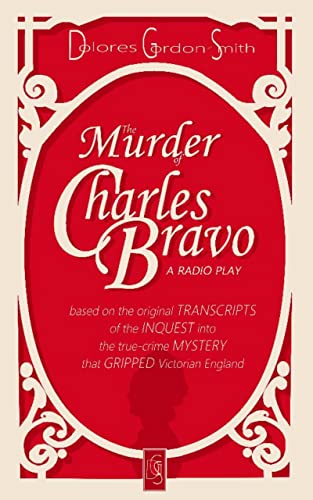
For my Research Secrets slot in the February #251 8 Feb 2023 issue of Writers Forum I spoke to Delores Gordon Smith about how she researched her radio play based on the mysterious death of Charles Bravo in 1876.

Delores told me writing a story set in 1876 was a bit of a new venture for her, as all of her novels are murder mysteries set in the 1920’s. Murder, Charles Bravo: A Radio Play, published by Williams & Whiting, is very different.  

In the phonetic alphabet ‘Charlie’ stands for the letter C and ‘Bravo’ for the letter B.  Which may lead anyone to suppose that a murder mystery with a character called Charles Bravo as the victim must be fiction. It isn’t.  The murder – or, perhaps, more accurately – the death of Charles Bravo was one of the most notorious unsolved mysteries of Victorian England.

On Tuesday, the 18th April 1876 Charles Bravo, a young barrister aged thirty, came home to his beautiful and wealthy wife, Florence, who he’d married four months previously.  That night he was taken gravely ill and, after three days of agony, died on Friday the 21st.  After his death the autopsy revealed that Bravo had taken a dose of between twenty and thirty grains (about half a teaspoon) of the poison, antimony. But who gave him the poison?  That’s where the mystery lies.

Like many avid readers – and most authors are avid readers – some of the very first grown-up books Delores read were the Sherlock Holmes stories. She explained Sherlock Holmes’ background is so vividly depicted that, almost without knowing it, any child reading the stories will accumulate a substantial store of knowledge about Victorian England – hansom cabs, steam trains, the gas-lit streets, the huge gaps between rich and poor, the old rural way of life and the smoky industry of the city; all that’s in Conan Doyle, a foreign but familiar landscape. 

The Charles Bravo mystery fits right in – it’s a Sherlock Holmes story without Sherlock, populated by an arrogant young barrister, a damsel in acute distress, a mysterious elderly doctor, a foreign companion who evidently has a secret of her own and a kindly, alert lawyer. The mystery has intrigued many writers from Agatha Christie to Julian Fellows.    

However, as any writer knows, the finished book or play is the tip of an iceberg of research. That sounds very daunting but it’s easier to get your head round the idea if you break it into the various steps. 

First of all, the setting, period or the subject – preferably all three – have to be something that you’re interested in anyway. Victorian England and an unsolved murder mystery?  Yes, that box was ticked. I think this initial interest is really important because you’re going to be spending a lot of imaginative time in this world that you’re creating. 

Incidentally, it’s where the story’s set that is probably the most important. If you think about the books that you’ve really enjoyed, the chances are it’s the setting, along with the characters, that’ve drawn you into the book. Delores advocates you should try to discover the real facts about the time, place and subject and don’t rely just on what you’ve seen on TV or read in popular novels. 

Those have their uses but wherever you’re setting a story try and make it real.  This rule applies as much to stories set now as to historical fiction and as much to a story set locally as to some exotic destination. If you’re interested enough in your home town to set a story there, then you’ll include the sort of detail that’ll make it come alive for the reader. How? Well, if you want to set a story in your home town, for instance, you’ve got a huge advantage as you know your town inside out. However, try and see the town or city through a visitor’s eyes. What would strike a visitor as unusual?

She told me the descriptions of Holmes’ London are so realistic many readers think they know the place, but the interesting thing is that Conan Doyle wasn’t a Londoner. He came from Edinburgh and gives his impressions of London as they’d strike a visitor. One little clue is Sherlock Holmes’ address, 221B, Baker Street. That “B” isn’t a London way of numbering apartment, flats or rooms; it belongs to Edinburgh. Then, of course, as your story develops, you’ll be able to add to your initial knowledge by the close-up detail you’ll need to make an individual scene come alive. 

Delores discovered the landmark book on the subject is How Charles Bravo Died by Yseult Bridges, published in 1956.  Here, she recounts in great detail, the story of the two inquests (the case never came to trial) that were held, as well as giving a plethora of fascinating background detail on the various people involved. This book is one of those great things that occasionally happen to a writer, an absolute gift for anyone interested in the subject. 

“I didn’t think the Bravo case could be turned into a novel. With the transcripts of the inquests so faithfully recorded by Yseult Bridges, the story seemed tailor made for a radio play. I wasn’t making up dialogue but using (and, obviously, editing) what was actually said. Okay, so I had to make up some dialogue but I tried to keep that well within the bounds of what the various characters are recorded as thing and feeling.”

Delores Gordon-Smith

Her tip to writers wanting to write their own radio play is to not only research the subject matter but to also do the research into the genre.

“A radio play – at the risk of sending obvious, it’s all got to be done in speech. Obviously you can have a character’s voice-over as an intimate chat to the listener – a sort of breaking the fourth wall.”

Delores Gordon Smith

She elaborated how Inner thoughts can be given as a voice-over and the sound effects (buzz of conversation from a crowd in court) etc help to set the scene as, unlike a novel, you can’t fall back on straightforward description. Delores said signalling to the listener that we’ve moved onto a new scene can be tricky and recommends a couple of tricks, such as having the narrator say words to the effect of, ‘It was later that day when Mr X came to see me..’ etc.  

Other than that – the technical side of remembering it’s all spoken word with no visuals or description – the process is much the same as writing a novel. That’s imagining yourself in the lives of these characters and bringing them to life as best you can.  

Discover more about Delores and her books on her website: www.doloresgordon-smith.co.uk.

To read the complete feature you can purchase a copy of #251 8 Feb 2023 Writers’ Forum by ordering online from Select Magazines.

To read my future Research Secrets or Writing 4 Children interviews you can invest in a subscription from the Writers’ Forum website, or download Writers’ Forum to your iOS or Android device.

Book Review: Every Bunny is a Yoga Bunny

Title: Every Bunny is a Yoga Bunny

Written by: Emily Ann Davison

Illustrated by: Deborah Allwright

Published by: Nosy Crow

Every Bunny is a Yoga Bunny by Emily Ann Davison and Deborah Allwright

Every Bunny is a Yoga Bunny is written in a fun and loving way. The main character, Yo-Yo, is a hyperactive bunny who finds it extremely difficult to stay still during quiet times. She is an adorable protagonist whom both children and adults will easily identify with. The rhythm of the words correspond to Yo-Yo’s excitable nature. The illustrations by Deborah Allwright are beautiful and capture Yo-Yo’s feelings perfectly.

To help Yo-Yo her Grandpa teaches her and her siblings, Roly and Flo, some yoga moves to try and help her calm down when she gets over excited. But as any hyperactive person and teacher and parent of a hyperactive child will know, it is hard to concentrate when you are feeling restless and are easily distracted.

However, this does not mean the information has not been absorbed as author, Emily Ann Davison, cleverly demonstrates when Yo-Yo feels lost and alone in the forest. Rather than panicking Yo-Yo tries a few of the yoga moves her Grandpa taught her. The vocabulary used by the author becomes more calm and reassuring as Yo-Yo manages to control her rising anxiety.

Every Bunny is a Yoga Bunny is a great book for teaching children how to manage anxiety and stressful situations. It would also be great for children with anger management issues. I particularly like the brilliant addition of the bullet-pointed instructions for some of the yoga poses at the back of the book. children of all ages are bound to ant to give them a go.

I would recommend this book for reading times at home and at school. It would also be ideal for stimulating a discussion on techniques for dealing with anxiety as part of a PSHE and empathy lesson.

You can buy copies of Every Bunny is a Yoga Bunny by Emily Ann Davison and Deborah Allwright from your local bookshop, or online at uk.bookshop.org, an organisation with a mission to financially support local, independent bookshops.

You can read my author interview with Emily on my blog here: An interview with… Emily Ann Davison.