An interview with… Tim Collins

For the #251 8 Feb issue of Writers’ forum I interviewed Tim Collins about creating children’s book with unique selling points.

Tim has recently launched a series of puzzle adventure books. His new Sherlock Bones series combines a detective story with puzzles, such as mazes and spot-the-difference illustrations. The puzzles are inspired by the text, but readers don’t need to solve them to continue with the story. More confident readers can keep going and come back to them later, while those who want a break can stop and complete them.

He explained when writing for children it’s worth considering whether your story could be told in a different way. Could some of the action be told in cartoons? Could some of the dialogue be in speech bubbles? Could you box out some of the text as ‘top tips’ or ‘life lessons’? There must be hundreds of ways to mess things around that haven’t been done yet. His advise to othr authors is to experiment with format. Breaking up chapters with unusual elements can help young readers engage with books, especially if they’re put off by large chunks of text.

When Tim was writing th series he aimed to get a balance of mystery chapters and action chapters in the book, to vary the storytelling. For example, Bones and Catson crack a secret code in one chapter, and chase a suspect in the next.

“Whatever genre I’m writing in, I try to think about how much of the story will be mystery plot and how much will be action plot.”

Tim Collins

Tim said when you’re writing a detective or mysteery story where your characters follow a series of clues try to end each chapter on a cliffhanger. Many children will be in the habit of reading a chapter, or having a chapter read to them, before bed, so you need to leave them wanting to know what happens. If you’re struggling to end a chapter on a cliffhanger, you can always have your character reflecting on their goals. Anything that makes the reader imagine what’s coming next.

The series is inspited by Holmes and Watson. Tim explained J M Barrie, Mark Twain, Stephen King, Neil Gaiman, Anthony Burgess, Michael Chabon, and Nicholas Meyer have all written pastiches of Holmes, so it’s a great tradition to be part of.

“It was fun to build a fantastical world with animals in place of humans, though I had to work out its exact rules first.”

Tim Collins

As the majority of Holmes stories are narrated by Watson, he wrote his series from the viewpoint of Doctor Catson, using first person, which is an imtrigal part of the original stories, even though third person limited is more common for this age group. The first book is set in an animal-populated London. A bloodhound police inspector calls at Barker Street to tell Bones and Catson that the crown jewels have been stolen. Their investigation takes them everywhere from Buckingham Kennel to the secret tunnels beneath the city.

Anthropomorphic animals can be a great source of humour, especially when there’s a clash between their animal nature and the sophisticated roles they’re assuming. In the book, Sherlock chews rubber bones rather than smoking a pipe when he’s mulling things over, and Catson is easily distracted by string. It’s great if you can find a source of humour for young readers that doesn’t rely on puns. Publishers will be looking for something that can work in foreign editions, and puns are tough to translate. Admittedly, I’m being hypocritical here. The book, after all, is about a dog called Sherlock Bones who lives in Barker Street. But there are some you can’t resist.

Tim’s advice to someone writing a series for younger readers is to know what happens after book one. Even if you just write paragraph outlines for the next two books, you’ll know you have something more than just a good one-off.  So much of this is down to having two or more central characters with a relationship that’s easy to write to, and keeps suggesting new adventures.

Writing series fiction for younger children can be very rewarding. Your books could be the ones that convert a child into a confident, independent reader. And if you think of an interesting way to present your story, it could help to draw more young people into reading for pleasure.       

You can find out more about Tim and his books on his website: http://www.timcollinsbooks.com/

To read the complete feature you can purchase a copy of #251 8 Feb Writers’ Forum by ordering online from Select Magazines.

To read my future Writing 4 Children or Research Secrets interviews you can invest in a subscription from the Writers’ Forum website, or download Writers’ Forum to your iOS or Android device.
Book Review: Detoxing Childhood: What Parents Need To Know To Raise Happy Successful Children

Title: Detoxing Childhood: What Parents Need To Know To Raise Happy Successful Children

Written by: Sue Palmer

Published by: Orion Books

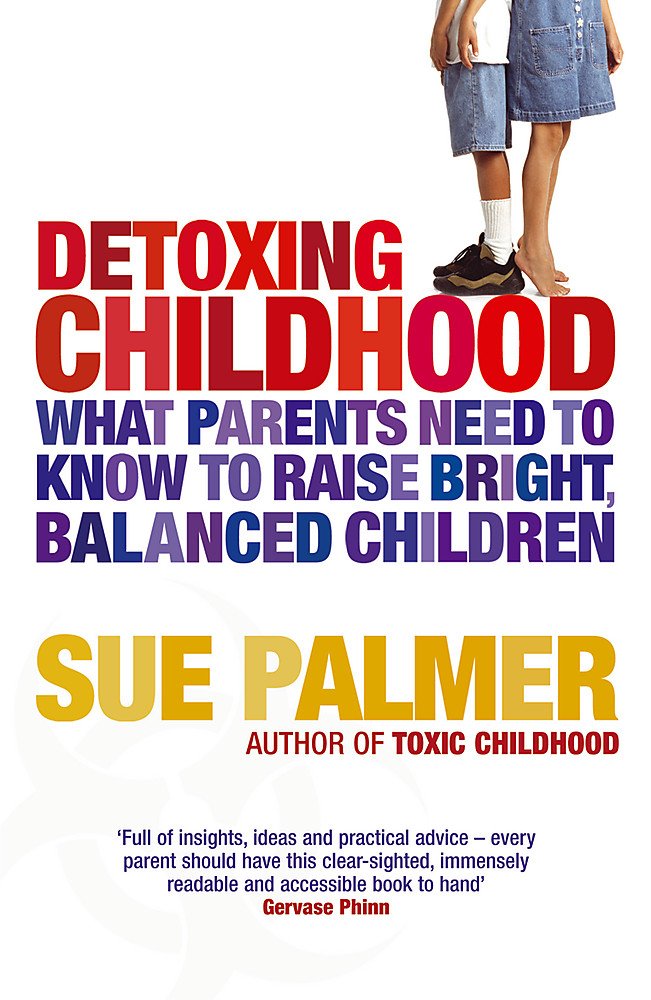
Detoxing Childhood by Sue palmer

Detoxing Childhood is geared to parents of the twenty-first century. The book is divided into three distinct sections. Sue Palmer provides a range of easy-to-follow tips and strategies to help parents solve the complex problems of child rearing. This book combines common sense with up-to-date research.

The first section is full of excellent and practical advice about eating habits, sleeping habits, family life and play. The second section leads parents through the various stages of child care and education, which would also be useful reading for all educators. The third section is dedicated to how to avoid the dangers of electronic devices. In this final section, Sue Palmer suggests we re-evaluate our modern life to overcome our bad habits and virtual addictions.

Although, her observations and advice are spot-on, I feel most modern families would be reluctant to put it in to practice. In some cases, I can foresee there will be a need for a new kind of support group.

Book Review: The Best Bear Tracker

Title: The Best Bear Tracker

Written by: John Condon

Illustrated by: Julia Christians

Published by: Templar Publishing

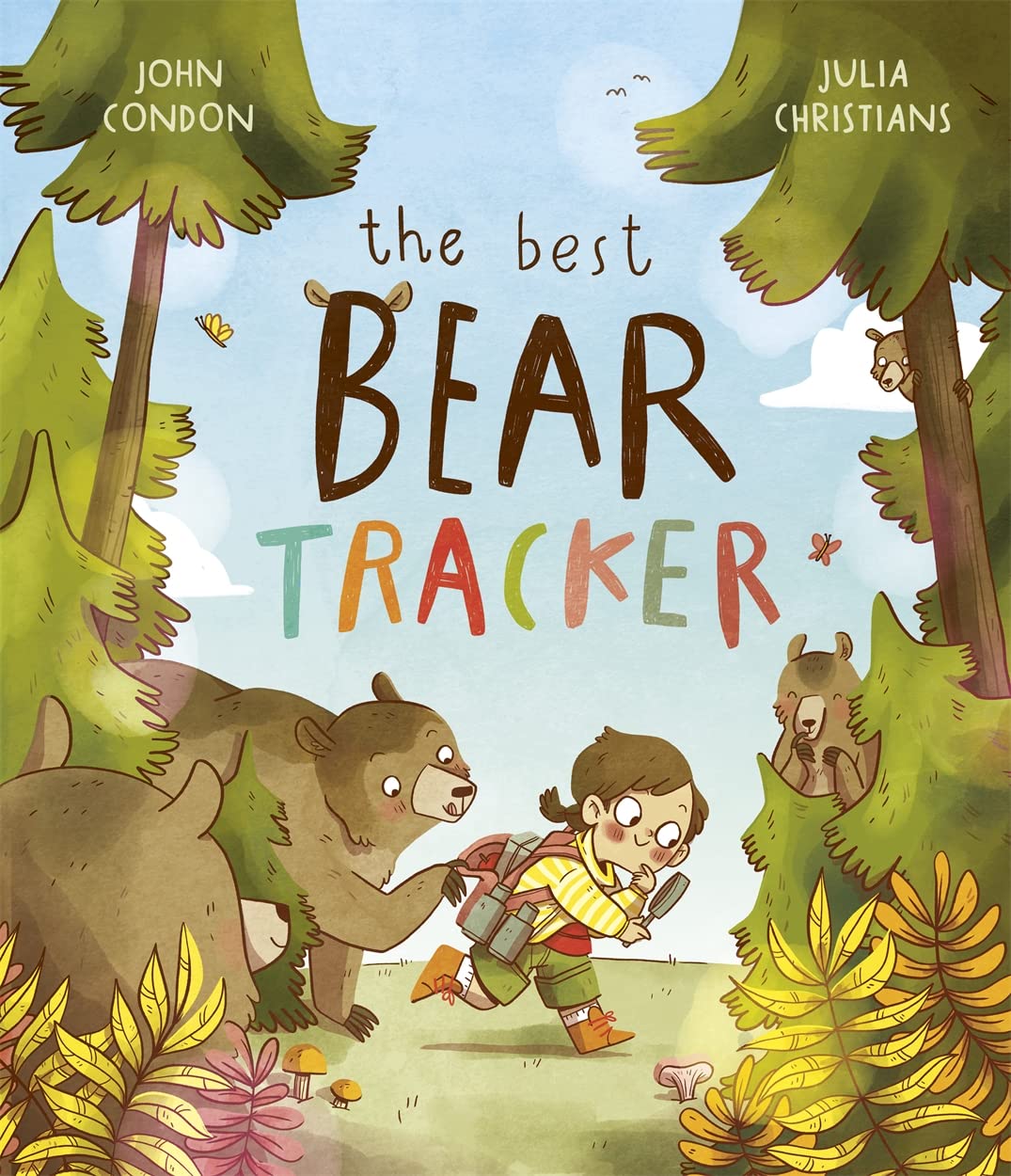
The Best Bear Tracker by John Condon and Julia Christians

The Best Bear Tracker is another ingenious picture book from John Condon with a great twist at the end. This is definitely a book that children will want to read over and over again. The young girl is a highly likable, curious character full of hope and determination.

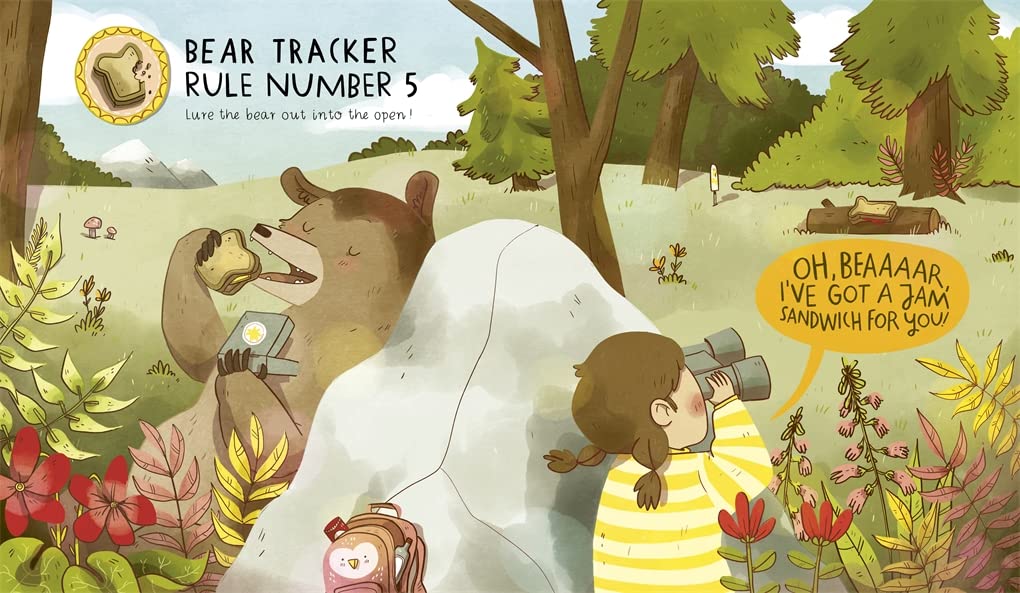
From the start she is talking straight to the reader, teaching them the rules of bear tracking and how to be brave if you are set on completing your quest. I love the duplicity of the story with the text telling a totally different story from the illustrations, creating a truly interactive experience.  Great for extending the children’s observation skills. Young children will enjoy spotting the bears she has missed.

In the classroom this picture book would be fantastic for stimulating discussion about bravery and when they may have felt afraid and how they reacted. You can discuss when it is good to persevere and when it is better to stop.

The Best Bear Tracker could also be used to help children think about what things they need to take with them when setting off on a journey from a walk to school in the morning to what they may need to pack when going on holiday. They can compare the items they think they will need for different activities compared to the items that the young girl took with her to hunt  for a bear.

This is a must have book  for school book corners and a great book to read aloud to your child at bedtimes. I would highly recommend this book.

You can buy copies of The Best Bear Tracker by John Condon and Julia Christians from your local bookshop, or online at uk.bookshop.org, an organisation with a mission to financially support local, independent bookshops.

You can find out more about John and his picture books on Twitter @John_Condon_OTT, Instagram @john_condon_author, Facebook @john.condon and on his website: www.johncondon.co.uk.

To read my exclusive interview with John Condon to celebrate the release of The Best Bear Tracker in August 2022 go to: Special Guest: Q & A with John Condon

You can read my review of The Pirates are Coming! by John Condon and Matt Hunt here: Book Review: The Pirates are Coming!

You can discover more about John and his writing tips in another interview I did with him, this time for the September 2019 Writing for Children slot in the national writing magazine Writers’ ForumAn interview with… John Condon

Also discover the highlights of John Condon’s book launch for The Pirates are Coming! here: John Condon’s book launch

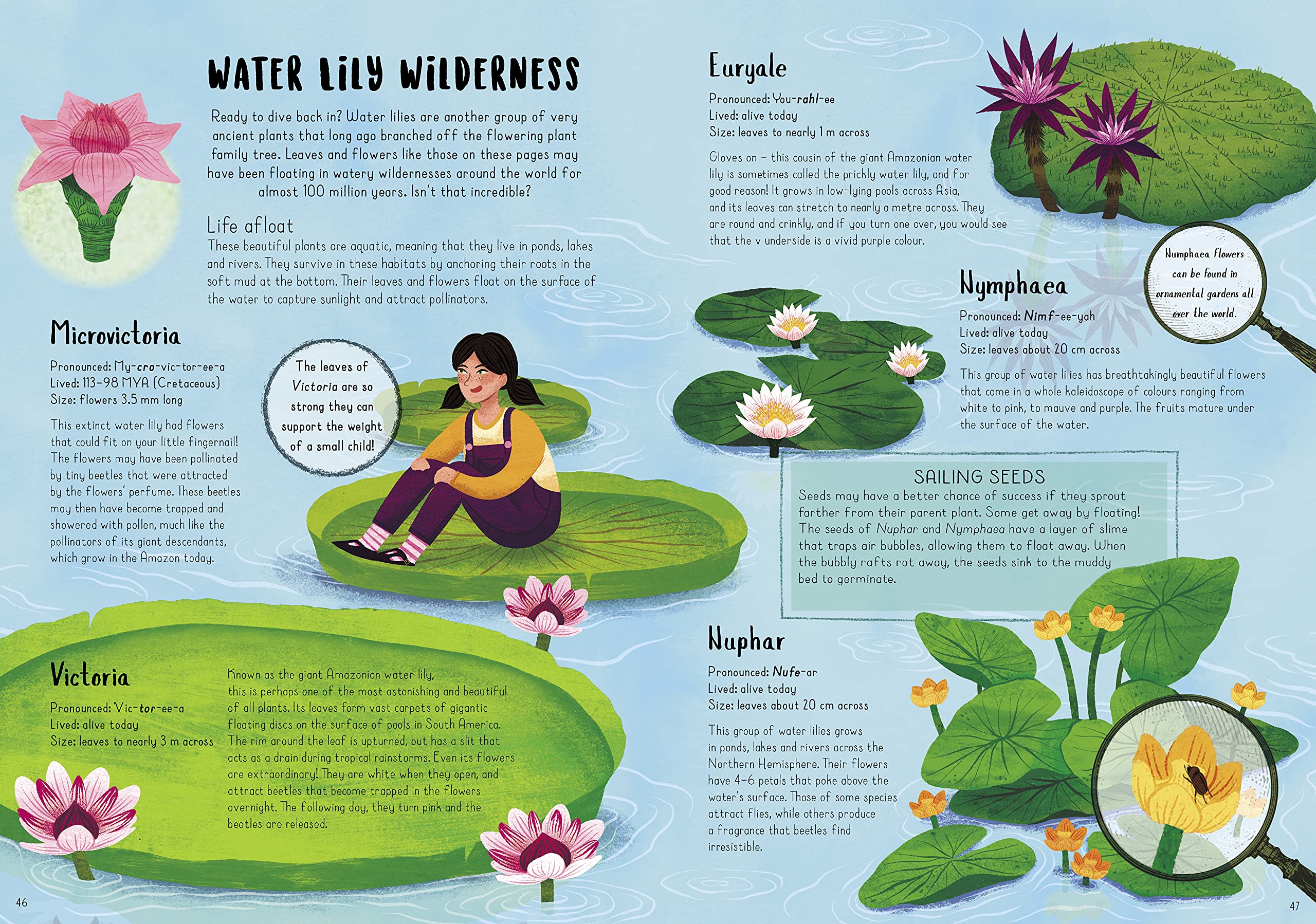
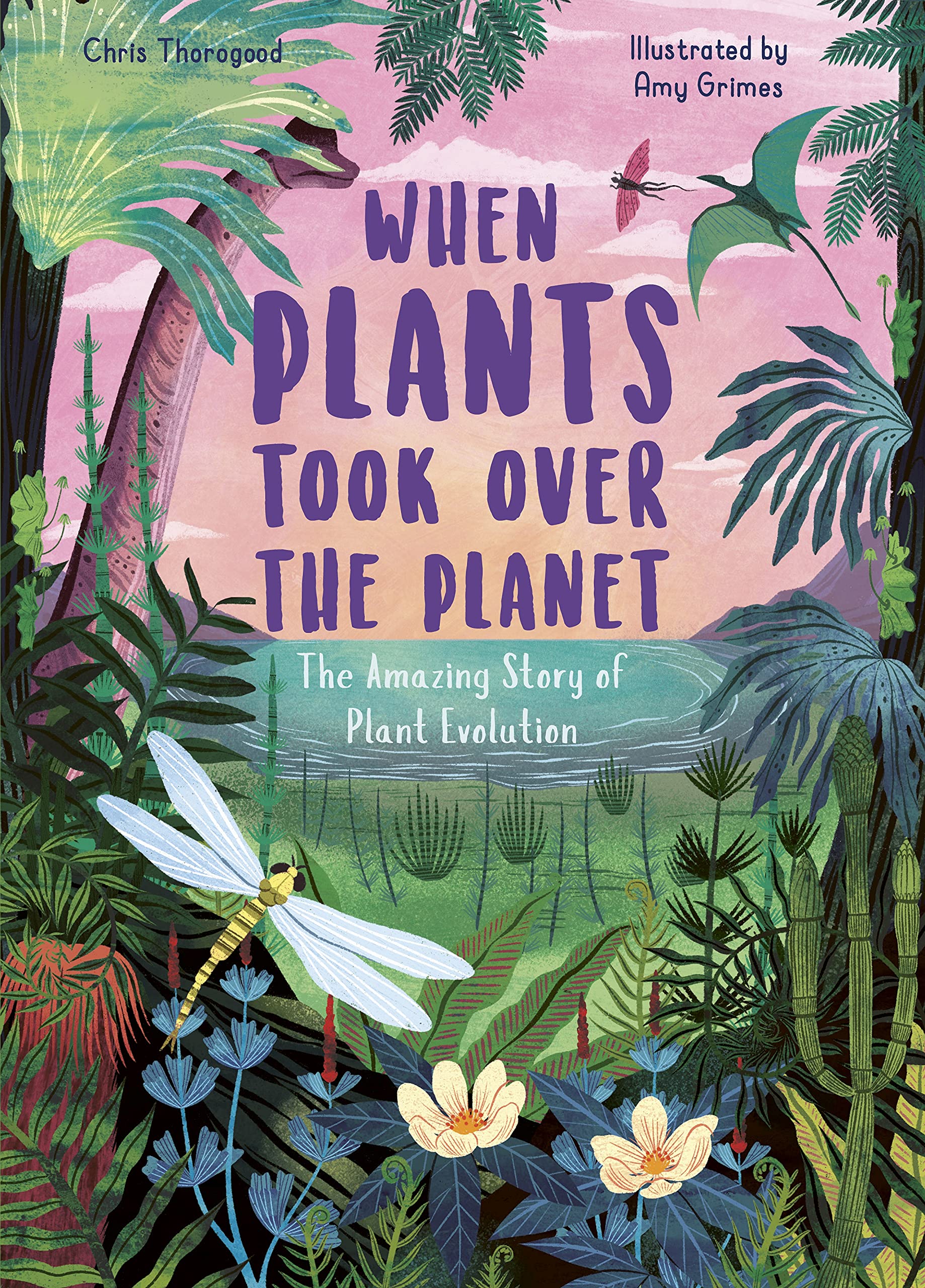
Book Review: When Plants Took Over the Planet. The Amazing Story of Plant Evolution

Title: When Plants Took Over the Planet. The Amazing Story of Plant Evolution.

Written by: Dr Chris Thorogood

Illustrated by: Amy Grimes

Published by: QED Publishing

When Plants Took Over the Planet. The Amazing Story of Plant Evolution
by Dr Chris Thorogood and
Amy Grimes

When Plants Took Over the Planet. The Amazing Story of Plant Evolution documents a concise history of plants from the first water plants that have been estimated to have appeared around 500 million years ago and through their amazing journey onto land. There is also an excellent timeline of their evolution from the Palaeozoic era to the Cenozoic era.

Dr Chris Thorogood has put his reputation as a botanic field guide writer to good use to create a visually dynamic non-fiction picture book for young people that can be used as a means for identifying different plants and guide young readers through the key aspects of the life of plants, from early ferns which were most certainly munched on by dinosaurs, to carnivorous plants that snap and ‘attack’ their prey, or powerful medicinal plants that can heal ailments and boost health. It even includes how to pronounce the difficult looking Latin words.

The snippets of bite-sized narrative weaves its way through how the multitude of magnificent and mysterious variations evolved into the vast array of adaptations that populate our planet today. It provides examples of how they can be used in medicines, the animals, including humans that need them to survive and also touches on the damage humans are doing to this fascinating resource.

Amy Grimes’ illustrations are bright and bold vinaigrettes inspired by the colours of nature and the natural world. Any child will want to spend hours just pouring over the illustrations to determine the plants similarities and differences.

This large-format, highly illustrated non-fiction picture book could be used to support topics taught at the top end of primary school in particular, living things and their habitats and evolution and inheritance. It will inspire budding young gardeners and botanists to discover more about the world of plants and maybe even go on to grow some truly bizarre and extraordinary plants for themselves.

This book was originally reviewed for Armadillo Magazine.

An Interview with… Rebecca Raisin

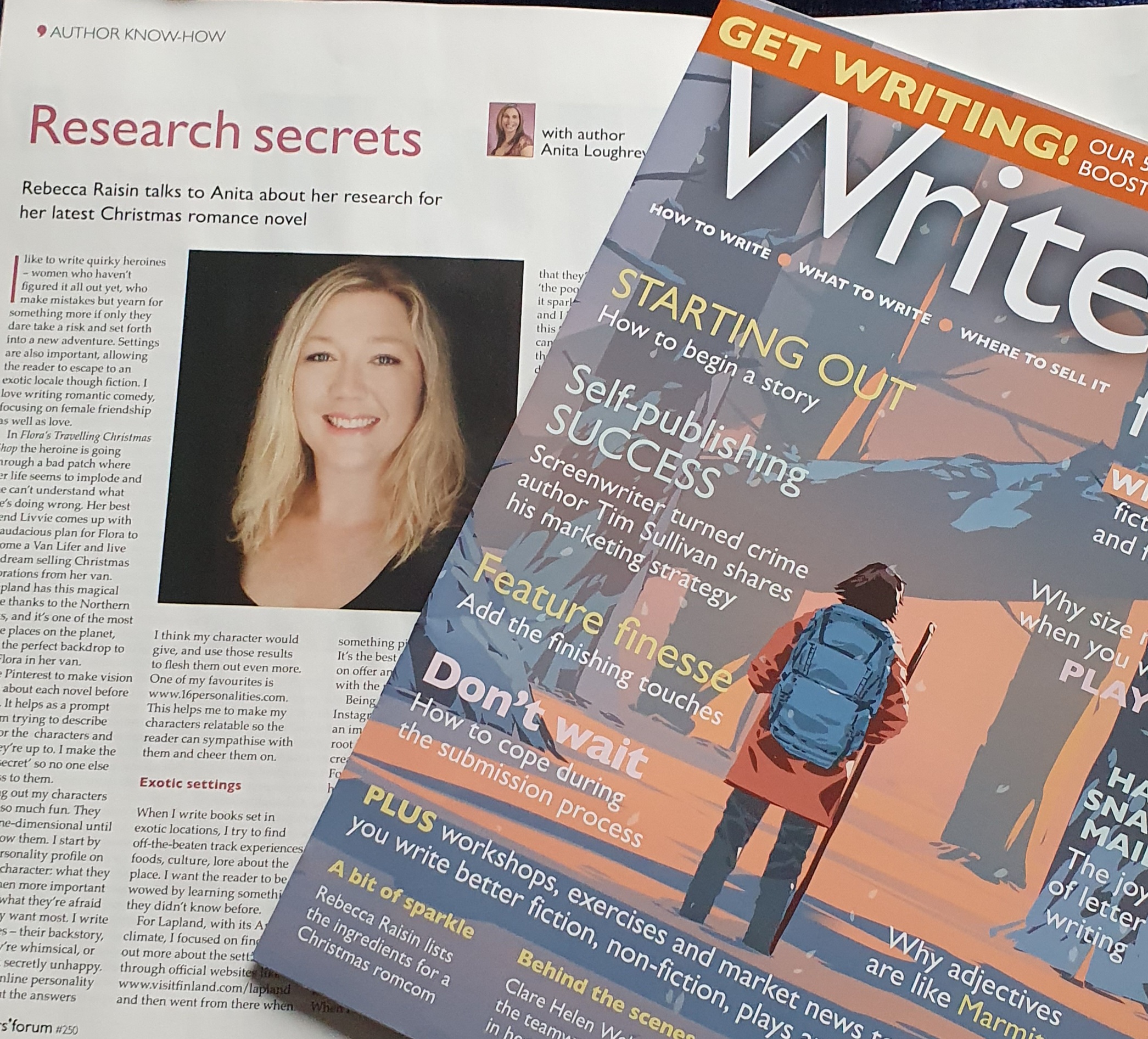
In a Research Secrets interview for #250 4 Jan 2023 issue of Writers’ Forum, I spoke to Rebecca Raisin about her travel research into Van Life and Christmas traditions in Lapland for her latest romance novel, Flora’s Travelling Christmas Shop.

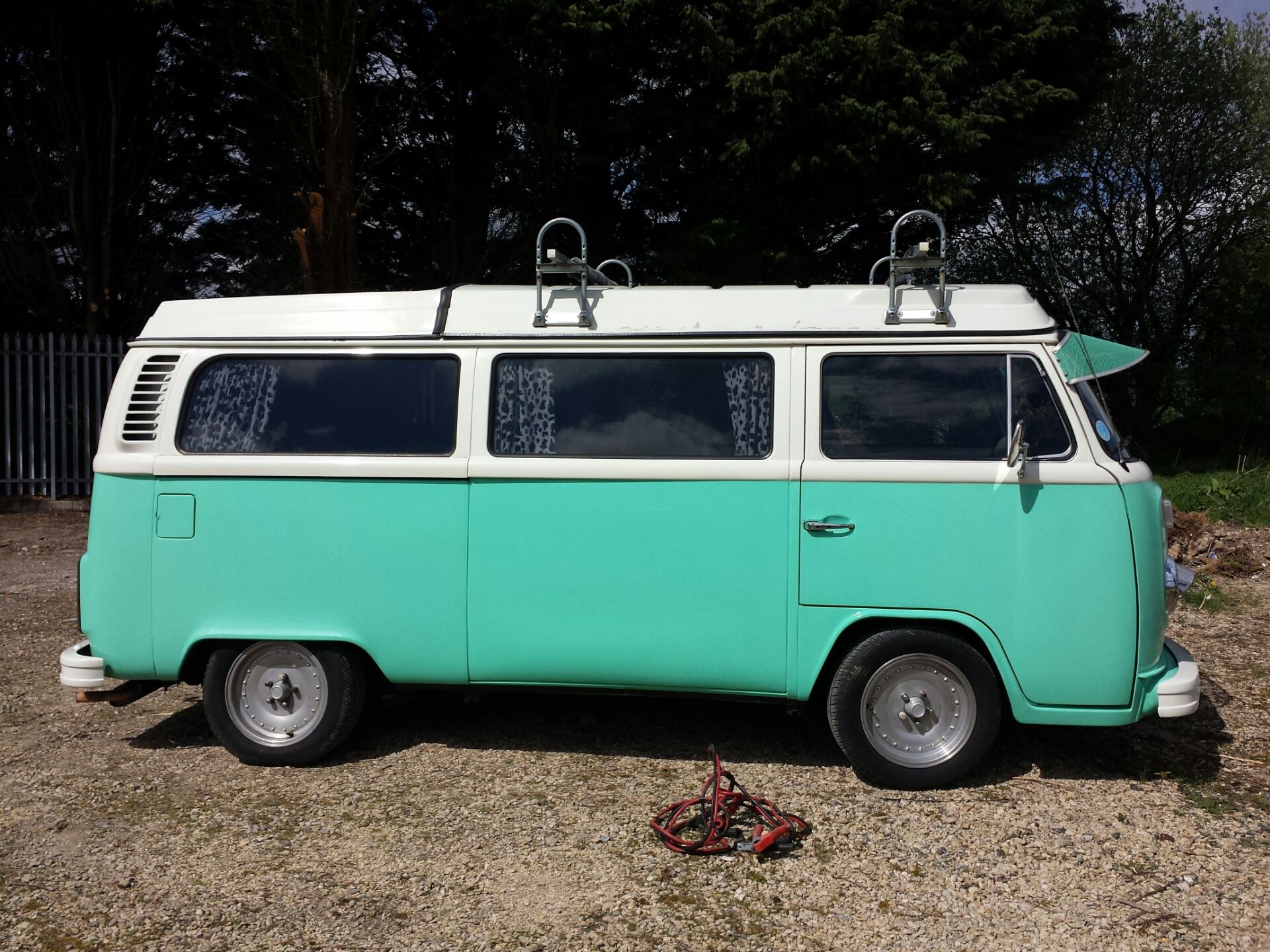
In typical romance style the heroine is going through a bad patch where her life seems to implode and she can’t understand what she’s doing wrong. Flora’s best friend Livvie comes up with an audacious plan for her to become a Van Lifer and live her dream selling Christmas decorations from her van at a market in Lapland.

My beautiful van Peppermint

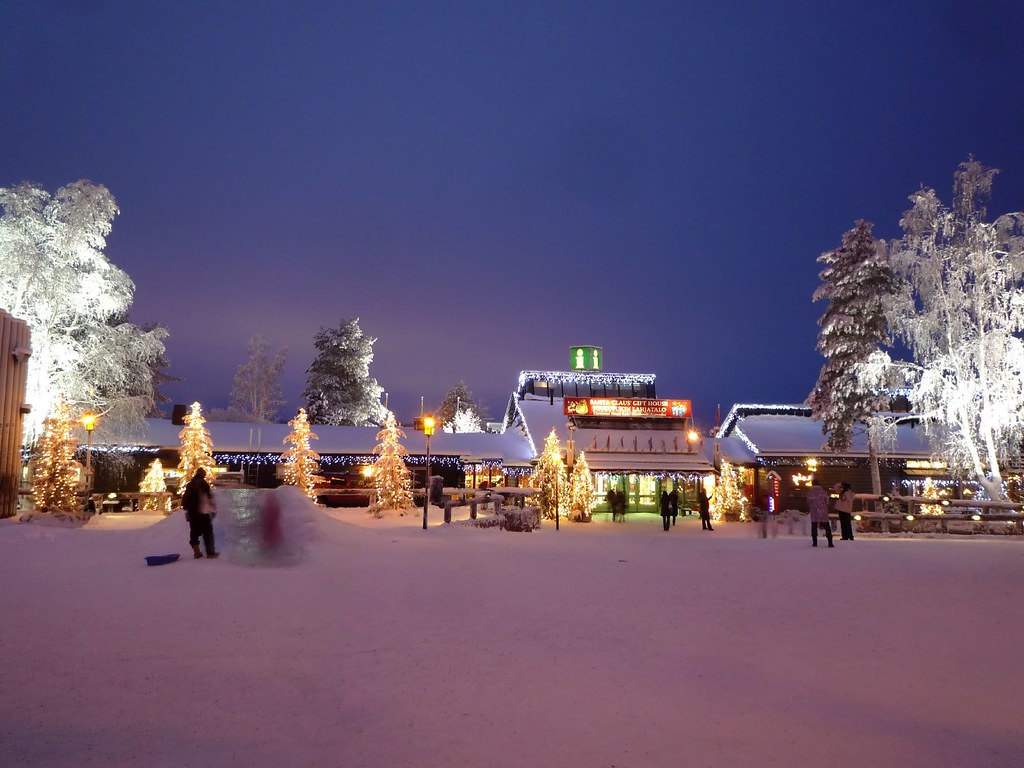
Rebecca told me Lapland has this magical allure thanks to the Aurora Borealis and it’s one of the most festive places on the planet so felt is was the perfect backdrop to send Flora in her van. She revealed she uses Pinterest to make vision boards about each novel before she begins as it helps as a visual prompt when she describes the town, characters and what they’re up to. She makes her boards ‘secret’ so no one has access to them before she has finished writing the book.

To flesh out her characters she starts by doing a personality profile on each main character – what they look like, and then more important parts like what they’re afraid of, what they want most. She told me she writes copious notes, their backstory, whether they’re whimsical, sassy or confident but secretly unhappy.

“I also use online personality tests and input what I think my character would choose and use those results to flesh them out even more. One of my favourites is www.16personalities.com. This helps me to make my characters relatable so the reader can sympathise with them and cheer them on.”

Rebecca Raisin

When setting books set in exotic locations, Rebecca explained she looks for off-the-beaten track experiences, foods, culture, lore about the place. She wants the reader to be wowed by learning something they didn’t know before. For Lapland, with its artic climate she focused on finding out more about the setting through official websites like: www.visitfinland.com/lapland/ and when something piqued her interest she searched further afield.

She finds Instagram great for providing images that take root in her imagination so she can then create more vivid descriptions. She searches hashtags such as #Wanderlust #VanLife #Nomads #Lapland. For example:

Cradling the mug to warm my hands, I look at the snowy view outside and know that moments like these are why people choose Van Life. There’s no one about, just me and the snowy cotton-ball landscape.

Extract from Flora’s Travelling Christmas Shop by Rebecca Raisin

Rebecca told me the most unusual piece of research she did for Flora’s Travelling Christmas Shop was to find a local sauna at a swimming centre and try it out. After reading so much about the health benefits, she wanted to experience it for herself to help her describe it throughout the book.

“I found it mercilessly hot and hard to breathe and I only lasted about five minutes.”

Rebecca Raisin

This research, along with her reading, filtered into her writing, as can be seen in this following extract:

One thing I’m curious about, why are saunas so popular here? Is it because of the arctic temperatures? A way to warm up?’

‘Yes, that I suppose but it’s mainly for the health benefits. For general wellbeing. If the sauna can’t cure you, nothing can. I use it for detoxing, anti-ageing, to speed up my metabolism. Back in the day, my grandmother gave birth to all her babies in saunas, as did many in her generation, thinking it was the safest, most sterile place for such a thing. Every single member of my family has a sauna at home – they use the sauna, then swim in the icy cold lake and head back into the sauna. It’s invigorating, makes you feel alive! It’s just one of those things that’s ingrained in us.’

Extract from Flora’s Travelling Christmas Shop by Rebecca Raisin

Her research into Christmas traditions revealed the typical cosy way in which Finnish people celebrate Christmas. It’s traditional to celebrate Christmas from the 21st of December until St Knut’s Day January 13th. Finnish people tend to work a lot in the lead up so they can spend the holidays with their families. On December 24th they decorate the tree, have a warm glass of gløgge, or mulled wine before their joulusauna.

Rebecca explained she spends a lot of time reading travel blogs and searching on Instagram for people living the same sort of Van Life lifestyle. She advocates reading travels blogs is an authentic way to learn about what struggles they face along the way, as well as the gems they find that an everyday tourist might miss. Usually her heroines are thirty-somethings travelling on a limited budget so she hunts for others who go from country to country and live a frugal existence selling what they can and living outside of ordinary. She revealed YouTube van diaries were also a fun way to tag along these journeys from the comfort of her own home.

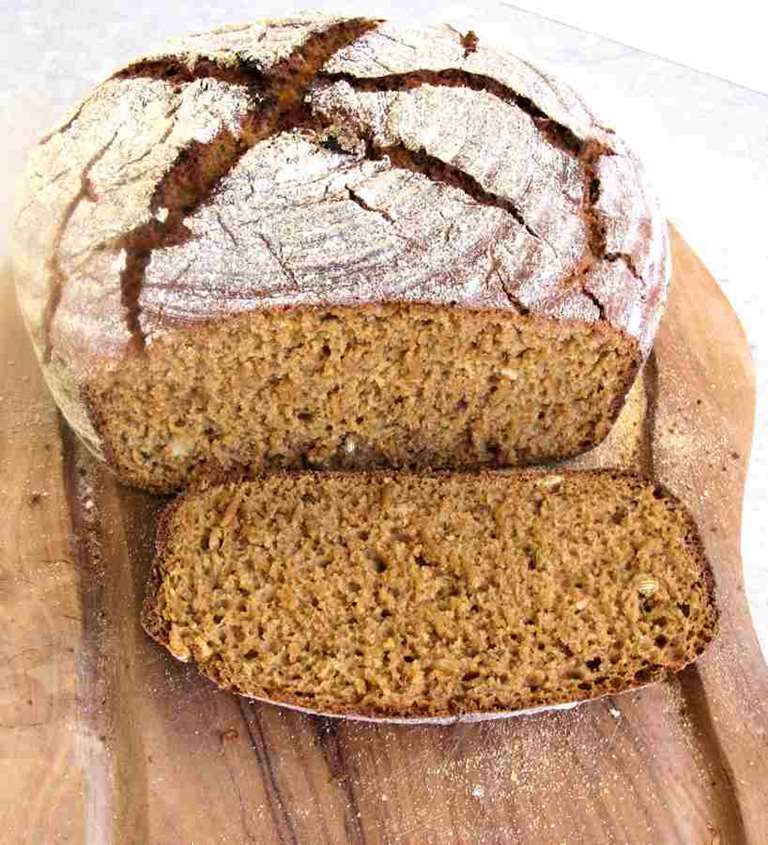
Rebecca told me she is particularly interested in food when researching for a book, as it’s a great way for characters to try something new and is a scene setter. Popular during the festive season in Lapland is joululimppu which is Christmas bread.

She explained that like a lot of the Finnish food it’s a mix of strong flavours that just seem to work. She found the ideal recipe for joululimppu on www.cuisinefiend.com.

“Browsing food blogs is a very addictive past time of mine, especially when researching for a Christmas book set in a country foreign to me. I like the personal touch when reading blogs and that the creators are clearly passionate about their subject. I read up on certain recipes from that country, in this case Finland and then lace them throughout the book, trying not to info dump, but so they appear naturally to the reader.”

Rebecca Raisin

This can be seen in this extract from Flora’s Travelling Christmas Shop:

Stalls sell roasted chestnuts, and piparkakut a traditional Finnish gingerbread. There’s a sign for the ultimate comfort food riisipuuro otherwise known as rice pudding, mugs of steaming hot cocoa and warm pastries. The scent of Christmas – a mix of nutmeg, vanilla, star anise – is heavy in the icy air.

Extract from Flora’s Travelling Christmas Shop by Rebecca Raisin

You can find out more information about Rebecca Raisin and her books on her website: www.rebeccaraisin.com

To read the complete feature you can purchase a copy of #250 4 Jan 2023 Writers’ Forum by ordering online from Select Magazines.

To read my future Research Secrets or Writing 4 Children interviews you can invest in a subscription from the Writers’ Forum website, or download Writers’ Forum to your iOS or Android device.
Book Review: Orla and the Wild Hunt

Title: Orla and the Wild Hunt

Written by: Anna Hoghton

Illustrated by: David Dean

Published by: Chicken House

Orla and the Wild Hunt by Anna Hoghton

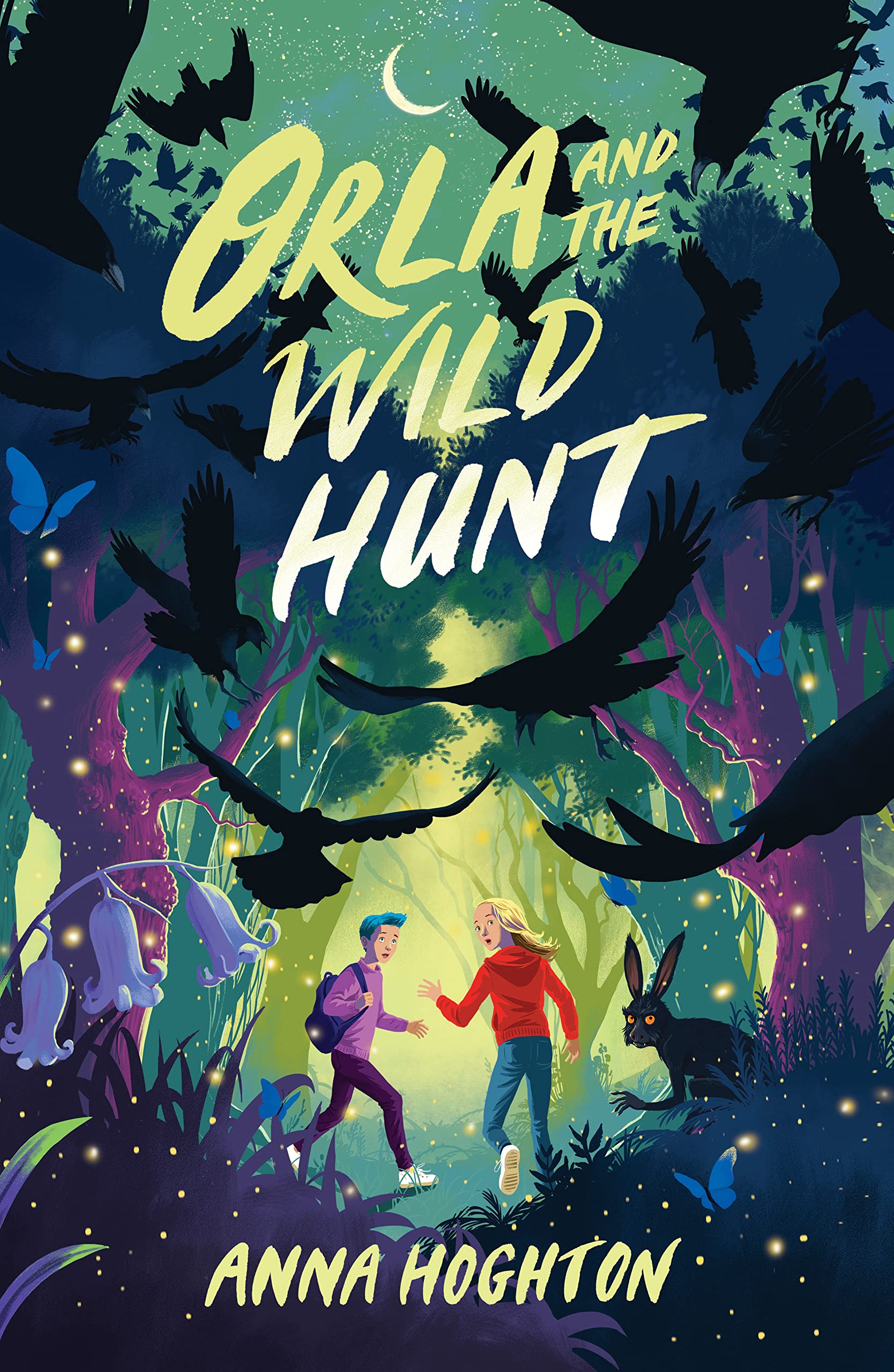
Orla and the Wild Hunt is an emotional middle-grade quest, which takes its inspirations from Irish folktales, myths and legends and is brimming with magic and suspense. The cover by David Dean is beautiful. I particularly like the fold out flaps giving a visual impression of the magical Fairy Kingdom in Tangled Woods inside the front cover and the underwater city of the merrows inside the back cover, which matched Anna Houghton’s descriptions perfectly.

The book is from the point of view of thirteen-year-old Orla who is grieving the death of her mother. She no longer sings as music reminds her of her mum and everything she’s lost. She has rejected everyone and is wallowing in this grief unable to move on, making her bitter and unhappy. She is especially angry at her younger brother, Apollo, who acts like things are ok and gets on well with everyone. This causes her to be very spiteful towards him.

She has happy memories of holidaying in Ireland with her Gran before her Mum died two years ago from an unstated illness. She reminisces about the freedom they had, the old-fashioned games they played, listening to Gran’s stories of magical creatures who live in the Tangled Woods near her house and best of all Gran’s home-cooked meals and cakes, especially the tiffin. This motivates her to choose to visit Gran in Ireland rather than go on holiday with her dad, new fiancée and her two sons. She is surprised her brother Apollo wants to come with her.

It riles Orla even more when they arrive in Ireland and her Gran is acting different. Apollo seems to have a special bond with her and Orla feels like an outsider. She can’t understand why Gran insists they keep the doors and windows locked at all times and won’t let them out after dark not even in the garden. It is the total opposite of what she used to be like. She discovers people have been going missing but believes her Gran is keeping secrets from her and is hiding something in the shed.

When Gran sneaks out one night, Orla climbs out the window and follows her to the fairies midsummer festivities where she discovers the Irish myths and legends told in Gran’s stories are all true. The thing stealing people away in the night is the Wild Hunt that feeds on people’s sadness. Gran asks the fairies to help her stop it. The fairies refuse. Orla wakes the next afternoon back in her bed and does not know how she got there. Her Gran has not been around all day. She is missing and Orla believes it is her fault, as she unlocked Gran’s bedroom window.

“…After three nights of being the Wild Hunt’s captives, mortal victims lose their minds. After three months their hearts lose all their love and the victims become Wild Hunt themselves.”

(Quote from page 35 of Orla and the Wild Hunt by Anna Hoghton)

Orla is determined to find and save her Gran from the Wild Hunt. Together with Apollo, a mysterious boy who claims he’s a friend of Gran called Connor, a rude pooka they find locked in the shed and the nonchalant giant Fionn the Pooka introduces them to in the hope Fionn will eat them, they have three days to rescue Gran, or she will become part of the Wild Hunt.

Anna Houghton cleverly explores the complexity of grief taking the reader through each stage of Orla’s emotional journey as they go on their quest to save Gran. We are shown her anger and how she is lashing out at her brother and then we see her sinking more and more into depression after the loss of her Gran. When she has to sing for the water sprites and has to give them a gift of her most treasured possession, she finally begins to accept her mother has gone and is able to move on to celebrate the good times they had spent together. It is a real journey of emotional discovery and growth.

All the characters are well portrayed, each with their own flaws that make them more endearing. I really felt for their loss of their mother and was swept away with their quest to save their Gran. The strong sibling bond between Orla and Apollo is very believable and is part of what makes this story so great. Through their quest, Orla learns they need each other and can face anything together.

This is the ideal novel for readers aged 9+. The text is well-written and flows smoothly, so suitable for reading aloud to the class, or at bedtime. It would be a great book to help young readers come to terms with grief and loss in their own lives. I would recommend this book for all readers who love fantasy adventures.

An interview with… Clare Helen Welsh

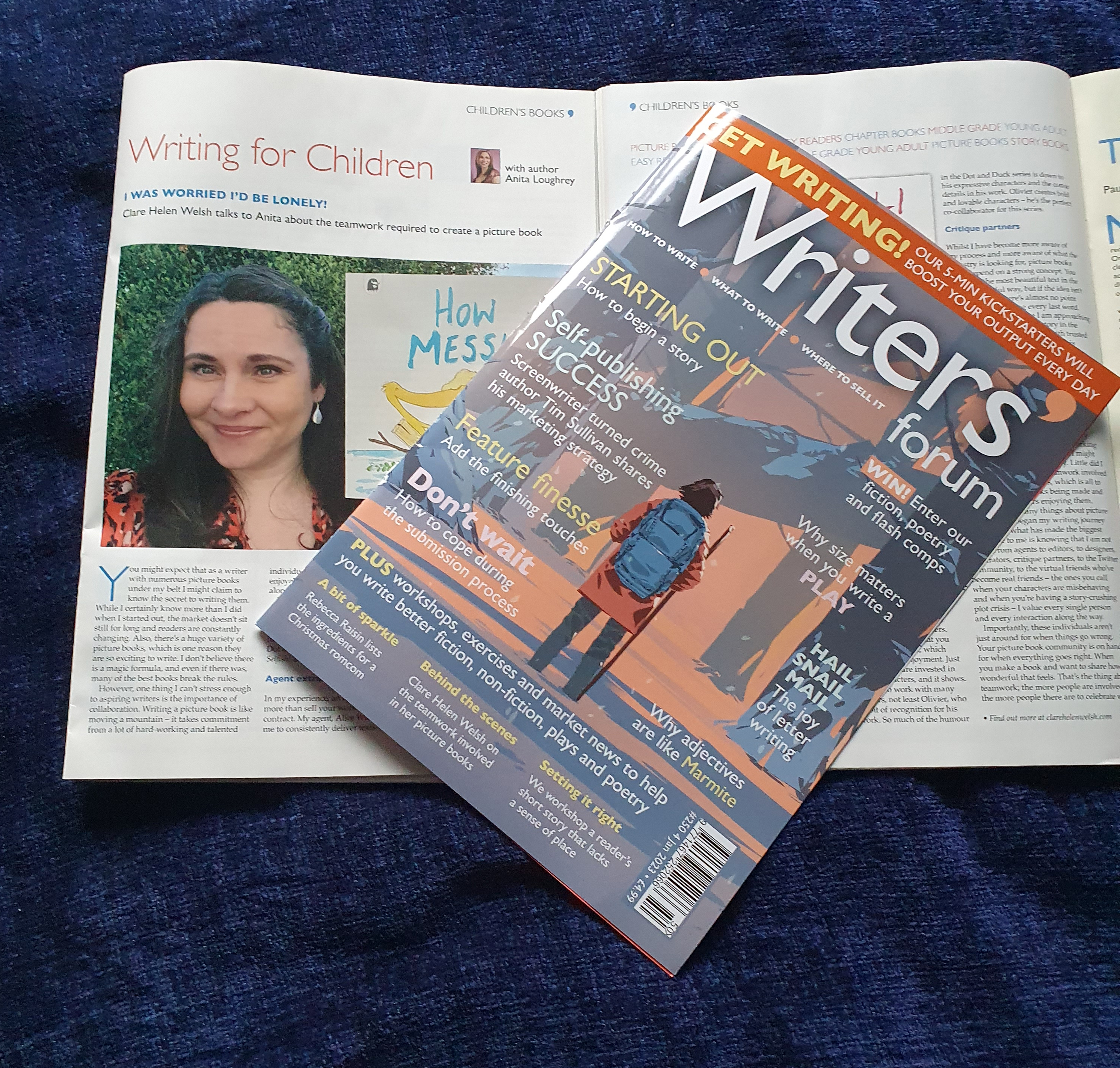
In issue #250 4 Jan 2023 of Writers’ Forum I interviewed Clare Helen Welsh about the teamwork required to create a picture book and the importance of community for authors.

Clare said that writing a picture book is like moving a mountain – it takes lots of commitment from a lot of hard-working and talented individuals. It’s also significantly more enjoyable with like-minded people alongside you. She told me to help her make sure she is approaching the strongest version of a story in the strongest way, she shares her work with trusted critique partners whose feedback is nothing short of invaluable. She explained they are excellent at the word level bits, but she also values their thoughts on the bigger picture issues such as arc, character development and theme providing her with the objectivity that is often hard to see when you are so close to your own work.

“Your picture book community are on hand for when everything goes right. When you make a book and want to share how wonderful that feels. That’s the thing about teamwork; the more people involved, the more people to celebrate with… and the more special it feels.”

Clare Helen Welsh

For Clare one of the most important team members is her agent, Alice Williams, from Alice Williams Literary. Clare elaborated that Alice does much more than sell her work and check her contract. She explained Alice reads, guides and mentors her to consistently deliver texts that families and gatekeepers love. She’s the critical eye that wants her story to be the best it can be and crucially, she has the other eye on the market.

Alice Williams ensures there’s enough in the picture book texts for them to be acquired and read (and re-read) many times, asking questions such as ‘What is there for a child to enjoy? How can I sell this to a publisher as a must-have text? How will I pitch it?’ With these questions in mind, there is usually at least one round of edits before a text goes out on submission, and when they do Alice utilises her contacts and knowledge of the industry to give a text the best chance of being acquired.

“You don’t have to have an agent to be a writer and there are many writers doing fantastically on their own, but for me the relationship is hugely valuable and enjoyable, too. It’s also handholding while you find your publishing feet.”

Clare Helen Welsh

Clare told me how the collaboration continues with the publisher, when a team of people play their part in editing, designing and producing the book. The publishing team she worked with at Quarto Kids were Rhiannon Findlay, Jane Wilsher, Malena Stojić, Emily Pither and Sarah Chapman-Suire. Once a text lands in an editor’s inbox, they will decide if it has potential and if it would result in a book that fits their list.

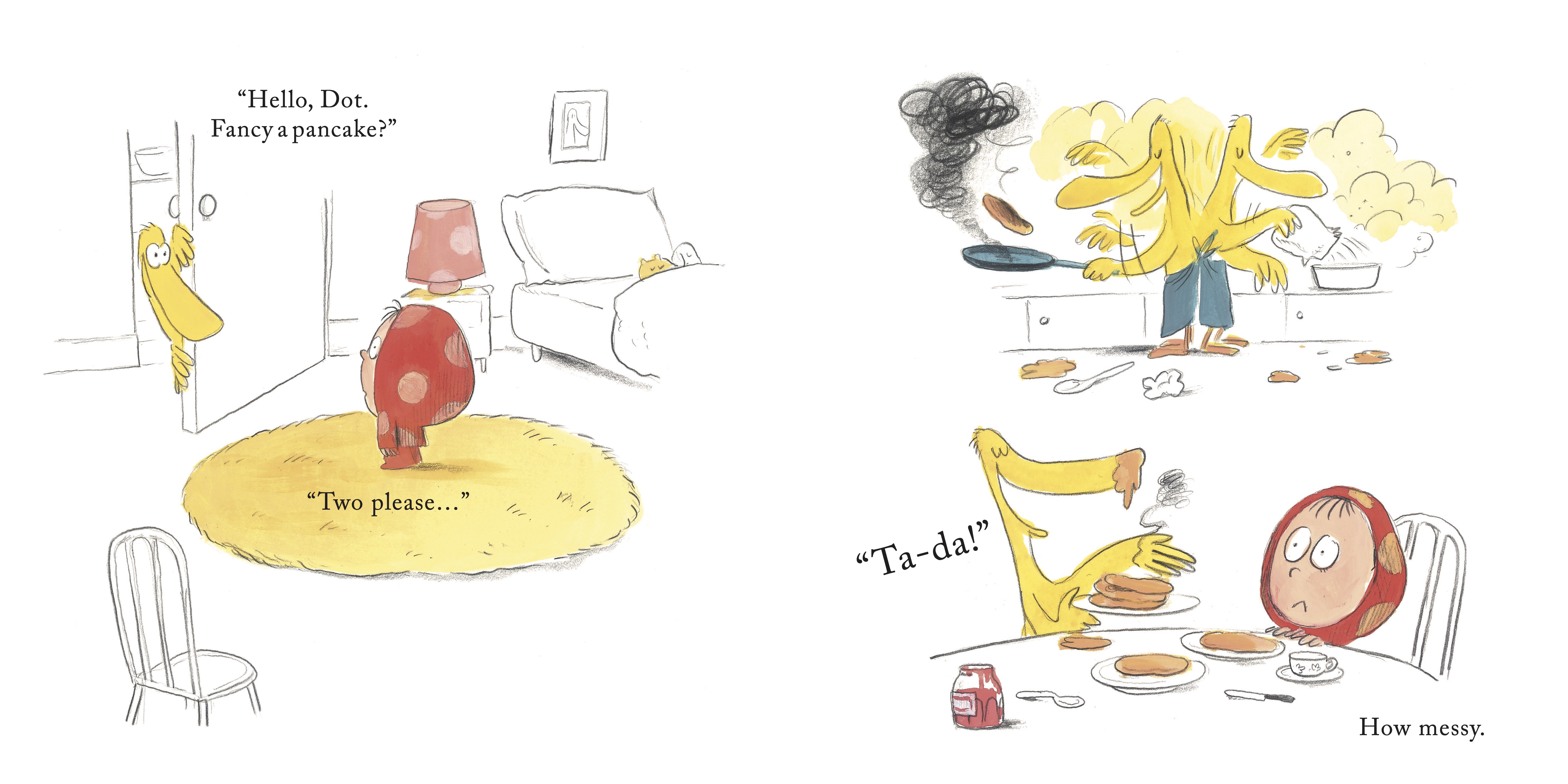
Dot and Duck had three commissioning editors cheering them on: Matt Morgan for How Rude! Ellie Brough for How Selfish! and Emily Pither for How Messy! If it’s a yes, the idea will be pitched to the wider team at an acquisitions meeting, including representatives from sales and marketing, together deciding if a book should go ahead.

Publishing is a creative business, but it’s also very much about the commercial side. Everyone has to be behind the project with a clear idea of how the book will be marketed, how much it will cost to produce, where it will be sold and who will buy it, for it to get the green light. Once a book is given the go ahead and is acquired, editors then have a significant role in developing and shaping a text. Should the character be male or female? Can they be androgynous? Should Duck always be the antagonist? Are there too many penguins in picture books? Your editor will help you to polish and refine a story, both on a line level and the larger plot and concept. They are on hand every step of the way as your book is brought to life.

But editors don’t work in isolation . Picture books, by their very nature, are more than just words and require a seamless combination of words and images. The designer, which for Dot and Duck was Sarah Chapman-Suire, is to the illustrator what the editor is to a writer – someone with ideas, suggestions and insider knowledge on how to sculpt and layout a picture book so that it will have the best chance in the market.  Sample illustrations are sometimes commissioned.

On top of these names and roles for this series, she had Nikki Ingram – the Production Manager and Lucy Lillystone – the Campaign Assistant, sales teams, marketing teams, foreign rights teams and countless others. Having such a large team is good news. Your publisher, and everyone working for them, wants your book to be a big success and wants it to sell as much as you. There really is a whole village of enthusiastic individuals invested in making your story the very best it can be.

The Dot and Duck series are illustrated by Olivier Tallec. The interaction between the the words and the pictures makes this genre of children’s fiction special. Picture books wouldn’t exist without an illustrator – they’d just be words in a digital document. But more than bringing an idea to life, an illustrator is a co-author.

“I have been lucky to work with many fantastic illustrators, not least Olivier Tallec, who deserves every bit of recognition for his outstanding work. So much of the humour in the Dot and Duck series is down to his expressive characters and comic details in his work. Olivier creates bold and loveable characters – he’s the perfect co-collaborator for this series.”

Clare Helen Welsh

An illustrator breathes new ideas and new threads into stories, which means your story will be working on several layers to engage and entertain readers. They add details to your story that you might not have even imagined, which again only adds to reader enjoyment. Just like your publisher, they are invested in your story and its characters and it shows.

As you can see there is a wide cast of characters that all work together to produce a children’s book. and I would like to thank Clare Helen Welsh for explaining the process so succinctly.

You can read the interview I did with Clare Helen Welsh for her blog tour of the Dot and Duck series here: Blog Tour – How Messy! by Clare Helen Welsh

To read my review of How Messy! go to: Book Review: How Messy!

To read my book review of The Perfect Shelter by Clare Helen Welsh and Åsa Gilland here Book Review: The Perfect Shelter

Find out more about Clare on her website www.clarehelenwelsh.com  and follow her on Twitter @ClareHelenWelsh

To read the complete feature you can purchase a copy of #250 4 Jan 2023 Writers’ Forum by ordering online from Select Magazines.

To read my future Writing 4 Children or Research Secrets interviews you can invest in a subscription from the Writers’ Forum website, or download Writers’ Forum to your iOS or Android device.
Book Review: Spark

TitleSpark

Written by: M G Leonard 

Cover illustrated by: Paddy Donnelly

Map illustrated by: Laurissa Jones

Published by: Walker Books

Spark by M G Leonard

Another exciting read by M G Leonard. I particularly like the great unique selling point of being about a group of young ornithologists who solve crimes, using their birdwatching skills. Pure genius. Spark is the second book in this crime adventure series and this time, the story is from Jack’s point of view.

On his way to meet his best-friend Twitch (Vernon) and the other Twitchers at their secret hideout in Aves Woods Jack discovers an injured cat. Despite the cat lashing out and scratching him he carries it over a mile to the nearest vet where it can be treated. The vet informs him the cat has been shot and it is not the first cat in the area to be shot. The first cat died. The owner of the cat, Colonel Mustard, asks jack to find out who is shooting the cats. Jack is excited about solving the mystery and believes it is the perfect quest for the Twitchers over the Autumn half-term. To Jack’s dismay his best friend does not believe him and is much more excited about the fact a rare Lammergeier vulture had been spotted by the Twitcher grapevine and is heading their way.

Spark is a story about what it means to be a true friend. It was great to learn more about Jack and his venture into twitching and finding his spark bird. Whilst searching for clues to solve the mystery of who shot Colonel Mustard jack uncovers an even bigger crime and they must all pull together to catch the criminals.

A brilliant book for all middle-grade readers. The plot zips along and will keep the readers reading until the end.

I have previously reviewed this book on NetGalley and Goodreads.

An Interview with… Stephen Wade

In January 2022 I interviewed Stephen Wade about the research he did for his fiction novel, The Lovers on Asphodel Way. The interview appeared in the #241 Feb 2022 issue of Writers’ Forum.

It is set on a Yorkshire building site of a new housing estate during 1972. The story encompasses the worries and fears of everyday life at this time. The Lovers on Asphodel Way is published by a new publisher called Inky Lab who are based in Newcastle. They have published four anthologies and my book is part of their new fiction list.

Most of his published books have been non-fiction and this one is fiction. Even so Steve revealed the research was basically the same, but in addition he had my own memories.

“Although I never took any photos at the time, luckily, on the main heritage site for the Leeds area, Leodis, I found houses and streets from all decades throughout the twentieth century. Imagining places has always been the first stage of my research, followed by tracking down objects, pictures, and of course, memoirs of times and places.”

Steve Wade

After his first draft, he realised that there was a lot he still needed to know, especially since he had only been working as a labourer in his student years. He realised he couldn’t carry a hod, lay a brick or spread concrete on a drive and he needed facts about the men on the site and the women workers in the places around the site, in particular a corner shop and a working men’s club. he told me for the latter, he used the newspaper archive for the basic facts – the Times Digital Archive for the year 1972. he also accessed the Lancashire Library Service digital archive, after first joining the Lancashire Library. This provided all kinds of details, including costs.

He used family anecdotes about when his dad was a baker to help him create the atmosphere and find his character’s voices. Most helpful of all the sources was the memories of the man who ran the site – the gaffer – who knew his father, who bought back memories of the way he spoke and his overall attitudes. But again, people who knew him provided more detail.

Steve said discovering information about life doing Voluntary Services Overseas proved to be a challenge. In the end, he looked at some old archives from a woman who worked for the Women’s Volunteer Service in Korea, and he transmuted her work – arranging concerts and music – into his story, which (in one strand) concerns a father writing to a son in Africa which is a contrast between the lawlessness the father sees at home and the surprising civilised and progressive context in Africa, reported by the son. When Steve looked at some memories of people who had done VSO, he found the British view of Africa was still governed at that time by the distortions of the media.

“As for the use I made of the Korean material and the Women’s Voluntary Services, this was wonderful source material, because the woman whose archive I accessed had been a working-class Lincolnshire woman whose family had lived lives of great service (from being in the second world war to the Korean and then in the Middle East). Her letters home gave me the authentic feel of the period because she was still working abroad into the 1980s, mainly in Germany.”

Steve Wade

Steve elaborated that these letters are the only ones that deal with the world well outside the Yorkshire village and people. He used them to make the exotic references more distinct and interesting, so the element of surprise and even shock in the letters from Africa gives the reader an element of the unexpected. It also has a modern resonance because the Africa depicted is not at all like author Joseph Conrad’s, or anything similar.

In the novel the writer of the letters in Yorkshire is a doctor, and he looks backwards in time for a kind of comfort, seeing the modern world as threatening, so he over-stresses the dangers he perceives around him as he writes his letters. The creation of his character proves how useful our own locality is because the model for him was a corner house in my own town, which had gradually been vandalised over a period of a few years.

Steve explained when doing research organisation is crucial. For his non-fiction he gathers all kinds of materials in folders, and relate the material to chapters, after first outlining the chapter content but for his fiction he revealed it was easier for him to put them in folders that roughly related to stages in the book.

“I tend to write fiction in passages and moods, short bursts. This relates to my fondness for notebooks and coffee shops. I tend to take my notebook somewhere beyond phones and doors, to somewhere where I will not be contacted, and then write a few pages. These pages then go into the folders for each stage as the story unfolds.”

Steve Wade

He told me his oddest piece of research was for the working men’s club. Back then, these places really were old school and very ‘unwoke.’ There were snooker rooms and bars where women were not permitted. There was a male culture that thrived away from home. What I did was invent an old soldier who is full of stories, strange exaggerations, and make his recalling the past a satire on him. In other words, he is something of a grotesque.  He comes out as a Python-type character.

His research tip for other writers is when you need to have authentic voices from the past, use the Old bailey Sessions Online. Here, dipping into any criminal trial between 1683-1913, who have the actual voices of ordinary people of all trades and places, to read – exactly as they spoke. Characters may be lifted from these very rich and fascinating trail transcripts.

Steve told me researching archives is particularly rewarding and surprising. He once found, in a pack of letters between mother and son, from way back in 1977, some pressed flowers and dried blood. The son had died on his way to take part in the Zulu War. The family history site is a wonderful resource because they have all kinds of previously hard to find court and prison records. The Ancestry site is also particularly useful.

You can discover more about Stephen Wade and his books on his website: www.stephen-wade.com

To read the complete feature you can purchase a copy of #241 Feb 2022 Writers’ Forum by ordering online from Select Magazines.

To read my future Research Secrets or Writing 4 Children interviews you can invest in a subscription from the Writers’ Forum website, or download Writers’ Forum to your iOS or Android device.
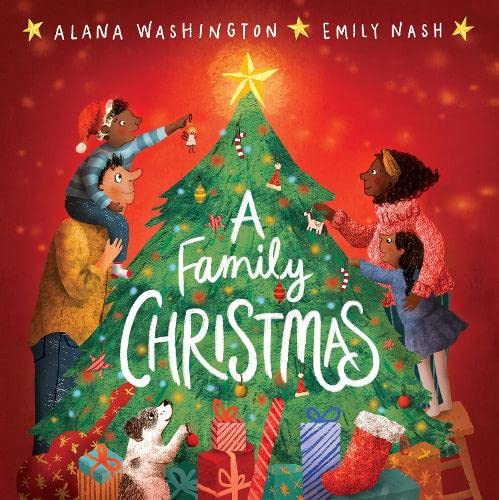
Book Review: A Family Christmas

Title: A Family Christmas

Written by: Alana Washington

Illustrated by: Emily Nash

Published by: Uclan Publishing

Written in rhyming couplets, A Family Christmas by Alana Washington and Emily Nash, brings back fond memories of reading, ‘Twas the Night Before Christmas by Clement Clarke Moore. I believe it is all set to become another Christmas classic. The books opens with the excitement of Christmas morning and guides us smoothly though the family events of the day right up to bedtime when the children are safely tucked up back in their beds.

A Family Christmas would be a great book for encouraging discussion on their own family Christmas routines and traditions. Children can talk about the similarities and differences of how they celebrate Christmas Day, what foods they eat, what activities they enjoy and look forward to, and what makes the perfect Christmas. It would also be ideal in the classroom to help children with sequencing the day.

There is a strong sense of family throughout the book leaving you with a sense of peace and hope.

You can buy copies of A Family Christmas by Alana Washington and Emily Nash from your local bookshop, or online at uk.bookshop.org, an organisation with a mission to financially support local, independent bookshops.