Tag Archives: Select Magazines

An interview with… Owen Dwyer

In this months issue of Writers’ Forum, May 2022 #243, I interviewed psychological thriller author, Owen Dwyer, about his research secrets. He told me all about how he weaved true events into his fictional novel, The Garfield Conspiracy, published by Liberties Press.
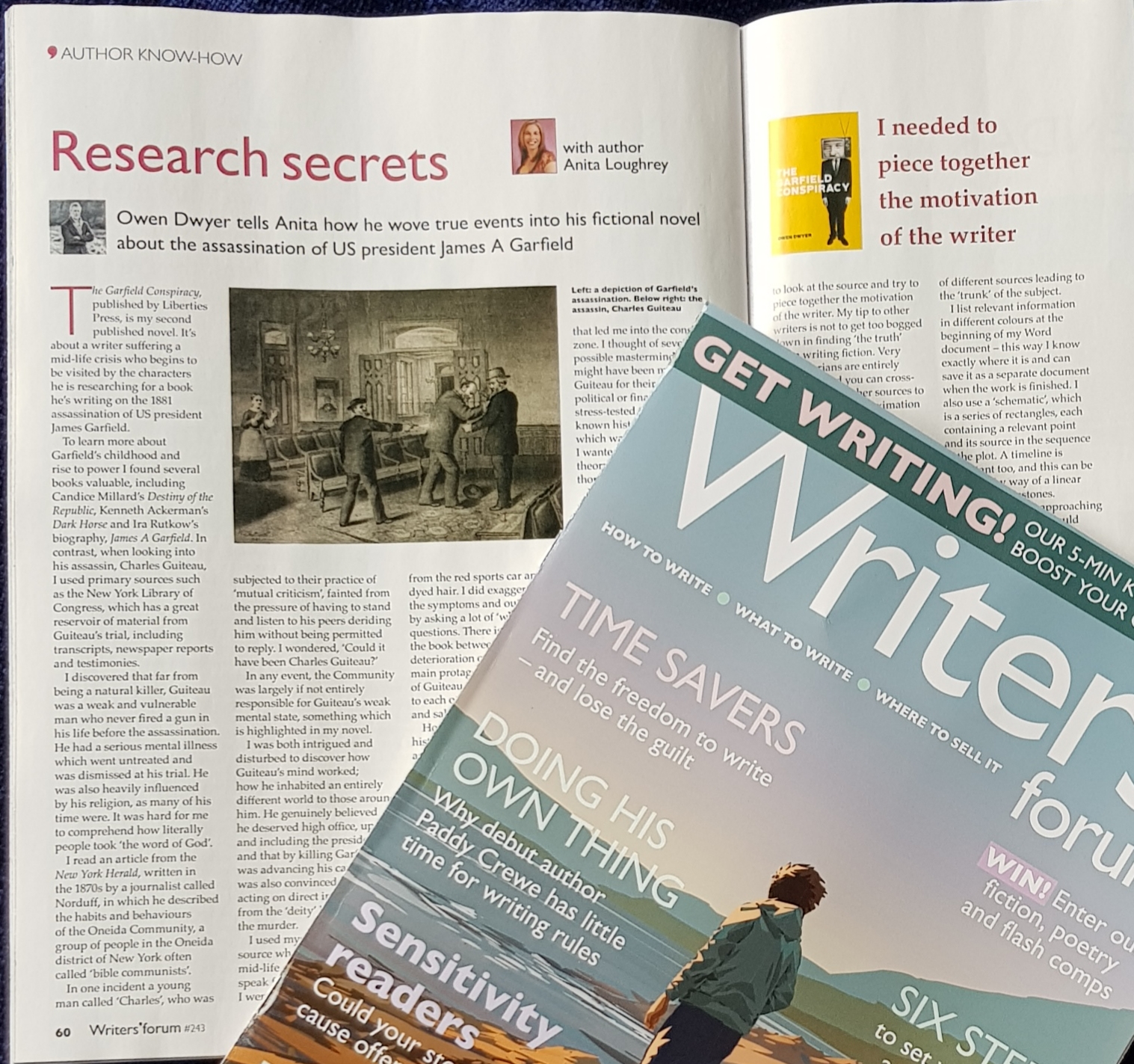
The book is about a writer suffering from a mid-life crisis who begins to be visited by the characters he is researching for a book he’s writing on the 1881 assassination of President James Garfield. Owen started his research with Roscoe Conkling, whose name he had come across whilst exploring on Wikipedia. The strangeness of the name intrigued him.
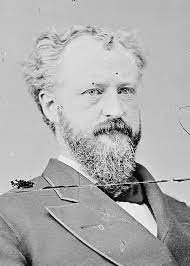
Roscoe Conkling, leading Senator of his day

Further investigation revealed Roscoe Conkling to be the most influential Republican senator of the Reconstruction Period (between the end of the Civil War and beginning of the twentieth century in America). Owen discovered he was a political enemy of President Garfield and a hero to the assassin Charles Guiteau.  

Owen turned to primary sources to do more in-depth research into Charles Guiteau, such as the New York Library of Congress, which has a great reservoir of material from Guiteau’s trial, including transcripts, newspaper reports and testimonies. He discovered that far from being a natural killer, Guiteau was a weak and vulnerable man who never fired a gun in his life before the assassination. He had a serious mental illness which went untreated and was dismissed at his trial. He was also heavily influenced by his religion, as many of his time were – it was hard to comprehend how literally people took ‘the word of God’.  

This realisation inspired Owen to research the Oneida County community, a group of people in the Oneida district of New York often called ‘bible communists’.

“I read an article from the New York Herald, written in the 1870s by a journalist called Norduff, in which he described the habits and behaviours of the Oneida County community including one incident where a young man called ‘Charles’ who was subject to their practice of ‘mutual criticism’, fainted from the pressure of having to stand and listen to his peers deriding him without being permitted to reply.”

Owen Dwyer

Owen wondered if this man could it have been Charles Guiteau. He was both intrigued and disturbed to discover how Charles Guiteau mind worked, how he inhabited an entirely different world to those around him.
Charles Guiteau, the ‘lunatic’ assassin

Charles Guiteau genuinely believed he deserved high office up to and including the presidency and that by killing Garfield he was advancing his cause. He was also convinced that he was acting on direct instructions from the ‘deity’ by committing the murder. this realisation helped him to shape his character within the novel.

Owen revealed that finding the historical characters’ ‘voices’ was difficult as there are no recordings of any of the nineteenth century characters in existence. He had to rely on their personal letters and political speeches, which by their nature were elaborate. My characters therefore ended up with florid vocabularies, with which they reproached my main protagonist for his irreverent, scandal worthy and preposterous behaviour.

The fact Guiteau shot Garfield is not in dispute. It was the reason why he shot him that led Owen into the conspiracy zone.

“I thought of several possible masterminds who might have been manipulating Guiteau for their personal political or financial gain and stress tested these against known historical data to see which was the most plausible. I wanted to make sure my theory would stand up to the scrutiny of a thorough historian.”

Owen Dwyer

Owen’s advice when approaching research is that you should start with your objective and work backwards. Don’t accept the first corroborating piece of evidence you find, but cross-check against other sources. That way, you’ll properly interrogate your subject, make it more plausible and possibly unearth other interesting information you might not otherwise have found.

The Garfield Conspiracy by Owen Dwyer

In The Garfield Conspiracy Owen accessed and studied the mind of a ‘lunatic’, which gave him new and valuable insight into mental illness – he felt more informed and sympathetic as a result – about both himself and others.  

If anyone wants to reach out to Owen Dwyer, he has said he would be delighted to hear from you on his website owendwyerauthor.com, twitter @owendwyerauthor, and / or Facebook @owendwyerauthor.

To read the complete feature you can purchase a copy of #243 4 May 2022 Writers’ Forum by ordering online from Select Magazines.

To read my future Research Secrets or Writing 4 Children interviews you can invest in a subscription from the Writers’ Forum website, or download Writers’ Forum to your iOS or Android device.

An interview with… Sophie Kirtley

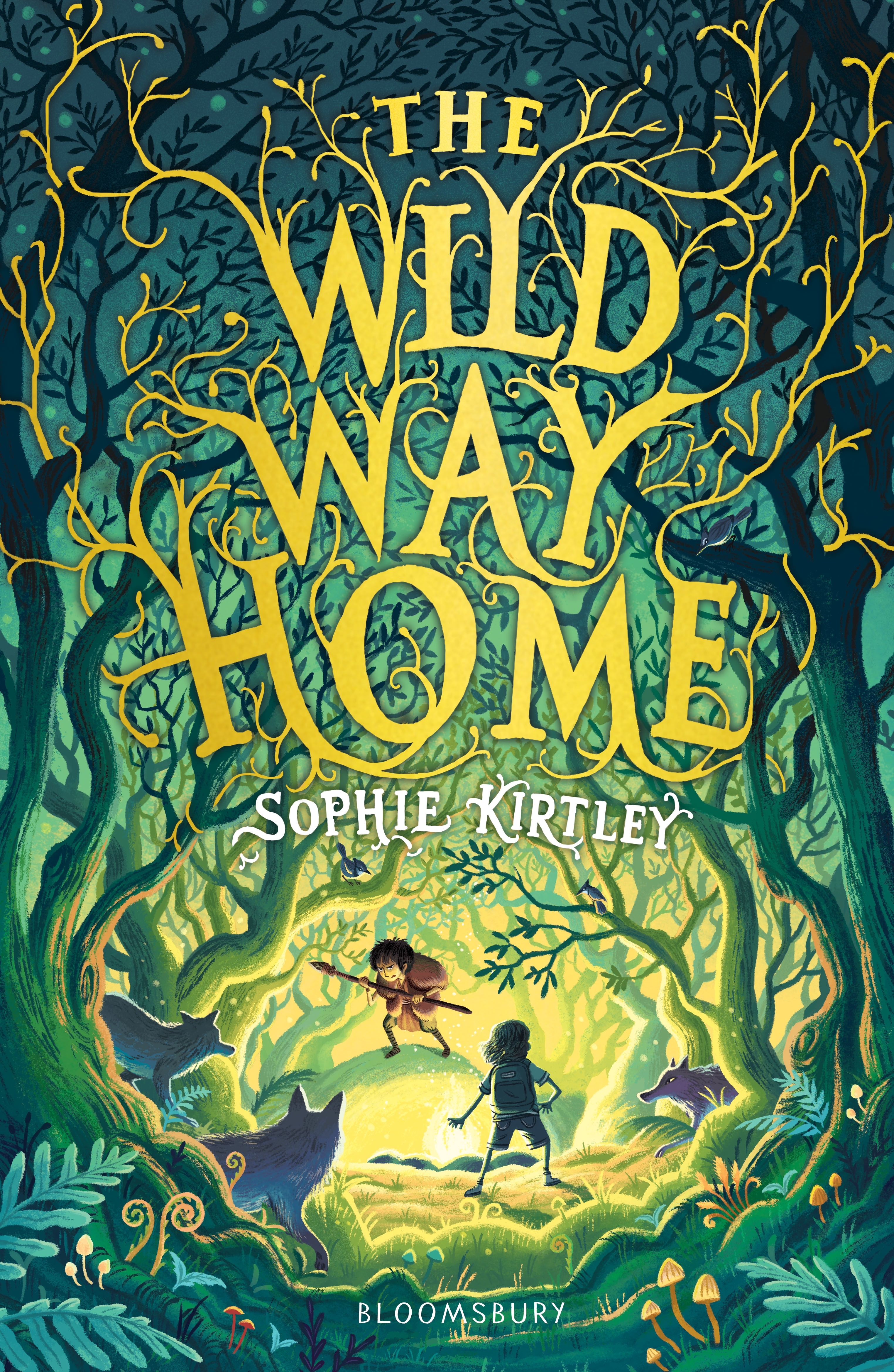
In the latest issue of Writers’ forum I talk to Sophie Kirtley about how she created the fictional worlds in her debut novel, The Wild Way Home, which came out with Bloomsbury in July 2020.

The Wild Way Home tells the story of two very different children: Charlie, who is from our time, and Harby, a boy from the Stone Age. It’s a story of friendship, courage and adventure as Charlie and Harby journey together through the wild green Stone Age forest in search of Harby’s missing baby sister. You can read my review of this mid-grade novel here.

Sophie told me The Wild Way Home was inspired by her own childhood. When she was little she often played with her friends in a wood near where she lived; it was called Mount Sandel Forest. She vividly remembers the feeling of the place – its sense of mystery and seclusion… and wild freedom. Only years later did she realise that in this very forest archaeologists had found the remains of a Stone Age settlement, it was in fact the oldest human settlement in all of Ireland.

The idea that she’d played somewhere where children had been playing for millennia was the spark which ignited this story; it made her curious about the Mesolithic children who’d played in that forest so many years before she had. She started to imagine what might’ve happened if she’d actually met one of those Stone Age children and that’s how the story-spark ignited and the story-flames raged to become, eventually, The Wild Way Home.

Sophie told me creating a fictional world can be a bit of an overwhelming ask. She explained she works her way outwards from very small details towards creating a bigger picture or building a world. She love interesting objects or strange place names or curious graffiti or fascinating gravestones.

Once something small like this has caught her eye, she let herself interrogate it; asking lots of questions about the possibilities that the small-strange-something might have thrown into her mind.

“Little by little I build all these little details together into something bigger, kind of like creating a story patchwork. In The Wild Way Home I did this with Stone Age small things that fascinated me – artefacts from museums or from ancient sites.

The intricacies of the time-slip elements of The Wild Way Home took a lot of work in order to make the shift in time smooth and believable. The setting of the story really helped me; when Charlie ends up in the Stone Age a lot of the natural features in the landscape remain the same – the river, the cave, the cliff – these physical links plus having Charlie’s consistent narrative perspective helped to carry the story between worlds.”

Sophie Kirtley

Sophie revealed writing a book set in a specific period can be tricky. You’ll feel the weight of responsibility to ‘get it right’. She did oodles of reading and researching about pre-historic life, but even within that different sources can offer contradictory angles and Sophie is adamant that you should not to tie yourself in knots with the pressures of absolute accuracy.

“At the end of the day, this is fiction, and we’re writers aren’t we? And we’re definitely allowed to make stuff up. Well that’s what I told myself anyway as I picked through my research, magpie-like, choosing what I found fascinating and eschewing the less fun bits.”

Sophie Kirtley

Sophie explained when you’re writing for children anything really is possible. Children are accepting of adventures in a way that adults aren’t – it’s very liberating as an author. Child readers are also incredibly judicious and deserve the best – they’re a hard audience too, because if they’re not gripped they simply won’t read on. Just like they simply won’t eat peas or cheese or whatever the foible may be. Sophie loves the challenge of writing for children – delivering them something they like the taste of.

If you want to write for children then there are two main pieces of advice Sophie offered: Read and listen. Read as many contemporary children’s books as you can and read them as a writer, learning along the way. Also listen to kids you know, how they talk, what makes them laugh, what makes them grump… or even think back to you as a child and squeeze your big feet back into those small shoes.

And one final thing, writing is always going to have its ups and downs, its good days and bad days. Just keep writing and don’t give up.

You can discover more about Sophie Kirtley on her website: www.sophiekirtley.com and follow her on Twitter @KirtleySophie.

To read the complete feature you can purchase a copy of #230 Mar2021 Writers’ Forum by ordering online from Select Magazines.

To read my future Writing 4 Children or Research Secrets interviews you can invest in a subscription from the Writers’ Forum website, or download Writers’ Forum to your iOS or Android device.
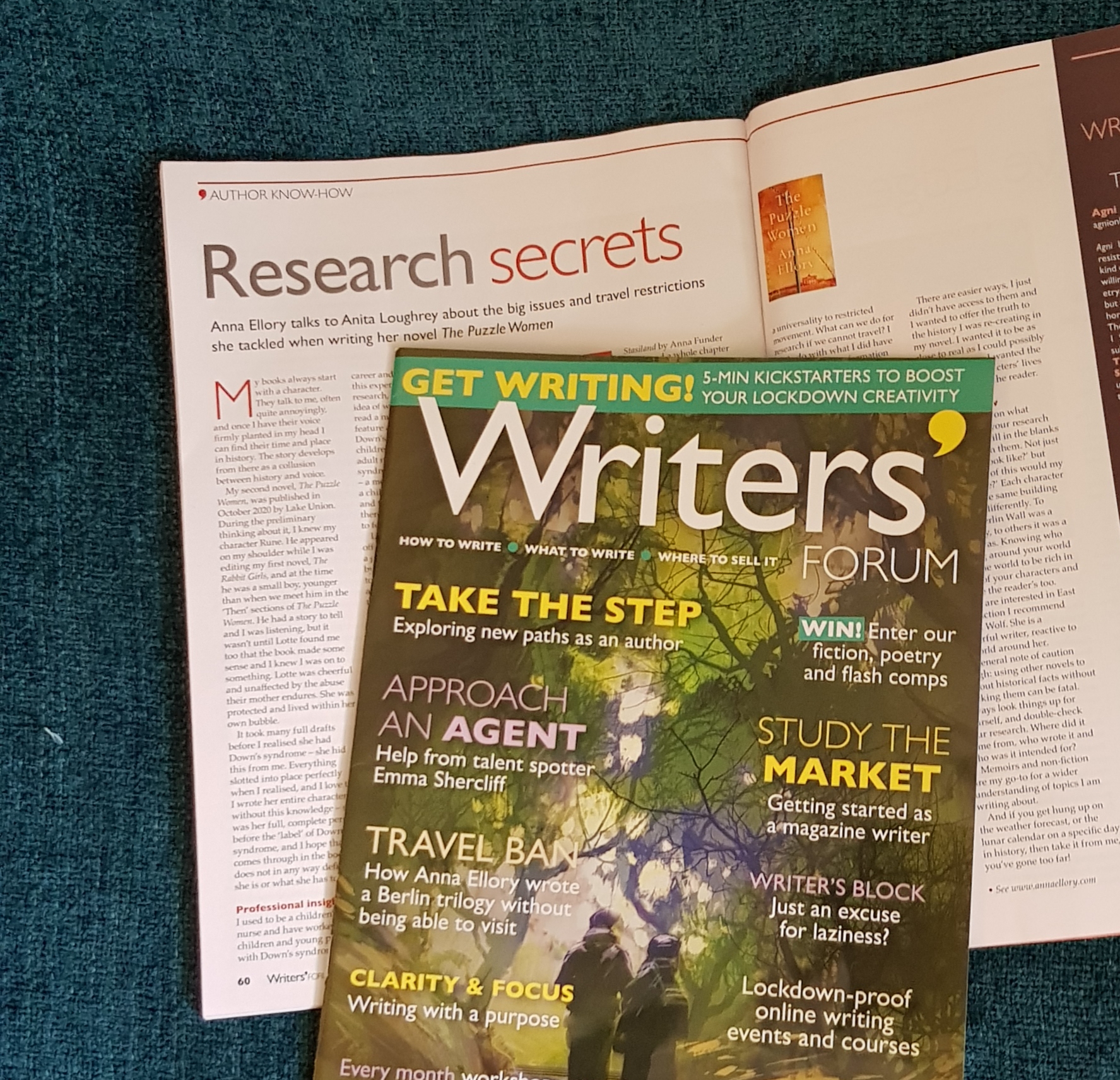
An interview with… Anna Ellory

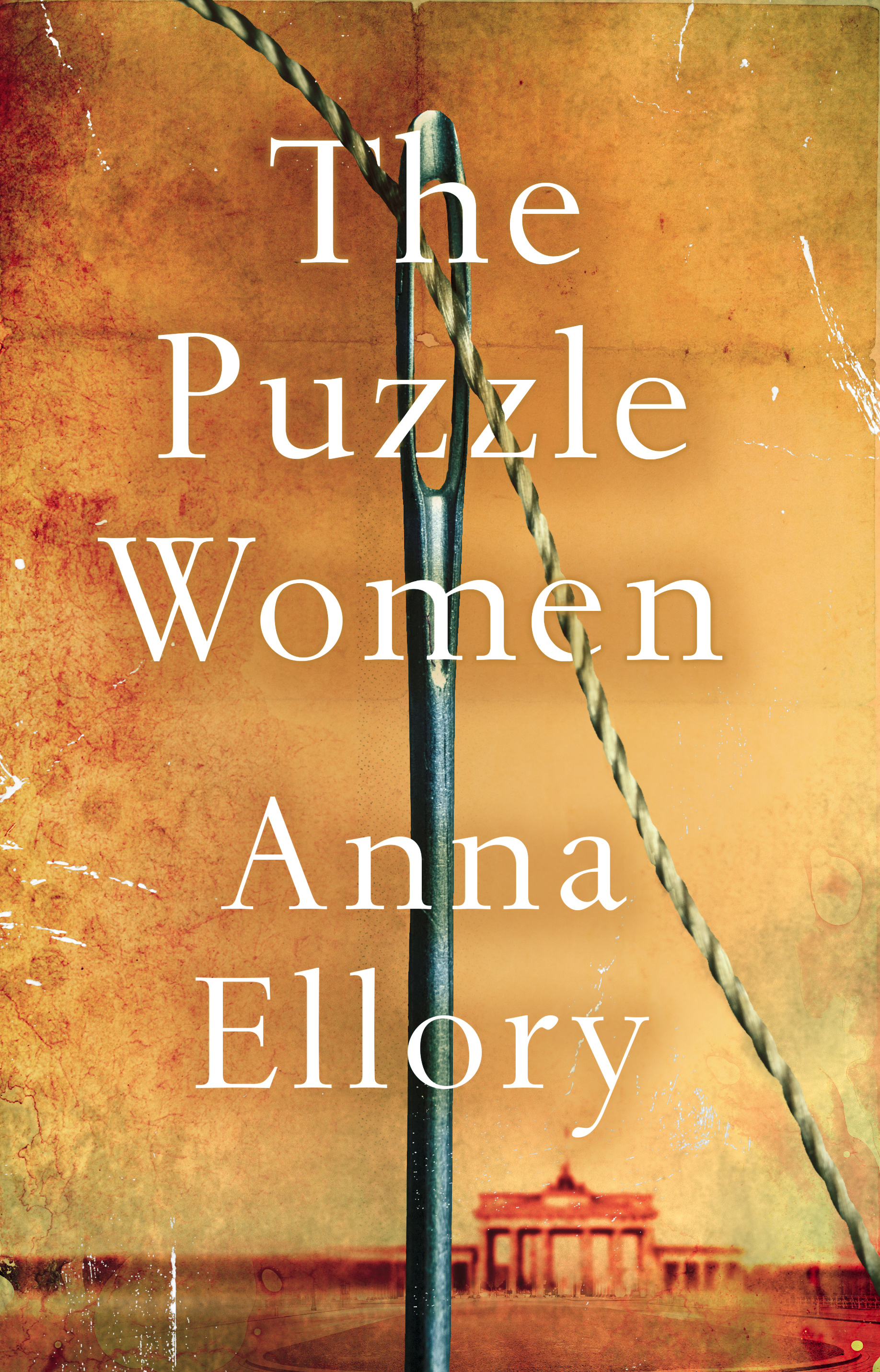
In the March issue of Writers’ Forum I talk to Anna Ellory about the research for her historical novel, The Puzzle Women, and how she combatted travel restrictions.

Anna explained her books always start with a character.

“My characters talk to me, often annoyingly, and once I have their voice firmly planted in my head I can find their time and place in history. The story develops from there as a collusion between history and voice.”

Anna Ellory

She first encountered her character Rune, whilst she was editing her first novel The Rabbit Girls. At that time, he was a small boy, younger than when we meet him in the THEN sections of The Puzzle Women, he had a story to tell and Anna was listening. It wasn’t until Lotte found her too that the book made some sense and she knew she was on to something. Lotte was cheerful and unaffected by the abuse their mother endures, she was protected and lived within her own bubble.

It took Anna many full drafts before she realised Lotte had Down’s Syndrome. Anna revealed Lotte had hid this from her and she wrote her entire character without this knowledge – she was her full complete person, before the ‘label’ of Down’s Syndrome and Anna hopes this comes through in the book. The Down’s Syndrome does not in any way define who she is or what she has to say.

Anna used to be a children’s nurse and has worked professionally with children and young people with Down’s Syndrome during her career. She was able to draw on this experience as part of her research. She had also read a number of novels that feature a character who has Down’s Syndrome including children’s literature and YA books. Many adult novels feature Down’s Syndrome as THE character, a mother who gives birth to a child who has this diagnosis and the journey they go on thereafter. Anna did not want that to feature in her book.

Lotte is her own person, offered love and support and a great deal of time and space by Rune and Mama to be able to be very independent. Anna told me:

“I think a great deal of literature out there is highly negative of Down’s Syndrome and with screening and abortion options available now, it is important to understand the power of language we offer women at the time of diagnosis and, I hope, seeing fictional characters offers an alternative way to imagine a child who has Down’s Syndrome rather than the leaflets which list possible ‘health complications.’”

Anna Ellory

The Puzzle Women is also about domestic abuse, but seen from the child’s perspective. Anna explained that everything the children in her novel witness has been done to a woman, many women, maybe even a woman who lives next door. Anna felt it needed to be treated with the sincerity of refined and clear research so readers were not jolted away from the story by the uncertainty of facts. Anna wanted her research to be accurate and then to fade into the background so the characters could take the stage.

It is set in Berlin during the cold war. There is a theme of survival, of fragmented knowledge and of overcoming trauma that is still relevant now as much as it was during the cold war. As part of her research Anna watched many German movies, including The Lives of Others, Goodbye Lenin and Barbara, staring Nina Hoss. She found that a national trauma can be translated into art, informing and inspiring further creativity too.

At the time Anna was living on benefits, a full-time single mother with a part-time job that made almost nothing. She had no ability to go to Berlin, to see these places. She had a small child and a house she could barely afford, relying on food parcels from family and friends to keep us going over many months. Anna told me:

“I think it’s a luxury to be able to travel and now due to the coronavirus, there is a universality to restricted movements. I made do with what I did have and used all the information available.”

Anna Ellory

Anna’s research consisted of speaking – via google translate to many people at libraries and museums in Berlin for the small details she wanted to know. She also used her local library. She found maps and old documents which she used google translate to read. She used trip advisor for places she would have loved to have gone to, but couldn’t. A one-star review of Teufelsberg gave her the noise of what it must be like on the roof of the old listening tower in Berlin where Rune sits and contemplates his future.

And many documentaries, YouTube videos, books and art allowed her the insight into a world of Berlin, torn apart by a wall, that she had no access to. Anna highly recommends not writing a book set during a turbulent time in history, where street names are changed regularly, before technology and in a completely different language to your own as it was a real challenge. There are easier ways but Anna just didn’t have access to them.

“I wanted to offer the truth to the history I was re-creating in my novel. I wanted it to be as close to real as I could possibly make it, because I wanted the reality of the characters’ lives to become real to the reader.”

Anna Ellory

Anna explained that being very clear on what you want from your research enables you to fill in the blanks when you reach them. But not just ‘what does it look like?’ but ‘what aspects of this would my characters see?’ Each character would see the same building completely differently. To some the Berlin Wall was a monstrosity, to others it was a blank canvas. Knowing who is walking around your world enables the world to be rich in the eyes of your characters and therefore the readers too. 

You can discover more about Anna Ellory on her website: www.annaellory.com and follow her on twitter @AnnaEllory

To read the complete feature you can purchase a copy of #230 Mar 2021 Writers’ Forum by ordering online from Select Magazines.

To read my future Research Secrets or Writing 4 Children interviews you can invest in a subscription from the Writers’ Forum website, or download Writers’ Forum to your iOS or Android device.
An interview with… Michelle Robinson

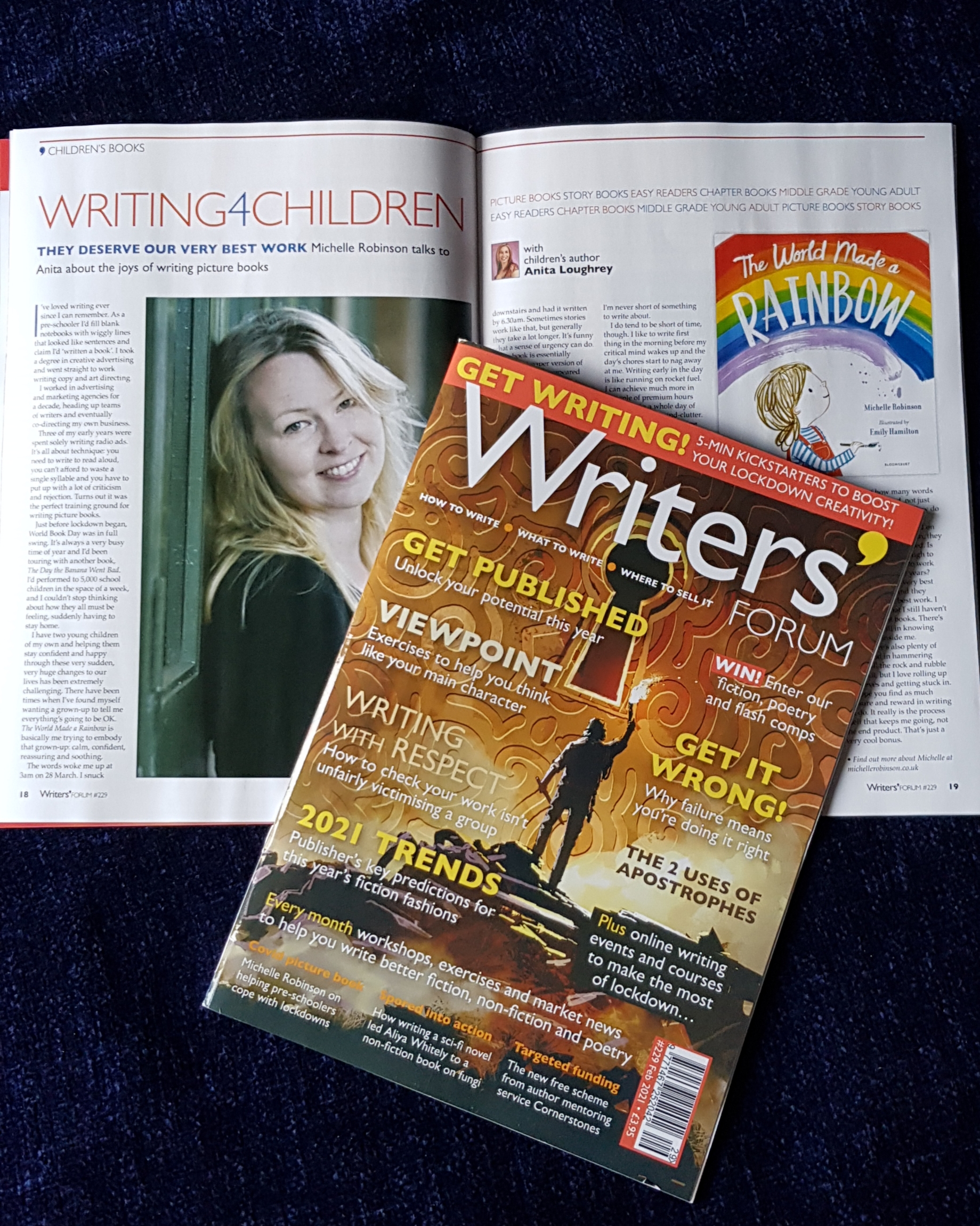
This month for my Writing 4 Children slot in Writers’ Forum I talk to Michelle Robinson about her latest picture book The World Made a Rainbow, about a young girl’s experiences of being in lockdown.

I reviewed this beautiful picture book written by Michelle Robinson and illustrated by Emily Hamilton on the 5th of January. You can read my review here. Michelle explained to me the idea came after a hectic book week visiting schools and suddenly being told to stay at home. She couldn’t stop thinking about how they all the children must be feeling. .She has two young children of her own and found helping them stay confident and happy through these very sudden, very huge changes to our lives was extremely challenging. Michelle said:

“There have been times when I’ve found myself wanting a grown up to tell me everything’s going to be okay. The World Made a Rainbow is basically me trying to embody that grown up — calm, confident, reassuring and soothing.”

Michelle Robinson

The book is essentially the ink-and-paper version of the rainbows that appeared in windows throughout lockdown. It’s a way of showing children that behind closed doors we’re all in the same situation, and what really matters is to feel safe and loved. Michelle hopes young children will recognise their own lives and feelings within the book’s main character. Her protagonist really demonstrates all the emotions we encounter are legitimate: it’s okay to not love every minute of being stuck indoors with your nearest and dearest, and it’s okay to admit to missing more carefree times.

Michelle revealed she loves writing picture books; she loves the whole process, playing with language, curating words on a page and seeing what direction her stories will take. She never starts with a plan. She explained that she prefers to write in the morning and if something’s not working she just chuck it out and have another go until she is happy.

“Writing early in the day is like running on rocket fuel. I can achieve much more in a couple of premium hours than I can in a whole day of distractions and mind-clutter.”

Michelle Robinson

She explained problems often resolve themselves when you’re not looking directly at them. She also believes that when writing books for children you need to change the scene frequently. No one wants to stay still too long. The best books surprise and delight, take us out of our ordinary worlds and put smiles on our faces.

She also believes that the most difficult part of writing a picture book is getting published. Even as a successful author, with multiple publishers actively seeking texts there are still so many hurdles to leap. This is particularly true since the COVID-19 crisis. Texts now need a really clear message or selling point to get backed — they can’t just be ‘fun for fun’s sake’. It’s a shame. Without the odd leap of faith we’re never going to create miracles.

Great picture books have a magic somewhere you can’t quite put your finger on. It happens between the words and the pictures, and in the idea at the book’s heart. Ideas are what it’s all about. We all enjoy discovering fresh ways of looking at tried and trusted themes.

“Writing for children is a total privilege. Children are the very best humans around, and they deserve our very best work. I love knowing that I still haven’t created my best books.”

Michelle Robinson

If you’re trying to write picture books, Michelle’s tip is to try copying out the text of a few great ones into Word documents. Stripping away the art lets you focus on the skill of writing. Leave breaks for page turns, take note of how many words there are per spread, not just the overall word cunt. How does the document look compared to yours? Most picture books land on editor’s desks in this form, they never arrive fully realised. Is yours truly strong enough to make someone want to work on it for two or three years?

You can find out more about Michelle Robinson and her books on social media:

Website: www.michellerobinson.co.uk

Twitter: @micherobinson

Facebook:  @micherobinsonbooks

Instagram: @michellerobinsonbooks

YouTube: @michellerobinsonchildrensauthor

To read the complete feature you can purchase a copy of #229 Feb 2021 Writers’ Forum by ordering online from Select Magazines.

To read my future Writing 4 Children or Research Secrets interviews you can invest in a subscription from the Writers’ Forum website, or download Writers’ Forum to your iOS or Android device.
An interview with… Anne Clarke

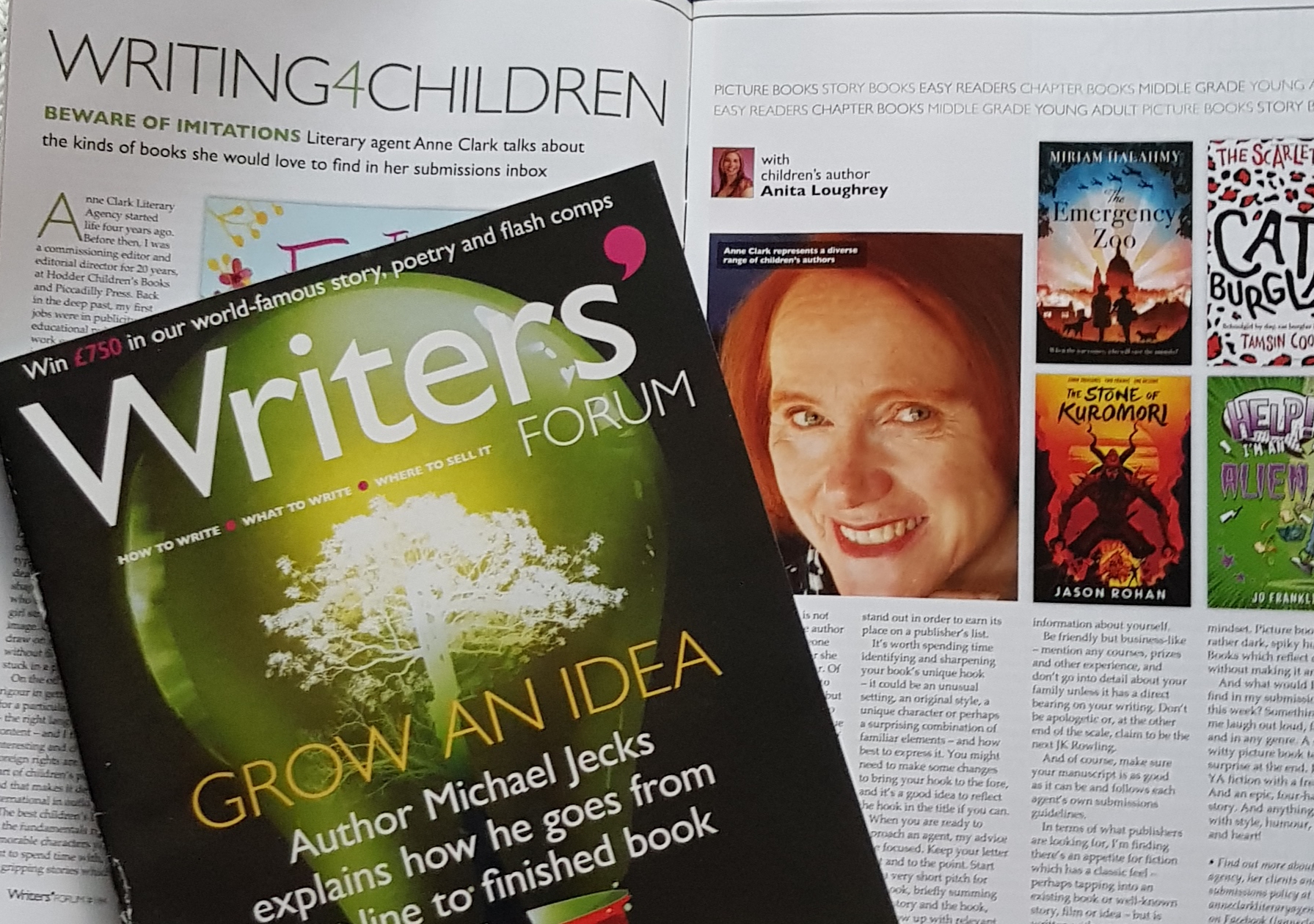
In February 2017, I interviewed literary agent Anne Clark about her children’s book agency and the kinds of books she would love to find in her submissions inbox for Writers’ Forum.

The Anne Clark Literary Agency started life nearly eight years ago. Before then, Anne worked in children’s publishing as a commissioning editor and editorial director for twenty years, at Hodder Children’s Books and Piccadilly Press. Her first jobs were in publicity and educational publishing.

She told me that she started the agency because it was the right time for new adventure, one which meant she could still do the things I like doing most – working with authors and publishers to get new books out into the world for children and teenagers to read and enjoy.

She explained children’s books are a joy because there is such freedom and variety in terms of subject and style. In a typical morning she might be dealing with a clumsy fairy, a shapeshifting cat burglar, a boy who thinks he’s an alien and a girl struggling with her body image. Children’s writers can draw on magic and fantasy without finding themselves stuck in a particular genre. She enjoys rigour in getting things right for a particular age group – the right language, right content. She said foreign rights are also an important part of children’s publishing giving it an international feel.

Anne revealed the best children’s books get the fundamentals correct: memorable characters you want to spend time with, and gripping stories which keep you turning the pages. Successful children’s authors don’t talk down to kids and they often show young people taking control of their worlds in some way, whether it’s a four-year-old with a tricky witch or a teenager with a bullying boyfriend. They may tackle difficult subjects but they offer hope. Her favourite books also stretch readers’ minds, taking them somewhere new and interesting – maybe to a Tokyo where mythical monsters roam, wartime London or inside the head of a refugee.

“An agent needs to be a talent-spotter, able to spot a promising newcomer at a hundred paces; a nurturer of authors, offering editorial direction, honest feedback and encouragement in wobbly moments; a market expert, in touch with trends and editors’ wish lists and pet hates; a shrewd salesperson; a negotiator of deals; and a champion of her authors.”

Anne Clarke

When she opens a manuscript from a new writer, she first looks for the author’s voice, and that comes over very quickly – in the first few lines and certainly within the first page or two. If she like the voice – if it feels confident, distinctive and fresh – she’ll keep reading. But she won’t be sure I want to work on a project until she has read the whole manuscript, because she is also looking for an author who can shape a whole story and take it to a satisfying conclusion.

Anne’s tip to children’s writers is to spend time identifying and sharpening your book’s unique hook – it could be an unusual setting, an original style, a unique character or perhaps a surprising combination of familiar elements – and how best to express it. You might need to make some changes to bring your hook to the fore, and it’s a good idea to reflect the hook in the title if you can.

When you are ready to approach an agent, her advice is: be focused. Keep your letter short and to the point. Start with a very short pitch for your book, briefly summing up the story and the hook, and follow up with relevant information about yourself. Be friendly but business-like – mention any courses, prizes and other experience, and don’t go into detail about your family unless it has a direct bearing on your writing. Don’t be apologetic or claim to be the next J K Rowling. And of course: make sure your manuscript is as good as it can be; and follow each agent’s submissions guidelines!

Check out www.anneclarkliteraryagency.co.uk to find out more about the agency, my clients and the submissions policy. You’ll find the latest news at www.facebook/anneclarkliterary or twitter at @anneclarklit.

To read the complete feature you can purchase a copy of #184 Feb 2017 Writers’ Forum by ordering online from Select Magazines.

To read my future Research Secrets or Writing 4 Children interviews you can invest in a subscription from the Writers’ Forum website, or download Writers’ Forum to your iOS or Android device.
An interview with… Laura Wilson

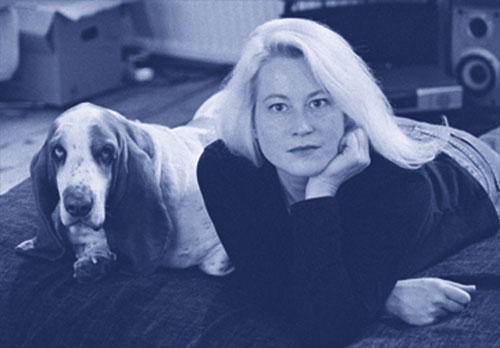
In Oct 2009, I interviewed historical and psychological crime writer, Laura Wilson, about her research tips and techniques for my Research Secrets column in the national writing magazine Writers’ Forum #96.

Laura-Wilson-Freeway-300

Laura Wilson explained why for both historical and crime writers research is important. she said:

“There’s a standard piece of advice given to people who are starting to write fiction – write from your own experience. I would venture to suggest that if you are, like me, a writer of crime novels, it’s not very useful. What are you supposed to do? Go out and murder someone and then say, ‘Sorry, Officer, I was just doing it for research?’ It also rules out writing historical novels, science-fiction, fantasy, and quite a lot else besides.”

She explained that if you are not going to create a fictitious town or village, you can make your task easier by choosing to set your work in an area you know well. Laura often writes about the West End of London, as she lived and worked there for a number of years and is very familiar with it. However she did make it clear, a writer should always be allowed to take liberties. For example, she once moved a whole seaside town five miles down the Essex coast, although she pointed this out in the acknowledgements so the readers, if they choose to look at them, were forewarned and didn’t write her letters pointing out the ‘mistake’.

Another tip Laura gave in he feature to make life easier was give your protagonist a job you have done yourself. For example, Dick Francis, the ex-jockey, writes stories set in the world of horse-racing. Research for him must be comparatively simple, because he has both the knowledge and the contacts. Laura admitted sometimes too much knowledge can get in the way and hold up the action. The best piece of advice about writing she has ever come across is from Elmore Leonard, who says, ‘Leave out the boring bits’.

It’s always tempting to slip in factoids because you know them, forgetting that the reader wants a narrative, not a lot of information about coal-mining or dry-cleaning or how to put on a crinoline or whatever it happens to be.

She is adamant story-line must always be paramount, and don’t let anyone tell you different, as there’s a risk that research becomes a displacement activity that holds up the business of writing.  she explained there should be two main reasons for research: the first is to ensure that your story-line will stand up, and the second is to underpin your work with authenticity and truth.

she told me there are some practical steps one can take to find things out: the police and other experts are astonishingly helpful, provided that you are specific in your questions. Go to the library, do your homework, and work out exactly what it is you need to know first. Buying drinks or lunch usually pays dividends.

It’s important, too, to confirm things you think you already know – get it confirmed by another source. There’s a lot of debate about the efficacy of the internet as a research tool they need to be checked against something more reliable. People’s memories can be faulty, too. Nothing beats a spot of physical research – as Black Beauty said, ‘Feeling is believing’.

Research can bring your nearer to the characters. Laura said: 

“While writing my fifth novel, The Lover, I had great difficulty getting into the mind of the killer, Jim Rushton. The book is set during the Second World War and Rushton is a fighter pilot, so, after consulting the genuine articles, I booked myself a trip in the nearest machine I could get to a Spitfire, a Harvard Training plane which had been modified to seat two people.

I discovered for myself the amazing adrenaline rush other pilots had described to me.” (Laura Wilson)

T6harvard

To read the complete feature you can purchase a copy of #96 Oct 2009 Writers’ Forum by ordering online from Select Magazines.

To read my latest Research Secrets interview you can invest in a postal subscription from the Writers’ Forum website or download Writers’ Forum to your iOS or Android device.

For more information about Laura Wilson and her novels take a look at her website: www.laura-wilson.co.uk

An interview with… Michael Lawrence

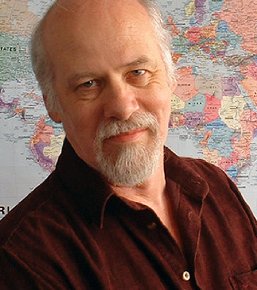
For the #97 Sept 2009 issue of Writers’ Forum I interviewed children’s book writer Michaew Lawrence. Michael told me he does not like to specialise. His first book for children came out in 1995. Since then he has published around 50 more of various kinds, from first picture books to young adult novels.

Michael Lawrence

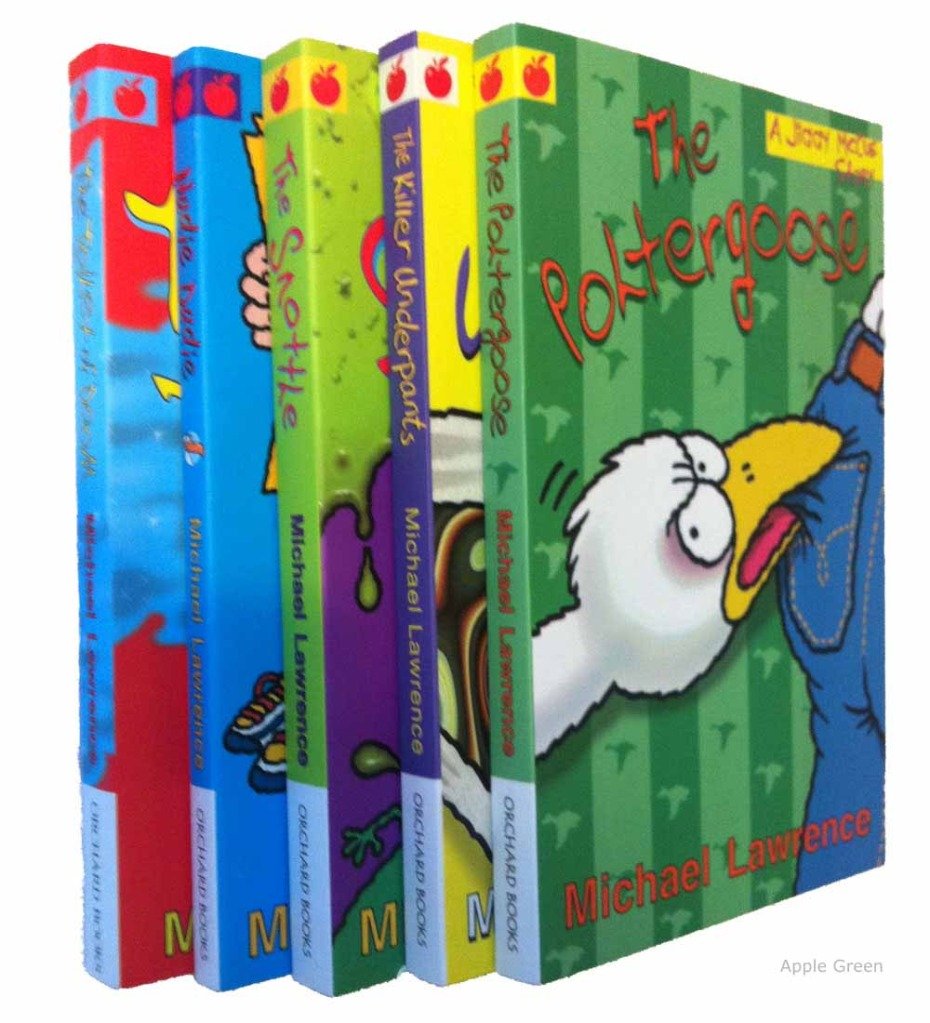
His most popular books are the Jiggy McCue novels, which include The Killer Underpants, the Toilet of Doom, The Meanest Genie and The Iron, the Switch and the Broom Cupboard. He publishes one of these a year.

Jiggy McCue books

Michael explained he does not research the Jiggy McCue stories at all, or even attempt to reflect the times the kids live in to any great extent. Mobile phones, DVDs, famous film stars and so on are mentioned, but Jiggy and Co’s school experiences are essentially his own from over half a century ago. He bases their lessons on the lessons that he still remembers so well, and some of their teachers were his actual teachers he even uses their real names. You might think this would date the books, but Micheal said that children can’t have changed as much as we imagine, because a great many of them write to him to say the books are so much like their world.

Ideas for books often come to Michael in unexpected ways and often in unlikely places. Michael told me that one very wet Sunday in August 2008, he was in Tintagel, Cornwall, walking up the hill to the site of an Arthurian battle re-enactment, when the thought came that Jiggy’s parents might be visiting or taking part in just such a show and Jiggy is either whisked back in time or a knight from the past comes forward into his time. But almost at once he dismissed this as too obvious.

Plenty of bizarre things happen in Jiggy’s world, but time travel seemed unlikely to be one of them. But then he thought, suppose someone very like Jiggy lived in a century when men wore armour, fought with swords and jousted, and by the time he got to the re-enactment the spin-off series idea was born. It will be called Jiggy’s Genes, and each book is about an ancestor of Jiggy’s who bears not only the same nickname as him, but has similar attitudes, in spite of the time he is attached to.

He bought himself a hefty hardback Le Morte d’Arthur, a new copy of Roger Lancelyn Green’s King Arthur and His Knights of the Round Table (fondly remembered from childhood) plus various books and pamphlets about life and conditions in the 15th century and also trawled the Internet for alternative insights.

In the first book Jiggy’s Magic Balls, Thomas Malory has just escaped from gaol and has an idea for a saga about knights, great battles and quests. He asks for Jiggy’s help with ideas. The Arthur that Jiggy points out to Malory is a shifty little pickpocket, and Merlin is a shyster lawyer who specialises in divorce cases. Michael explained Malory uses their names but does something rather ambitious with their characters…

For the second book in the series,Jiggy and the Witchfinder, his 17th century hero meets Matthew Hopkins, the Witchfinder General, who wants to hang Jiggy’s Nan as a witch. Michael told me:

“Any Jiggy book must have a goodly quota of laughs, but the England of the period was beset by war, disease and poverty, and saw the execution of a great many innocent people at the hands of dreadful men like Hopkins, so it hasn’t been easy keeping the story light as well as realistic.” (Michael Lawrence)

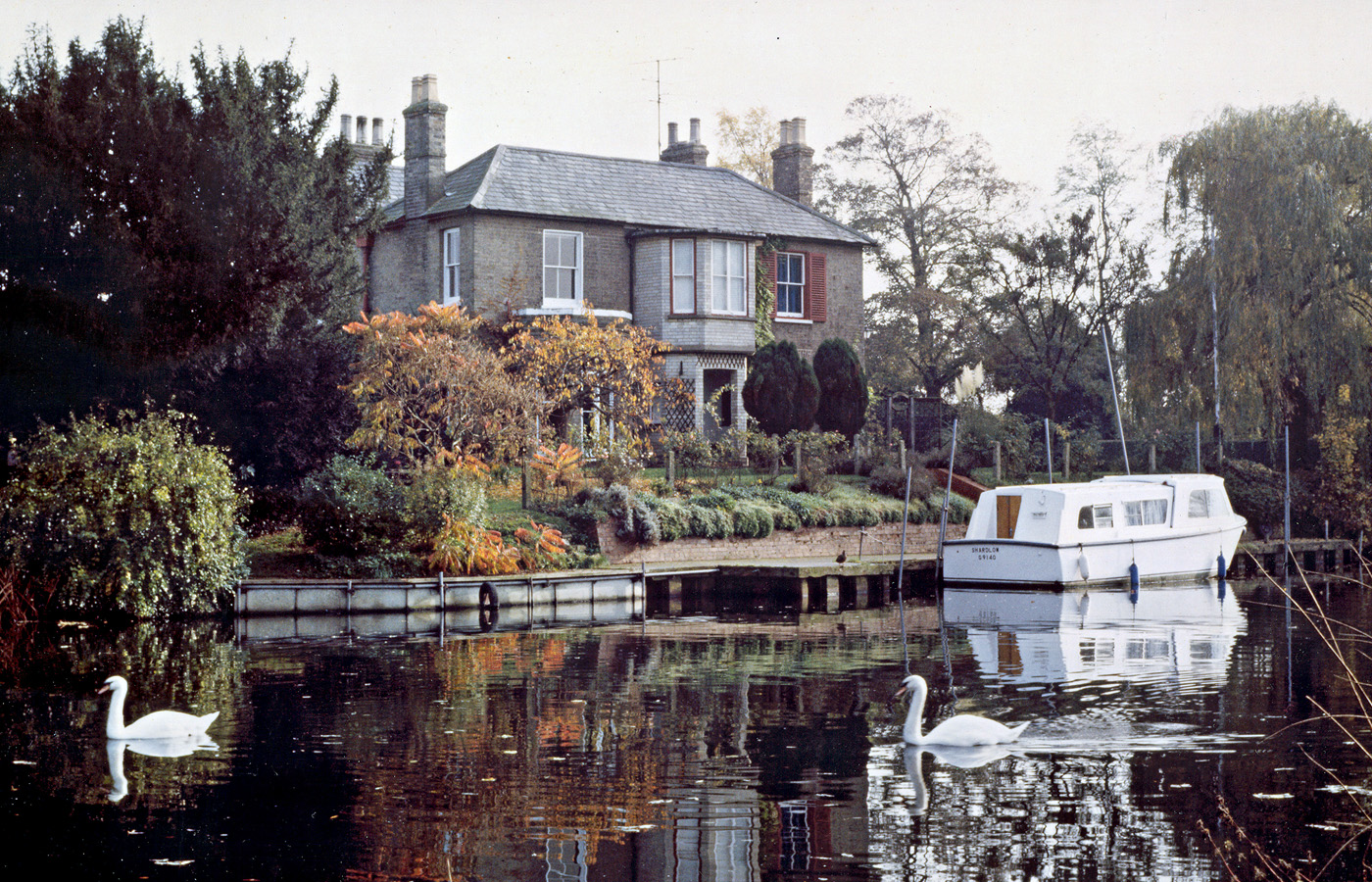
Michael’s trilogy, The Aldous Lexicon (A Crack in the Line, Small Eternities and The Underwood See) and Juby’s Rook are all set in the ruined village of Rouklye, which is based on Tyneham in southern Dorset. He used his first house as the model for Withern Rise in Small Eternities: The Aldous Lexicon 2.

ML's first house (model for Withern Rise in The Aldous Lexicon) (2)

ML’s first house (model for Withern Rise in The Aldous Lexicon) (2)

“My research for the trilogy has been literally life-long, as the setting is the house and village I was born in. In the three years it took me to write the books I returned there constantly, and during the writing my desk was littered with photographs of the house, the stretch of river on whose bank it stands, and the village and attached market town.” (Michael Lawrence)

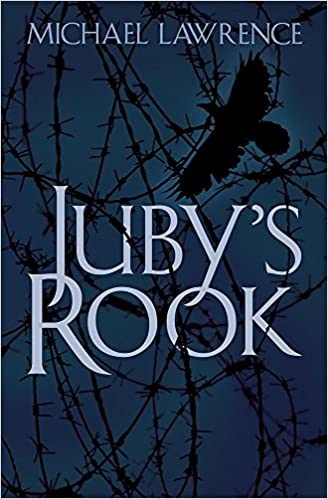
In 1943, Churchill’s War Office requisitioned the Tyneham Valley for troop training and weapons testing, evacuating everyone who lived there. They promised to return it when the war was over but never did, and today Tyneham. It is still ‘owned’ by The Ministry of Defence and is a sad, haunted ruin of a place. Juby’s Rook is set in 1999 and is about an elderly man (Juby Bench) who was a teenager in the village when everyone was turfed out.

jubys rook

He returns every August to take note of the extent of the decay and walk his old haunts. Michael has walked all of these haunts, during which, over several visits, he made extensive notes and took hundreds of photographs. Michael told me the completed book took about nine years to sell. If you haven’t heard of it, it’s because it sank without trace or a single review. Yet Juby’s Rook is one of the books he is most pleased to have got into print.

To read the complete feature you can purchase a copy of #97 Sept 2009 Writers’ Forum by ordering online from Select Magazines.

To read my latest Research Secrets or Writing 4 Children interviews you can invest in a subscription from the Writers’ Forum website or download Writers’ Forum to your iOS or Android device.
An interview with… Jo Franklin

In issue #182 Dec 2016 of Writers’ Forum I spoke to my friend, Jo Franklin, about why she prefers to write about children who feel they are on the edge of society.

Jo Franklinwood_0100

She explained that for most of her childhood she lived on a small farm in rural Sussex with hardly any social life. When she was eleven she was sent to boarding school. It was a very strange combination – the claustrophobic all female environment during term time and the boredom of the farm during the holidays. She never felt that she belonged in either place so felt very isolated. She read books as my means of escape and this led her to Sylvia Plath.

“I totally related to Esther in The Bell Jar. It was a revelation to me that Sylvia Plath could write so openly about her deepest feelings, thinly disguised in a novel and she got recognition for it. I knew that was what I wanted to do.” (Jo Franklin)

Jo joined a creative writing class at The City Lit in London and started putting words down on paper – stories about teenagers struggling with first love and identity; taking bits of her tortured soul and refashioning them into words on paper.

She discovered the important thing about writing for children is to find your inner child and reconnect to it so that your writing is convincing and real. Jo advises authors who want to write for children to ‘write who you are’ as if you can channel some of your own experience into the characters they will be rounder.

Jo found herself writing about characters who are on the edge of the society they live in – tomboys, geeks and outsiders. Some of her misfit characters wonder what they should do to fit into the mainstream. Others are more confident with who they are and the stories show that maybe society should open their hearts to the fringe characters in our world. Exploring the issues that children face is actually a way of exploring your own issues.

In her book, Help I’m an Alien, Dan feels such a misfit that when his sister tells him he’s an alien, he believes her. In Help I’m a Genius (the second title in the series) Dan is so intimidated by the brain power of the rest of his family, that when he is selected to represent the school in a National Brainiac Competition, he is convinced he is going to humiliate himself. He recognises that he doesn’t fit in and the stories explore how he feels about that. I’m interested in the range of emotions that go with searching for your own identity.

Jo doesn’t write specifically for girls or boys as she believes children’s books should be universal . 

“I hope that my stories are accessible to everyone regardless of whether the main character is male or female.They are written with a broader outlook, but publishers sometimes get hung up on which slice of the market they are focusing on selling the books to. My worst fear is a publisher giving one of my books a girlie pink cover. I was a tomboy growing up and I still hate pink.” (Jo Franklin)

Jo told me a great children’s book needs to be written from a child’s heart and soul. The voice has to resonate as true. It doesn’t matter whether a book is funny, exciting or mysterious it somehow has to lead the characters on a thrilling journey of self-discovery and include emotional insight as well as enthralling action. Some of the facts of children’s lives are different now – technology dominates their lives – but they still face the emotional journey we all went through.

Her advice is if you want to give writing for children a go, a good way to start is to work on a memory and see where it takes you. How did you feel the first time you saw your mother/father cry? Remember that time you did something wrong and you passed the blame onto someone else with disastrous consequences? What did it feel like to walk into your new school aged eleven? Choose one of these and write for fifteen minutes. See where it takes you.  Enjoy it. Don’t worry about anything other than your joy at putting words on paper.

The next step is to join a writer’s circle, critique group or creative writing class. It’s a great way to begin learning your craft and meeting like-minded people. Perseverance is the thing which differentiates a published author from the many aspiring but unpublished writers.

You can find out more about Jo Franklin, her books and writing life on her website www.jofranklinauthor.co.uk and follow her on Twitter @jofranklin2

To read the complete feature you can purchase a copy of  Writers’ Forum issue #182 Dec 2016 online from Select Magazines.

To read my latest Research Secrets or Writing 4 Children interviews you can invest in a subscription from the Writers’ Forum website or download Writers’ Forum to your iOS or Android device.
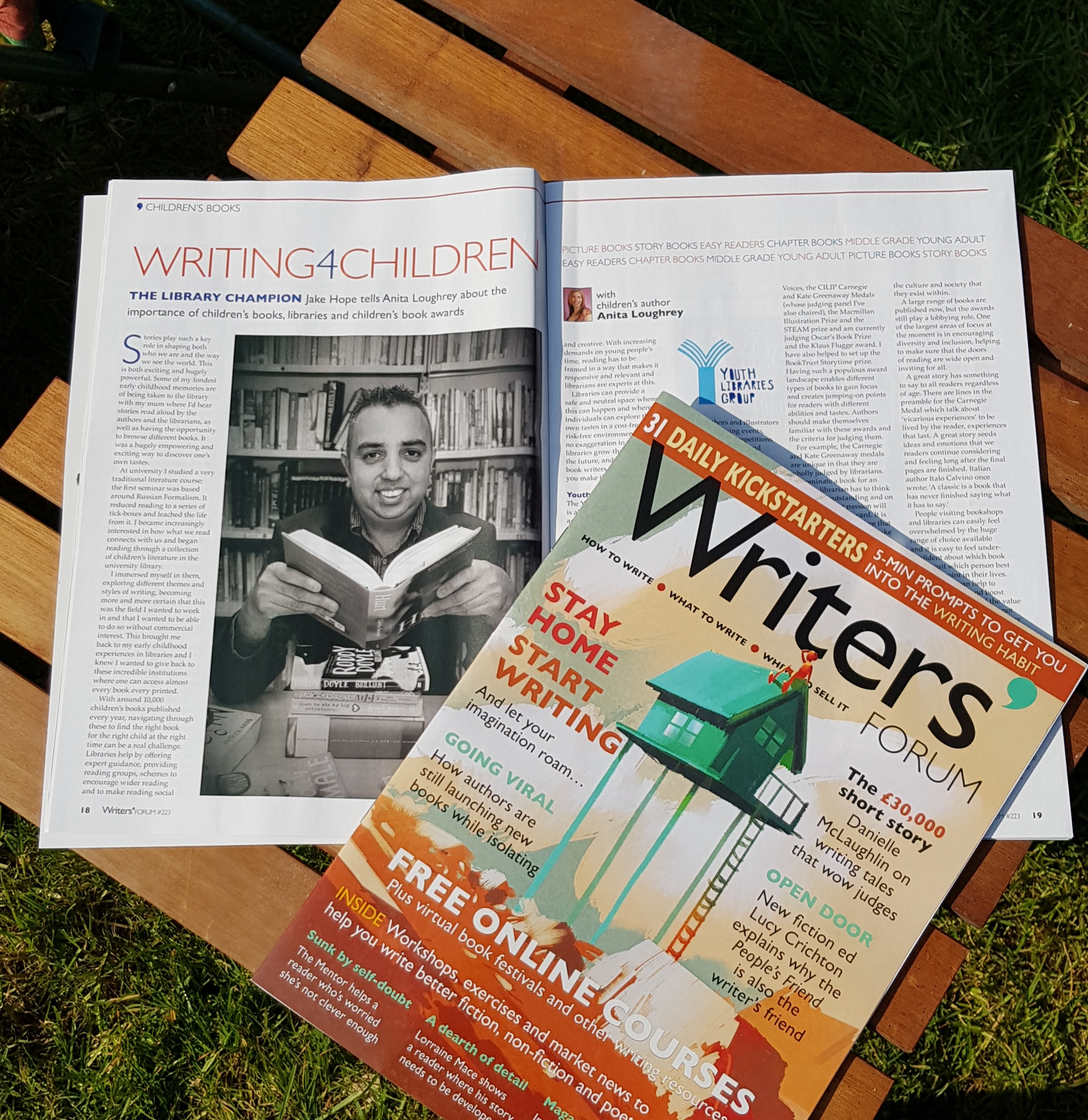
An interview with… Jake Hope

Jake Hope (Chair of CILIP’s Youth Libraries Group and Chair of the CILIP Carnegie and Kate Greenaway Awards Working Party) talked to me about the importance of children’s books, libraries and children’s book awards. He talked about how stories play such a key role in shaping both who we are and the way we see the world.

Jake_Hope feature 4

Some of his fondest early childhood memories are of being taken to the library with his mum where he would listen to stories read aloud during story times by the authors and the librarians, as well as having the opportunity to browse different books. He explained exploring and experimenting in this way is a hugely empowering and exciting way to discover and widen one’s own tastes.

Throughout his life Jake has immersed himself in exploring different themes and styles of writing. With around 10,000 children’s books commercially published every year, navigating through these to find the right book for the right child at the right time can be a real challenge. Libraries help by offering expert guidance, providing reading groups, schemes to encourage wider reading and to make reading social and creative. With increasing demands on young people’s time, reading has to be framed in a way that makes it responsive and relevant and librarians are experts at this.

Libraries can provide a safe and neutral space where this can happen and where individuals can explore their own tastes in a cost-free, risk-free environment. It is no exaggeration to say that libraries grow the readers of the future and as children’s book writers and illustrators you make this possible.

Youth Library Group

YLG logo jpg

Jake told me that the Youth Libraries Group is all about connections. They are one of the special interest groups of CILIP (the library and information association) and have over 1,500 members. The membership is comprised of librarians working with children and young people in public libraries, in school libraries and for school library services – these are organisations who tailor collections of books to meet curriculum needs and who work to provide support and advice on reading for pleasure and library provision to schools.

The Youth Libraries Group is an extraordinary collective of highly committed and knowledgeable experts who share a unique passion for reading and for library provision for children and young people. The connections the group have means we are able to support through giving advice on what has been published in the past and present, providing access to groups of young readers who can often test manuscripts or provide insight into their reading tastes. They support authors and illustrators through organising events, promotions and competitions to bring greater focus and profile to creators.

Children’s book awards

Print

Children’s book awards play a role in helping to make sure that certain types of book do not go unrecognised. Humorous writing, for example, does not always get the most recognition through awards, though funny books play such an important role in reading for pleasure. Awards like the Roald Dahl Funny Prize, as was, and the Laugh Out Loud awards, the LOLLIES, help to make sure these titles don’t get overlooked.

Jake has been a judge for many book awards such as: the Blue Peter Book Awards, the Costa, the Branford Boase, the Diverse Voices, the CILIP Carnegie and Kate Greenaway Medals (whose judging panel I’ve also chaired), the Macmillan Illustration Prize and the STEAM prize and am currently judging Oscar’s Book Prize and the Klaus Flugge award. He also helped to set up the BookTrust Storytime prize.

Having such a populous award landscape enables different types of books to gain focus and creates jumping-on points for readers with different abilities and tastes. Awards remain responsive to the culture and society that they exist within. Jake advises authors to make themselves familiar with these awards and the criteria for judging them.

“A large range of books are published now, but the awards still play a lobbying role. One of the largest areas of focus for this lobbying at the moment is in encouraging diversity and inclusion, helping to make sure that the doors of reading are wide open and are inviting for all.” Jake Hope

Jake elaborated that a great story has something to say to all readers regardless of age. Criteria are a useful way for book awards to appraise a range of different titles and styles of writing, but it’s important not to downplay the overall impact that language, characterisation, plot and style can have on a reader too.

“By working together and creating critical mass we can support one another and build new opportunities. With our combined skills and knowledge we can experiment and excite new generations of readers.” (Jake Hope)

People can easily feel overwhelmed by the huge range of choice that is available and it is easy to feel under-confident about which book might suit which person best at which point in their lives. Book awards can help to build awareness and boost confidence. In spite of the value of awards, it is important not to downplay the fact that every time a reader picks up a book and connects with it, this is the biggest win of all.

The present is not an easy time either for libraries or for authors and illustrators.  Challenging times can present real opportunities for innovation and imagination, however, and by working together and creating critical mass we can support one another and build new opportunities. With our combined skills and knowledge we can experiment and excite new generations of readers.

To find out more about Jake Hope visit his website: www.jakehope.org and follow him on Twitter @jake_hope

To find out more about the Youth Libraries Group visit: www.cilip.org.uk/ylg and follow them on Twitter @youthlibraries

To read the complete feature you can purchase a copy of #223 2020 Writers’ Forum online from Select Magazines.

To read my latest Research Secrets or Writing 4 Children interviews you can invest in a subscription from the Writers’ Forum website or download Writers’ Forum to your iOS or Android device.

An interview with… Matt Gaw

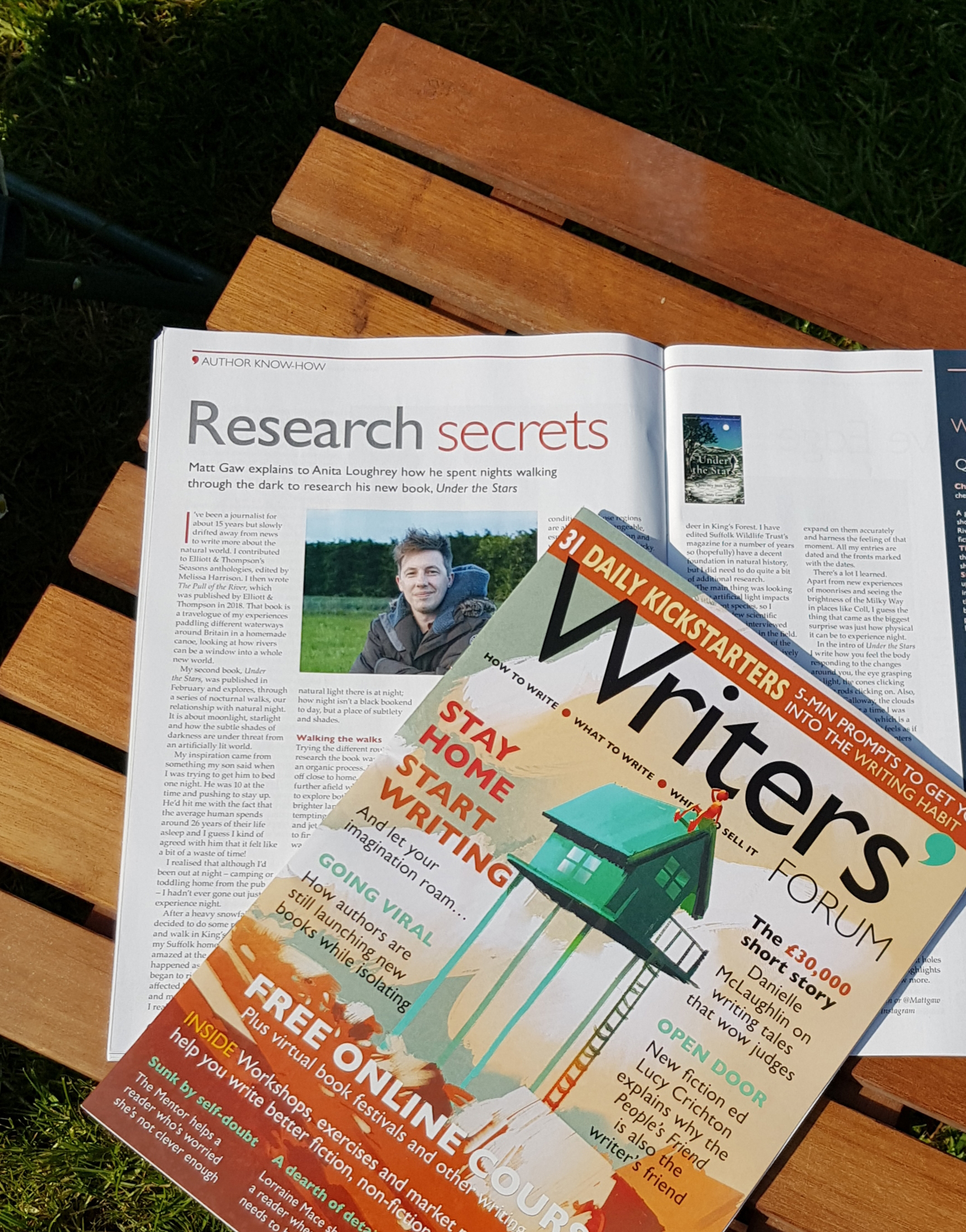
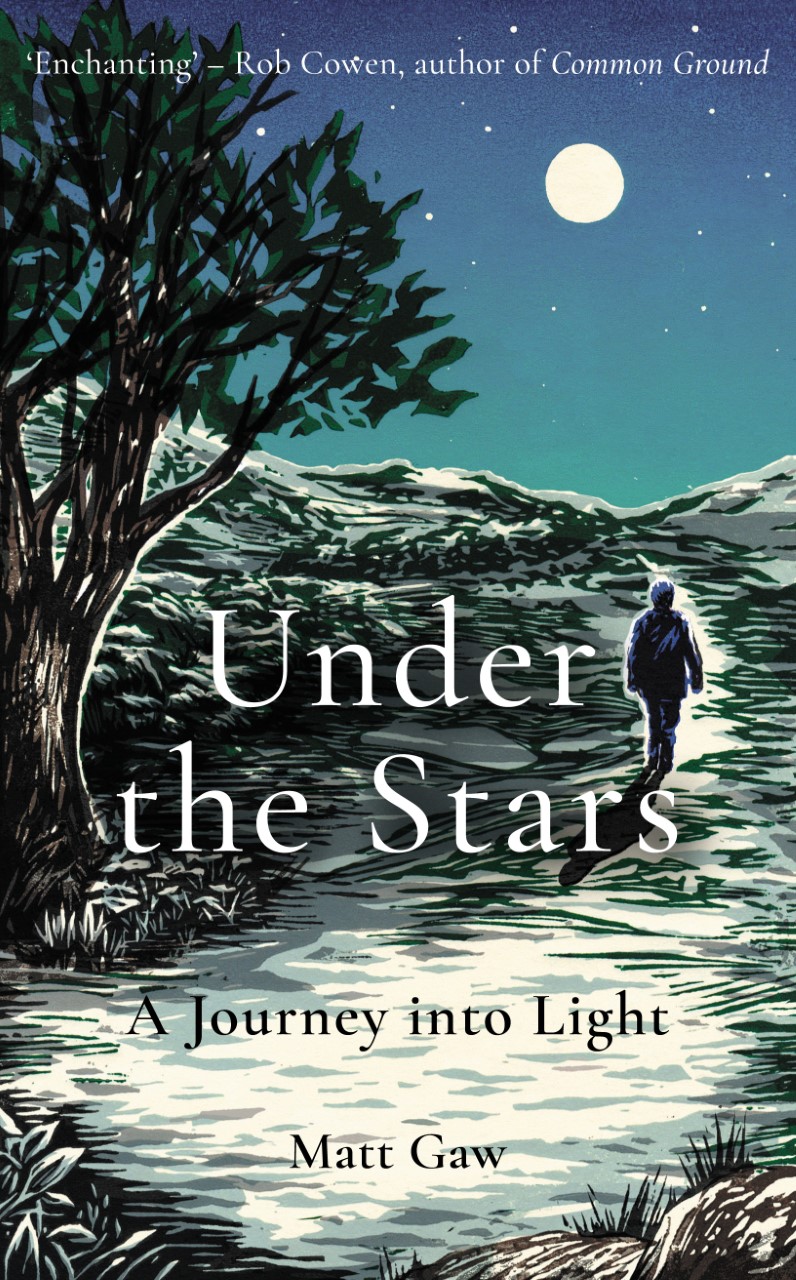
In this month’s issue of Writers’ Forum I have interviewed Matt Gaw about his research for his second book, Under the Stars, which was published by Elliott & Thompson in February this year. It is about moonlight, starlight and how the subtle shades of darkness are under threat from an artificially lit world, exploring through a series of nocturnal walks, our relationship with natural night.

Matt Gaw 6

Matt’s inspiration to write Under the Stars came from something his son said when he was trying to get him to bed one night. He was 10 at the time and pushing to stay up. His son told him the average human spends around 26 years of their life asleep and felt like this was a waste of time. Matt realised that although he had been out at night – camping or toddling home from the pub – he had never gone out just to experience night.

Under the Stars jkt

So when day after a heavy snow fall, he decided to do some research and walk in King’s Forest near his home in Suffolk. Matt was amazed at the changes that happened as darkness slowly began to rise, changes that affected both the landscape and his own body.

“I think I realised then how much natural light there is at night; how night isn’t a black bookend today, but a place of subtlety and shades.” (Matt Gaw)

Matt explained walking the different routes to research the book was an organic process. He started off close to home and then started to go further afield when he wanted to explore both darker and brighter landscapes because he feels it is important for people to experience the nightscape close to home.

“It’s about being honest I guess, showing people that there are problems but there is action that can be taken and beauty to be found.” (Matt Gaw)

Matt told me he realised he felt safer the darker it was as once your senses have adapted to darkness, it is easy enough to navigate.

“It’s strange really, in some ways your world is made smaller – you operate in this reduced bubble of visibility – but in other ways it is infinitely bigger. At night you experience not only space, but time; the light from the stars has often been travelling for thousands of years before it reaches your retina.” (Matt Gaw)

Matt explained that wildlife is most active at dusk and dawn and I was lucky enough to see an otter hunting in Scotland and had some memorable encounters later with a huge, galloping herd of deer in King’s Forest and nightjar on Dartmoor. He has edited Suffolk Wildlife Trust’s magazine for a number of years so has an excellent foundation in natural history, but discovered he also needed to do quite a bit of additional research.

The main thing was looking at how artificial light impacts on different species, so he read quite a few scientific papers and also interviewed academics working in the field. For example, Travis Longcore, one of the first people to write extensively about artificial light and ecology was very generous with his time and illustrated to Matt how our perception of darkness is a world apart from that of nocturnal species. He recounts parts of this conversation in Chapter 5, while exploring the night close to his Suffolk home.

His research tip to other travel writers is to read everything on your topic or location – local guides, national stories, folk stories, blogs, scientific papers – then rip it all up and write your own. Matt tries not to over plan his trips, he has a rough idea of where he will start and where he wants to go, but he prefers to be adaptable to prevent being  closed off to the actual experience. If you’re just marching from A to B Matt believes you will lose something.

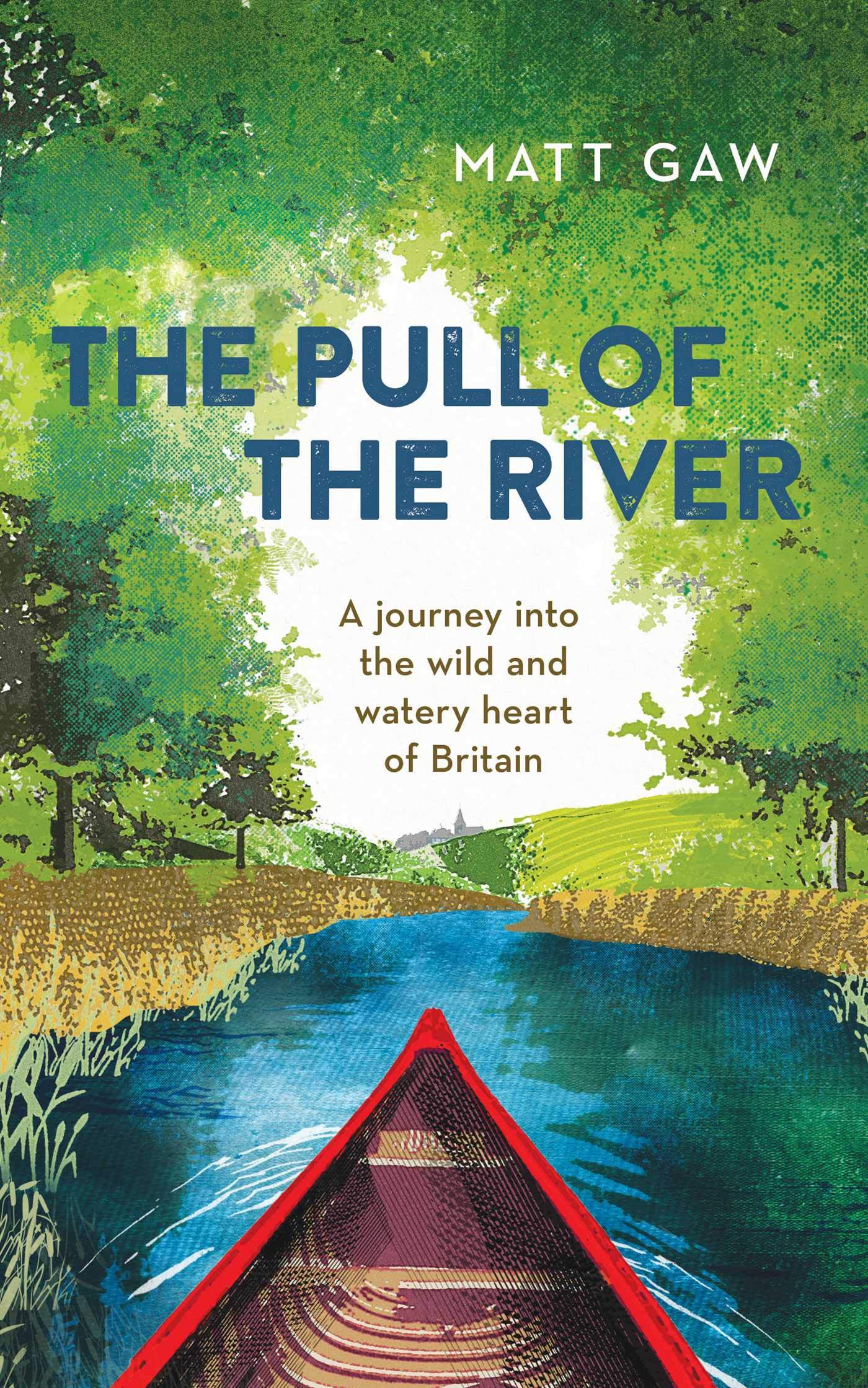
Matt’s has also written The Pull of the River where he explores Britain’s waterways with his friend James in a canoe, to give a new insight into nature, place and friendship.

Pull of the River

To find out more about Matt Gaw and his writing you can look at his website www.mattgaw.com, and follow him on Twitter @Mattgaw and Instagram @mattgaw

You can read the complete feature in #223 2020, which is available to buy from Writers’ Forum online at Select Magazines.

To read my latest Research Secrets or Writing 4 Children interviews you can invest in a subscription from the Writers’ Forum website or download Writers’ Forum to your iOS or Android device.