Category Archives: An Interview with…

An Interview with… Jules Wake

For the #238 Nov 2021 issue of Writers’ Forum, I interviewed Jules Wake about the research for her historical novel inspired by Latimer House.

Jules told me she had no intention of writing a historical novel but the idea for The Secrets of Latimer House was one of those wonderful, serendipitous times when a fully formed idea just popped into her head, literally overnight, inspired by a talk by the real life events that took place at Latimer House in Buckinghamshire during World War II. The house, home to a secret POW camp housing senior officers of the German armed forces, was bugged from top to bottom, so that their every conversations could be recorded. 

The Secrets of Latimer House by Jules Wake

She explained that this in itself was fascinating, however what really sparked her interest was the number of women at the house who were involved in a wide variety of roles from interrogating prisoners, translating transcripts from German to English and analysing data through to compiling intelligence reports.

“Writing a historical novel during lockdown presented quite a challenge compared to writing my next novel The Cosy Cottage in Ireland, written by my alter ego, Julie Caplin. For this I was able to rely heavily on You Tube videos to visit numerous tourist locations by proxy.”

Jules Wake

Jules elaborated that when it came to writing The Secrets of Latimer House, she had to be more innovative because she couldn’t use a lot of the usual channels for her historical research during the lockdowns. she told me she would have normally started by visiting the Imperial War Museum or the National Archives at Kew which holds many of the original reports and documents from Latimer House. Unfortunately, with the National Archives closed, she couldn’t do as much original research as she would have liked, so had to do a lot of desk research instead.

This involved reading a lot of books. Jules told me she read a number of reference books for research and was careful to find a second source of the same information and to use historical accounts as inspiration to create fictional versions.  For example, in one reference book there was a detailed account of how someone was recruited to work at Latimer.  Jules described how she created a fictional alternative to this scene by reading up on the process from different sources.

She explained that Michael Smith’s, The Debs of Bletchley Park, gives several different accounts of Wrens being recruited to Bletchley Park, as does Sara Baring’s autobiographical account of her life at Bletchley in The Road to Station X. From these she constructed her own recruitment scene based on the sort of things that would have happened, rather than on exactly what did happen.  

Jules said reading more generally about wartime Britain was also invaluable, enabling her to write with a better understanding of what ordinary people experienced during the war. It gave her a flavour of what people’s lives were like and their different attitude towards everything from views on foreigners, bombing raids and joining up through to American GIs, the black market and rationing. 

“As my story is narrated in third person but from the view point of three different characters from very different backgrounds, it was important for me that each of them used the right sort of language.  I nearly came a cropper when I wanted to use the phrase, ‘in slow motion’.  The technique of slow motion in films hadn’t been invented in 1943! I also spent a lot of time googling the origin of phrases and items that we take for granted.”

Jules Wake

She particularly recommends reading self-published titles, which can be goldmines of information as they’re often written by real enthusiasts and experts with access to first-hand accounts. For example, Derek Nudd’s Castaways of the Kriegsmarine (his grandfather was actually the Commander at Latimer House) is an incredibly detailed account of information garnered from prisoners at the house, which gave Jules a lovely insight into what went on at the house, including the fact that prisoners were taken out on trips. This allowed her to create her own scene of prisoners being driven around London which was loosely based on true accounts of prisoners going out on journeys designed to undermine their confidence in the success of the German bombing campaigns.

She revealed, the accounts of the German Jews living at Latimer house who worked as listeners and translators, including Egon Brandt and Franz Lustig were invaluable. Both were  German Jews who had escaped to Britain and their memories helped shape one of her characters, in particular their views of the German prisoners and the work they were doing.  

Her advice to writers of historical fiction is to use your research to inform and direct but not to let yourself be led by it. Readers want to know that they are in safe hands but hate being patronised by too much superior knowledge.

You can find out more about Jules wake on her website www.juleswake.co.uk and on Twitter @Juleswake.

To read the complete feature you can purchase a copy of #238 Nov 2021 Writers’ Forum by ordering online from Select Magazines.

To read my future Research Secrets or Writing 4 Children interviews you can invest in a subscription from the Writers’ Forum website, or download Writers’ Forum to your iOS or Android device.

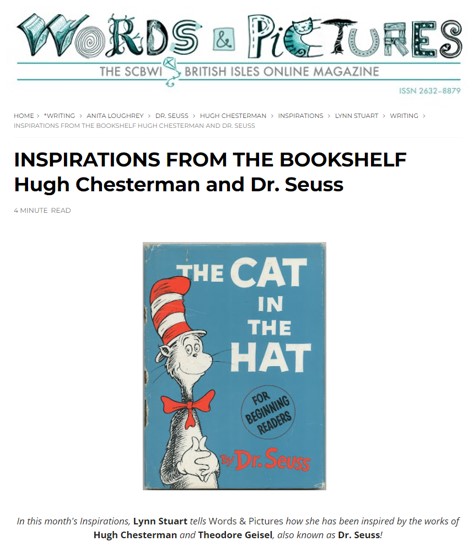
Inspirations from the Bookshelf – Lynn Stuart

For a recent issue of the SCBWI British Isles online magazine, Words & Pictures, I interviewed Lynn Stuart about what authors have inspired her writing. She explained that she is inspired by the work of Hugh Chesterman and Dr Seuss.

She told me how she was introduced to Hugh Chesterman after purchasing Number 11 Joy Street in 2007. The illustrations reminded her of the Dr Seuss books as both authors have a great sense of fun and adventure. Lynn elaborated that her most vivid memory of Dr Seuss is reading The Lorax to her daughter in 1995 and the enjoyment on her face.

“The more I read by Hugh Chesterman and Dr Seuss, the more I am impressed with them. It’s just my opinion, but I believe Dr Seuss was inspired by Chesterman in the same way he has inspired me.”

Lynn Stuart

Lynn recommends children’s authors should read The Lorax by Dr Seuss, as it is a book very much ahead of its time about industrialisation and its effect on nature.

To read the complete feature take a look at: Words & Pictures – INSPIRATIONS FROM THE BOOKSHELF Hugh Chesterman and Dr. Seuss.

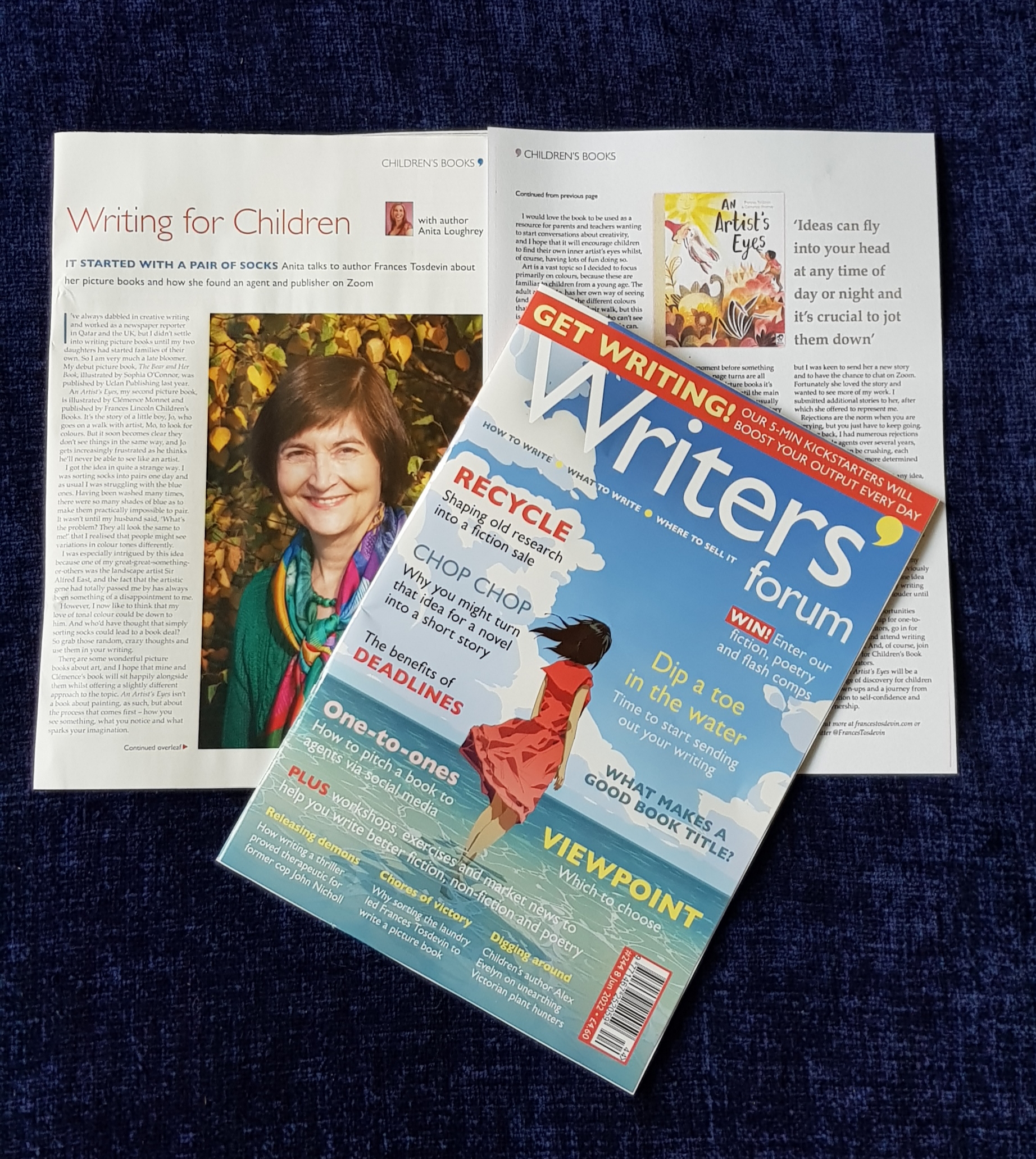
An interview with… Frances Tosdevin

I interviewed Frances Tosdevin for the #244 8 Jun 2022 issue of Writers’ Forum about her writing process from conception to final draft for An Artist’s Eyes.

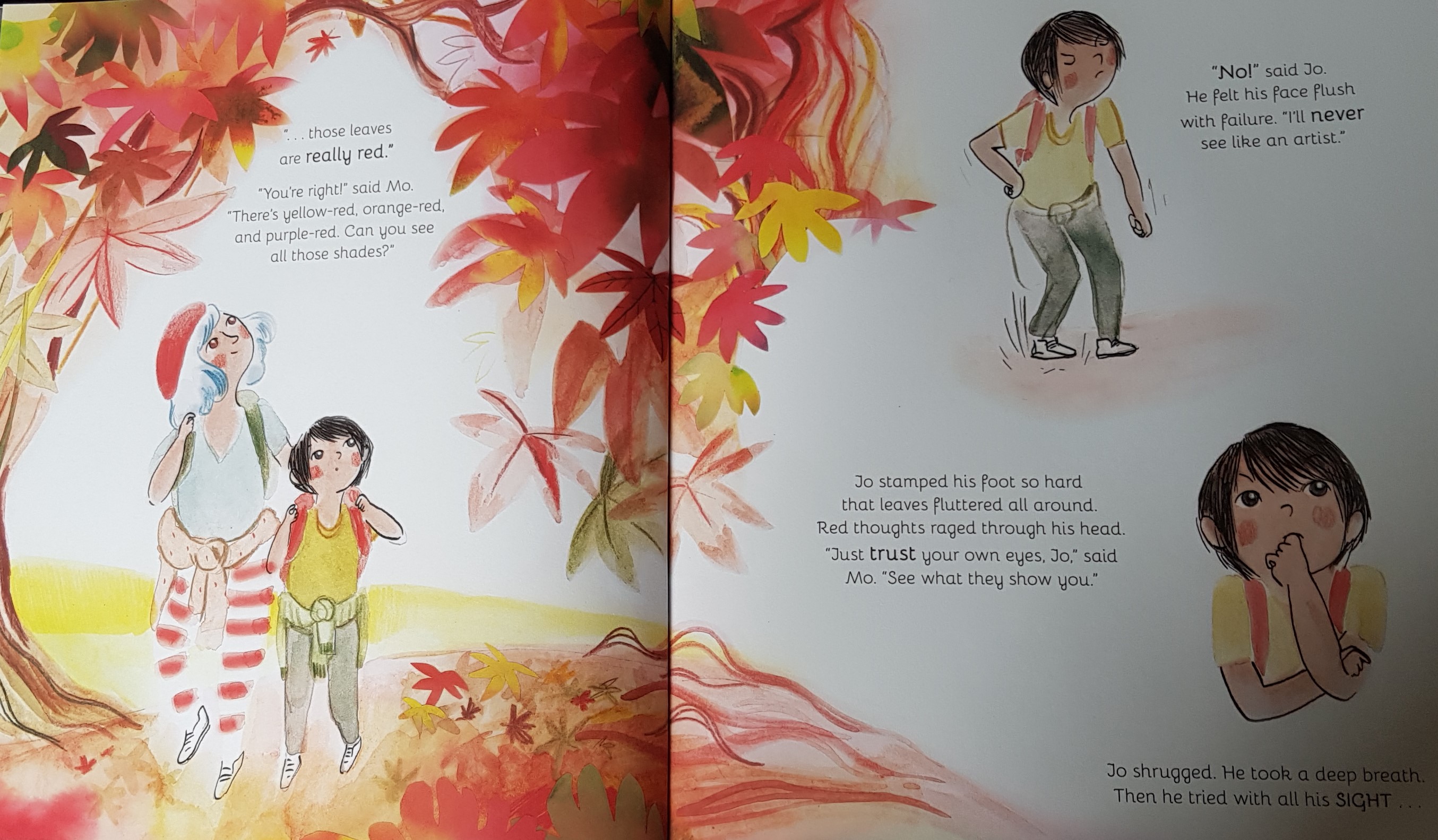
An Artist’s Eyes is illustrated by Clémence Monnet and published by Frances Lincoln Children’s Books. It is the story of a little boy, Jo, who goes on a walk with artist, Mo, to look for colours. But it soon becomes clear they don’t see things in the same way, and Jo gets increasingly frustrated because he thinks he’ll never be able to see like an artist.

It isn’t a book about painting, as such, but about the process that comes first — how you see something, what you notice and what sparks your imagination. Frances revealed she got the idea for an An Artist’s Eyes whilst sorting socks into pairs. The blue ones were so many shades of blue she found them impossible to pair. When her husband told her they all look the same to him, she realised people might see variations in colour tones differently.

Frances said all children’s book writers should grab these crazy thoughts, the ones that come at random times when you’re doing ordinary things, and use them in their writing. She told me she decided to focus primarily on colours because these are familiar to children from a young age.

An Artist’s Eyes is an empowering book – a clarion call to creativity, if you like – and I hope that it will help children to embrace their own unique way of seeing the world and all the wonderful things in it. I would love the book to be used as resource for parents and teachers wanting to start conversations about creativity and I hope that it will encourage children to find their own inner artist’s eyes whilst, of course, having lots of fun doing so.”

Frances Tosdevin

She elaborated that colour is also used in the artwork at key points to convey Jo’s feelings. For example, there is an almost totally black spread, scattered with tiny bursts of colour, to convey Jo’s increasing sense of frustration at not being able to see things in the way Mo can, whilst red is the key to his turning point, when he finally starts to believe in himself and to trust his own artist’s eyes. 

Frances explained she prefers to work on several picture book texts at once, because that way, if she hits a block with one and something needs to swirl around in my subconscious a little longer, she has other texts to be working on. She is often found pacing round the kitchen in the middle of the night, working out tricky plot points or strengthening characterisation.

“I love it when the house is dark and quiet, and it’s just me, my thoughts and two slumbering cats.”

Frances Tosdevin

She continued her stories go through numerous drafts, during which time they can change quite dramatically and she spends a good deal of time identifying, and replacing any word or phrase that sounds ‘flat’ to find a more exciting approach. She also roots out text that goes sideways, such as unnecessary details that slow down the story, rather than forwards.

Frances tries to think visually when writing, and pays special attention to page turns. to set up opportunities to surprise the reader. She explained it is a bit like delaying the punchline of a joke, or eeking out a spooky moment before something goes ‘Boo!’ Page turns are all about timing. Plus, in picture books it’s important to build tension until the main character’s lowest point (which is usually in Spread 9) and then to wrap up the story and provide the resolution quite quickly.

Frances warns all picture book writers rejections are the norm when you are querying, but you just have to keep going. She told me she had numerous rejections from multiple agents over several years, and although it can be crushing, each rejection just made hermore determined to write something better.

Her top tip is never to discount any idea, however small. Ideas can fly into your head at any time of day or night and it’s crucial to jot them down. Don’t delay, you might forget your idea. It doesn’t have to be a full-blown concept, it could simply be a pleasing phrase, a quirky title, or a character that demands attention. It could be a feeling you are experiencing, or a sense of place, or a funny situation.

An Artist’s Eyes by Frances Tosdevin and Clémence Monnet

She told me she currently has over 600 ideas on her phone, and a full notebook, as well. One of these idea often wriggles its way to the top of her writing brain and keeps making itself louder until she gives in and writes it. She recommends you take opportunities that come your way, sign up for 121s with agents and editors, go in for writing competitions and attend writing events whenever you can.

Find out more about Frances Tosdevin on her website: www.francestosdevin.com and follow her on twitter @FrancesTosdevin.

To read the complete feature you can purchase a copy of #244 8 Jun 2022 Writers’ Forum by ordering online from Select Magazines.

To read my future Writing 4 Children or Research Secrets interviews you can invest in a subscription from the Writers’ Forum website, or download Writers’ Forum to your iOS or Android device.

You can read my book review of An Artist’s Eyes by Frances Tosdevin and Clémence Monnet here: Book Review: An Artist’s Eyes.

An interview with… Alex Evelyn

For my Research Secrets slot in this month’s #244 9 June 2022 issue of Writers’ Forum, I interviewed debut children’s writer, Alex Evelyn, about her research into botany for her middle grade novel, The Secret Wild, published by Walker Books.

Alex Evelyn explained she was actually writing a time travel story set in Egypt when the idea for The Secret Wild came to her. So she filed the original idea and switched her research from pharaohs to plants. The idea for her main characters Fern and Special came to her when she was helping at a plant sale at her village primary school. The children were queueing up to buy mini cacti, and when they had their new ‘pet’ in their hands they were chatting about what they were going to call them and where in their bedrooms they were going to put them. Alex did some research which showed house plant sales were booming amongst younger people, which gave her story idea roots. Alex revealed:

“During my research I was surprised to learn that there is such a thing as botonaphobia. Fern’s friend Woody’s character was already partly based on my own journey with anxiety, and when I read about this very specific fear I had to explore more.”

Alex Evelyn

She explained one of the things she has learnt about anxiety is that your own fears can be almost incomprehensible to others who don’t suffer from the same fear. This was the case for her with botonophobia – she couldn’t imagine how anyone could be scared of something she found so soothing. Fern is also very confused by it, but as she learns about friendships, she learns not to judge this unusual fear of Woody’s.

“I am very aware that writing for young children I need to entertain first and educate second – and never, ever to preach. Characters and a well-paced story have to form the backbone, the STEM is merely the flesh.”

Alex Evelyn

Alex told me one of the most useful resources she didcovered during her research was a second hand collection of Kew Garden botany books from World of Books. Determined to become an overnight expert she ploughed straight in to their Latin for Gardeners but no matter how hard she tried she couldn’t remember the plants’ Latin names, and so the part of Fern’s character that drives her scientist Dad Darwin mad was created – she, like Alex, can never remember names and responds more to how the plants look and feel than by being successful at categorising them.

To see plants through a child’s eyes or to ‘think the right height’ she dipped in to the Plantopedia by Adrienne Barman, a beautifully illustrated book that categorises plants using criteria that appeal to a young child.  From the ‘imposters’ to the ‘stinkers’, the ‘useful’ and the ‘healers’ to the ‘poisoners’. Alex explained the book brings the amazing plants on this earth to life as if they are characters.

The Secret Wild by Alex Evelyn

Alex divulged her setting was inspired by a visit to the Natural History Museum in London when she strolled past a sign for an open garden on the roof on an office block. She wondered what was hidden away up there, beyond the reach of our eyes. The shoot of an idea began to sprout – a glasshouse in the sky that held plants from the wilder places of the world.

“I am not a natural city dweller, and so it was easy to write Fern’s astonishment at arriving in such a big, overwhelming place. Fern is much more at home surrounded by the wilds of the rainforest. The minute we could get back on to the streets of London I was there with notebook in hand. I wanted to try and show that as a Londoner you can feel that you live in a village tucked in to the greater mass of the city.”

Alex Evelyn

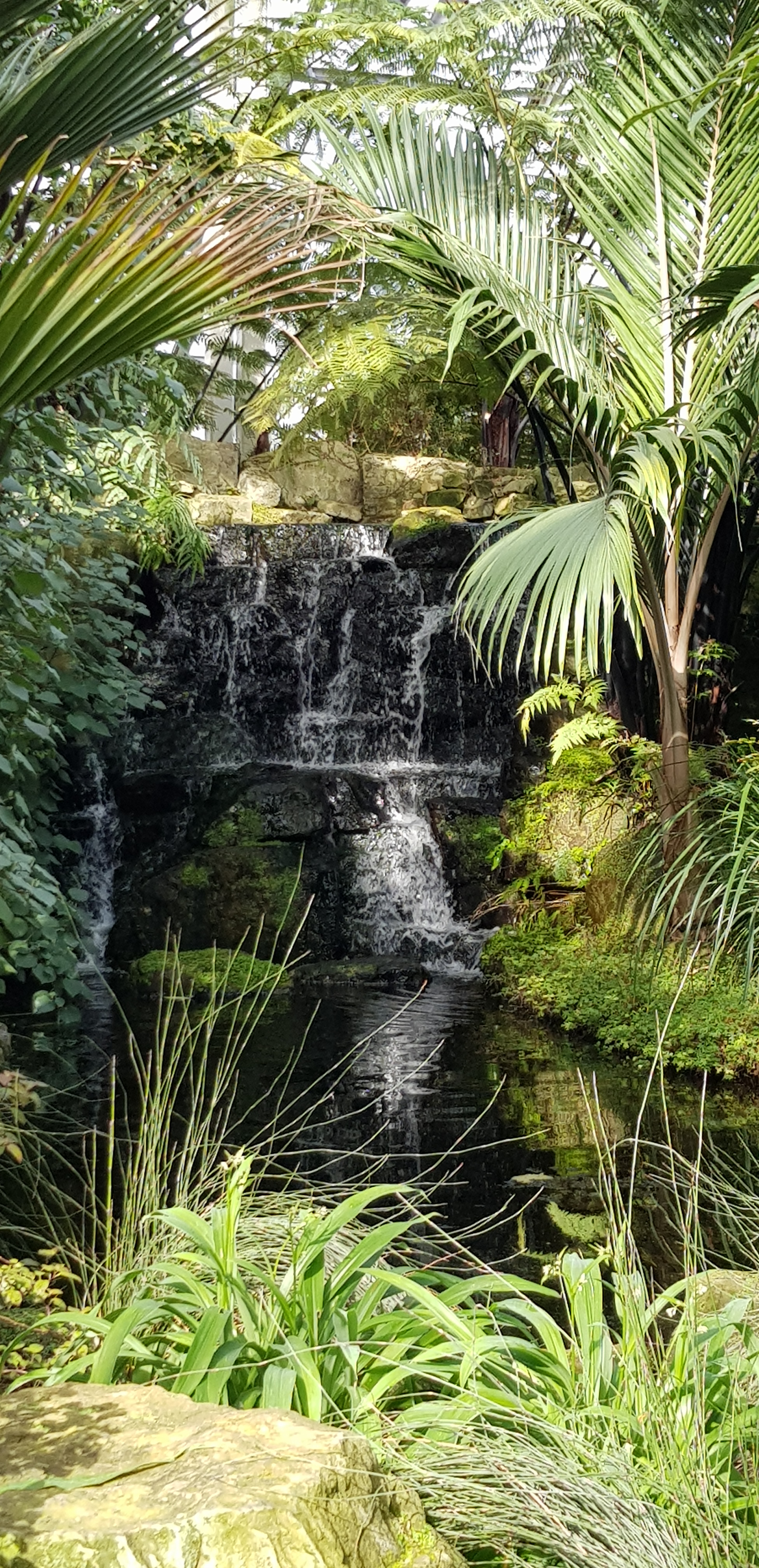
Alex revealed that one of her favourite pieces of research was visiting the great glasshouses of Kew Gardens as this helped with writing the five senses. Feeling so hot that sweat ran down her legs, seeing water droplets on luscious leaves and feeling the texture of the plants bought them to life in a way she could never have discovered from books alone.

Kew Gardens

Alex told me she often ‘writes with her nose’ and it was the smell of the Kew glasshouses that helped her write the scene when Fern and Woody first walk in to Oleander’s glasshouse in the sky:

As they stepped forwards, they parted a cloud of butterflies which scattered like tiny pieces of torn paper being blown in the wind. A warm, figgy smell wrapped itself around her nostrils, sweet and delicious.

Extract from The Secret Wild by Alex Evelyn

Alex’s tip to other writers is to let your research lead you to places you haven’t necessarily planned. She elaborated that she often finds her narrative guided by things she discovered by digging a bit deeper and a bit wider. Nothing is ever wasted, even if you don’t end up using your research directly it might inform the depth of a character or a setting. But you do have to know when to stop. Research can be a lovely black hole that stops you from focusing on the hard task of drafting words in to a story. 

You can follow Alex on Twitter @alexrevelyn.

To read the complete feature you can purchase a copy of #244 8 Jun 2022 Writers’ Forum by ordering online from Select Magazines.

To read my future Writing 4 Children or Research Secrets interviews you can invest in a subscription from the Writers’ Forum website, or download Writers’ Forum to your iOS or Android device.

An Interview with… Simon Bowden

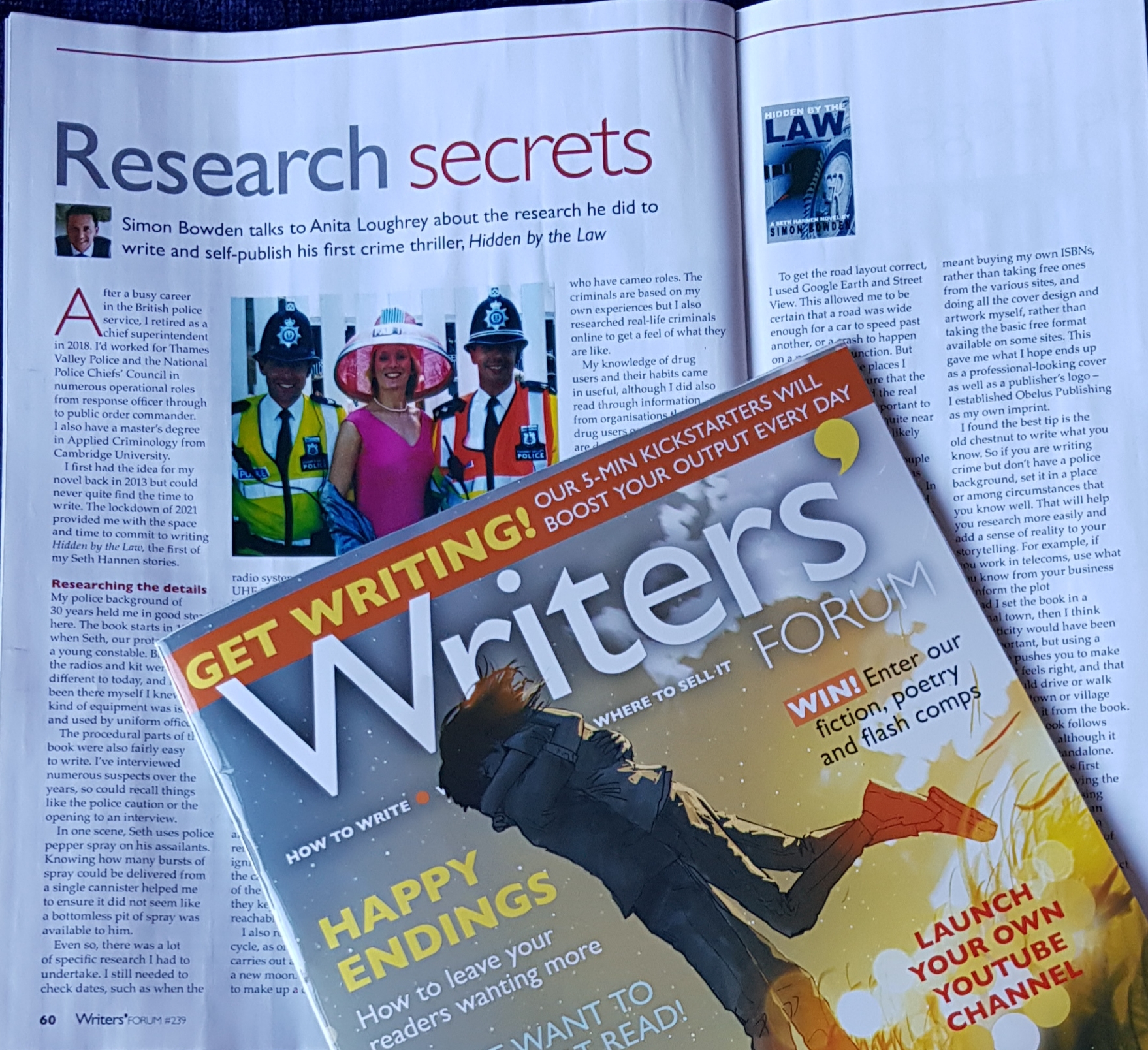
For my Research Secrets slot in the #239 Dec 2021 issue of Writers’ Forum I interview retired chief superintendent, Simon Bowden, about the research he did to write his first crime thriller, Hidden by the Law.

Simon first had the idea for his novel back in 2013, but could never quite find the time to write. The coronavirus lockdown of 2020 provided him with the space and time to commit to writing Hidden by the Law, which is the first of the Seth Hannen stories.

Simon explains the books starts in 1992, when Seth, our protagonist is a young constable. Back then the radio’s and issued kit were very different to today and Simon recalled what kind of radios and equipment were issued and used by uniform officers. He still found he needed to check dates that things like the radio system changed from UHF radios to the current Airwave Tetra system, as he knew getting that kind of detail wrong would soon be called out by police officers who may read the book. He revealed the procedural parts of the book were fairly easy to write about as he has experience of interviewing numerous suspects over the years, so things like the police caution, or the opening to an interview remain indelibly printed in his mind.

Even so there was a lot of specific research he had to undertake for Hidden by the Law. For example, the first chapter finds Seth working the Royal Ascot horse racing meeting. He told me to ensure he got this correct, he needed to check the dates for the meeting that took place back in 1992, to ensure he chose the right day for ladies’ day etc. 

He wanted his villain to be driving a new Aston Martin of the day, and there is a scene where Seth removed the keys from the ignition, while stood outside the car. So, he looked at photographs of the interior of the car to make sure the keys would be reachable from the window. If the car had a strange place for the ignition key, the scene would not have worked, and he would have had to choose a different car. 

He also researched the lunar cycle for one of the characters who carried out a burglary on an evening of a new moon. 

“It would be easy to make up a day and just say that it was a new moon, but I know some people will check that kind of detail. While the book is a work of fiction, the setting and circumstances need to feel realistic.” 

Simon Bowden

In another example, Simon told me he had one of his characters carry a gun in an ankle holster, and while he does not give too much detail on the weapon, he researched which guns would generally be able to be carried in that fashion, as it would not have worked having him carry a great big Magnum pistol on his ankle.

Simon revealed his characters are a mix of people he knows in real life. Only the cameo roles of a couple of my friends are real, the rest are based upon his own experiences of criminals or police officers. He researched criminals from online media sources to get the ‘feel’ of what they are like and how they could be portrayed. His personal knowledge of drug users and their habits came in useful, although he did also read some information from organisations that help drug users get clean to help him write the descriptions of what a drug user feels and goes through when taking drugs.

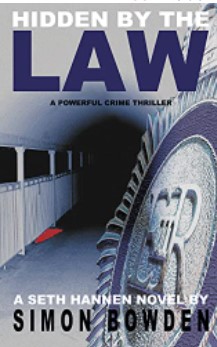
Hidden by the Law by Simon Bowden

Simon’s tip to other authors wanting to write a crime series is to write what you know, so if you are writing crime, set it in a circumstance or place that you know well. That will help you find research areas more easily and allow a real sense of reality to your story telling. For example, if you work in telecoms in London, set the story in London and use what you know from your business to inform the plot. He warned there is a lot of misinformation online so suggests you should take extra steps to verify what you find.

“For me there is a fine line between fiction that is completely false, and fiction that takes place in a real setting, place, or time.  I think had I set the book in a fictional town, then authenticity would be less important, but using a real place pushes you to make sure that it feels right, and that a reader could drive or walk through the town or village and recognise it from the book.”

Simon Bowden

Simon’s second book follows on from the first, although it can be read as a stand-alone. It follows Seth in his first assignment after leaving the police service, so will have less of an epic timeframe. He used his knowledge of human trafficking and terrorism to create a credible story of someone born and brought up with committing an act of terror in mind.

Simon blogs on his Facebook page @simonbowdenauthor, and tweets @AuthorBowden.

To read the complete feature you can purchase a copy of #239 Dec 2021 Writers’ Forum by ordering online from Select Magazines.

To read my future Research Secrets or Writing 4 Children interviews you can invest in a subscription from the Writers’ Forum website, or download Writers’ Forum to your iOS or Android device.

An interview with… B B Taylor

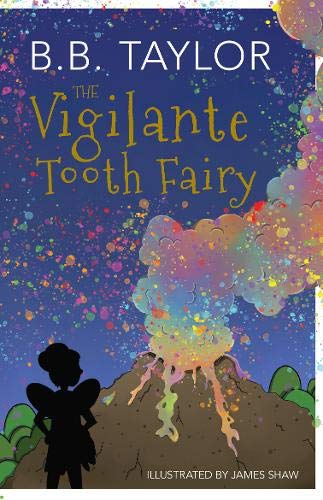
For my Writing for Children slot in #223 May 2020, I interviewed Birmingham based author, BB Taylor, about her middle grade novel, The Vigilante Tooth Fairy, published by Tiny Tree Books.

The Vigilante Tooth Fairy is a story about a determined little fairy called Mouse who wants to save magic in a world that’s stopped believing. Children have stopped leaving their teeth out for the fairies! No more teeth means no more magic and no more magic means no more fairies.

BB told me she didn’t intentionally start writing about a tooth fairy, it kind of wrote itself. She was in hospital in isolation and needed a distraction so decided to enter a competition to write the first 1000 words of a story. She wanted to write a story about magic and self-belief, to dream beyond the four walls of the hospital room she was in, so she began to daydream.

The Vigilante Tooth Fairy by B.B. Taylor and illustrated by James Shaw

Her aim was to write a fairy tale that wasn’t traditional but could still give hope and inspiration to readers. BB revealed it didn’t get anywhere in the competition and sat in a draw for about 2 years before she came across it again by accident. It was then she had a zing of an idea and that buzz of excitement that inspired her to totally rewrite her original 1000 word story.

BB explained that once she had a new first draft this was when the real work began and the editing stage is always the longest part of her writing process. As part of the process she often makes scrap books mapping out her locations and characters, so she can get to know them better and ensure they are as real and tangible as possible. 

She told me that when it is the best it can be she will send it to a friend – a writing buddy – for critique and waits for them to rip it apart so she can start the editing process all over again.

“Sometimes you’ll be so close to a story and see it so clearly in your mind you’ll miss things right in front of you on the page. Reading out loud, editing in different fonts and colours are all great ways to trick your mind into seeing any errors and editing more efficiently.”

B.B. Taylor

BB loves doing school visits and enthusiastically declares it is one of her favourite elements of being an author. She structures her visits in small bites so she can make a session as long or short as it needs to be and can adapt it for a range of ages. Her advice for anyone doing school visits is to do what feels natural to you.

“I get to dress up, have fun and build inspiration and energy in the audiences I work with. I will often bring props whether it’s a giant snail or a giant yeti I like to make my sessions as interactive as possible.”

B.B. Taylor

BB also does lots of Zoom or Skype visits. She explained the advantage of this is that you can virtually visit people all over the world. When she does a Skype visit it usually involves reading from my book a little chat about her work and then a Q & A with the audience, to give them chance to interact and learn a bit more whether it be about her books, or being an author in general.

“It can be quite frightening to look at how you present yourself and your work in the current climate. but we are so lucky that technology has evolved so much in the last decade enabling us to still reach out and connect with audiences.”

BB Taylor

Her tip on writing for children is to be yourself, don’t try and force yourself to write in the style, format or patterns of anyone else. Do what feels comfortable and write what feels good. You want that buzz when writing that readers will hopefully get when reading your work. You want to feel that excitement when exploring a new world or creating a new character that you can pass on to your readers.

“Find what works for you and you are comfortable with and nurture it and be consistent with it. Create a digital footprint that your audience can follow and connect with and use it to reach out to the world and engage with them in whatever platform you decide to use.”

BB Taylor

To book BB for an online event you can go through her website www.bbtaylor-books.com, or through her publisher Tiny Tree Books.

You can also follow BB on Twitter @bb_taylor_, Instagram @b_b_taylor, Facebook  @B B Taylor and YouTube @B B Taylor.

To read the complete feature you can purchase a copy of #223 May 2020 Writers’ Forum by ordering online from Select Magazines.

To read my future Writing 4 Children or Research Secrets interviews you can invest in a subscription from the Writers’ Forum website, or download Writers’ Forum to your iOS or Android device.

An interview with… Owen Dwyer

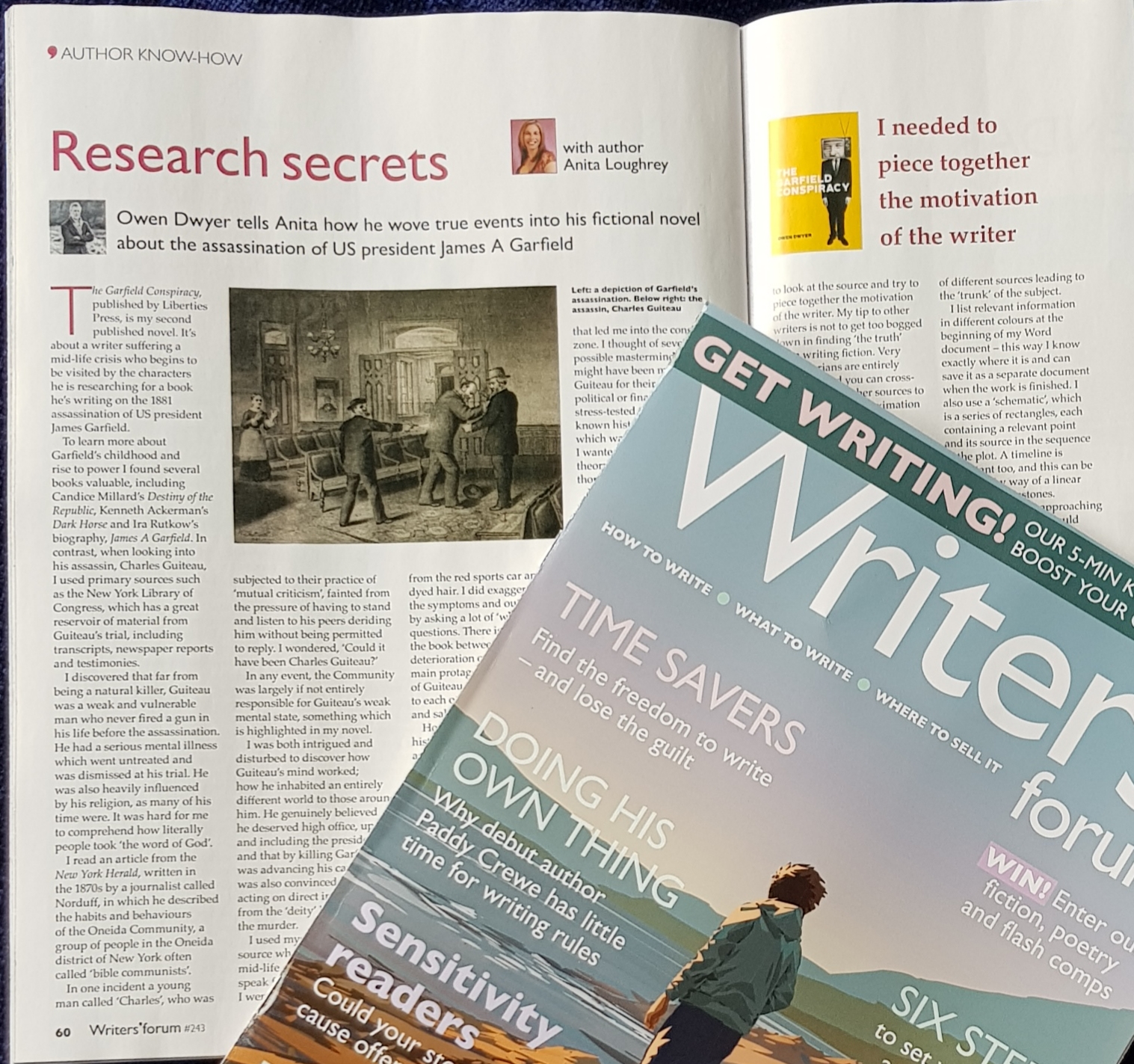
In this months issue of Writers’ Forum, May 2022 #243, I interviewed psychological thriller author, Owen Dwyer, about his research secrets. He told me all about how he weaved true events into his fictional novel, The Garfield Conspiracy, published by Liberties Press.

The book is about a writer suffering from a mid-life crisis who begins to be visited by the characters he is researching for a book he’s writing on the 1881 assassination of President James Garfield. Owen started his research with Roscoe Conkling, whose name he had come across whilst exploring on Wikipedia. The strangeness of the name intrigued him.

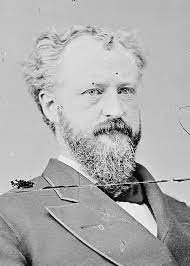
Roscoe Conkling, leading Senator of his day

Further investigation revealed Roscoe Conkling to be the most influential Republican senator of the Reconstruction Period (between the end of the Civil War and beginning of the twentieth century in America). Owen discovered he was a political enemy of President Garfield and a hero to the assassin Charles Guiteau.  

Owen turned to primary sources to do more in-depth research into Charles Guiteau, such as the New York Library of Congress, which has a great reservoir of material from Guiteau’s trial, including transcripts, newspaper reports and testimonies. He discovered that far from being a natural killer, Guiteau was a weak and vulnerable man who never fired a gun in his life before the assassination. He had a serious mental illness which went untreated and was dismissed at his trial. He was also heavily influenced by his religion, as many of his time were – it was hard to comprehend how literally people took ‘the word of God’.  

This realisation inspired Owen to research the Oneida County community, a group of people in the Oneida district of New York often called ‘bible communists’.

“I read an article from the New York Herald, written in the 1870s by a journalist called Norduff, in which he described the habits and behaviours of the Oneida County community including one incident where a young man called ‘Charles’ who was subject to their practice of ‘mutual criticism’, fainted from the pressure of having to stand and listen to his peers deriding him without being permitted to reply.”

Owen Dwyer

Owen wondered if this man could it have been Charles Guiteau. He was both intrigued and disturbed to discover how Charles Guiteau mind worked, how he inhabited an entirely different world to those around him.

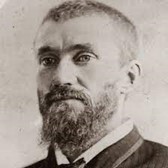
Charles Guiteau, the ‘lunatic’ assassin

Charles Guiteau genuinely believed he deserved high office up to and including the presidency and that by killing Garfield he was advancing his cause. He was also convinced that he was acting on direct instructions from the ‘deity’ by committing the murder. this realisation helped him to shape his character within the novel.

Owen revealed that finding the historical characters’ ‘voices’ was difficult as there are no recordings of any of the nineteenth century characters in existence. He had to rely on their personal letters and political speeches, which by their nature were elaborate. My characters therefore ended up with florid vocabularies, with which they reproached my main protagonist for his irreverent, scandal worthy and preposterous behaviour.

The fact Guiteau shot Garfield is not in dispute. It was the reason why he shot him that led Owen into the conspiracy zone.

“I thought of several possible masterminds who might have been manipulating Guiteau for their personal political or financial gain and stress tested these against known historical data to see which was the most plausible. I wanted to make sure my theory would stand up to the scrutiny of a thorough historian.”

Owen Dwyer

Owen’s advice when approaching research is that you should start with your objective and work backwards. Don’t accept the first corroborating piece of evidence you find, but cross-check against other sources. That way, you’ll properly interrogate your subject, make it more plausible and possibly unearth other interesting information you might not otherwise have found.

The Garfield Conspiracy by Owen Dwyer

In The Garfield Conspiracy Owen accessed and studied the mind of a ‘lunatic’, which gave him new and valuable insight into mental illness – he felt more informed and sympathetic as a result – about both himself and others.  

If anyone wants to reach out to Owen Dwyer, he has said he would be delighted to hear from you on his website owendwyerauthor.com, twitter @owendwyerauthor, and / or Facebook @owendwyerauthor.

To read the complete feature you can purchase a copy of #243 4 May 2022 Writers’ Forum by ordering online from Select Magazines.

To read my future Research Secrets or Writing 4 Children interviews you can invest in a subscription from the Writers’ Forum website, or download Writers’ Forum to your iOS or Android device.

An interview with… Angela Kecojevic

This month, #243 4 May 2022 for my Writing 4 Children slot in the national writing magazine Writers’ Forum, I interviewed Angela Kecojevic about using the dramatic effects of climate change as the backdrop of her YA novel.

Angela told me the inspiration for Angela’s latest YA novel, Train published under the Aelurus Imprint (Untold Publishing Group 2022), struck during a visit to the Didcot Railway Centre in Oxfordshire. She said the smell of train engines, the grind of pistons, and the vibe from the old passenger trains was enthralling. It was also a time when dystopian fiction was riding high in the book charts.  The spark began to develop. What if a teenager boarded a train and went to the centre of the earth? How would a group of modern-day young people cope with such a task?

She remembered a book from French poet Jules Verne. His adventure into earth exploration listed him as a pioneer in science fiction writing. His visions were revolutionary; his books (Twenty Thousand Leagues Beneath the Sea, Journey to the Centre of the Earth, and Around the World in Eighty Days) awarded him critical success.  Angela’s aim was to bring this vision into the 21st century with a sci-fi spin.

In Train, seventeen-year-old Flint Wells (along with a group of international passengers) must board a futuristic train called Hero 67.  Their mission is complex: they must fix a tether at the centre of the earth, a journey that has already seen the disappearance of its predecessor, Hero 66. Yet just as Hero 67 slams into Earth, the passengers make a terrifying discovery about the Warehouses, giant bunkers littered around the globe.

Scientists, led by the mysterious ‘Conductor’, have taken a third of the population (the Vanished), and are testing them on their ability to survive worsening climate conditions. Flint’s family are also among the ‘Vanished’. It’s a race against time to save the planet and to stop the Conductor. 

“I wanted to highlight a world that had been destroyed because of its careless behaviour, and yet show a world that might care enough to fix. Young adults today are passionate about climate change. They care; they try to make a difference. I wanted this to reflect in Train.”

Angela Kecojevic

Angela is a member of the Climate Fiction Writer’s League, a group of international authors who use climate issues in their writing. Climate Fiction (Cli-Fi) is a piece of literature that brings climate science to the page. Issue of climate change are often at the forefront of her mind and this is reflected in Train. You can find out more about the Climate Fiction Writer’s League on their website: climatefictionwritersleague.substack.com

Train explores a frozen world that requires its characters to ice climb. Angela explained this was not an easy challenge.

“I stepped out of my comfort zone and booked in with a climbing lesson at Oxford Brookes Climbing Centre in Oxfordshire.  One of their expert climbers (Liz) showed me how to dry ice climb using indoor ice axes to loop and pull. This was physically demanding, and yet invaluable for my work.”

Angela told me how good plotting will highlight the pace of the story. She elaborated that she enjoys creating pace in her stories as it is one of her strengths.  She prefers to pick up the pace at the end of a chapter and thrust it over the finishing line into the next. She also enjoys creating tension in stories. She explained, YA, in particular, is a tough market to please as young people want powerful, adventurous characters. They want characters they can fall in love with. She took great care to make her characters sound fresh and interesting, and not to overthink their characteristics.

“I wanted Train to be something different. A sci-fi novel with a chilling twist.”

Angela Kecojevic

Angela revealed she finds writing for the YA market exciting as there is more freedom than writing middle grade, a genre she is also passionate about. She explained when the world was embracing romantic vampires and dystopian fiction, teens were picking up more books than ever before. This means something sparked their imagination. Exciting worlds, exciting characters, exciting plots.

Angela advocates if a story is well written, the readers will embrace the setting, however diverse. This is the beauty of the YA market. They are open to recommendations, they use social media to comment and promote, and they are open with their views.  Sure, it is a tough market to crack, yet their loyalty to a well written story is heart-warming.

You can follow Angela on Twitter @ajkecojevic and Instagram @angela_kecojevic

To read the complete feature you can purchase a copy of #243 4 May 2022 Writers’ Forum by ordering online from Select Magazines.

To read my future Writing 4 Children or Research Secrets interviews you can invest in a subscription from the Writers’ Forum website, or download Writers’ Forum to your iOS or Android device.

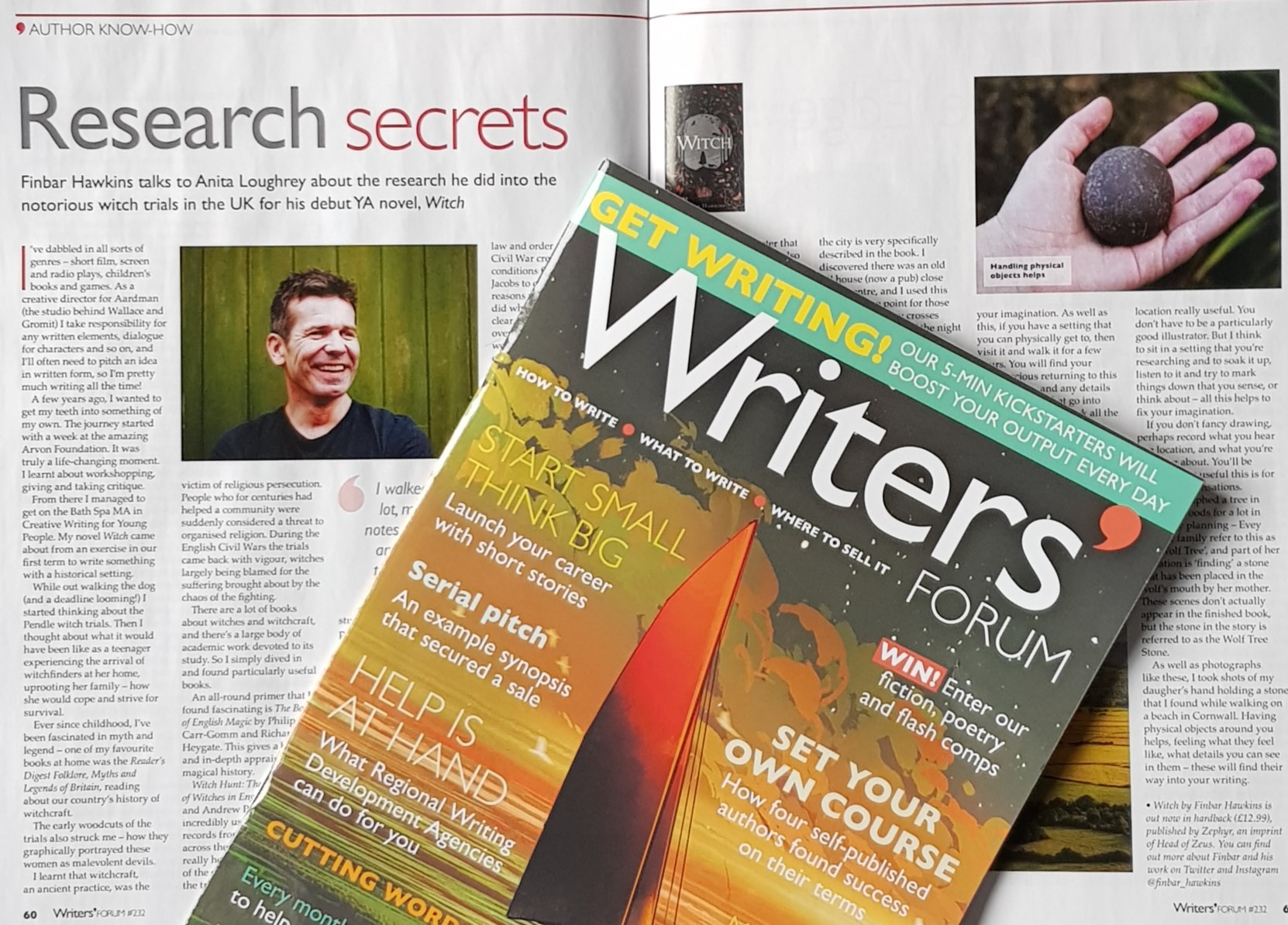
An interview with… Finbar Hawkins

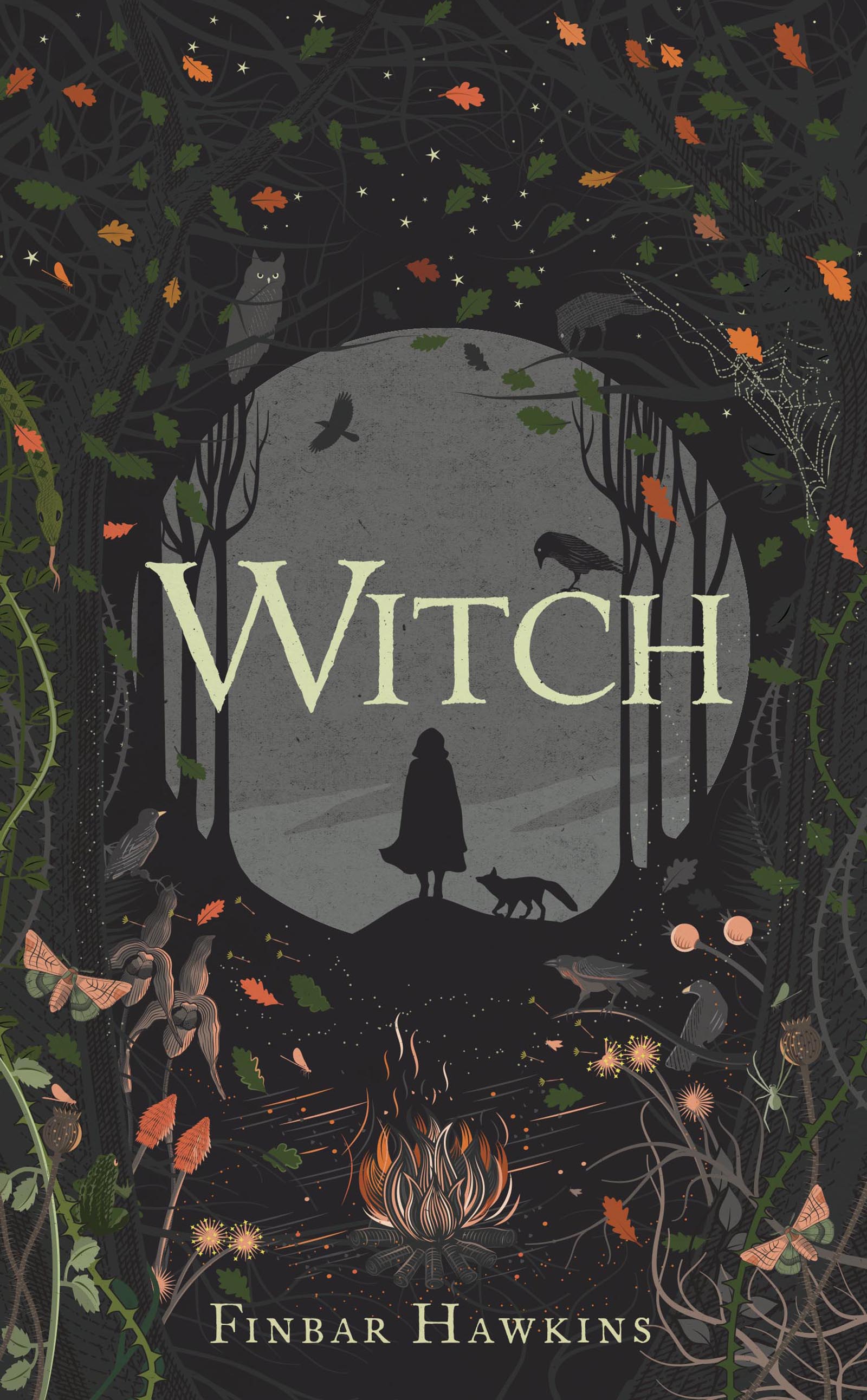
In an interview with Finbar Hawkins in April 2021, he told me all about the research he did into the notorious witch trials in the UK for his debut YA novel, Witch.

He said Witch, came about from an exercise in his first term of an Arvon foundation course where they were asked to write something with a historical setting.

“While out walking the dog (and a deadline looming!) I started thinking about the Pendle witch trials. And from there I thought about what it would have been like as a teenager experiencing the arrival of witch finders at her home, uprooting her family, how she would cope and strive for survival.”

Finbar Hawkins

Finbar explained that ever since childhood, he has been fascinated in myth and legend – one of his favourite books at home was the Reader’s Digest, Folklore, Myths and Legends of Britain, reading about our country’s history of witchcraft. The early woodcuts of the trials also struck him– how they graphically portrayed these women as malevolent devils. He learnt that witchcraft, an ancient practice, was the victim of religious persecution. People, who for centuries had helped a community, were considered a threat to organised religion. And during the English Civil Wars the trials came back with vigour, witches largely being blamed for the suffering brought upon by the chaos of the fighting.

He said there are a lot of books about witches and witchcraft, and there’s a large body of academic work devoted to its study. So he simply dived in and found particularly useful books. An all-round primer, which he found fascinating is The Book of English Magic by Philipp Carr-Gomm and Richard Heygate, this gives a brilliant and in-depth appraisal of our magical history. Witch Hunt: The Persecution of Witches in England by David and Andrew Pickering was incredibly useful, gathering records from every county across the centuries. This book really helped Finbar to build a picture of the general hysteria around the trials. And for an in-depth study into witches, their portrayal and their importance as symbols, The British Witch by P.G.Maxwell-Stuart is exhaustive and thorough.

In Finbar’s book, the witchfinder, Jacobs, is based on the real-life and self-titled Witchfinder General, Matthew Hopkins. With his associate John Stearne, this determined young man cut a swathe across the East of England over the course of a bloody year in 1646. Witchfinders by Malcolm Gaskill was his go-to piece of research to understand the circumstances that led to Jacobs’ campaign.

He also visited an exhibition of Goya’s sketches of Witches at the Courtauld Institute (https://courtauld.ac.uk/gallery/what-on/exhibitions-displays/archive/goya-the-witches-and-old-women-album.

“These sketches definitely helped with the coven and crowd scenes in my book.”

Finbar Hawkins

Finbar revealed Spellbound was a wonderful exhibition at the Ashmolean Museum in Oxford https://www.ashmolean.org/spellbound  He told me that they had a copy of Matthew Hopkins’ The Discovery of Witches (1647) which is chilling to see. Not only did this notorious man kill over a hundred women, he encapsulated and really celebrated his act for posterity.

An important part of Witch is Evey’s voice, and her way of seeing the world. Finbar wanted her to have this very specific, lyrical way of speaking, to make her sound very different to the norm. She’s also grown up in the West country so he wanted her to have that accent as part of her speech patterns. He used online accent archives to get the rhythms of her speech right. Dialectsarchive.com and also searched on YouTube for interviews with people from the West.

Witch is set in Wiltshire and in particular The Mendips area. He wanted the girls, Evey and her younger sister, Dill, to be travelling across the hills and valleys of this area. To achieve the dramatic sweep that this beautiful setting gives Finbar walked the area a lot, made notes on flora and fauna and took lots of photographs. He also found sketching in location really useful for details and sensations.

He photographed a tree in his local woods for a lot in backstory planning – Evey and her family refer to this as the ‘Wolf Tree’ and part of her initiation is ‘finding’ the stone, where it has been placed by her mother in the mouth of the wolf. These scenes never actually appeared in the final book, but the stone in the story is referred to as the ‘Wolf Tree Stone’.

“I took shots of my daugher’s hand holding a stone he found while walking on a beach in Cornwall. Having physical objects around you helps, feeling what they feel like, what details you can see in them, these will find their way into your writing.”

Finbar Hawkins

You can find out more about Finbar and his work @finbar_hawkins on Twitter and Instagram.

To read the complete feature you can purchase a copy of #231 Apr 2021 Writers’ Forum by ordering online from Select Magazines.

To read my future Research Secrets or Writing 4 Children interviews you can invest in a subscription from the Writers’ Forum website, or download Writers’ Forum to your iOS or Android device.

You can buy copies of Witch by Finbar Hawkins from your local bookshop, or online at uk.bookshop.org, an organisation with a mission to financially support local, independent bookshops.

An Interview with… Chrissie Sains

I interviewed Chrissie Sains last year for the #236 Sept 2021 issue of Writers’ Forum. She talked about the character, setting and pace of her middle-grade novel, An Alien in the Jam Factory, published by Walker Books.

An Alien in the Jam Factory is the first book in a comedy adventure series starring Scooter the jam inventor and his top-secret alien sidekick for ages 6+. Chrissie told me the seed of the story began with the idea of an alien flying around in a jam tart. Her children suggested it looked like a little flying saucer and together they imagined an alien crash landing on earth and flying around in it.

As the has story developed, Fizzbee (the alien) became particularly important to the central theme of the book. Fizzbee never underestimates Scooter, who has cerebral palsy. She sees him for the incredible boy that he is. She also teaches Scooter not to underestimate her.

An Alien in the Jam Factory by Chrissie Sains
Illustrated by Jenny Taylor

“The idea to write a character with cerebral palsy was inspired by my goddaughter, Abigail. She has an amazing sense of humour. She’s smart, inventive and I’ve never known anyone so determined – she doesn’t let anything stand in her way. I really wanted to include those qualities in the hero of my book, together with her cerebral palsy.”

Chrissie Sains

Chrissie explained it was important to that cerebral palsy wasn’t the central focus of the book, nor did she want it to be tokenism.

“I don’t think there are enough books featuring a character who has a disability and goes on an adventure – I’d really like to see that change.”

Chrissie Sains

A lot of the humour in the book comes from Daffy and Boris, the villains of the story. Chrissie revealed the aim was to create two lovable but highly inept robbers, who come up with an absolutely ridiculous plan to rob the (highly secure) jam factory. They have a great relationship too. Daffy absolutely adores her bad-tempered pet guinea pig Boris, even though he’s not so fond of her.

Chrissie divulged that she finds with humour your characters need to be completely unaware they’re funny. They’re simply using any means necessary to achieve what appears to be an impossible goal. Be it breaking into the world’s most secure factory by trying to post your cantankerous pet guinea pig through the letterbox, to persuading that same pet guinea pig to wear a pink sparkly friendship pendant.

She told me when she started planning An Alien in the Jam Factory – there was no jam factory. She had the characters and an idea for a plot but no setting. After a little brainstorming with her children, the answer came to us: The most inventive jam factory in the world.

She spent weeks chatting to her children about jam inventions. Throwing random ideas out and jotting them down in a notepad. They started by thinking about exciting flavours of jam, before moving onto what else jam could be used to make. She drew a map of the jam factory which was recreated by Jenny Taylor the illustrator for the inside cover.

Chrissie’s sketch of the jam factory and Jenny’s final version for the inside cover

Chrissie explained that one of the most important elements of writing children’s books for her is the pacing. She likes to ensure every chapter has a real purpose in driving the story forwards. To achieve this she includes an element of action and humour within each chapter and end them all on a cliff hanger. Her tip is to give yourself time to plan and ‘percolate‘.

“I find a story can start off full of promise, only to meander aimlessly and lose its way if I haven’t planned it properly. I start with the idea, then let things percolate a little. I draw, brainstorm, free write & walk until the plot evolves and I have a clear understanding of the character motivations. The thinking time is just as important as the writing time. Plus, it makes the writing process a LOT quicker and easier.”

Chrissie Sains

She revealed once she starts writing the first draft, she just keeps writing without reading back at all. If there’s a particular part of the story that’s proving tricky to write, she adds a holding title in capitals, (e.g. FALLS IN A VAT OF JAM) then moves on to the next part. She elaborated writing is all about editing and it’s totally ok for the first draft to be a bit rubbish. Once you’ve got the first draft, you’ve got something to work on. Whatever stage you’re at, don’t give up.

The second book in the series was launched this month on the 7th April 2022.  A treasure map is discovered , revealing there’s a hoard of treasure buried under the jam factory, but Scooter and Fizzbee are not the only ones after the treasure.

The Treasure Under the Jam Factory by Chrissie Sains
Illustrated by Jenny Taylor

You can find out more about Chrissie Sains and her Jam Factory series on her website: www.chrissiesains.com, Twitter: @crsains, Instagram: @Chrissie_sains and Facebook: @chrissiesainsauthor.

To read the complete feature you can purchase a copy of #236 Sept 2021 Writers’ Forum by ordering online from Select Magazines.

To read my future Writing 4 Children or Research Secrets interviews you can invest in a subscription from the Writers’ Forum website, or download Writers’ Forum to your iOS or Android device.

You can buy copies of An Alien in the Jam Factory and The Treasure Under the Jam Factory by Chrissie Sains from your local bookshop, or online at uk.bookshop.org, an organisation with a mission to financially support local, independent bookshops.