Category Archives: Anita says…

An Evening with the Illustrator Axel Scheffler

Many years ago, in 2009, I was lucky enough to go to a talk by Axel Scheffler about his career as an illustrator of children’s picture books, run by the Society of Authors. The meeting was chaired by Ros Asquith.

Axel Scheffler

Axel is one of my favourite all time illustrators. He won his first drawing prize around the age of eight. It was for a picture of a cow. He is originally from Hamburg but, studied at Bath Academy of Art where he got a first class degree.

He told us, the greatest thing about going to art school was having the freedom to draw for three hours and the qualifications opened doors for employment. He has no time to do observational drawings anymore. He has got out of the habit and has been unable to get back into it. Looking and remembering is a skill some people can not do. Picasso and many other artists all used photos. But, Axel claims it is a skill you can train yourself to do. It makes you look more carefully at things. His style he developed himself. But, he is a perfectionist and is not happy with his work on occasions. He divulged how he finds it difficult to draw a succession of events and prefers to tell a story all in one picture.

He showed his portfolio in the mid-80’s to magazines and got regular work for a magazine called Lotus. He would draw anything and would change his drawings when asked. Sometimes he found himself drawing things he did not really understand. He also worked for a German magazine called Zeitmagazin where he did weekly illustrations and illustrated a column for a food writer.

He has also written and illustrated some Pixi Books (or Pixi Bücher) for their 40th Anniversary. He was one of 10 illustrators asked to commemorate the event. They have published over 1,500 identically sized titles, 10x10cm, which are all grouped and numbered in little series with German precision. He likes to do things that are less main stream, but he has less time nowadays. He enjoys illustrating with little pictures on a white background. He still does some work for The Oldie. He thinks as an illustrator he is more popular in Germany than in the UK.

He showed us how when you look at his illustrations over the years you can see his progression from pointy nose characters to softer styles.

The Piemakers by Helen Cresswell was the first book he ever illustrated

Daley B by Jon Blake was the first book he illustrated for Walker Books

Sam: Who Was Swallowed by a Shark by Phyllis Root was the second book he illustrated for Walker Books

In 1994, Julia Donaldson was writing songs for Playdays and Axel Scheffler was recommended as the illustrator. He worked on A Squash and a Squeeze. This was his first book with Macmillan. The next book he did with Julia was The Gruffalo, followed by Room on the Broom, Tiddler and The Stick Man, which was nominated for The Roald Dahl Funny book Prize. These books have been translated into 29 languages.

Publishers often do not have the patience to develop illustrators and authors. But, he has worked with Macmillan a long time now and they have moulded him into what they want. There are many people involved in the publication of a picture book. The final product is very influenced by the editor and art director.

The Gruffalo
Usually when he has an idea he ends up sticking with it. But with The Gruffalo cover his original just had a shadow of The Gruffalo, but the editor wanted the main protagonist on the cover so he redrew it. However, in the US they did not want the main protagonist on the cover so he had to draw another one where he hid The Gruffalo partially behind a shrub. This only appeared on the US first edition, the second edition adopted the UK design.

He explained how he had a terrible time getting the skies right because he found it difficult to get the liquid watercolours to do what he wanted. He usually starts his illustrations with liquid watercolours (like ink) drawings a lot smaller than in the book and they get blown up to the right size, which he then works with. He dips a pen into the ink and then colours them with special coloured pencils. He used to do his picture book drawings the same size but, now he does them 90%. He always starts with ink outlines and then colours on top of the inks and rubs in the colours with his fingers. At the end he reinforces the outline with the ink and adds details, such as lines for fur and leaves. Nowadays he is able to ask the publishers to make small alterations in Photoshop but, previously he was only able to change it by hand and then email the new version.

The Smartest Giant in Town
For this book he also drew a totally different front cover, but they wanted something more friendly so he had to rethink.

Rabbit’s Nap (Tales from Acorn Wood)
This is a lift the flap book and Axel loved drawing the little dressed animals

The Gruffalo Song and Other Songs
This was not the first cover design again, as he decided he did not want to metamorphosis the animals. This book is also available as a musical audio CD.

Axel’s advice to aspiring illustrators is to practice hard. He kept a sketch book from the age of about 18 before he started at art college. There is a whole playground of ideas in these sketch books that he has jotted down. Sometimes the sketch books relate to books he is working on. Axel explained how it is nice to look at old sketch books as they bring back memories. But, it is the unpredictability of the whole business that is so lovely about it.


Re-evaluate setting

Today’s blog post is a continuation of evaluating your work in progress. I have talked about re-evaluating your characters and re-evaluating your plot. Today I am concentrating on setting. A lot of work goes into the beginning of the story before the writing begins but sometimes a story can loose its way. What I am proposing is if you feel like you have lost your way stop writing and take a look at what you have written so far. 

edinburgh castle

  • Make sure your facts are accurate, such as if you are using real places you have not got your characters driving the wrong way up a one-way street.
  • Make your own sketch-map of an area it is a good working tool whether, you setting is real or imaginary.
  • Remember the information out at the time may be different form what we know now in hindsight. Pears encyclopaedias give details relevant to the year and can be collected quite cheaply from boot sales.
  • Contemporary stories with flashback in time must be accurate. Double-check everything.
  • Never take one source, do a lot of crosschecking. Where possible use library and university sites, museums and book searches where you can type in a keyword and find a lot of good reference books.
  • The best research is unobtrusive. You don’t need to put everything in to prove you know your subject. Drop things in casually to set the scene and let the reader know a little background. You can paint a picture using the information this way. You have the research in your mind but only have to use a couple of lines.
  • Use research to feed motivation and plot. It is no good your character having a glamorous job if you’re not using the job to move the story forward.
  • Describe clothes and period costume by using action. Use the description and research as part of the action. All the time something should be happening.
  • Check your setting compliments other areas of the plot. If you are trying to create an atmosphere with your research, it must work within the confines of the plot.
  • Can your setting and the research you have done into it be used to create tension, conflict or theme? Could it be used to draw comparisons?
  • If you are going back in history, do not forget to use all your senses. Think taste, smell and sound. Think like a photographer.

living room

A good exercise is to go through your novel and list the settings you use. Consider how many and are they too similar or even too unrealistic. Would your character really live here? Examine their characteristics of the room, street, or forest. This kind of in depth look can help you find the right path back onto the road of completing your novel.

Re-evaluate your plot

Last week I talked about re-evaluating your characters. Take a look here.

forest

Sometimes it is also a good idea to stop what you are writing even if you have not finished the book and re-evaluate your plot.

  • A novel needs an ending but this ending need not be cast in stone. You need to have something to work towards, something to aim for.
  • With plot, you also need to have a sub-plot. The sub-plot moves the reader along.
  • It is very tempting to have another set of characters coming in when the hero needs to learn important information, try to avoid this. Sharpen in the re-write by cutting subsidiary characters.
  • Don’t overcrowd scenes. Does the plot really require lots of people to be together in one place at one particular time? Be economical in the number of cast and scene changes. See action in your sequences. Think like a play-write or film director. You can fast forward and backwards to visualise your plot as frames. This way you can see if it isn’t running smoothly form one scene to the next.
  • Use flashback rather than having a large scene that shows the plot and use it with purpose to move the story on.
  • Imagine conversations to hone dialogue.
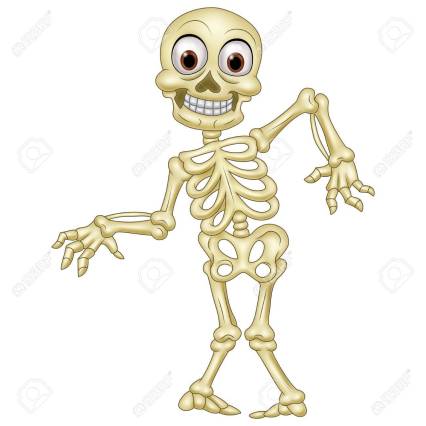
  • In the first draft don’t worry about getting it right, just get it out of your mind and onto the paper, then you can edit and mould it into shape. The first draft is the bones – the bar skeleton.
  • Analyse where your peaks and troughs are and always finish each chapter on a cliffhanger.
  • If you use symbolism, it must play a part in the conclusion.
  • End as soon as possible after the dramatic climax of the novel. Open with a bang but don’t go out with a phut.

skeleton

Re-evaluate your characters

Sometimes you need to step back from your writing and take a deeper look into your character’s and their story so they do not appear flat on the page.

Flat Stanley

Ask yourself if your readers can relate to your protagonist. You need to consider who will be reading your book. It does not matter how clever, funny and charming your characters are, will the readers truly care about them. What can you do to make them care more?

SC_D11_02752

Often you can relate to your readers by giving your main character a problem they can empathise with. But it is not just the hero you need to consider. You also need an enemy for your hero to battle against. Someone who is blocking their way to achieving their goals.

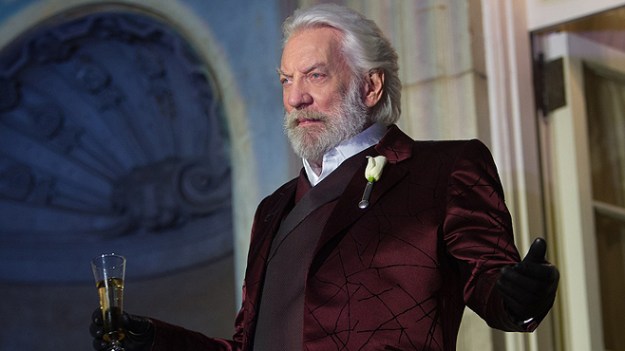
The antagonist in your story should appear to be everything that your protagonist is not but they must also have some good qualities as well. People are not good or evil. Your characters should have the same character traits, as the rest of humanity to give them depth. Both your hero and antagonist need to have a few bumps in the road. Life isn’t smooth. Let them both make mistakes and figure their way out of their problems.

President Snow.jpg

Begin and end your story with a bang. Remember your hero needs to learn a lesson about themselves. Are they braver than they thought? Did they know more than they thought? Were they in love with the person they thought? Your characters should have some type of self-realisation.

Peeta Mellark

It can be subtle. You do not have to go into a five chapter monologue on it, just give the readers some clues how they have changed.

The job of an editor

In my opinion an editors job is to see the book all the way through not just to edit it. Being an editor is not only about getting the book into a child’s hand, but getting the book noticed by parents, trade, bookstores and libraries.

Getting an editor to love your work is the biggest hurdle of all because what the editor does is become an advocate of your work within the publishing company. If your book fits into the list, it means the editor loves it and has transmitted that enthusiasm to others. There needs to be a shared passion for the book between writer and editor.

daisy

They love me, they love me not…

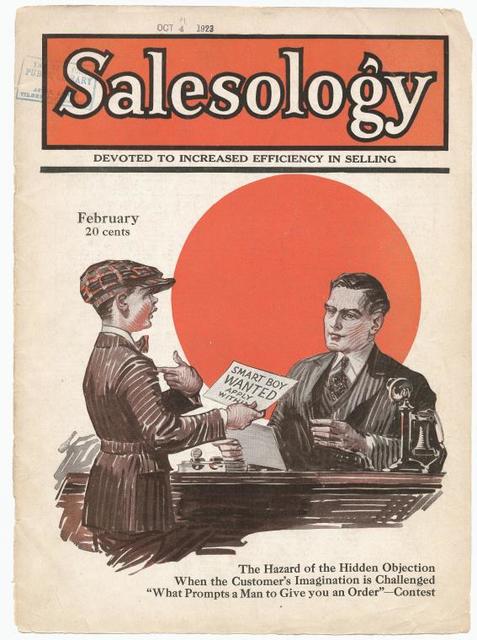
If an editor likes a book, they will take it to an editorial meeting, if others feel the same way as them it is then taken to an acquisition meeting, at which the editor has to convince the sales force and marketing people that this great book has commercial possibilities. They often spend a lot of money on marketing.

salesology

It is important to keep in mind that it is still your responsibility as the author to promote your book. As an author do not depend on the publisher to do all the work for you. You will need to organise your own book tours, your own school visits and your own merchandise.

The truth is you have to find the publisher that’s looking for the sort of book you’re writing, read my post on The Publishing World last week.  Capture their attention by being an original voice. Remember you are sending your manuscript to someone who reads over 500 a year. Ask yourself:

Would an editor jump off a bridge for this book?

The world of publishing

More and more publishers are saying they no longer accept unsolicited manuscripts or writers can only submit to them through an agent. An agent is essential for the children’s fiction writer. Mainstream publishers will only look at agented work and as we all know, agents are becoming increasingly difficult to find. But don’t despair…

Agents of Shield logo

With the big publishers, what is on the shelves is what was accepted about eighteen months ago. The independent book publishers get things out a lot faster, so their turnaround can often be about six months. A good idea is to find out about these independent publishers. They are often more likely to take on new writers from the slushpile.

If you do decide to go it alone without an agent, it is important to identify the market place you think your book will fit into so you have an idea about who will be publishing your work even before it is finished. Don’t plough on with a book before you know where you are going to send it. Know where your story fits in the market. Take a look at the Children’s Writers and Artists Yearbook.

sherlock-holmes

Evaluate who is publishing what. Not only by looking at the publisher of the types of books you like to read, which are the same genre as what you are writing, take a look at what else is out there too. You need to have your finger on the pulse, look at their catalogues and websites for things that are due to come out. Narrow your market down and check out the publishers’ websites for more information and their submission guidelines. Really get a feel for the market place and remember, as mentioned already, if the books are already in print they are two or three years out of date from what the publishers are looking for now.

Think about your elevator pitch too. If you have a problem defining your own book you need to be realistic and consider if it is working for the reader. If you do not have an agent to champion your work it is even more important for you to be able to sell your novel – else what is the point of writing it.

The role of the booksellers

The book business is an industry run by booksellers, marketers and publishers. Over the last few decades book publishing has become more commercial than ever and the big publishing companies will not back a book unless it is a sure bet. It is all about selling and whether the retail outlets can persuade the public to buy your book. This blog is not really about the independent local booksellers but the multi-national companies that have monopolised the book market for years.

whsmith

Publishing houses are actively acquiring books they believe the big booksellers will like. If the bookseller wont stock the book, the book will not sell. It is the book cover and how enticing it is that gives a book an edge with the bookseller. Many retailers base their judgements on whether to stock the book on the cover and usually the author has no say in this at all.

waterstones

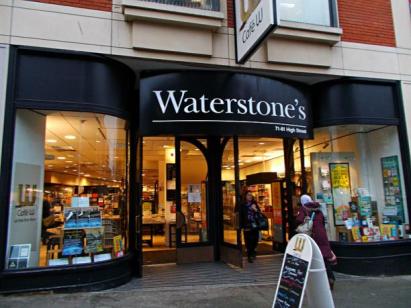
Big book chains have been centralising the ordering of books, which means there are one or two people deciding for the chain store which books children will read all over the country. The retail market is 70% chain. Waterstones bought Foyles in September 2018.

The buying process for Foyles will now work in a similar way as it does for fellow Waterstones-owned bookshops Hatchards and Hodges Figgis, with the initial layer of ordering done by the central team in Piccadilly rather than by Foyles buyers. Bespoke ordering will then be layered on top.

The Bookseller October 1, 2019

‘High concept’ books are the easiest to sell as they are more commercially successful because they stand out from the crowd.

tesco

It is quite scary the impact the big bookstores have on the publishing world and when you realise they monopolise over 70% of the book selling market it is understandable why writing for children has become more competitive. In turn, more and more consumers are buying books from large supermarket chains and the big book chains feel squeezed by these supermarkets muscling in on their territory.

amazon_online

The internet is part of this rumbling revolution. Large online booksellers such as Amazon are seen as a threat by publishers as they are able to give large discounts on books, cutting profits. They can also create a lot of publicity for a book through online advertising and linking from authors websites. I think this is one of the reasons why more authors are turning to self-publishing.

What makes a Children’s Book Great?

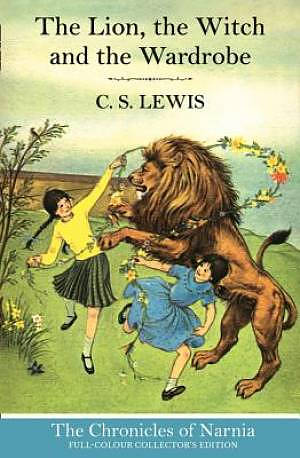
I think a great children’s book is one which views life through the eyes of the child so the characters come to life as real people. It doesn’t matter what genre it is, what point of view it is in, or what age it is aimed at, if the characters are believable and you can really live their experiences as you read each page, you’ve written a great book.

lion, witch and wardrobe

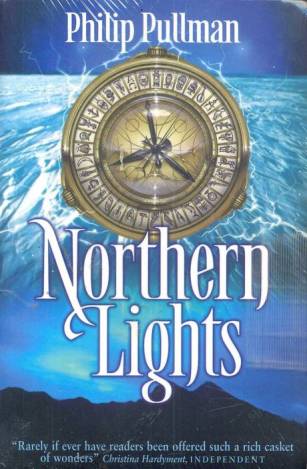
A gripping plot, strong characters and active narration and dialogue go a long way to making a children’s book a success. We all know a  good story is the battle between good and evil. It has to have characters you can like and introduce a new place. It should leave the child with a feeling of hope.

northernlights

Yes, you need great characters, you need atmosphere and emotional intelligence but it is the narrative drive that makes a great book, not the story. Narrative drive is the way the story is told as a whole package that includes character and plot. A great book plunges characters into terrible situations and draws you in to find out how they deal with them.

hunger games

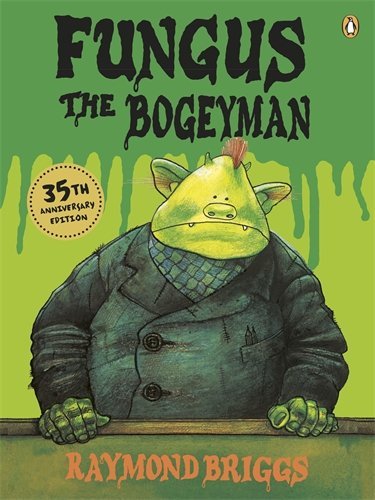
Point of view can make the difference between whether the book is an adult or a children’s book. In picture books, it works well to put in something to keep the adult amused, especially if it meant to be a book to be read aloud at bedtime, or in the classroom. Adults can see the bigger picture. But remember as a writer you must still keep your eye firmly on the kids.

fungus the bogeyman

Publishing is led by fashion and there will always be a tension between what adults want for them and what children get from them. If you want to keep ahead of the game, you must analyse what is currently selling. Being aware of what sells is crucial for a writer, especially if you want to make a living out of it.

Why write a synopsis?

A few weeks ago on my blog, I talked about how a personal synopsis, or breakdown, of your novel can be a useful planning tool and map to help you complete your novel. See here. Last week I explained the difference between a synopsis for publishers and agents and a book proposal. See here.

Today I am going to talk about whether agents and publishers even read the synopsis. A question that is often asked at writing meetings and events is:

Do we need a synopsis?

This is a very controversial question. Romantic novelists, Dee Williams and Iris Gower, who I met at a Writers Holiday event many years ago, told me they had never had to write a synopsis.

writing1

Others, like Marti Leimbach, writer of contemporary fiction for adults and young adults, admitted writing a synopsis is often harder to write than the actual novel. Whereas, some very lucky people, like Lee Weatherly, claim they are easy to write. Unfortunately, I lost my notebook which had all my notes from the Lee Weatherly talk – I kept saying to myself it was bound to turn up but it never has. I may have left it on the train!

stickynotes

I have been told at a couple of SCBWI conferences by agents and publishers on various panels they don’t even read the synopsis. You should have heard me groan at that news. I spend hours and hours on mine and they’re not even going to read it. I could have stood up and screamed. Even at the recent SCBWI-BI Agent’s Party, three out of the five agents on the first panel said they do not look at the synopsis. Joanna Moult prefers a cracking first page and Kate Shaw will look at the cover letter and sample first. Zoe Plant from the Bent Agency does not even ask for a synopsis in the submission package.

So is a synopsis a waste of time?

NO! I do not think so. Other editors and agents, such as Chloe Seager, have said they do read the synopsis first and prefers to be told how the book is going to end. Some other agents have said if they don’t like the synopsis they don’t bother reading the rest. This is just as scary as I have always believed the most important thing is how strong your writing is.

What should we do?

I still think, the most important thing is how good your writing is but I also think we need a synopsis to show the editor or agent how well the story hangs together and prove it has a defined beginning, middle and end. So even though Megan Carroll does not like spoilers in the synopsis, my advice is persevere with your synopsis. It might help you to clinch the deal.

Book proposal

A few weeks ago on my blog, I talked about how a personal synopsis, or breakdown, of your novel can be a useful planning tool and map to help you complete your novel. See here. I mentioned that a synopsis for an agent or editor is slightly different and should be kept to an A4 side of paper. A book proposal for a non-fiction book is not the same as a synopsis. Today I thought I would explain how and why non-fiction book proposals are different.

books

When writing non-fiction books you do not necessarily have to finish the book before you submit your idea. If the idea has not been commissioned in-house you will need to give the publishers an idea of the layout of the book and why you are the best person for the job. In my opinion, the last bit is the hardest part.

Slushpile Challenge

Very recently, I was one of the winners of the July 2019 Slushpile Challenge. For the challenge we were asked to submit:

  • Outline of the book, including why you think there is space for it out there
  • Some market research on competing titles in the market-place, which might include publisher, pub date etc
  • Target readership, including (if applicable) any syllabus/key stage tie-in
  • Why you are the writer to tell this story
  • A sample of up to 2500 words of text (give or take) from your proposed narrative non-fiction title.

This is exactly the same sort of information you need to send to a publisher for a non-fiction book proposal, whether it is creative non-fiction or not.  I suggest you use these headings to help you. In the outline of the book I usually include a chapter breakdown.

Many of my books are published by QED one of the many imprints of Quarto.

Quarto provide submission guidelines online, which give an excellent idea of what you need to include in more detail. Each division has its own editorial focus.

If you don’t know what publisher might be best suited to the type of book you want to write, it is a good idea to take a look at the Writers & Artists Yearbook. There is a version specifically on writing for children.