Anita Loughrey's blog. This is my journal about my experiences and thoughts on writing. As well as news about me and my books, it includes writing tips, book reviews, author interviews and blog tours.
For more information about me and my books see my website: www.anitaloughrey.com. Follow me on Twitter @amloughrey, Facebook @anitaloughrey.author and on Instagram @anitaloughrey
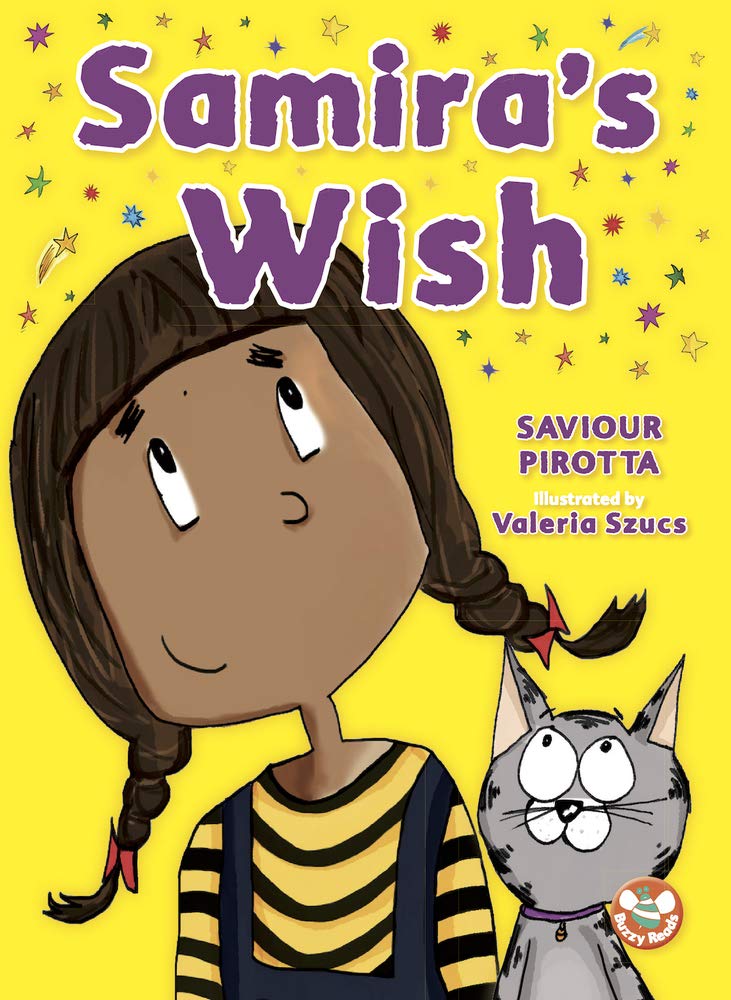
Samira’s Wish by Saviour Pirotta and Valerie Szucs
The Wacky Bee Buzzy Reads series that were released in 2020 are a great quick read ideal for Key Stage Two children to read alone.
Samira’s Wish is about a young girl who always puts others first before herself. When her grandparents come to visit she decides to make them beans on toast for breakfast as a special treat but her dad has eaten all the beans. Luckily, Mrs April the scary owner of the corner shop has one tin of beans left. Samira discovers that this is not ordinary tin of beans. They are magic beans. With every mouthful a wish can be made. But the wishes her family make do not make things better for everyone.
This book could be used as part of a PSHE lesson to stimulate discussion on sharing, being considerate, consequences and the importance of sometimes putting yourself first. It could also encourage creative writing sessions by getting to children to think of what they would wish for and the pros and cons of their own wishes.
There are some brilliant fun facts about baked beans and a healthy recipe to make home-made beans on toast at the back of the book. the recipe could be used at home or as a food technology lesson at school.
Witch is a remarkable debut novel, which encompasses the themes of betrayal, family, friendship, identity, revenge, self-discovery and sibling rivalry. The graphic descriptive nature of the opening scenes makes them emotionally difficult to read but sets the tone and atmosphere of the book. The fear and superstition, which permeates this novel draws the reader in.
The fiery, red-haired main protagonist, Evey, is a fascinatingly flawed character who blunders through life, heart first. Her voice is unique depicting the time and place the novel is set – firmly in 17th century Wiltshire. She is determined to avenge her mother’s death at the hands of the vicious witch hunters which conflicts the promise she made to her mother that she would keep Dill, her younger sister, safe.
Keeping this promise is confounded by the fact she is jealous of Dill, believing she was their mother’s favourite as she inherited the magick and this is why their mother gave Dill the mysterious scrying stone and not her. This jealousy is magnified by Evey’s constant rejection of Dill’s nick-name for her, Eveline of the Birds. Their complicated relationship is well constructed and realistic.
Evey is torn between the duty of the promise, her love for Dill, and the tormenting jealousy that threatens to rip them apart. She refuses to accept magick also flows through her own veins and she is the strongest witch of them all. This refusal to accept her fate makes her an unreliable narrator.
In her anger, Evey steals the scrying stone from her sister in the night and goes to hunt her mother’s murderers who are gathering for the witch-trials. She leaves Dill with their mother’s elder sister, Aunt Grey, who unknown to them is a collaborator with the witch hunters. Finbar Hawkins clearly shows how accusations of witchcraft were used as a weapon against independent, strong and resourceful women, portraying an era where women were persecuted for using traditional herbal medicines.
A dramatic grim depiction of cruel times and the strength found in sisterhood and friendship. I particularly liked the friendship and love between Evey and Anne, ‘Green Eye’ the daughter of Lord Whitaker the local magistrate. Together they fight against the male dominated system and their betrayers. When the line between using magic to heal and using magic to harm becomes blurred, Anne is there to steer her on the correct moral path.
The plot concludes in a climatic crescendo in the final scenes when Evey is finally forced to accept her powers and realises she has to work with her sister to bring balance. Her gradual acceptance of her powers is highlighted by the change in her emotions and how she grows to understand her mother and the gifts she has inherited.
This novel is a spectacular emotional roller-coaster steeped in history, myth and folklore.
The story of Ever Wong, an eighteen-year-old Asian American girl, torn between rebelling against her parents and her family loyalty. When she is sent to an expensive summer school in Taiwan she seizes her opportunity to shake off the shackles of all the rules her parents have imposed on her in their ambition for her to become a doctor and she totally embraces the freedom supplied by the limited supervision environment to make her own rules. This includes staying out late, wearing clothes they would not approve of, drinking alcohol, pursuing her love of dancing and choreography and maybe the greatest sin of them all – having a boyfriend.
But breaking all her parents’ rules does not prove to be as freeing as she originally believed. Not only does she have to fight the guilt of knowing her mother sold her antique pearl necklace, which was a family heirloom, so they could afford for her flight to go, she also has to deal with her feelings of finally meeting the boy prodigy who her parents have been comparing her to her whole life. A boy she thought she disliked because she could never live up to the expectations.
This is a beautifully written romance coming-of-age story in Ever Wong’s voice. We are swept along with her on a voyage of discovering her own identity through the tide of desire and heart-break not only from the various boys she encounters but because of fall-outs with her best friends.
Abigail Hing Wen uses her novel to explore the different Asian cultures and diverse family structures that influence a person’s personality and decision making. She also highlights what it is like to be an Asian American immigrant and the unrealistic stereotypes.
Teenagers all over the globe, will be able to identify with Ever’s struggle for more freedom, her disappointments, and their first Loveboat summer camp experiences of having their first kiss, breaking up, making-up and even the first real taste of love.
A novel that resonates and makes you think well after the last page has been read.
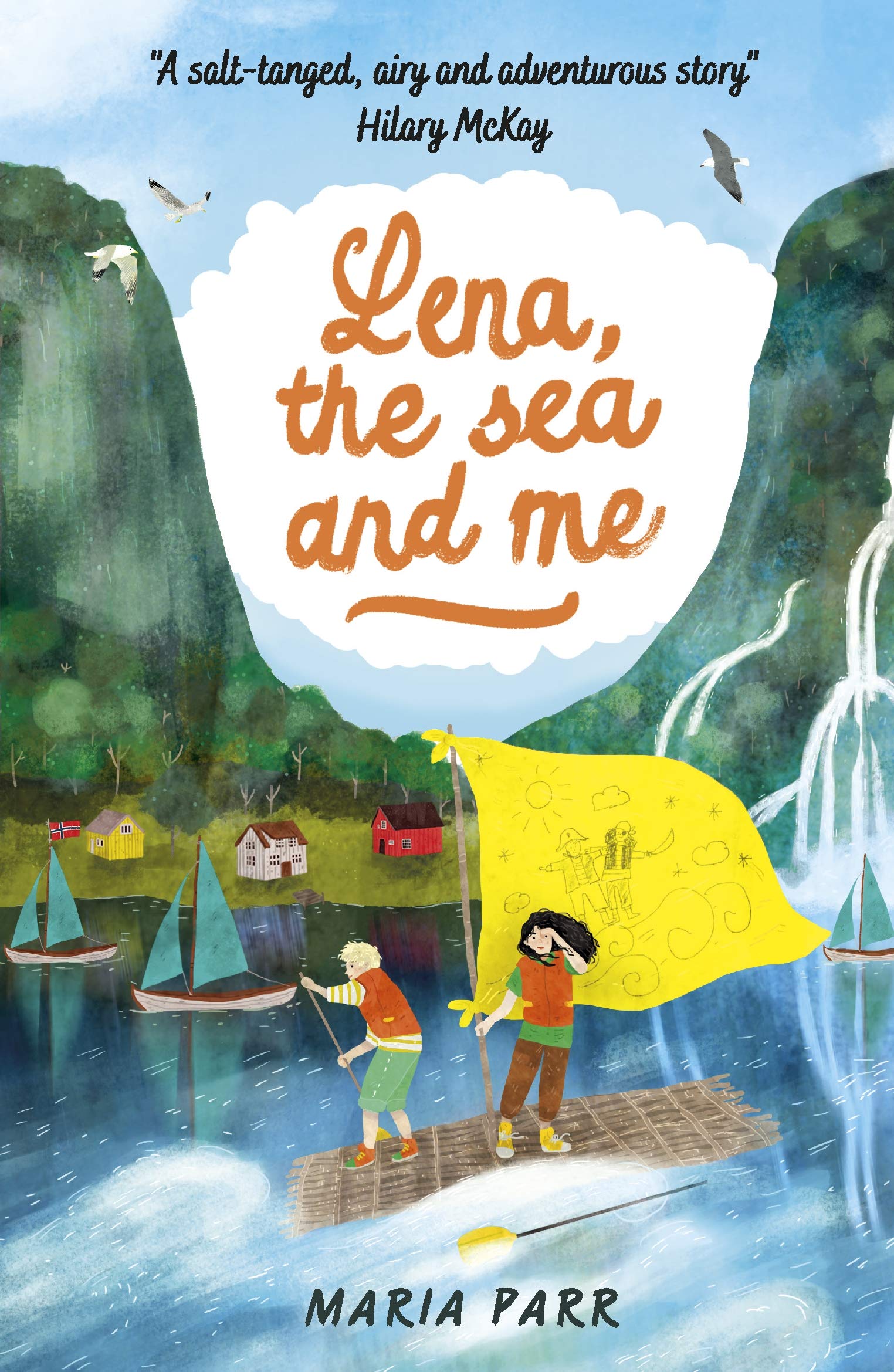
Lena the Sea and Me follows a year of adventures with Trille and his next door neighbour and best friend Lena. To emphasise this Lena the Sea and Me is split into seasons. This book is the much awaited sequel to Maria Parr’s debut novel Adventures with Waffles (also published under the title Waffle Hearts), which was translated into twenty languages and won several awards around the world. Both books are set in Mathildewick Cove in Norway and portray a realistic relationship of the highs and lows of friendship and growing up.
Written from Trille’s point of view we learn a lot about both Trille and his next-door neighbour and best friend Lena’s characters and families. The stage is set for a dramatic year ahead, dark clouds are looming and a horrific storm hits Mathildewick Cove, Norway. Trille and Lena have to fight the elements and their own emotions in that Lena has to wrestle against the new football’s coach sexism and nepotism when she is benched from her position as goalkeeper, even though she is by far the better player and Trille is infatuated with the new girl, Brigit, who has moved into the bay but when his grandfather has a serious injury on his boat, Troll, Lena is there to help him and refuses to let Grandpa or Trille give up hope.
All the characters are well formed and seep under your skin, staying with you long after you have finished the book. The reader feels like they know them and understand them. I would like to read more about the lives of Trille and Lena.
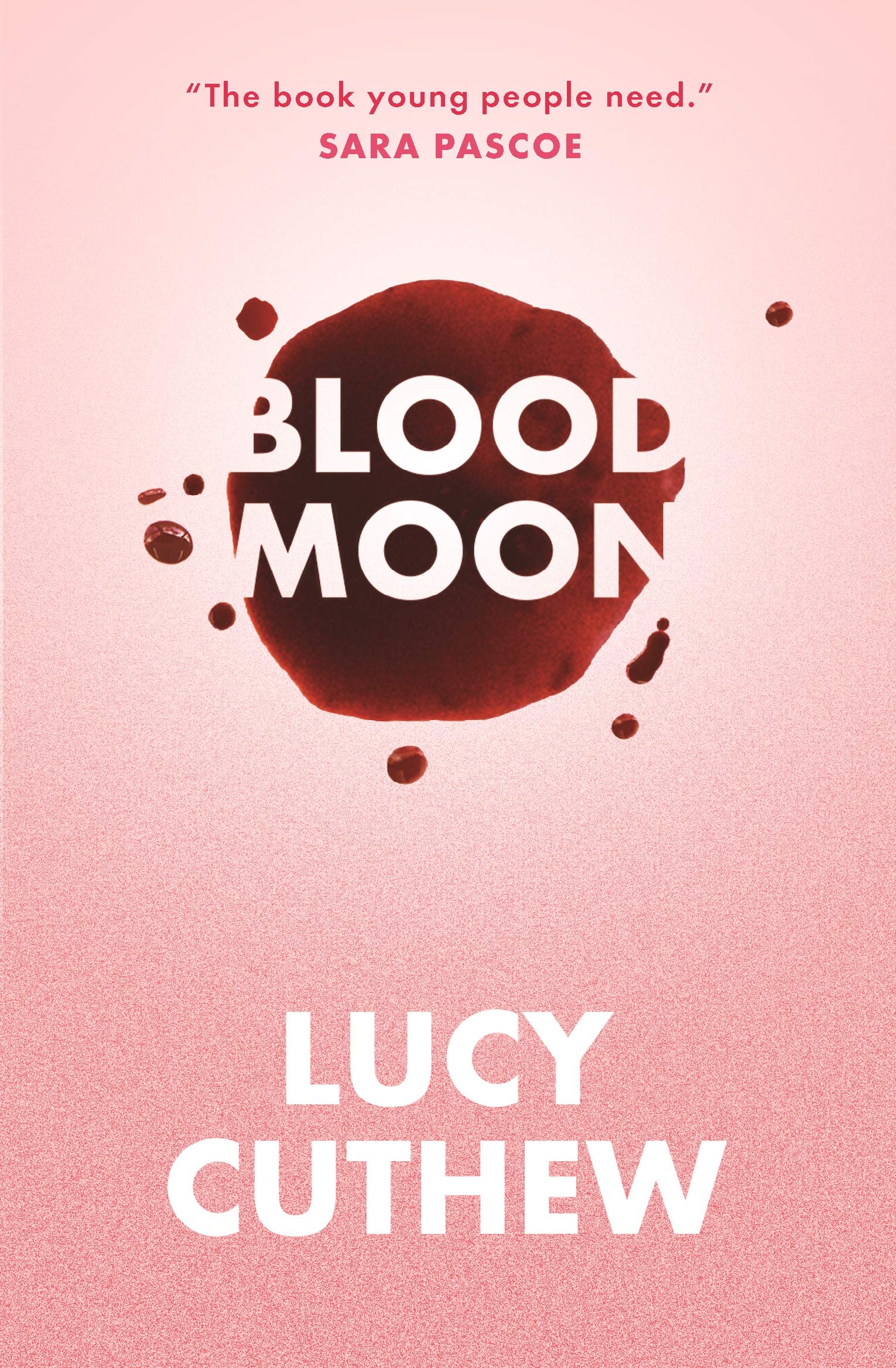
An excellent book which I highly recommend. Blood Moon follows astronomy lover Frankie and her experience of period shaming. During her first sexual experience with Benjamin from her class, Frankie’s period starts. They both agree it’s only blood and it isn’t an issue. The next day it is the talk of the school. Frankie believes Benjamin must have been bragging to his friends. Then a graphic meme goes viral turning their private intimate afternoon into something disgusting, mortifying and damaging. She blames her previously best friend, Harriet, as they recently had a falling out. The online shaming takes on a disturbing life of its own – the meme spreads to other schools, people in town recognise her, she is suspended from her part-time job at the planetarium and she starts to receive abusive and threatening messages. Frankie does not know where to turn or who she can talk to.
The novel is Lucy Cuthew’s debut novel and is written as a poem, which includes messages through social media between friends. Described by Lucy as ‘a verse novel about periods’. There is a very powerful message to all about how people should not made to feel ashamed of their bodies. I found myself laughing and crying along with Frankie as she attempts to navigate her way through the devastation to her life that follows this horrible act of cyber bullying. I particular like the way Lucy puts dialogue and thoughts to the right of the page and friend’s comments to the left and the way she uses onomatopoeic writing to give her words more depth. I also like the metaphor between the forecasted blood moon, which she plans to watch and the turn of events.
The characterisation portrays real teenagers, living very real lives. It shows how friendships can change and teenager’s relationships with their parent’s shift. In my opinion this book should be made essential reading for all pupils to highlight the effects and seriousness of online bullying and would be ideal for discussion in PSHE classes. I look forward to reading Lucy’s next book.
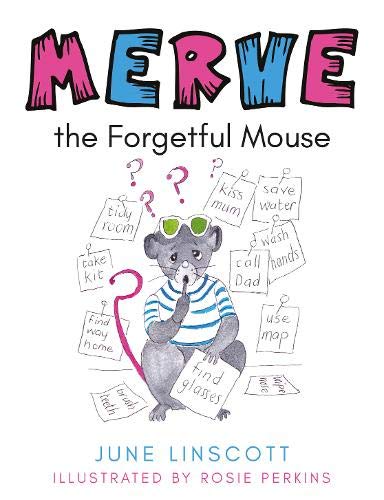
This book is a fun and easy read for young pre-school and nursery children. It is written largely in rhyming couplets this book uses colourful text and different sized fonts to its advantage to create a memorable and heart-warming tale of Merve the Forgetful Mouse and how he forgets his way home. The illustrations are simple black and white drawings with a minimal colour palette that is fun and grabs the reader’s attention.
Merve may be forgetful but he is determined and inventive. It may have been more interesting a plot if Merve did not simply curl into a ball each time to avoid the predators it would have been nice to see other ways of escape.
But on the whole a good use of repetition and contains useful sight words that will encourage emerging readers.
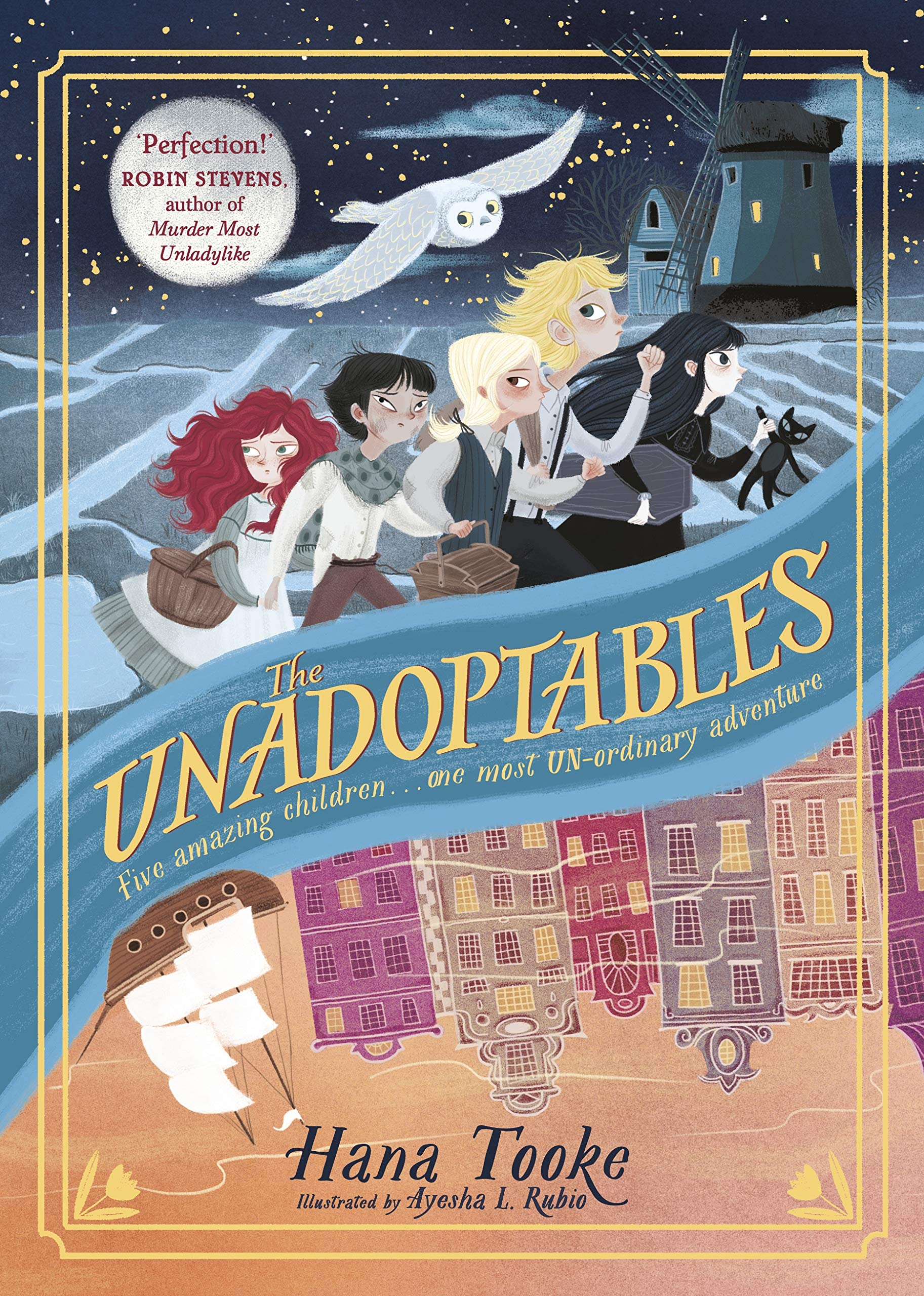
The opening chapters of The Unadoptables is written in the style of Lemony Snickets. It draws you into this unique story, which follows the orphans Milou, Sem, Lotta, Egg and Fenna who were all left at the Little Tulip Orphanage in strange and unusual ways.
Even though they have been described as ‘unadoptable’ the matron Miss Gassbeck because they do not look cute with freckles and pleasant features, each of the children have their own set of special skills that helps them on their adventures. Milou is an amazing story-teller, Sem is brilliant at sewing, Lotta has a fantastic grasp of science, Egg is an expert cartographer and Fenna has a lovely touching way with animals. Hana Tooke creates believable and realistic characters who pull on your heart-strings and carry you away on their epic journey.
Milou believes her parents will return to the orphanage to claim her. Milou finds a beautiful pocket watch hidden inside the cat puppet that was left on the orphanage roof with her. The watch contains coordinates so when they discover Miss Gassbeck, plans to sell all five ‘unadoptables’ to the disreputable Mr R they decide to run away from the orphanage and go to the mysterious coordinates in the hope it may lead them to the truth of who Milou’s parents are and why she was left on the roof of the orphange.
Set in and around Amsterdam during 1886, the five brave and determined children set off through 19th century Amsterdam on an adventure packed with puppets, clock-makers, cruel villains and pirate ships. On the way they discover what it means to have a real home with a real family. There are underlying themes of love, truth and identity.
This is the ideal book for a child to read alone or to listen to in the book corner at story time. The ideal book for any book corner.
This is an exciting picture book all children will want to read again and again, not only those fascinated by dinosaurs. Written mostly in rhyming couplets this dynamic picture book challenges gender stereotypes in a fun way with a hilarious twist at the end.
There is an underlying theme of sibling rivalry, as Maisy is fed up with her brother Ed as he won’t share his toys, claiming his toys are for boys and not for girls, so she conjures up her own female dinosaur the ‘She Rex’ that is just as fierce, strong and loud as any boy dinosaur. In true brother and sister style Ed makes fun of the ‘She Rex’ but Maisy is not going to be out done and proves her dinosaur may be a girl but in no way could it be described as ‘girlie’.
Deborah Allwright’s use of a limited background for the illustrations highlights the colourful dinosaurs and their antics and draws the eye to the characterisation that will capture even the most reluctant readers imagination. I particular like the use of the use of multi-colour for the female dinosaurs rather than one single block colour.
A great book to stimulate discussion at home, or in the classroom, about gender stereotypes and also family relationships. She Rex could also be used to compliment topic work on dinosaurs.
Title: Sky Pirates: Echo Quickthorn and the Great Beyond
Written by: Alex English
Illustrated by: Mark Chambers
Published by: Simon & Schuster
An exciting, fast-paced action adventure starring a determined and feisty female main protagonist called Echo. Alex English weaves an enchanting tale with great characterisation and outstanding world-building skills. The immensely detailed descriptions of Lockhart, Port Tourbillion and the Violet Isles create vivid images of these wildly inventive places. The story had me gripped from the start.
Eleven year-old Echo has grown up believing that nothing exists outside the city walls of the Kingdom of Lockfort – there is only the barren and then the edge of the world. Echo is King Alfons ward as she was abandoned as a baby outside the palace doors. The only clue to her heritage is a small gold and emerald hairpin that was clipped to her baby blanket. To keep everyone safe King Alfons has locked the gates of Lockfort and they will only open when the prophecy has been fulfilled. Echo feels trapped and out of place and wishes there was more.
Her wish comes true when eccentric Professor Mangrove Daggerwing accidently crashes his airship into her bedroom window. He shows her a map full of magical places just waiting for her to explore. Together with her extremely intelligent pet lizard, Gilbert, and the introverted entomologist, Prince Horace who stowed away in the airship, Echo sets off on an incredible adventure to find out who her parents are. On their journey they encounter giant butterflies, mechanical dragons and of course… notorious sky pirates.
Horace and Echo have a brilliant prickly relationship that grows to real friendship. I particularly liked the way the reluctant adventurer Horace develops the courage to stand up for what he believes at the end of the book.
A great escapist book to read alone or to listen to in the book corner or at bedtime. A must read for fans of Peter Bunzl’s Cogheart series. I can’t wait to read what is next in store for Echo Quickthorn.
The Lost Magician is an exciting and unique quest that has significant parallels to C S Lewis’s The Lion, the Witch and The Wardrobe. The story is set in 1945 just after the Blitz in London. Two brothers and two sisters, Simon, Patricia, Evelyn and Larry Hastings are sent to stay with their aunt, Professor Diana Kelly, who lives in Barfield Hall, a large house in the countryside. The book opens with an omniscient narrator who talks directly to the reader, explaining why the children have been evacuated and how they discover the mysterious library hidden in the attic. The reader is then swept along on a phenomenal adventure written from all four children’s point of view.
Larry is the first to venture into the library and the magical world of Folio where he meets a fairy knight called Tom Thumb riding on the back of a butterfly. In true CS Lewis style his brother and sisters will not believe the library exists. Until Eve the more scientific of the children discovers the entrance for herself but where Larry went to the land of the Reads, Eve goes to the non-fiction world of the Unreads which is ruled by the notorious Jana, Secretary of the Unreads whose mission is to rid the world of fiction.
The desire for knowledge and the free-will of imagination are pitted against each other in the epic battle scenes between the reads, un-reads and Never-reads in an eternal battle. The children’s only hope is to search for the magician who created the library but he has been lost for centuries.
This novel highlights why a good range of diverse books are essential throughout the world and demonstrates the importance of libraries to society and the need for more good librarians.
The Lost Magician is a celebration of the importance of reading.





 Much To Do About Writing