Anita Loughrey's blog. This is my journal about my experiences and thoughts on writing. As well as news about me and my books, it includes writing tips, book reviews, author interviews and blog tours.
For more information about me and my books see my website: www.anitaloughrey.com. Follow me on Twitter @amloughrey, Facebook @anitaloughrey.author and on Instagram @anitaloughrey
To celebrate the coronation of King Charles III, I am posting a commemorative book review to mark the occasion.
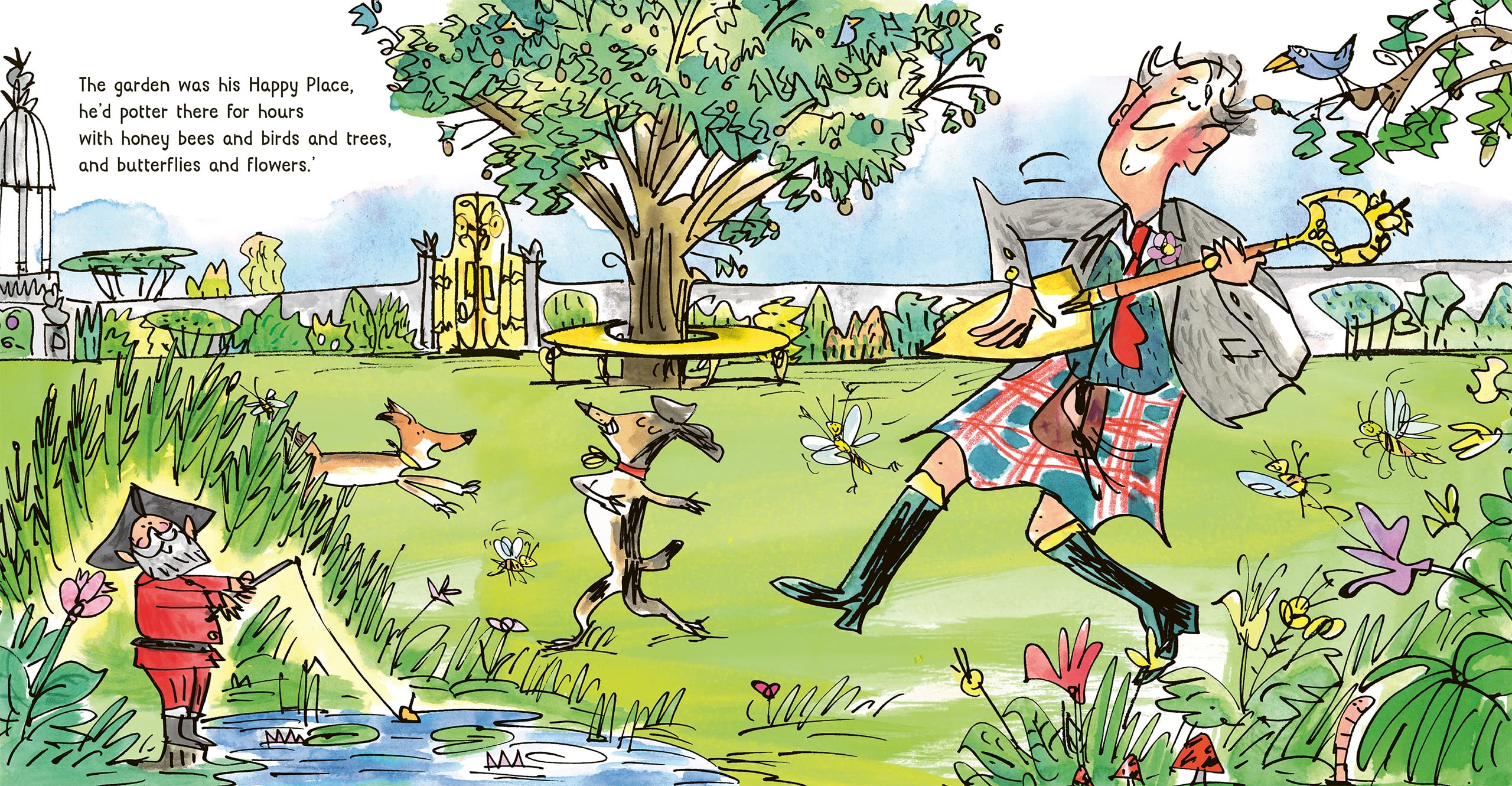
In this fun rhyming picture book, The King’s Hat, by Shelia May Bird and Mark Beech our new King is finding his crown a little heavy to manage. His good friend Tom the gardener explains monarchs must wear all sorts of hats and he must be brave and allow himself to be the king he was born to be. The joyful rhyming text of The King’s Hats will delight little ones as they explore all the roles their king might have to take and the many hats he will have to wear during his reign.
I really enjoyed The King’s Hat because it made me laugh. The rhyming verses are a pleasure to read. I’m sure every child will love listening to this exquisite story published to coincide with the Coronation of King Charles III today, Saturday 6th May. It also coincides with The Big Help Out, designed to encourage a national day of volunteering, which will take place on Monday 8th May and is intended to create a ‘lasting legacy’ for this coronation weekend.
Mark Beech’s glorious and hilariously warm illustrations with a caricature-style are fun and his traditional pen and ink style bring the story to life. I particularly like the illustration of King Charles dancing around the garden in his kilt pretending to play a golden spade as a guitar.
I believe young children will be able to identify and understand the different roles King Charles has to undertake and will enjoy thinking of other hats he can wear on other occasions. In the classroom children will love making and designing their own hats for a particular purpose and could do all sorts of role play using a selection of different hats.
I would recommend this book for all primary school book corners to commemorate this momentous event in British history.
You can buy copies of The King’s Hat by Shelia May Bird and Mark Beech from your local bookshop, or online at uk.bookshop.org, an organisation with a mission to financially support local, independent bookshops.
The Mr Men and Little Miss have been delighting children for generations with their charming and funny antics. Bold illustrations and funny stories make Mr Men and Little Miss the perfect story time experience for children aged two up.
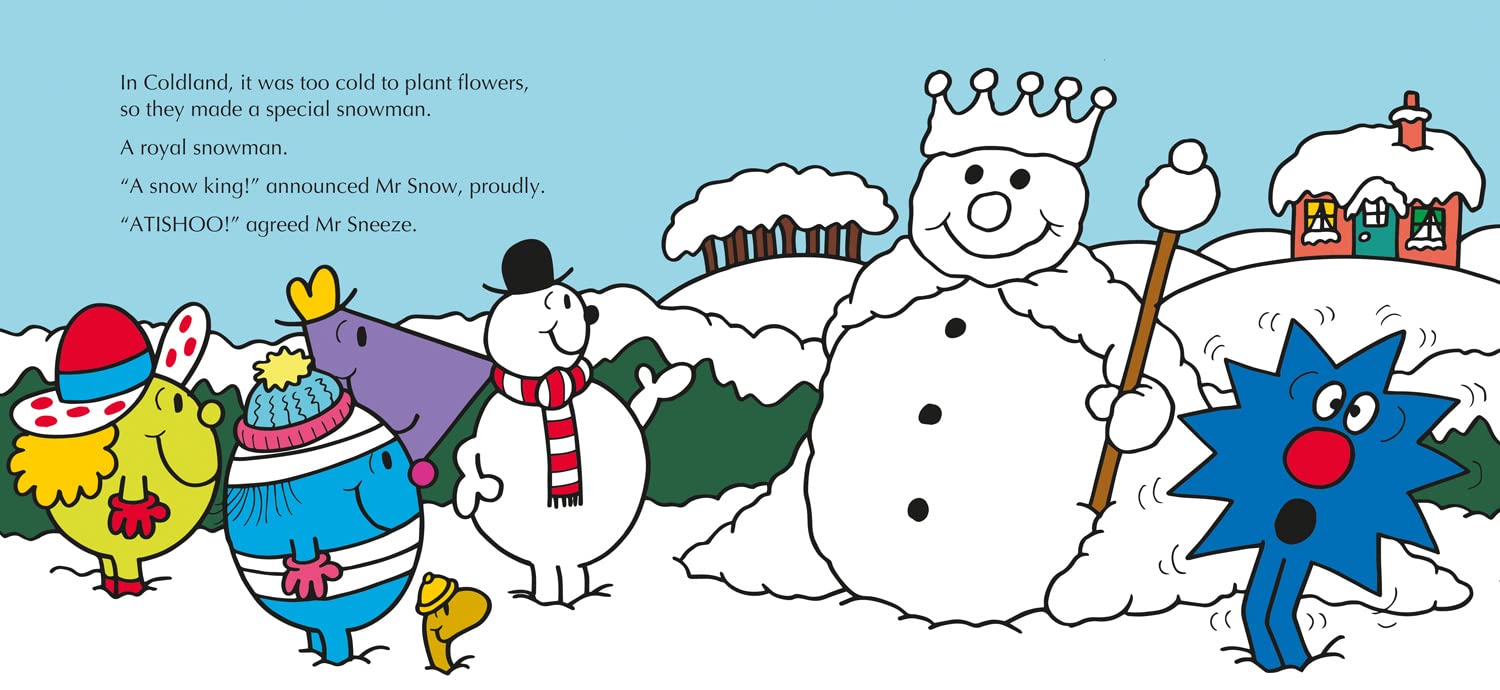
In this charming and funny commemorative edition King Charles III goes on a royal tour of the Mr Men Little Miss world. It’s a right royal giggle from start to finish.
There have been preparations in every land. Everyone is very excited. In Happyland, Mr Happy and Little Miss Sunshine have planted a special flower display, while in Loudland, Mr Noisy and his band have been practising day and night and in Coldland they build a royal snowman.
Finally, King Charles III arrives at Middletown Airport for the Cleverland parade, where Miss Brainy had calculated the exact number of flags that were needed for them to wave. The King’s next stop is Nonsenseland where he looks right at home and the tour continues until he reaches Happyland and the grand gala ball and banquet.
A mad, raucous romp of a book guaranteed to make children squeal with laughter.
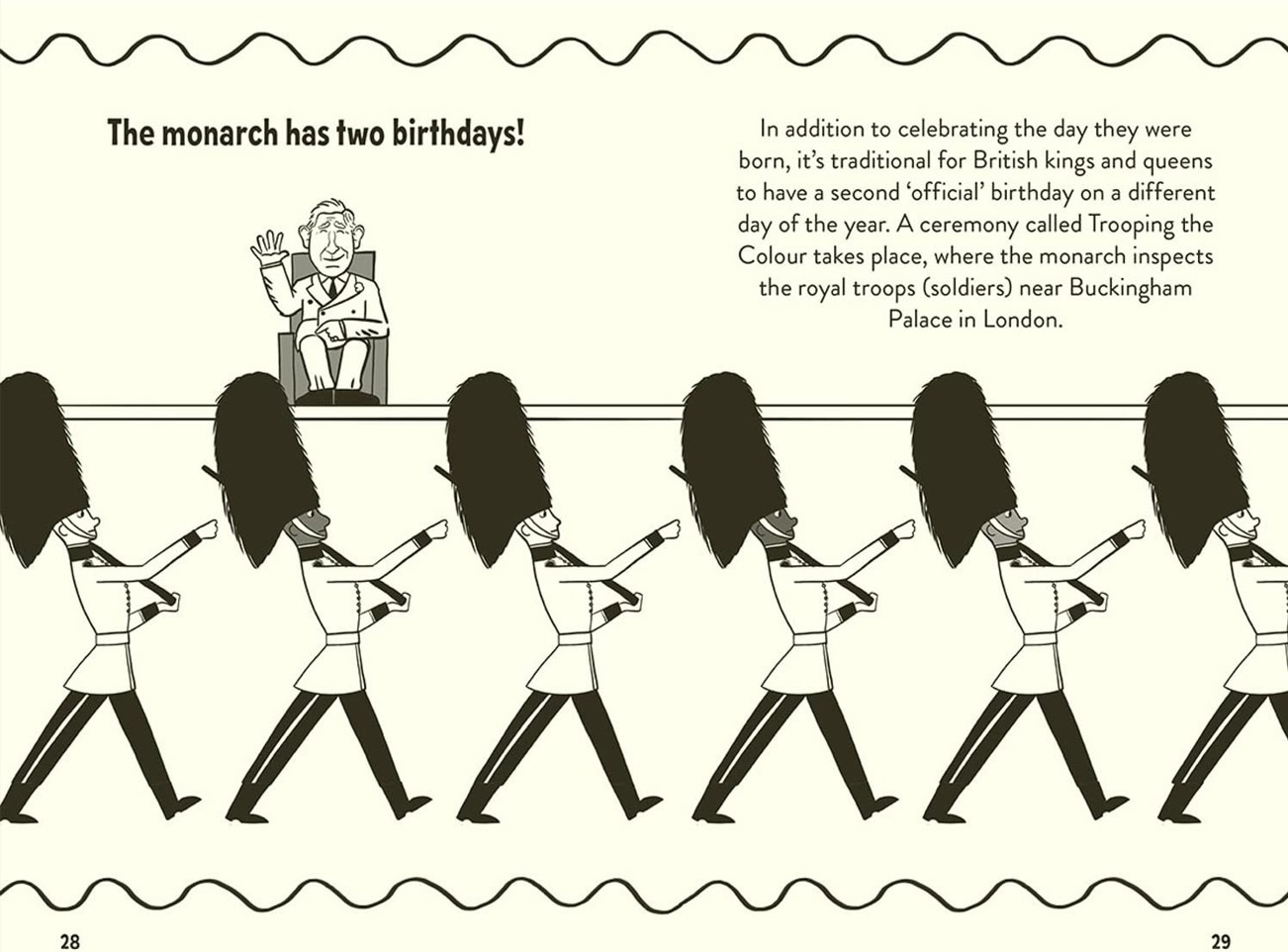
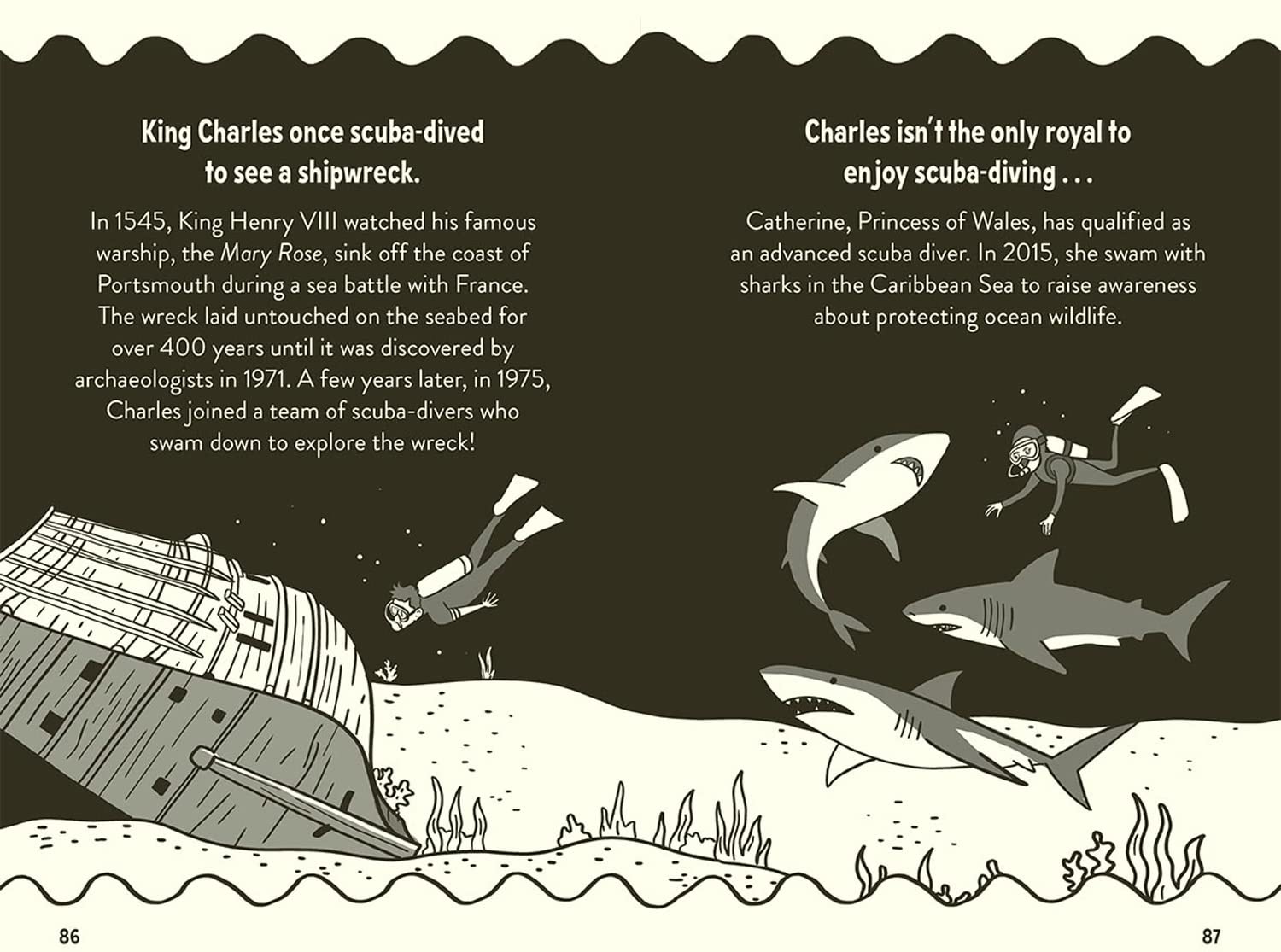
Celebrate the coronation of King Charles III on Saturday 6th May with this fascinating book packed with over 100 extraordinary and enlightening facts on the royal family, ranging from King Charles III birth to his appearance on Coronation Street.
These bitesize facts are delivered with humour and charm in this fun fully-illustrated book. Discover Charles is passionate about the environment, he was the first royal to go to school, Charles is a member of the Magic Circle and he does not need a passport whereas other members of the royal family do.
It is an entertaining read, easy to dip into and the ideal book to read on the day of King Charles III’s coronation. Great book for class book corners.
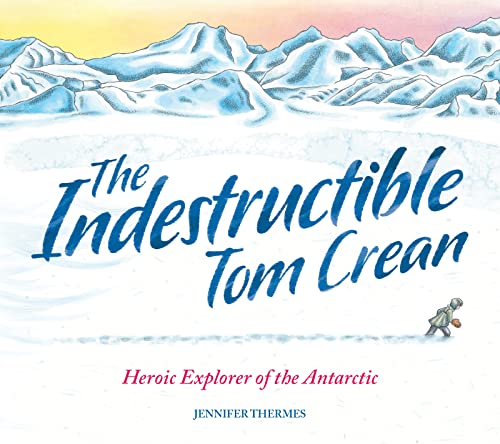
Title: The Indestructible Tom Crean Heroic Explorer of the Antarctic
Written and Illustrated by: Jennifer Thermes
Published by: Welbeck Publishing
The Indestructible Tom Crean Heroic Explorer of the Antarctic is a superb creative nonfiction picture book full of facts and information that will excite the imaginations of all young explorers. It recounts the incredible, gripping true stories of the Irish born explorer Tom Crean during his three treks to the Antarctica on the Discovery, Terra Nova, and Endurance expeditions. Each journey was laden with dangers from frostbite, hypothermia, loss of both human and animal companions, malnutrition and starvation. Tom Crean’s heroic acts of courage, perseverance, and teamwork is an inspiration to children of all ages.
The use of the present tense gives the text an immediacy I feel young children will enjoy. Jennifer Thermes makes excellent use of both graphic novel style panels and picture book techniques to keep the reader turning the pages. Her maps and dramatic illustrations were created using watercolour, coloured pencil, and salt. It would be fascinating to know how the salt effects the watercolour coloured pencils. Working with a limited palette to portray the Antarctica her artwork adds atmosphere and drama that encapsulate the perilous conditions Tom Crean and his companions would have encountered.
At the back of the book Jennifer lists some of the sources she used in her research which will inspire children to do their own research to discover more about the south Pole and the expeditions that took place. I like the inclusion of a timeline, vignettes of some of the animals you would find in the Antarctica and some fun facts to get the children’s creative juices flowing.
This book would be ideal for teachers to read to support a key stage one topic on the lives of significant individuals in the past who have contributed to national and international achievements.
You can buy copies of The Indestructible Tom Crean Heroic Explorer of the Antarctic by Jennifer Thermes from your local bookshop, or online at uk.bookshop.org.
It is with great honour I am hosting Kate Peridot for the last slot of her book tour with her first non-fiction book Caring Conservationists Who Are Changing Our Planet, published by Walker Books.
Conservation is something dear to my own heart and more and more children today are becoming passionate about caring for their environment. I am a volunteer at my local BBOWT nature discovery centre where I do activities with groups of children on different aspects of nature and conservation, so I am particularly excited about being able to interview Kate about Caring Conservationists.
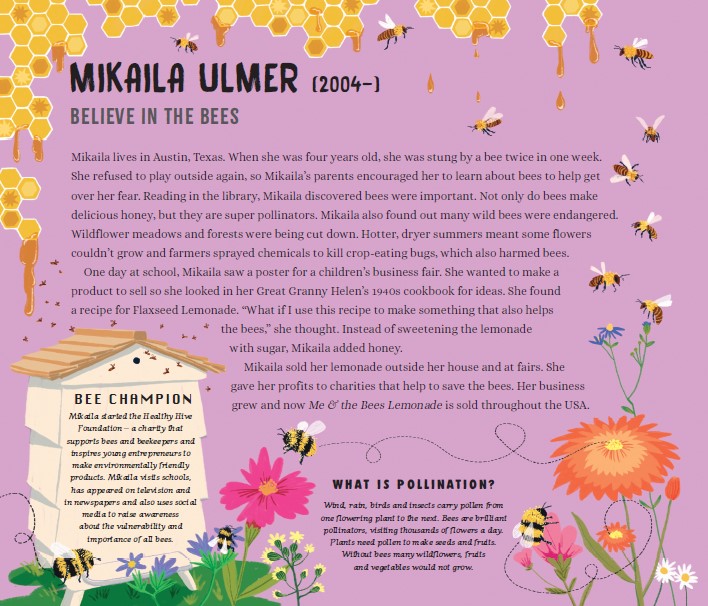
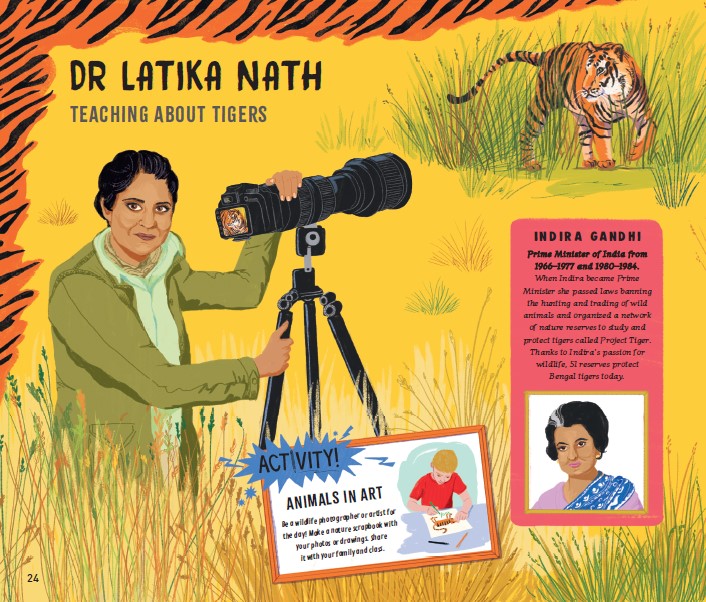
In Caring Conservationists Who Are Changing Our Planet, Kate Peridot takes us on a whistle stop tour around the world to discover the stories of 20 conservationists and the endangered animals they are campaigning to save, including the blue whale, great panda, honeybee, the last kākāpō, and the sea turtle. Sarah Long’s bright vivid illustrations capture the heart of the conservationist and the endangered animal.
This is a cleverly designed book full of inspiring facts about a wide variety of diverse conservationists and the endangered animals they are campaigning to save. The activities are fun and engaging I am sure young children will be eager to build a bug hotel, draw a campaign poster or make their own nature documentary to name but a few.
This vibrant non-fiction book is positive, uplifting and packed full of information, with 20 fun activities for children to try, this book will show children no one is too small to make a difference.
Useful for use in the classroom to support work in the science programme of study for – Key Stage One and Key Stage Two, in particular, Working scientifically and Living things and their habitats. The ideal book to buy to keep your children active and happy during the holidays.
The author, Kate Peridot, writes both fiction and non-fiction children’s books. Originally from London, she now lives with her family in the South of France. She writes wild and adventurous stories about animals, people and STEM that encourages a can-do spirit, a quest for knowledge and a sense of adventure. A further nine books non-fiction books are in production launching between 2023-2025.
********
Thank you, Kate, for agreeing to be interviewed as part of your blog tour about your recent non-fiction book, Caring Conservationists who are changing are planet.
What was your inspiration to write a non-fiction book for children about the high-profile people involved in conservation and the endangered animals they are trying to save?
I live in the South of France and the impact people have on nature is more visible day to day than in the UK. I’ve stood on a melting glacier in the Alps, seen coastal pollution from tourism, and we’re in the second year of a drought. Despite a semi-arid climate, I’ve created a garden from scratch and slowly watched the animals move into the hedgerows and flower borders and it’s been really rewarding to watch a mini eco-system develop. There are bats, dragonflies, swallows, and giant toads that eat the mosquitos. Fireflies hide in the hedgerows and pine martins and wild boar steal our fruit! Nature, when given a helping hand, knows exactly what to do. Conservation is both a global issue but also a personal one. Children love animals and being out in nature. They want to understand and help, and I wanted to show them there are lots of people who feel the same way and are making a positive difference.
How did you decide which conservationists you would choose for your book, Caring Conservationists?
Charlie, the editor at Walker Books, and I agreed we wanted to feature mostly conservationists who were working within their own communities or protecting animals in the country where they grew up. Conservation often starts at home and children would identify with this. We also aimed to have a conservationist from every continent, protecting very different animals and also doing different types of conservation work. There is sustainable farming, growing super corals, rewilding, a park ranger, raising awareness of climate change and lots more.
The conservationists are as young as 4 years old and as old as 96! There are also a few famous conservationists from the recent past, such as Gerald Durrell and Jacques Cousteau, who inspired others to follow in their footsteps. Their charitable organisations continue to inform and train the next generation of conservationists.
Why is it important to raise awareness and educate young children about global conservation?
Children are naturally curious and will have their own favourite animal or two. I’ve included different conservation challenges and types of conservation jobs. In the media, the activism side of conservation often dominates and unfortunately, can be seen negatively, but that is only a small part of conservation work and there are a lot of quiet conservation projects where individuals and communities are making a big difference. This book shows children there are many ways to help nature and they can decide what they want to do. It can be as small as making a bug hotel out of bamboo straws, leaving water out for hedgehogs in the summer, learning about endangered animals nearby, or getting involved in school tree-planting projects.
Tell us a little about the format and activities in Caring Conservationists?
Children love non-fiction books because they can open a page and read bite-sized snippets of text almost in any order and dip in and out of any page. This makes fact-based books super appealing for a range of ages and reading abilities. On each page, we have the conservationist’s story as a narrative, and then there are short fact boxes about the animals. There’s another story box about the conservationist’s legacy as an animal champion, plus an activity too. Sarah, the illustrator, has done a wonderful job capturing the likeness of the conservationists, the animals and creating beautifully themed borders. There’s so much to look at on each page.
Do you have a favourite activity in the book?
That’s a difficult one, there are 21 to choose from. Thinking back to my 7-year-old self, I would have loved to make the reef collage or local wildlife scrapbook. I loved art! I would also have wanted to make a den with my brothers to watch out for any animals that flew or crept into our garden from the woods behind our house. If we were allowed to camp out after dark, even better!
Did you have any writing rituals whilst writing Caring Conservationists? Tell us a little about your writing process.
In every conservationist story, I looked for the moment the conservationist knew they had to do something to help, and I wanted to capture that hope and positivity. I don’t have any writing rituals as such, it’s mostly me in my quiet office with my notes and computer. I do about 2 hours then stop for a break. Otherwise, I just keep going each working day until the story and facts work together and the manuscript is ready for the editor to edit and the illustrator to draw.
How did you do the research for Caring Conservationists?
The majority was desk work, and some great information was supplied by the conservationist’s charitable organisations. I also visited St Tiggywinkles Wildlife Hospital in Buckinghamshire, founded by Les Stocker and his family, which has a visitor centre and the Oceanography Museum in Monaco, which was originally curated by Jacques Cousteau. This had the history of Jacques’s work, and his submarine, which features in the illustration, and also information about coral reefs, blue whales, melting polar ice caps and actual sea turtles swimming around. There’s also a zoo nearby for endangered animals which has New Zealand’s vulnerable flightless birds and some very noisy leaping lemurs, all of which make an appearance in the book.
Is there anything else you would like to tell readers about your books and writing for children?
I have two more animal books launching this spring/summer.
My Animal Family is available from 4th May, illustrated by Nick Jones, and published by DK and is for children of 6+ years. There are 15 animal families in the book and an animal from each family tells their story of family life. Discover who’s the boss, who looks after the babies, and who’s in charge of getting the dinner. Children can compare each animal family to their own family and choose their favourite.
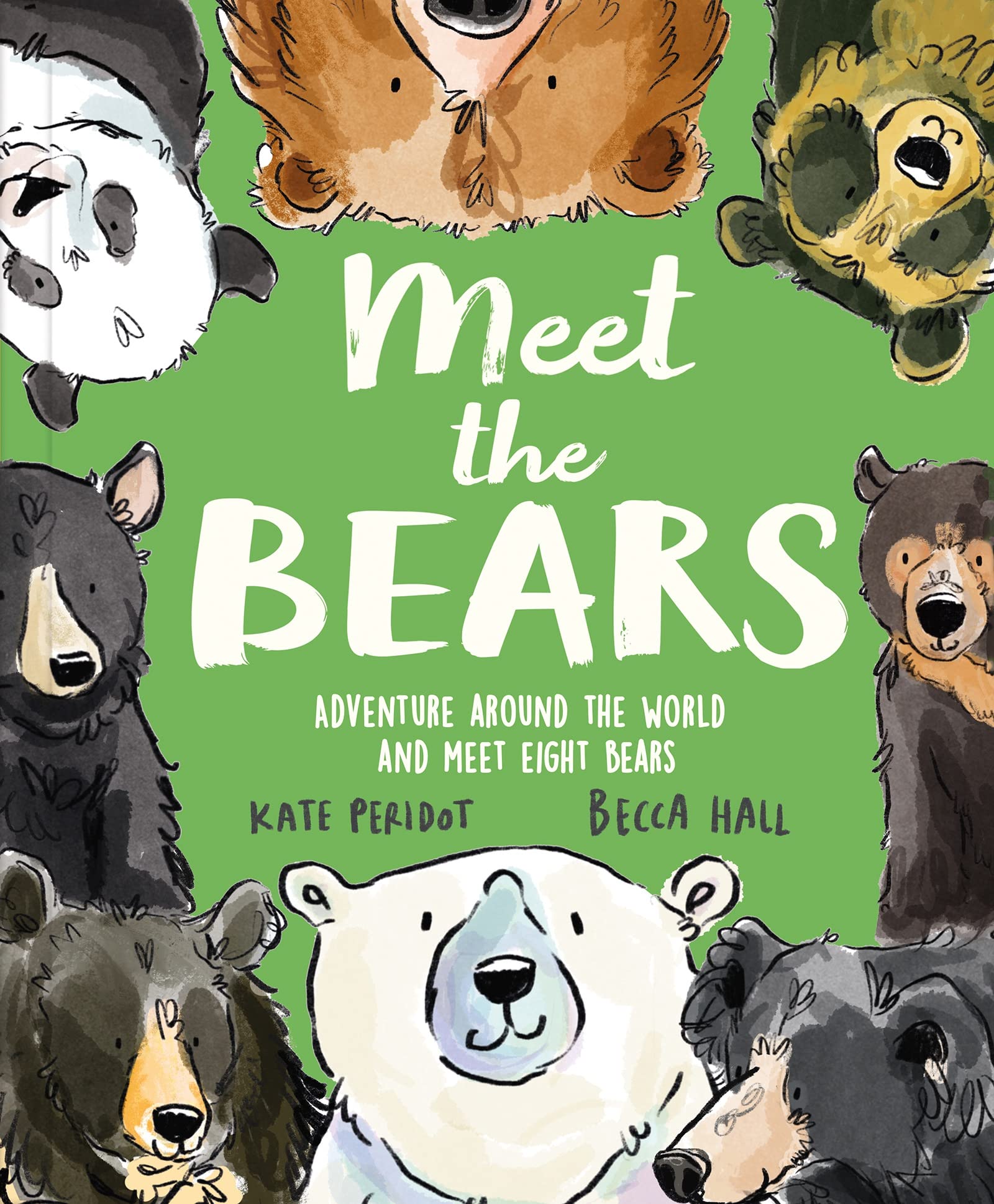
Meet the Bears is for all bear lovers, whether that’s real bears or teddy bears! It’s illustrated by Becca Hall and published by Welbeck and for 4+ year-olds. It’s available from the end of June. Pack your teddy and join an around-the-world adventure to meet the world’s eight species of bears. From polar bears to giant pandas, from spectacled bears to the Asiatic moon bears. Which bear family does your teddy belong to?
And I have further animal and STEM books in the illustration stage which will be out next spring.
Wow! This is all so interesting. Thank you Kate for being so generous with your time in answering my questions. I look forward to seeing many more of your books on the shelves.
You can purchase Kate’s books books from most independent booksellers or online from uk.bookshop.org, an organisation with a mission to financially support local, independent bookshops.
To take a look at the other stops on the tour check out the tour schedule:
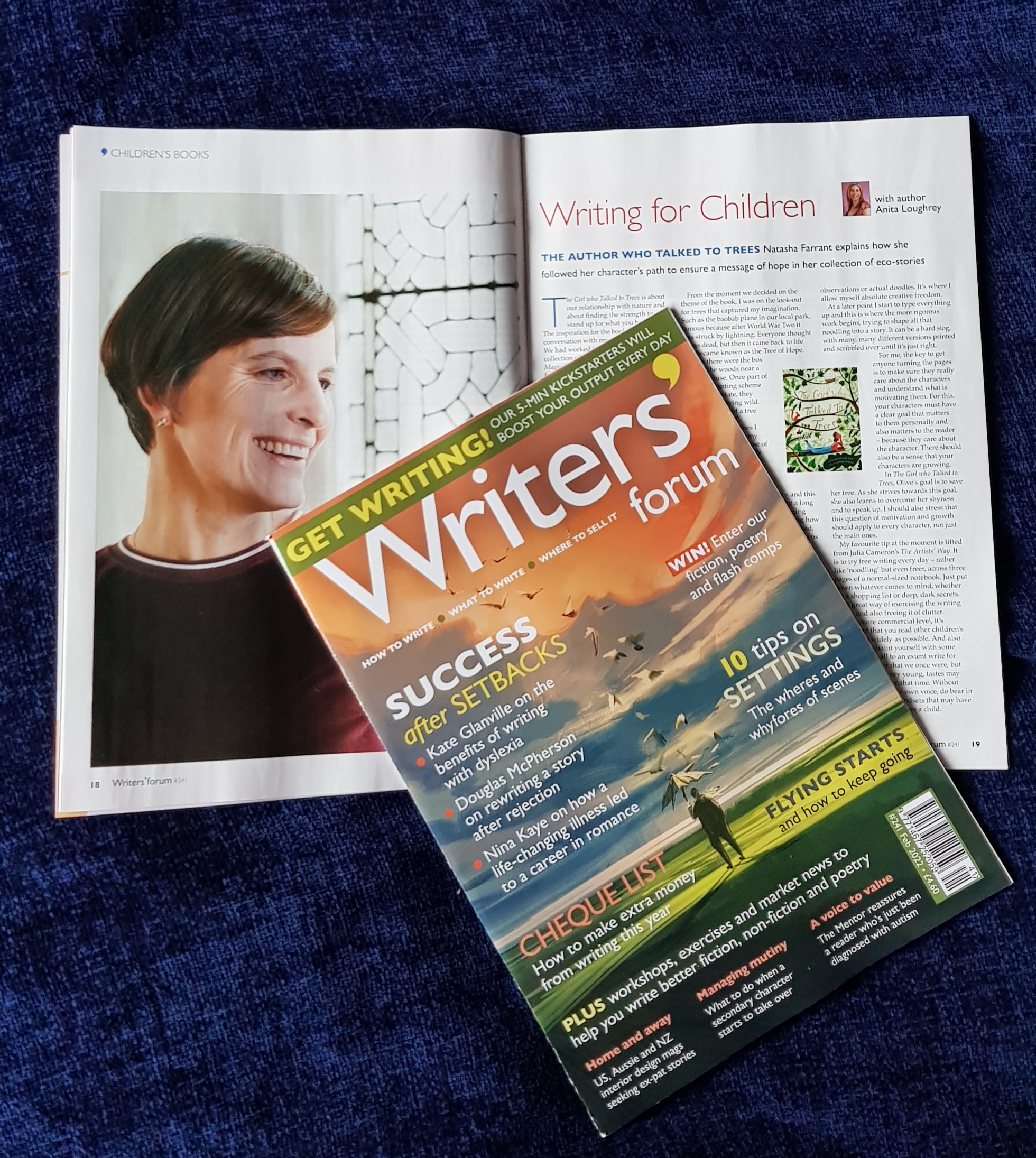
When I interviewed Natasha Farrant for issue #241 20 Jan 2022 of Writers’ Forum, she explained how she ensures there is a message of hope in her books for children.
At a fundamental level, The Girl Who Talked To Trees is about our relationship to nature and about finding the strength to stand up for what you believe in. The inspiration for the book was born of a conversation with her publisher at Zephyr. They had worked together on another collection of stories, Eight Princesses And A Magic Mirror and were thinking of ideas for a new book along a similar format. For a long time she had been thinking about how to respond creatively to the climate and ecological crisis.
She said it is so difficult to know how to do this for children – at an existential level, how do you balance the magnitude of the crisis with hope for the future? One of Natasha’s publishing friends suggested to do it through myth and fairy tale, and that really struck a chord with Natasha.
“I knew I wanted to write about the crisis but I also knew I wanted a book that would give hope for the future. I’m not saying trees are going to get us out of this mess, but they are a key part of the jigsaw – and such a relatively simple part.”
Natasha Farrant
She continued there are two elements to the book: the major element is the stories themselves, but each story is introduced by a number of science facts. Natasha feels stories are such a powerful force in bringing about change, but without the science we’ll get nowhere.
As with all her books, though the themes are serious and the starting point in this case was so huge, the overall aim remained the same: to tell stories which would captivate and transport. She spent a long time thinking about Olive and getting to know her, wondering what traits I could give her that children could identify with.
So:
‘She was clever and kind and intensely shy and her best friend was a four-hundred-year-old oak.’
Extract from The Girl Who Talked To Trees
Which fits, because:
‘When you are so shy you dare not even look at anyone in case they want to talk to you – or worse, want you to talk to them – a tree is a very sensible choice for a friend.’
Extract from The Girl Who Talked To Trees
From the moment they decided on the theme of the book, Natasha was on the look-out for trees which captured her imagination, like the baobab plane in our local park, famous because after World War Two it was struck by lightning. Everyone thought it was dead, but then it came back to life and became known as the Tree of Hope. Then there were the box trees in the woods near one of her friend’s homes. Once part of a formal planting scheme on a grand estate, they were now growing wild. Natasha liked the idea of a tree that had escaped.
Natasha revealed she prefers to write long hand, using a refillable fountain pen (no throwaway plastic) her husband bought her as a gift twenty years ago. She uses extra-large Moleskine notebooks because she likes their paper, and few things give her greater pleasure than the sensation of ink gliding across those smooth pages.
“This is a serious point: writing is hard, so it’s important to make those bits I can control as pleasurable as possible.”
Natasha Farrant
The notebook writing is for doodling, or as a fellow writer calls it, noodling. Natasha sets herself a goal of three pages a day for a first draft, and tries not to think too much about what she is writing so it is more like exploring, free to go in any direction she desires. She writes on the right-hand page, leaving the left-hand page free for notes, observations or actual doodles. She allows herself absolute creative freedom.
At a later point she starts to type everything up. Natasha claims this is where the more rigorous work begins, of trying to shape all that noodling into a story. This can be a hard slog, with many, many different versions printed and scribbled over and retyped until it’s just right.
For Natasha, the key to get anyone turning the pages is to make sure they really care about the characters and understand what is motivating them. For this, your characters must have a clear goal, that really matters to them personally and – because they care about the character – also matters to the reader. There should also be a sense that your characters are growing.
In the case of The Girl Who Talked To Trees, Olive’s goal is to save her tree. As she strives towards this goal, she also learns to overcome her shyness and to speak up. Natasha stressed this question of motivation and growth should apply to every character, not just the main protagonists.
Natasha said, if you want to write for children, it’s important that you read other children’s authors as widely as possible. And also that you acquaint yourself with some children. We all to an extent write for the child reader that we once were, but unless you are very, very young, tastes may have evolved since that time. Without losing sense of your own voice, do bear in mind trends and mindsets which may have changed since you were a child.
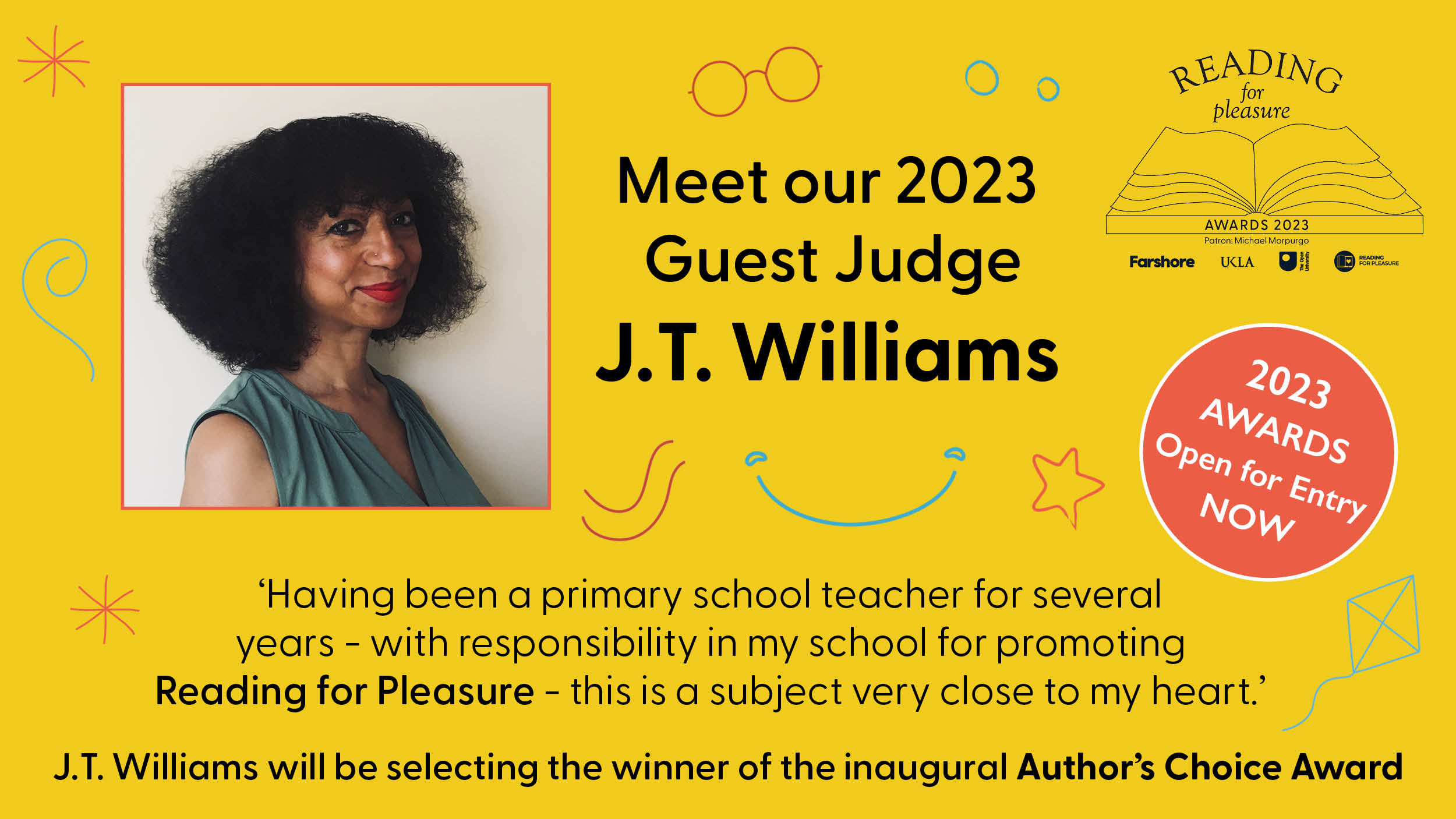
I am excited to be able to help promote the Farshore Reading for Pleasure Teacher Awards 2023, in association with The Open University and the UK Literacy Association (UKLA). These awards are now open for entries. The Awards celebrate how teachers have found innovative ways to inspire reading for pleasure in the classroom.
Farshore’s purpose is to make all children proud readers through our broad portfolio of inclusive, child-friendly books. To that end, we celebrate teachers who successfully promote and encourage children’s reading for pleasure, both within and beyond the school setting. They are collaborating with the Open University and the UK Literacy Association, who work together to research the significance of teachers being readers and identify ways to build reciprocal and interactive communities of readers. Both organizations are keen to profile and develop research-informed professional practice in this area.
The Award Categories are: *Early Career Teacher (0-3 years in teaching) *Experienced Teacher (3 years plus) *Whole School *School Reading Champion (e.g. Librarians/other educators) *Community Reading Champion (immediate and/or wider community, from local area to local authority)
Submit your case study for an opportunity to be recognised by experts in children’s reading for pleasure.
DEADLINE: Midnight on Monday 5th June 2023.
The Award winners will be announced on Wednesday 18th October 2023 at the OU/UKLA Reading for Pleasure conference (or online) with the winner from each category receiving Farshore books to the value of £250 and 20 copies of Help Your Child Love Reading by Alison David.
The competition will be judged by:
– David Reedy, UK Literacy Association – Joy Court, Co-founder: All Around Reading – Teresa Cremin, Professor of Education, The Open University – Alison David, Consumer Insight Director, Farshore – Fiona Evans, Head of Schools Programmes, NLT – Cally Poplak, Executive Publisher, HCCB and Farshore
Entry Criteria Submit a research-informed case study on how children have been encouraged to read for pleasure. It’s important to show context and the research that has inspired you. The research you refer to can come from any source (including OU, UKLA, Farshore and wider). Show your rationale, aims, outline of what you did, evidence of impact and finally your reflections.
The judges will pay particular attention to the following strands of the submission: 1.1) The importance of teachers’ knowledge of children’s literature and other texts. 1.2) The importance of bringing in wider voices and genres in recognition of the need to improve diversity and inclusivity. 1.3) The importance of a child’s free choice of reading material and of offering a range of texts to engage their interest, be it classics, series fiction, graphic novels, picture books, comics and magazines, funny books, factual books etc. 2) The importance of reading aloud to children and its role in promoting children’s motivation and their independent reading for pleasure. 3) The importance of building communities of readers by working with parents/carers:
To promote the value of reading for pleasure
To support them in reading to their children
To establish reading for pleasure as a joyful and regular occurrence at home.
Top Tips From the Judges:
Follow the guidance.
Don’t go over the word count!
Select photos carefully, choosing only those that demonstrate your work.
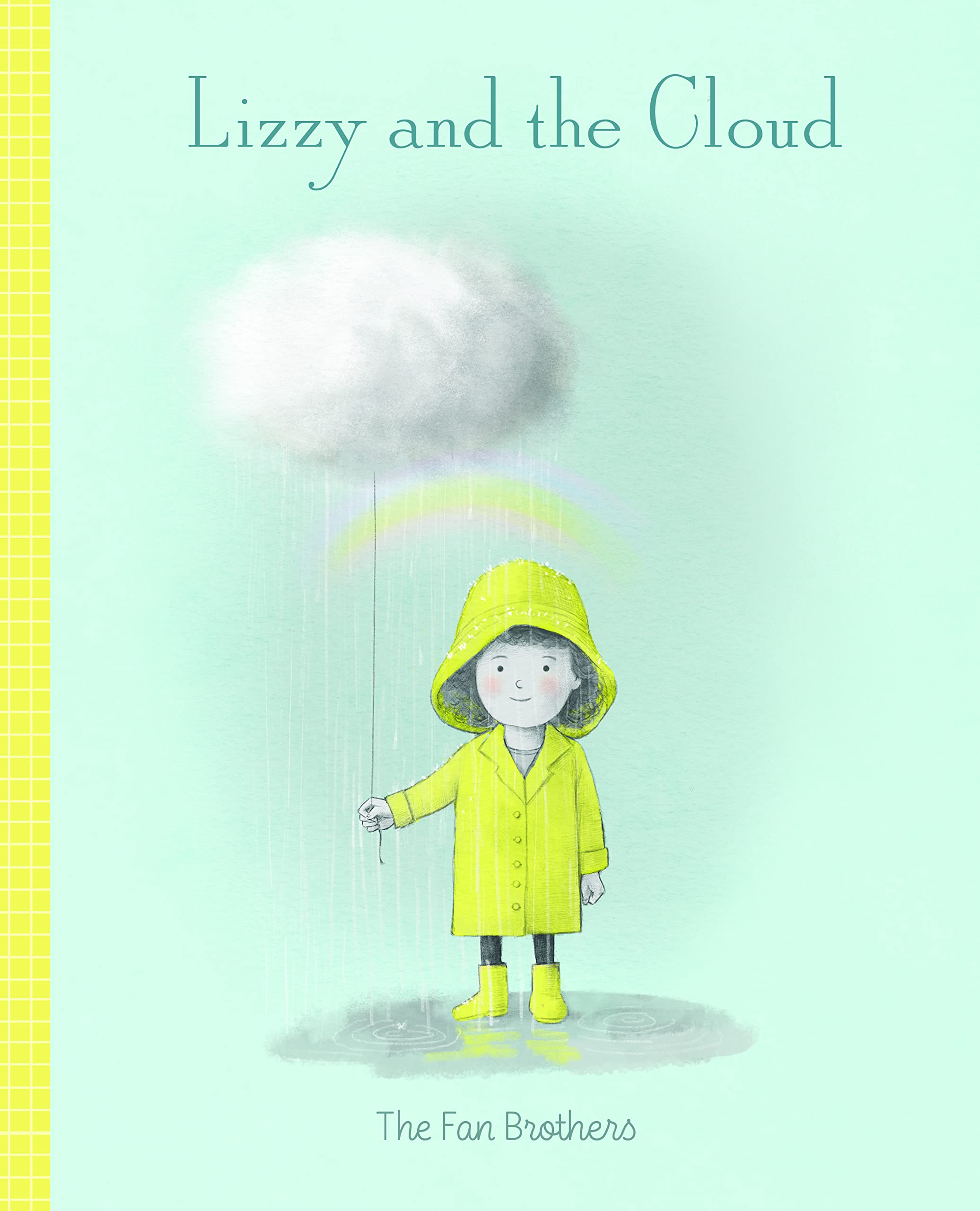
Brothers, Eric and Terry Fan, have collaborated to produce this well plotted and elegantly executed picture book resulting in a magnificent timeless work of art children will cherish.
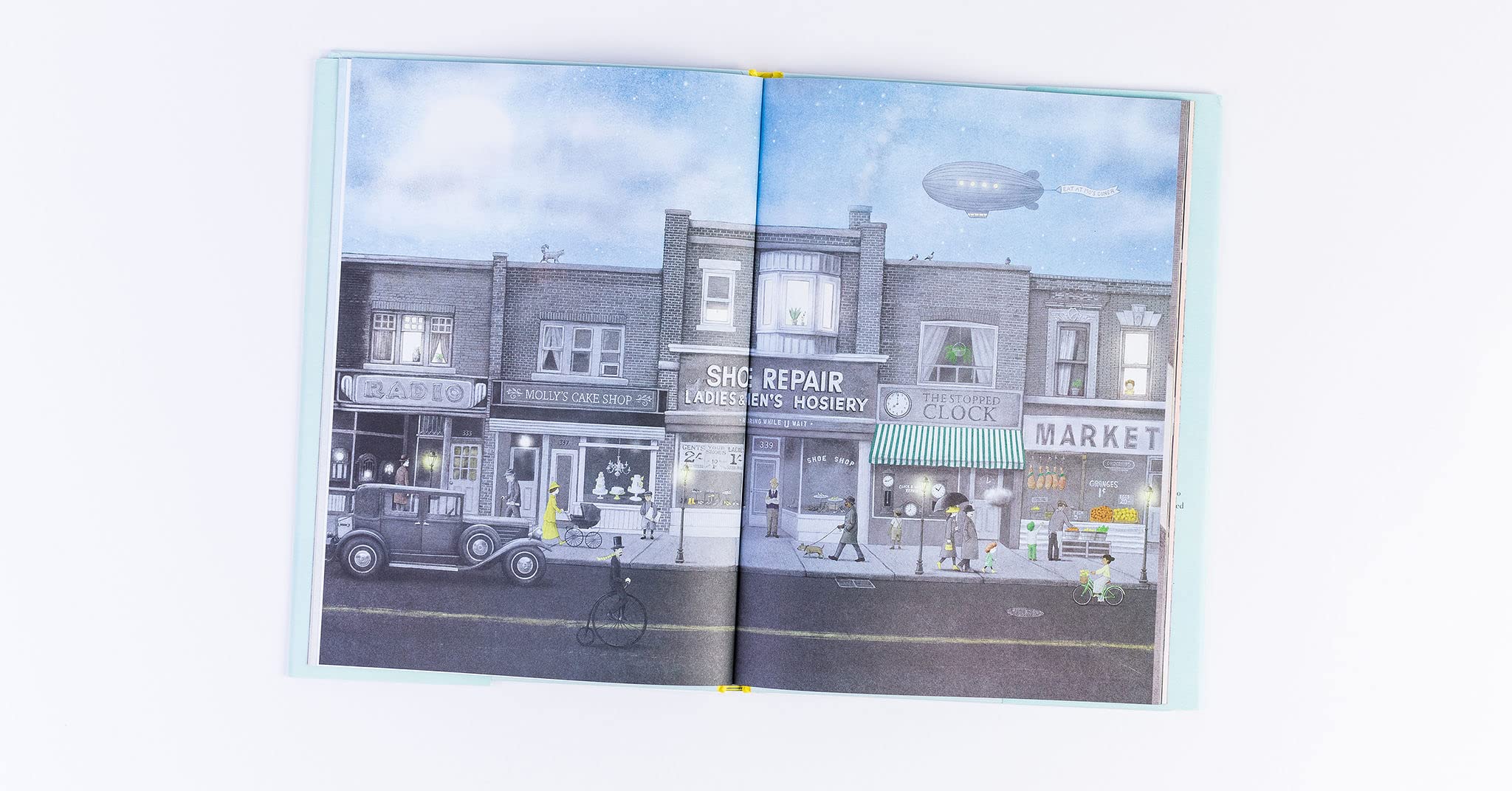
In a few words the Fan Brothers have created a well-rounded character who the reader can empathise with. We feel Lizzy’s joy when she buys a cloud from the cloud seller and names it Milo. In the beginning she follows all the rules that came with the cloud but in her desire to keep the cloud forever she starts to ignore the last rule. The cloud soon becomes too big for her room and we feel her dilemma as she has an important decision to make. At the end of the book she adds her own rule to the list she received when she bought Milo.
The subtle illustrations use a limited colour palette on a mostly grey backdrop. The little details will keep young readers enthralled, such as the detail in the park, the way cloud gradually changes from a fluffy white to dark grey, the rainbow each time it rains and the different shops in the street.
In the classroom, Lizzy and the Cloud, could be used to discuss loss and letting things go, such as anger, frustration, bitterness and accepting change.
This is a book to explore and treasure with a beautiful message young children will be able to relate to.
Here is a video of the book being read with an introduction from the Fan Brothers produced by Simon Kids:
I previously reviewed this book for the online book review e-zine, Armadillo Magazine.
I’m thrilled to welcome Andy Seed to my blog today for the next stop of his Interview with Black Beard and Other Villains blog tour.
Interview with Black Beard and Other Villains is a creative non-fiction book illustrated by Gareth Conway and published by Welbeck Children’s Books. Perfect for fans of the Horrible Histories books, this series offers a fun, fresh take on history, featuring true stories from historical figures from across the world.
Readers can discover more about 10 famous villains who take a quick break from dastardly deeds to answer all sorts of (very nosy) questions about their actions and unique perspectives. Are they as wicked as we’ve been led to believe? Will Andy make it out alive? Discover the good, the bad, and the unexpected as each villain reveals the truth about their lives – and attempts to find out about the future.
In this fun and fact-filled book, bite-sized text in a question-and-answer format is paired with engaging illustrations, perfect for reluctant readers and humour-seeking history fans. Featuring interviews with Blackbeard, Ivan the Terrible, Nero and more – plus bonus facts about the time period and its events.
Andy Seed is a prolific author who writes for both adults and fiction, poetry and fun information books for children full of facts, figures, lists and true stories. He likes making things and his favourite food is cheese. He believes the world would be a better place if more people read more books. He is a Blue Peter award-winning author, based in Gloucestershire. He is the author of the popular Q&A Animals series: Interview with a Tiger and Other Clawed Animals Too, Interview with a Shark and Other Ocean Creatures Too and Interview with a Kangaroo and Other Marsupials Too.
My stop on the tour will take the form of an author interview question and answer style just like the book.
********
Hi Andy,
Welcome to my blog. I must say a creative non-fiction book written up as interviews is such a great concept for a fact-filled children’s book. I wish I’d thought of it. You have been interviewing all these villains and now it is my time to interview you.
Please tell us a little about yourself and the inspiration for your book Interview with Blackbeard and Other Vicious Villains.
Hello! I’m the author of over 30 factual books for children and love to add a dash of giggle to the things I write. I live in a forest, which is handy because I write about wildlife a lot, and my other big interest is history. The past is a rich and bottomless bubbling well of remarkable people and strange happenings!
Interview with Blackbeard was inspired by the popularity of the series of animal Q&A books I have written for Welbeck beginning with Interview with a Tiger. I thought, if I can build a machine to enable me to chat to animals then why can’t I twiddle a few circuits and turn it into a time machine? It wasn’t easy but, it’s amazing what you can do with a some spare coat hangers and a Swiss Army Knife…. So, now I talk to anyone from the past. Nice.
Why did you decide to write a book about villains for children?
Villains do all the really bad things that most of us would never dare to do (because our mums would be FURIOUS). And they cause a lot of trouble. Trouble is interesting! There are plenty of well known baddies in history but also lots of really nasty people that we mainly don’t know – my book features a mix of the two. In an interview you can of course ask villains why they do the big bad crimes and it’s interesting to see things from their point of view.
Which of the famous villains in your book is your favourite and why?
I like Victor Lustig as a character because he was a clever trickster who sold the Eiffel Tower twice! Of course he didn’t own the tower but he was good at pretending he did, and he made a lot of cash out of it. But I think my overall favourite maybe the Chinese pirate Zheng Yi Sao. She was probably the most BOSS buccaneer in history. She led a fleet of 226 robber boats and had 17,000 pirates under her command at the age of just 30! OK, she did cut off my arm during the interview but I went back in time and managed to return with it still intact, hehe.
How do you keep the children turning the pages?
Ask good questions, make it fun, be a bit cheeky toward famous people and present the real facts of their lives in story form, picking out some juicy snippets. It’s an enjoyable way to bring history alive.
Do you have plans to write any more books in the same Q&A style as Interview with Blackbeard? If so, please tell us a little about them?
Yes! There is already Interview with Cleopatra and other Famous Rulers, but in the pipeline is Interview with Vincent Van Gogh and other Great Artists. We meet the top talent from the world of painting and they have some zinging tales to tell!
I like quiet and so I write at home but when it’s warm I sit outside on the patio in our garden which is next to a babbling brook. I can listen to the birds singing and our cat demanding food. I am very much an outdoors person.
Thank you Andy for agreeing to be interviewed as part of my blog. It has been great interviewing you. I hope you enjoyed being the interviewee rather than the interviewer for a change.😊
********
To find out more about Andy Seed and his book you can look at his website is www.andyseed.com and follow him on Twitter at @andyseedauthor.
You can buy copies of Andy Seeds books from most independent booksellers or online from uk.bookshop.org, an organisation with a mission to financially support local, independent bookshops.
To see the other stops on the tour take a look at the schedule below:
I would like to thank Antonia Wilkinson for inviting me to take part in this blog tour.
Find Your Calm is a stylish fill-in journal designed to help children keep track of their daily life and their dreams for the future, as well as providing advice to increase their sense of calm and quiet a busy mind. I think it is suitable for children in Upper KS2 and higher to work through alone and would also be a useful resource for adults to dip in to.
It was written by Catherine Veitch in consultation with, Sarah Davies, a London-based (UKCP registered) child psychotherapist, who has a MA in Integrative Child and Adolescent Psychotherapy and Counselling.
Find Your Calm is full of activities that provide the ideal space to explore creativity and mindfulness. In my opinion the activities provide some excellent supportive techniques which could be used in the classroom with younger children from ages 5+ as a great way for them to gain an understanding of what triggers anxiety whilst offering strategies to help them stay calm under pressure.
I thought the inclusion of pages on the brain and the nervous system and the explanations of how the body reacts in stressful situations was a useful addition to the book.
The illustrations by Jessica smith are eye-catching and supportive. The use of pastel colours creates a calming atmosphere to support the text.
Other books in the series include: Find your Happy, Find your Courage and Find your Body Confidence.
A useful book for all teachers.
You can buy copies of Find Your Calm by Catherine Veitch, Sarah Davies and Jessica Smith from your local independent bookshop, or online at uk.bookshop.org, an organisation with a mission to financially support local, independent bookshops.
I would like to thank Antonia Wilkinson for organising me a review copy of this book.














 Much To Do About Writing