Book Review: Lands of Belonging: A History of India, Pakistan, Bangladesh and Britain

Title: Lands of Belonging: A History of India, Pakistan, Bangladesh and Britain

Written by: Donna and Viskesh Amey Bhatt

Illustrated by: Salini Perera

Published by: Nosy Crow

Lands of Belonging: A History of India, Pakistan, Bangladesh and Britain by Donna and Viskesh Amey Bhatt and illustrated by Salini Perera

Lands of Belonging: A History of India, Pakistan, Bangladesh and Britain is a much needed, long overdue book that should adorn every bookshelf in all schools and libraries. It outlines the history of India, Pakistan and Bangladesh and how these cultures are entwined and shape British history. It was launched by Nosy Crow in July 2022 to coincide with the 75th anniversary of the Partition of India.

This is an innovative children’s non-fiction book about belonging and celebrating the past, present and future of our complex and diverse nation written with a clear and concise writing style by husband and wife team, Donna and Viskesh Amey Bhatt. It is divided into double-page spread chapters that start with an introductory welcome, which explains how India is divided and the difference between the United Kingdom and Great Britain, to a very useful timeline and glossary at the back of the book. With a chronological overall organisation it takes us from the past, into the present and looks onwards to the future.

Each beautifully illustrated spread covers such topics as how every person is an amalgamation of different things; the ancient history of India and its many religions; the British Empire and the decisions that led to a divided independent India. It touches on some difficult topics such as slavery and racism, as well as exploring the beauty of South Asian culture, customs, food, sport and language exuberated by the bright and colourful illustrations.

Lands of Belonging would be an asset in all classrooms for stimulating discussion on diversity and the celebration of our differences and similarities. I particularly liked the inclusion of the spread on the Asian calendar of celebrations, which would be perfect for helping children clarify and discuss the different religious festivals and celebrations throughout the year, whether the children traditionally celebrate these or not.

This brilliant book provides an insightful and inclusive educational overview of the links between our cultures. Truly a book about identity and belonging.

I was lucky enough to interview Donna Amey Bhatt for my Writing for Children slot in the UK’s national writing magazine, Writer’s Forum. The feature appeared in issue #247 21 Sep 2022. To read highlights from the feature take a look at my blog post: An interview with… Donna Amey Bhatt.

You can buy copies of Lands of Belonging: A History of India, Pakistan, Bangladesh and Britain by Donna and Viskesh Amey Bhatt and illustrated by Salini Perera from your local bookshop, or online at uk.bookshop.org, an organisation with a mission to financially support local, independent bookshops.

An Interview with… Ruby Lovell

I interviewed BAME author Ruby Lovell about the importance of diversity in children’s fiction for my Writing for Children slot in Writers’ Forum #200 June 2018.

She revealed when she moved to London from Sri Lanka at seven years old, the culture shock was quite something.

“I spoke very little English and my school mates had never met anyone from Sri Lanka, so didn’t really understand me or my culture. I found it hard to fit in at first and that experience stuck with me, especially when I looked at the books available to me as a child. All that was on offer were things like Enid Blyton and stories about white British children getting up to great adventures. Growing up on exotic tales from my grandmother, that lack of diversity in reading always stuck with me.”  

Ruby Lovell

She explained her experience made her aware of the lack of diversity in books and wanted to see more children of colour represented in children’s literature for her own children who have never been to Sri Lanka and experienced all the wonderful things she did as a child growing-up there.

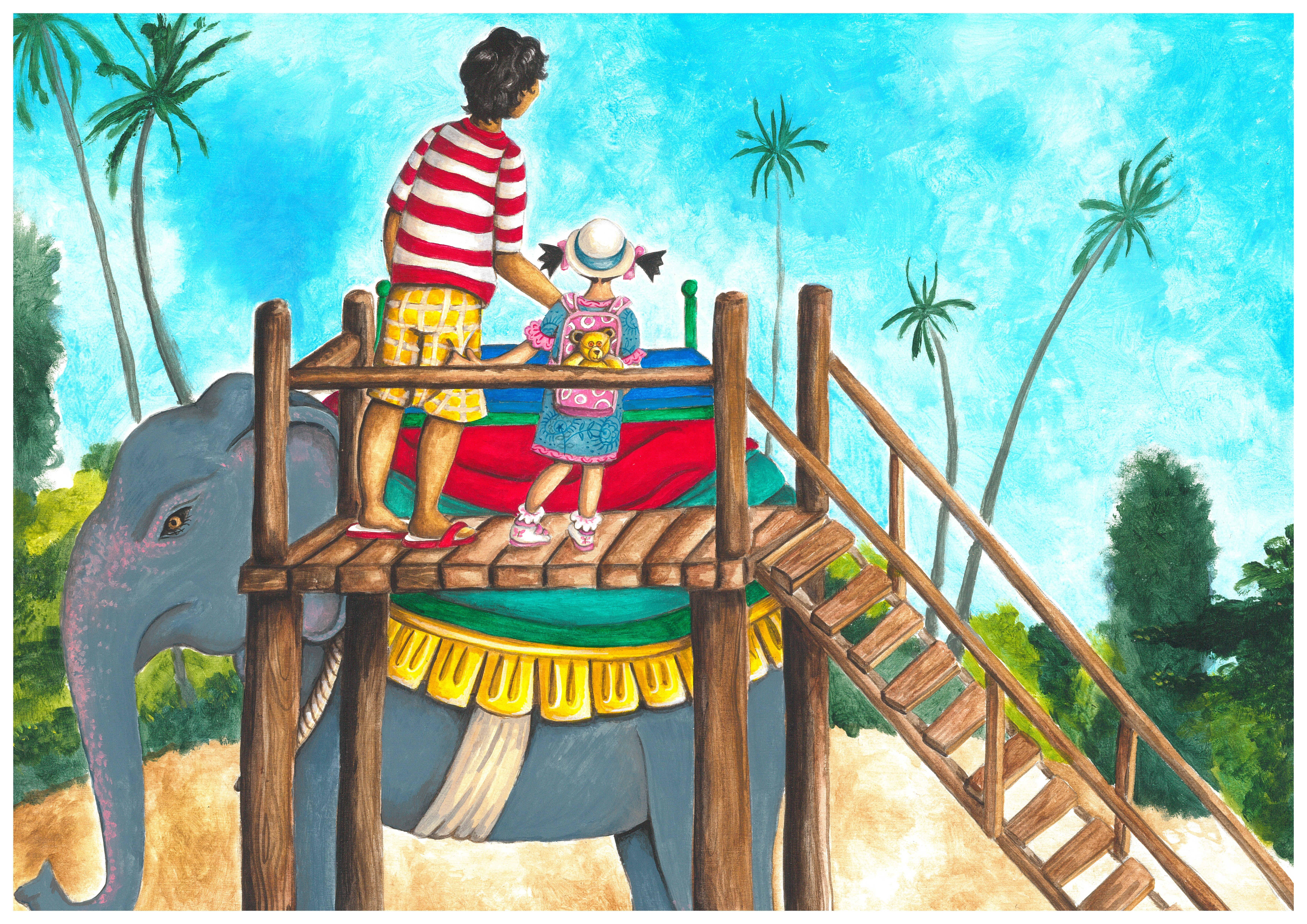
This inspired her to write her Ruby series of picture books published by Lychee Books. The adventures that the character Ruby gets up to are all based on real-life experiences her boys had during their first trips to Sri Lanka. They visited an elephant orphanage where they saw how injured elephants are cared for, rode tuk tuks and they learned to play the traditional drums and see snake charmers and much more.

Illustration by Zara Merrick

Ruby enthusiastically spoke about how this unique experience awoke an explosion of an exciting new culture that was part of them.

“My writing and the books I create for children all come from my heart. I had a huge amount of help from my young sons and writing something that means something to you is so much more special than an idea picked out of thin air. I want my books to not only be a ‘go to’ bedtime story for children of a South Asian background, but for children of all races and backgrounds who want a good adventure story.”

Ruby Lovell

Ruby explained she was motivated by the fact you find a lot in books for kids that characters are anthropomorphised so they appeal to as many people as possible but she wants to see books with people of colour on the cover, people who are differently able, a range of genders and shapes and sizes. She elaborated children are unique, so let’s write books that are as varied as they are. A diverse book is one that explores a different point of view than those represented in the majority of books on the market. This can be a different racial/cultural point of view in the case of Ruby’s book, or a different point of view about physical ability, sexual orientation etc.    

Hearing other people’s stories helps children appreciate other points of view, especially those that differ from their own. The more diverse a child’s reading experience, the more understanding, tolerant and accepting they will become as human beings. They will also form friendships with children of various backgrounds and this is healthy as when they become adults this helps them become accepting of a world filled with so many different cultures, religions and customs.

Ruby Rides and Elephant by Ruby Lovell and Zara Merrick

Ruby would also like to see more books featuring mixed race characters of all combinations of backgrounds and smaller racial groups and backgrounds. For example, the Disney film Moana was one of the first mainstream representations of Polynesian culture for children.

Ruby’s tip on writing for children is to run your book past real children before you send it out to agent. See their reaction, learn which jokes soar and which ones fall flat. Children are wonderfully honest critics, but don’t just rely on your own kids. See if you can go into a local primary school and do a reading of your final manuscript (with some illustrations if you can). The feedback and reaction you receive will shape your writing like nothing else. 

Find out more about Ruby Lovell and her picture book Ruby Rides an Elephant and the other books in the series at: www.lycheebooks.org You can follow her on Twitter @RLovellAuthor and on Instagram @rubylovellauthor

To read the complete feature you can purchase a copy of #200 June 2018 Writers’ Forum by ordering online from Select Magazines.

To read my future Writing 4 Children or Research Secrets interviews you can invest in a subscription from the Writers’ Forum website, or download Writers’ Forum to your iOS or Android device.

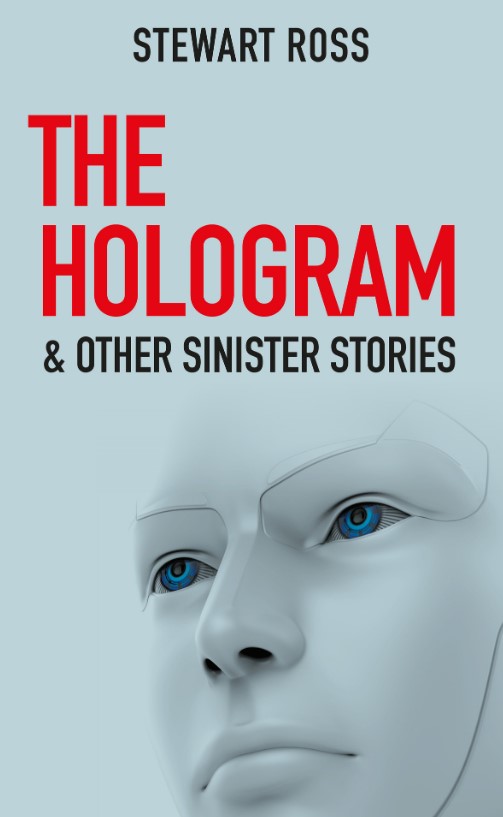
Book Review: The Hologram and Other Sinister Stories

Title: The Hologram and Other Sinister Stories

Written by: Stuart Ross

Cover Design by: Marcus Bell

Published by: Blean Books

The Hologram and Other Sinister Stories by Stuart Ross

The Hologram and Other Sinister Stories contains ten strong character-led stories that drive the plot to its dramatic and often gruesome conclusion.

Stuart Ross never ceases to amaze me with his keen insight into human nature. Each of the short stories included in this anthology, contain poignant and resonating observations into peoples’ psyche. They left me contemplating the resolution and events leading up to them. An insightful examination of human nature.

Each story is very different and each has at its core a very different form of technology that contributes to the main character’s grizzly and haunting demise – from AI’s over-riding their programming, possessed holograms and lethal apps, the stories grip you from the start. There are hints of Stephen King and James Herbert with a technological twist, so rather than rats devouring the flesh, we have images online devouring the soul.  

If you enjoy menacing stories this is definitely the book to read.

An interview with… Christina Courtenay (Pia Fenton)

For the #242 30 Mar 2022 issue of Writers’ Forum, Christina Courtenay (Pia Fenton) explained to me why seeing and experiencing things first-hand is the best kind of research.

Being half Swedish, she has been interested in the Vikings for a long time and wanted to showcase their amazing achievements as craftsmen, traders and explorers, as well as their fearlessness, curiosity and sense of adventure.

She started by researching the background and history, then studied particular aspects more in depth, which included reading loads of books, watching a wide range of TV programmes and visiting museums. She found there are a lot of resources out there on the Vikings and her main problem was in trying to choose the resources that would be most useful.

Christina told me that if she can’t find the relevant non-fiction books in the library, she will buy second-hand copies online from AbeBooks, where she has discovered some real bargains. Whilst reading, she take notes and compiles a summary of the information she needs.

“It is a long process and it’s ongoing as I keep finding and adding more information all the time. I also chatted to re-enactors and contacted an archaeologist who is a specialist in the Vikings. I managed to make contact via social media – Twitter and Facebook are very useful for that.”

Christina Courtenay

To keep track of her research, she creates Word documents with headings like ‘Clothes’, ‘Food’, ‘Weapons’ etc in alphabetical order and whenever she finds new and relevant information she adds it under the specific heading so she can easily find it later.

Christina revealed her most frustrating experience when writing her Icelandic stories was they had to be mostly written without ever going to Iceland, and it wasn’t until right before her deadline that the Covid restrictions were eased and she finally managed a trip over there. Before this she had to rely on contacting all the people she knew who had either been to Iceland or lived there, and sent them a questionnaire.

“I also read an awful lot of travel blogs, and watched YouTube clips as well. For specific places, there is always Google Earth if you need to see the layout of the land. But I won’t lie – it was extremely difficult and I didn’t feel entirely satisfied with the result so it was a huge relief when I was able to go there myself.”

Christina Courtenay

For Christina, seeing and experiencing things first hand is key. In Ribe, Denmark, there is an outdoor museum with a dozen buildings of various types.¹ Sitting in the longhouse and chieftain’s hall helped her to imagine myself back in time and she was able to lie down on a sleeping bench covered in old furs.

Christina sitting in hall at Ribe

Near Skanör in the south of Sweden is a similar museum, the Fotevikens Museum², and in Iceland she found a reconstructed turf house at the Eiriksstadir Museum³, which was invaluable. These museums always have dedicated and knowledgeable staff who are more than happy to answer questions. There are also places like the Jorvik Viking Centre⁴ in York https://www.jorvikvikingcentre.co.uk/ where you can experience life in that city. She said the best thing about visiting living history museums and events like the Jorvik Viking Festival is seeing the re-enactors (and talking to them) and the various craftsmen.

Christina explained replica Viking clothing and jewellery are readily available for the purposes of re-enactment, as are weapons. You can see examples on the Jelldragon Viking Craft Store⁵ online. In fact, her family have become used to buying her Viking artefacts for Christmas and birthdays. Christina told me she has also learnt to weave properly on a loom and suggested a great book with instructions for band-weaving is Weaving Patterned Bands by my teacher Susan J Foulkes

“Wearing them or handling them allows me to imagine what it would feel like to live in that era. And I bought myself a fire iron and tried striking it with the flint to make fire – it worked just fine.”

Christina Courtenay

Christina told me she has also learnt to weave properly on a loom and recommended, Weaving Patterned Bands by Susan J Foulkes as it contains excellent instructions for band-weaving.

The heroine in one of her stories has to sew herself some clothes so Christina decided to try to make a so called smokkr – the apron overdress worn by some Viking women. Re-enactors recommended she purchase the woollen material needed from Bernie the Bolt Cloth Merchant⁶ on Facebook, as he stocks authentic fabric for historical garments. She found a pattern in a leaflet she’d bought some years earlier. She sewed several of the seams by hand to find out how long it would take.

The Viking dress Christina made

She revealed the main surprise was how heavy the resulting dress was – several yards of woollen fabric weighed a lot more than she’d imagined. She also realised the garment had to be fairly loose as there were no buttons/openings, and also for ease of movement.

“Paired with a linen underdress (which I had bought readymade), it felt great, although it’s still missing a decorative border. I did a weekend course to learn how to do band-weaving though, so I will soon be adding that. Apron dresses were held up by straps fastened with tortoise brooches, so of course I asked for a pair for Christmas, as well as a belt with a Viking buckle and some Viking leather half-boots. And I bought beads for a necklace to string between the brooches.”

Christina Courtenay

Her favourite piece of hands-on research so far was helping to row a Viking ship round Roskilde harbour in a reconstructed longship at the Viking Ship Museum⁷ there. She found out it was a very smooth ride. The most unusual research was when she visited an open air museum in Gudvangen, Norway, called Njardarheimr⁸ where I was allowed to try throwing a Viking axe with the aim of hitting a huge block of wood. To my intense surprise, I managed it. (Lucky throw?)

For Viking food Christina recommends cookbooks such as, Eat Like a Viking by Craig Brooks and revealed she has tried some of the recipes.

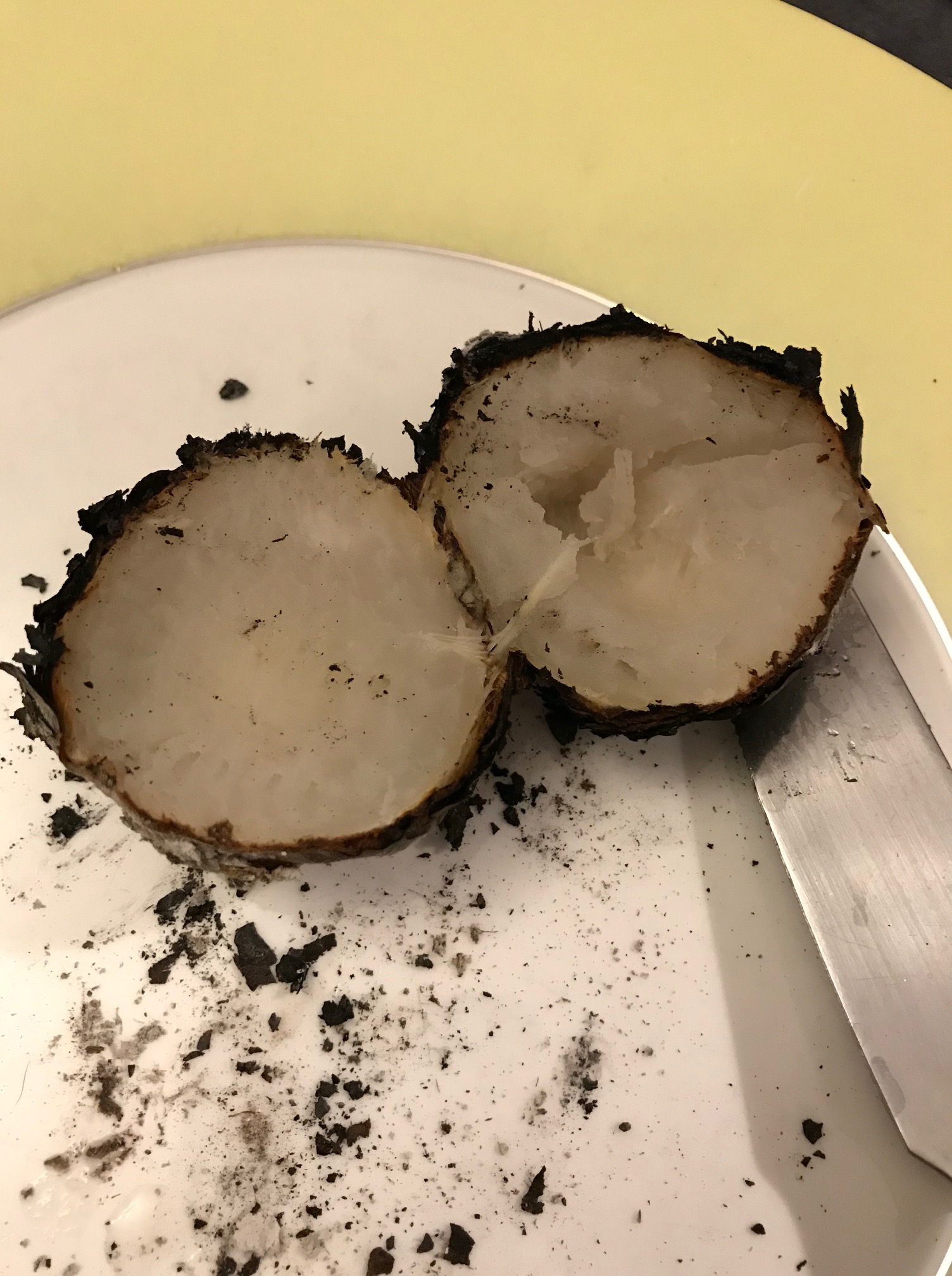
Ember cooked turnip

A lot of their food was fairly bland and monotonous and, for me, not salty enough. (I love salt!) For the purposes of preserving meat, either smoking it or keeping it in whey was more common.

While visiting the island of Birka she went to the Birka Vikingastaden⁹, just west of Stockholm, where she was shown how Vikings made flatbread – delicious. And tried mead which she found lovely and sweet.

Christina’s list of useful websites on Vikings

  1. Ribe Viking Center – www.ribevikingecenter.dk/en
  2. Foteviken Museum – www.fotevikensmuseum.se
  3. Eiriksstadir Museum – www.eiriksstadir.is/en
  4. Jorvik Viking Centre – www.jorvikvikingcentre.co.uk
  5. Jelldragon Viking Craft Store – www.jelldragon.com
  6. Bernie the Bolt Cloth Merchant – www.facebook.com/Bernie-the-Bolt-Cloth-Merchant-738089226363967/
  7. Viking Ship Museum – www.vikingeskibsmuseet.dk
  8. Njardarheimr – www.vikingvalley.no
  9. Birka Vikingastaden – www.birkavikingastaden.se
  10. Christina has an extensive range of research features on her website, which includes information about the Vikings – www.christinacourtenay.com

You can follow Christina Courtenay (aka Pia Fenton) On Twitter @PiaCCourtenay and Instagram @christinacourtenayauthor

To read the complete feature you can purchase a copy of #242 30 Mar 2022 Writers’ Forum by ordering online from Select Magazines.

To read my future Research Secrets or Writing 4 Children interviews you can invest in a subscription from the Writers’ Forum website, or download Writers’ Forum to your iOS or Android device.

Book Review: Autumn Moonbeam Spooky Sleepover

To mark the Halloween festivities this weekend and tomorrow I am posting an extra-special book review of tingling proportions.

Ooooohhhh!

********

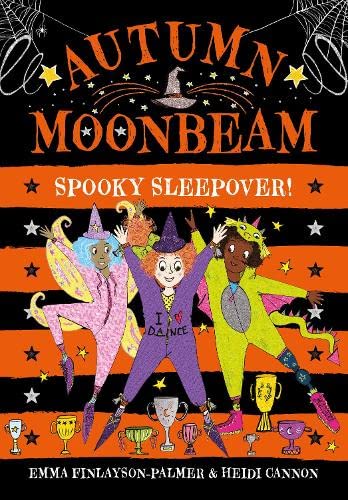
Title: Autumn Moonbeam Spooky Sleepover!

Written by: Emma Finlayson-Palmer

Illustrated by: Heidi Cannon

Published by: UClan Publishing

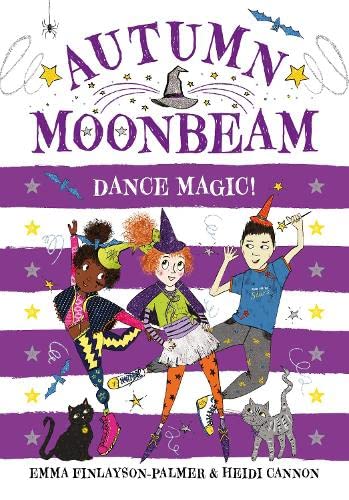
This ‘spell-tacular’ spooky sequel to Autumn Moonbeam Dance Magic is an eerie magical mystery. Join Autumn as she sets out to discover who, or what, is sabotaging their rehearsals at the Sparkledale Dance Academy and what exactly does it have to do with Autumn’s neighbour and rival, Serina Bloodworth.

This sequel is just as good as he first. I think what makes this book stand out from other early chapter books is each character has clear and distinguishable character traits. I love the way Zephyr, Autumn’s twin sister is always so neat and organised in direct contrast to Autumn and I like her best-friend Batty’s imaginative spooky story-telling, and how Leif tells such awful jokes and how Autumn has an inner struggle with her own confidence. Emma has cleverly given each character their own magical name that suits their characteristics and put a smile on your face.    

The illustrations by Heidi Cannon add their own magic as you can imagine these characters dancing off the page and around the room whilst you read.

This is a story of friendship and coo-operation, full of fun and sparkle. I can’t wait to read Autumn’s next sparklicious adventure.

I would like to thank Graeme Williams, part of the Moonbeam team, for organising a review copy for me and inviting me to return as part of #TeamAutumnMoonbeam.

You can buy copies of both Autumn Moonbeam Spooky Sleepover! and  Autumn Moonbeam Dance Magic! by Emma Finlayson-Palmer and Heidi Cannon from your local bookshop, or online at uk.bookshop.org, an organisation with a mission to financially support local, independent bookshops.

Book Review: How to Make a Picture Book

Title: How to Make a Picture Book

Written and illustrated by: Dr Elys Dolan

Published by: Walker Books

How to Make a Picture Book by Elys Dolan

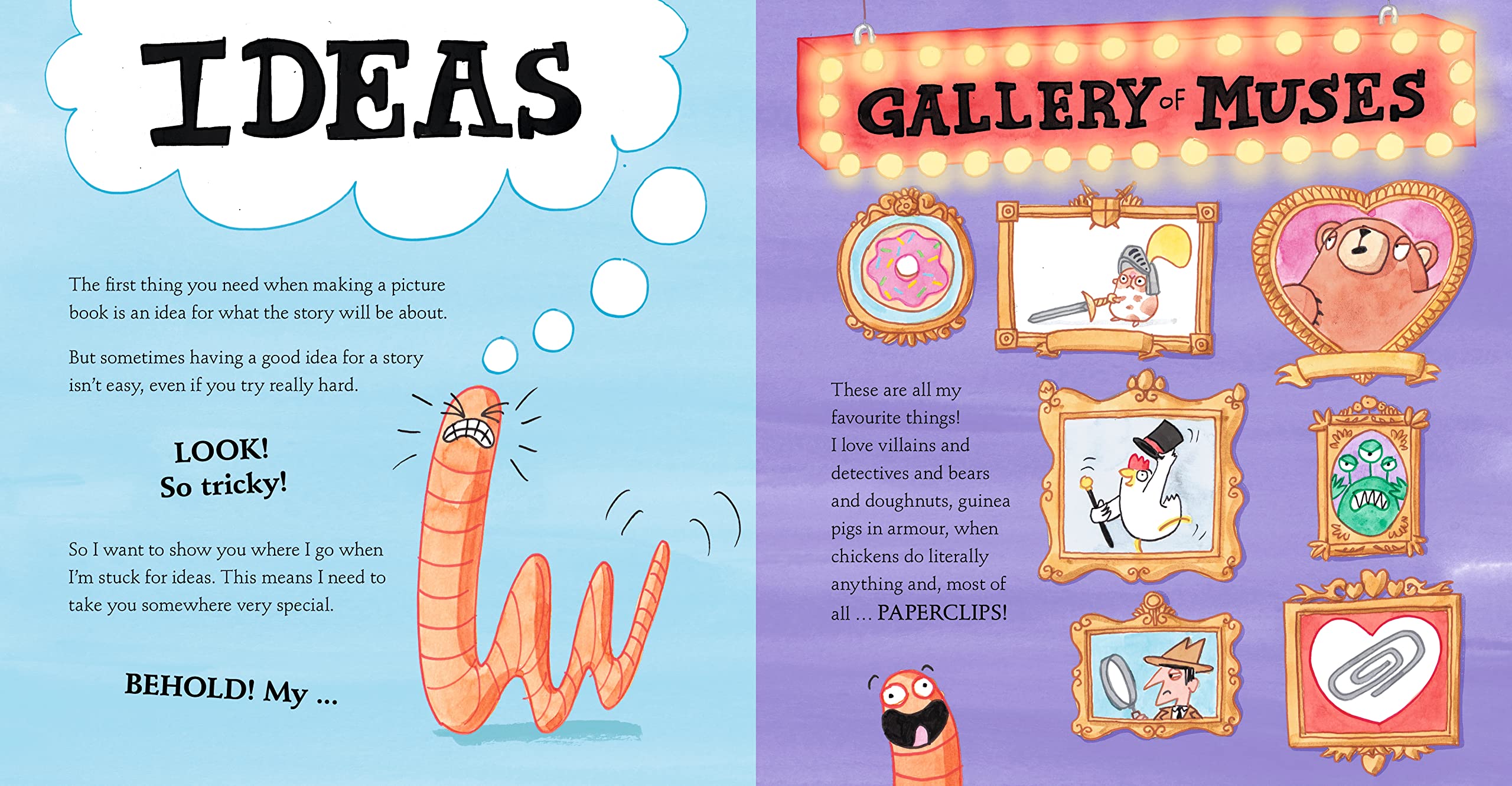
How to Make a Picture Book is the perfect gift for children who want to write and make their own books. It is full of bold illustrations drawn and narrated by the author-illustrator, Dr Elys Dolan, who speaks directly to the reader, anthropomorphised by a bookworm and helped by her trusty assistant Bert.

Elys and Bert talk the reader through where they can get their ideas from, to developing characters through interviews and character sketches. What setting is and how the setting can tell you more about the characters.

This fantastic book then goes on to help children decide what will happen in their story by providing story sentence starters and then illustrates how they can make their own books for the story to go in, showing them how to put the pages together and how the pictures can be used to add more meaning to the story and show the action. It even talks about page turners and the use of colour in your illustrations.

How to Make a Picture Book really is the ultimate step-by-step guide for making a picture book. This unique picture books is packed with brilliant activities, top tips and funny jokes to keep the children entertained. They will love finding out how Bert develops his story idea about the Pizza Delivery Dinosaur. The instructions are easy to follow and will inspire even the most reluctant writer to have a go.

Ideal for use in the classroom and at home. Children can spend days creating their own stories and picture books and sharing them with their friends. A fun project which the whole family can join in. Great for project work.

How to Make a Picture Book is released by Walker Books next week on Thursday 3rd November. Just in time to write your action-packed firework stories or reminisce on the spooky Halloween stories they have read and heard. 

I would like to thank Antonia Wilkinson for sending me a review copy of this book.

If you would like more ideas on writing picture books you can see my post on Planning a picture book here:

Book Review: Phyllo Cane and the Magical Menagerie

Today I am going to share my book review of Phyllo Cane and the Magical Menagerie by Sharn W. Hutton.

The first in the series, Phyllo Cane and the Circus of Wonder, was hailed by the judging panel of The Booklife Prize to be ‘dizzyingly bewitching, articulate and intoxicating.’ The sequel, Phyllo Cane and the Magical Menagerie, was released on July 31st 2022.

On the 13th September 2022, I took part in a book tour for the release this sequel, which you can see the Q&A interview I did with Sharn for this tour here: Blog Tour – Phyllo Cane and the Magical Menagerie by Sharn W. Hutton

However, before I begin the actual review, I would like to tell you all about the amazing book package I received of the review copies. This must be one of my favourite and most theatrical themed review book packages that I have ever received and I am in awe of Sharn for the organisation that must of gone in to doing this.

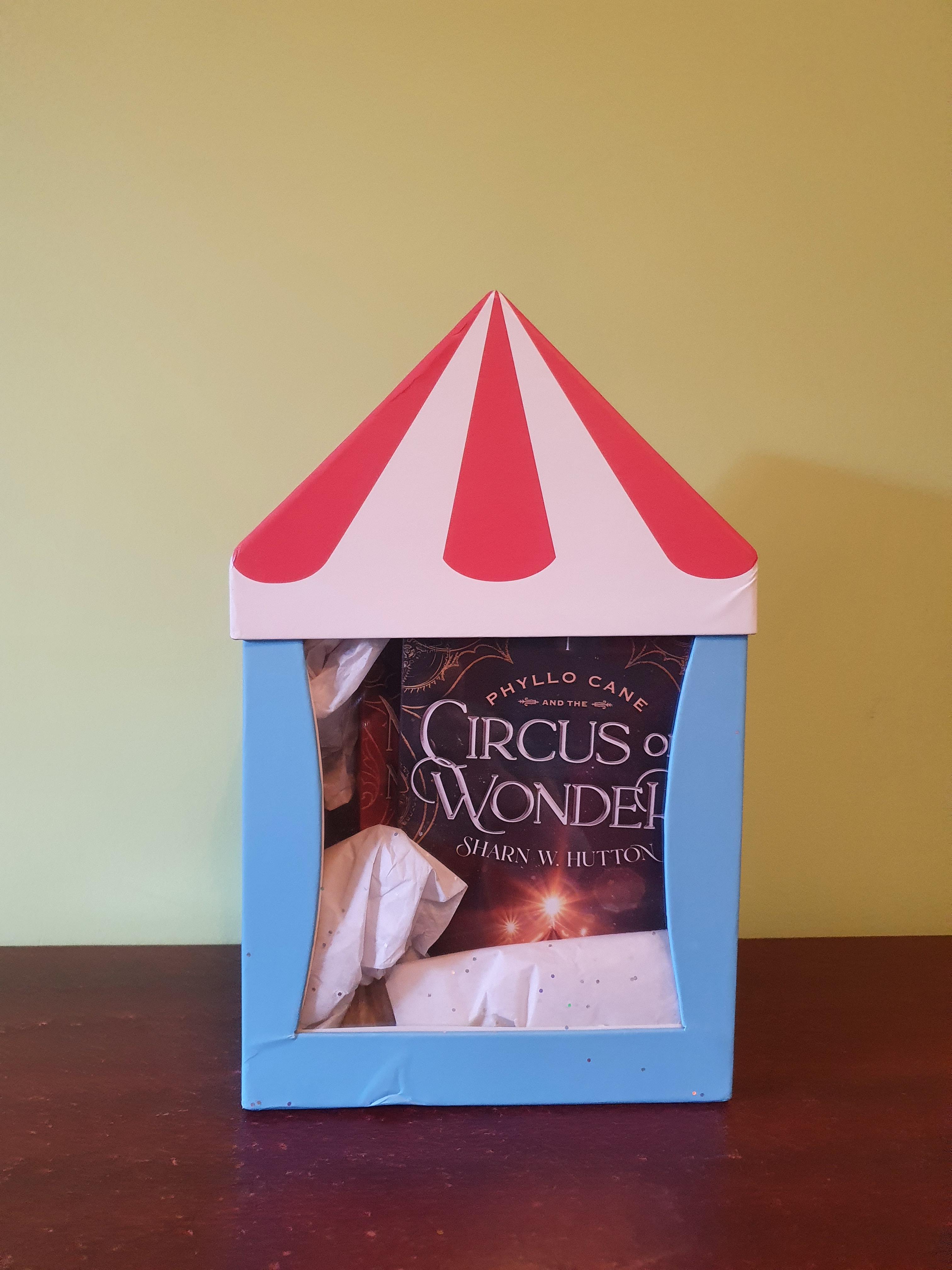
When I first received the parcel I did not know what it was – it really was a mystery package. When I opened it there was a Big Top shaped box that fit the circus theme perfectly. However, there was a piece of card covering the window at the front, which I had to remove before all was revealed. So cool! Just like magic.

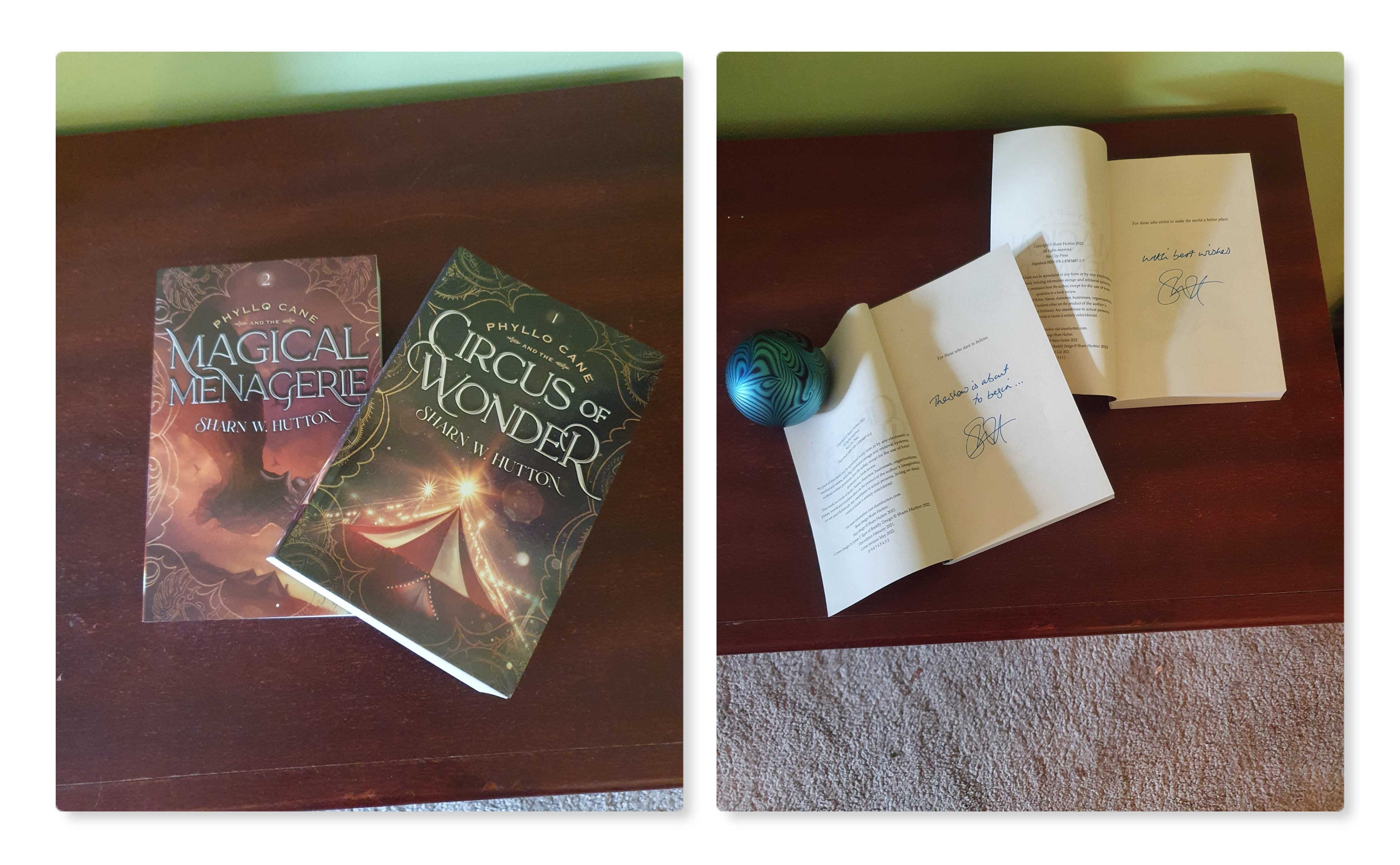
Just the box was impressive enough, but when I removed the contents of the box I was overwhelmed to discover what I assume is a wind-up paper dragon (and not a butterfly), a bag of pop corn ideal for eating at the circus, or while you read the books, and a copy of not only the book I was asked to review but also the first book in the series: Phyllo Cane and the Circus of Wonder.

Sharn had also kindly signed both books, which was lovely.

It was so exciting! Thank you Sharn.

All I have to do now is get on with the review.

********

Title: Phyllo Cane and the Magical Menangerie

Written by: Sharn W Hutton

Published by: Star City Press

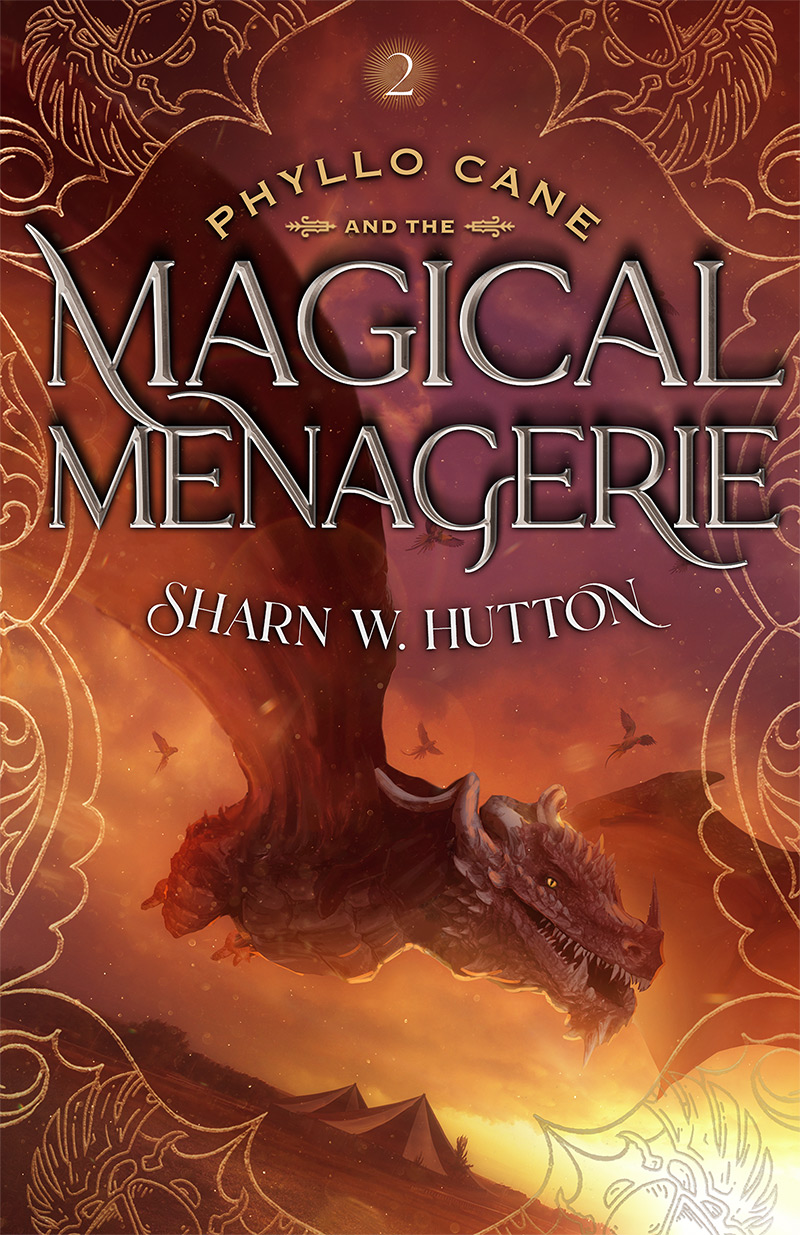
Phyllo Cane and the Magical Menagerie by Sharn W. Hutton

I can say with hand on heart, the second book is even better than the first, as we follow Phyllo on another action-packed adventure. Twelve-year-old Phyllo Cane use to work with his family – brother, sister and father – in the Circus of Wonders. His dad runs the magical confectionery business where the enticing sweets are made of beautiful memories that will fill the person eating them with joy as they watch the show.

However, mishap and mayhem seem to follow Phyllo and threaten the circus wherever he goes from accidently burning down the big top to getting his twin brother hurt by confronting the jester. It is not surprising the exasperated Ringmaster orders Phyllis to start again elsewhere in the circus in a bid to discover his real talent and place in this incredible world of magic. The second book opens straight away from where the last book left off with Phyllo worried if he does not find his place he will be asked to leave the safety of the Circus and his family will follow him into the In-between.

In Circus of Wonder, Phyllo was apprenticed as a Trapeze Artist with an unfortunate fear of heights. In Magical Menagerie, we Join Phyllo for his next apprenticeship, which this time happens to be with Tamer Venor, who cares for all the mystical creatures in the Menagerie. This is such a great concept and will open the series up to Phyllo to draw on this incredible skill on more apprenticeship adventures in the future.

Tamer Venor is worried about her favourite dragon and needs to get it back on its feet before the ringmaster decides it is worth more money to use it for meat. The sand dragon is lonely and wants a mate, but finding a male sand dragon will be difficult as they are very rare. Tamar knows she will never be able to catch one on her own. So Phyllo becomes her apprentice to help her but the problem is Tamar already has an apprentice who she found on the streets and Panya seems to have taken an instant dislike to Phyllo. To catch the sand dragon Phyllo must first embark on a quest to discover his animal totem, a magical baton, a mystical portable altar and the exact words of command to control it.  

This magical upper middle-grade, fantasy adventure is well written with some excellent world building. Sharn’s exceptional descriptions bring vivid pictures to the mind of the circus, the atmosphere, and the magnificent beasts in the menagerie. The reader is transported into the world of big tops, popcorn, breath-taking countryside and some brilliantly flamboyant characters.

The plot is full of unexpected twists and Phyllo, true to character, still makes slightly dodgy decisions with sometimes hilarious results. The book also touches on themes of depression and addiction.

I really enjoyed the story and can’t wait to read the next instalment. I would recommend this book to fluent readers in Year Six upwards.

********

The Adventures of Phyllo Cane are available as e-book for Kindle and are included in Kindle Unlimited. Paperbacks are available for order from Amazon, Barnes and Noble, Waterstones. Most book stores will be able to order it in. If you visit the Amazon pages you will be able to see full descriptions and the possibility of downloading a free sample for kindle. The international book link to the series is: mybook.to/PhylloCane

You can find out more about Sharn W Hutton and her book Phyllo Cane and the Magical Menagerie on her website: www.sharnhutton.com, Facebook: @SharnHuttonAuthor and Instagram: @sharnious

If you haven’t taken a peek already, please do take a look at the author interview I did with Sharn W. Hutton please see: Blog Tour – Phyllo Cane and the Magical Menagerie by Sharn W. Hutton

I would also like to thank Anne Cater from Random Things Through My Letterbox for ensuring I received review copies so I could take part. Thank you.

An Interview with… Roma Agrawal

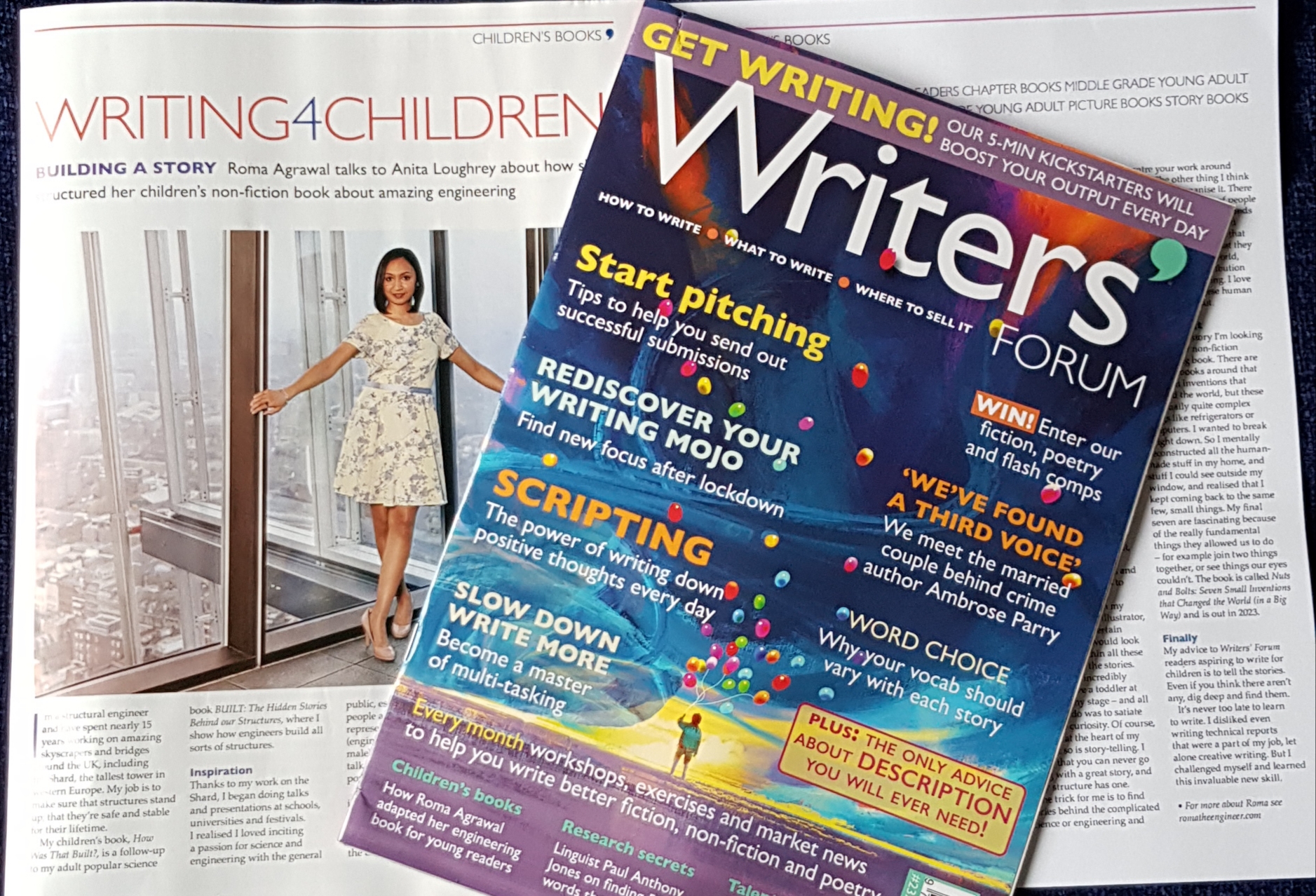
My interview today is a blast from the past from Writers’ Forum issue #237 Oct 2021, when I interviewed structural engineer, Roma Agrawal, about her children’s non-fiction that provides a behind-the-scenes look at some of the world’s most amazing landmarks.

Author photo © Rebecca Reid

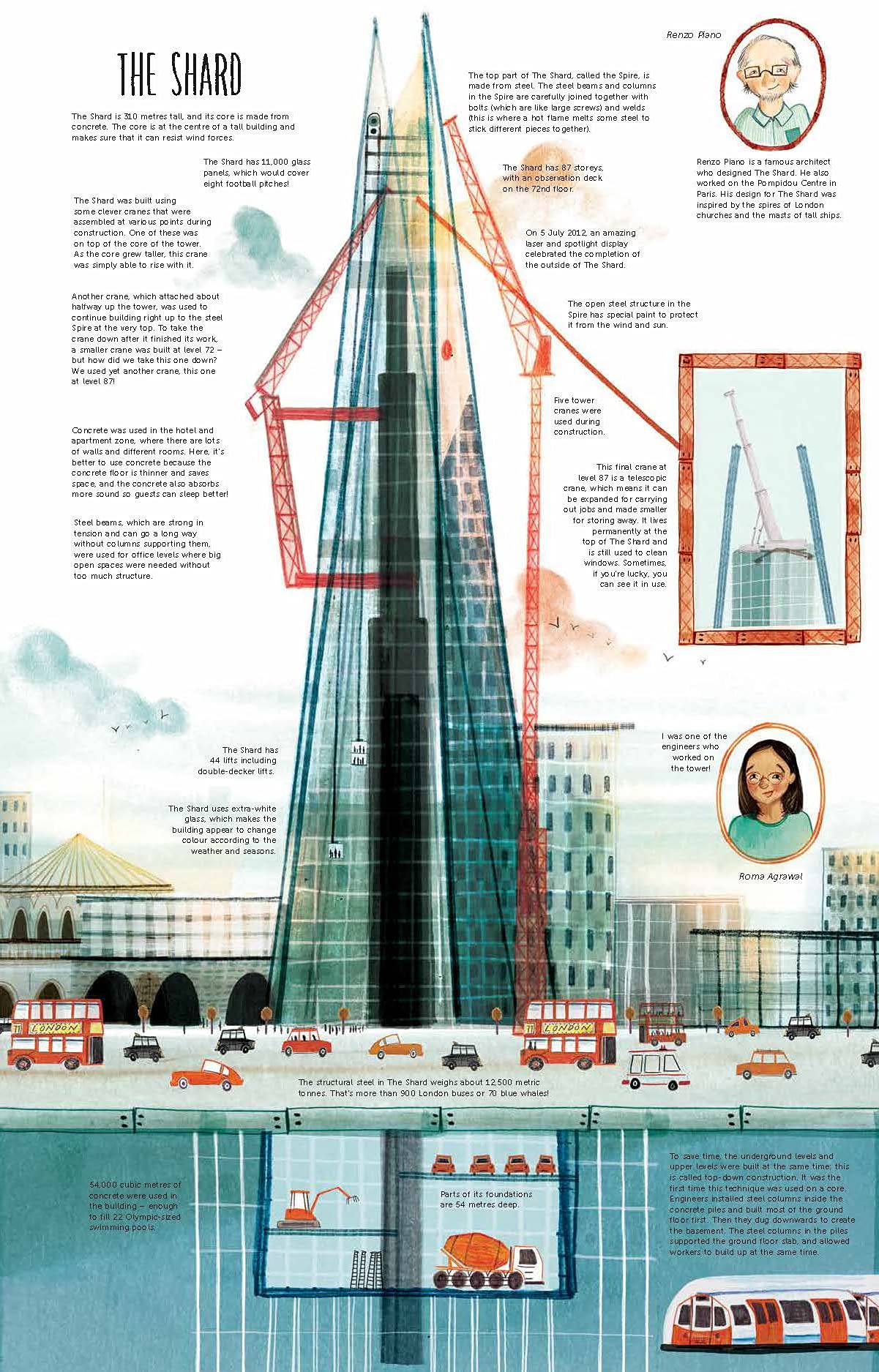
Roma has worked on many of the skyscrapers and bridges in the UK, including The Shard, the tallest tower in Western Europe. Her technical job is to ensure the structures are safe and stable. Her children’s book How Was That Built? The Stories Behind Awesome Structures was inspired by an adult book she wrote looking at how construction has evolved from the mud huts of our ancestors to skyscrapers of steel that reach hundreds of metres into the sky.

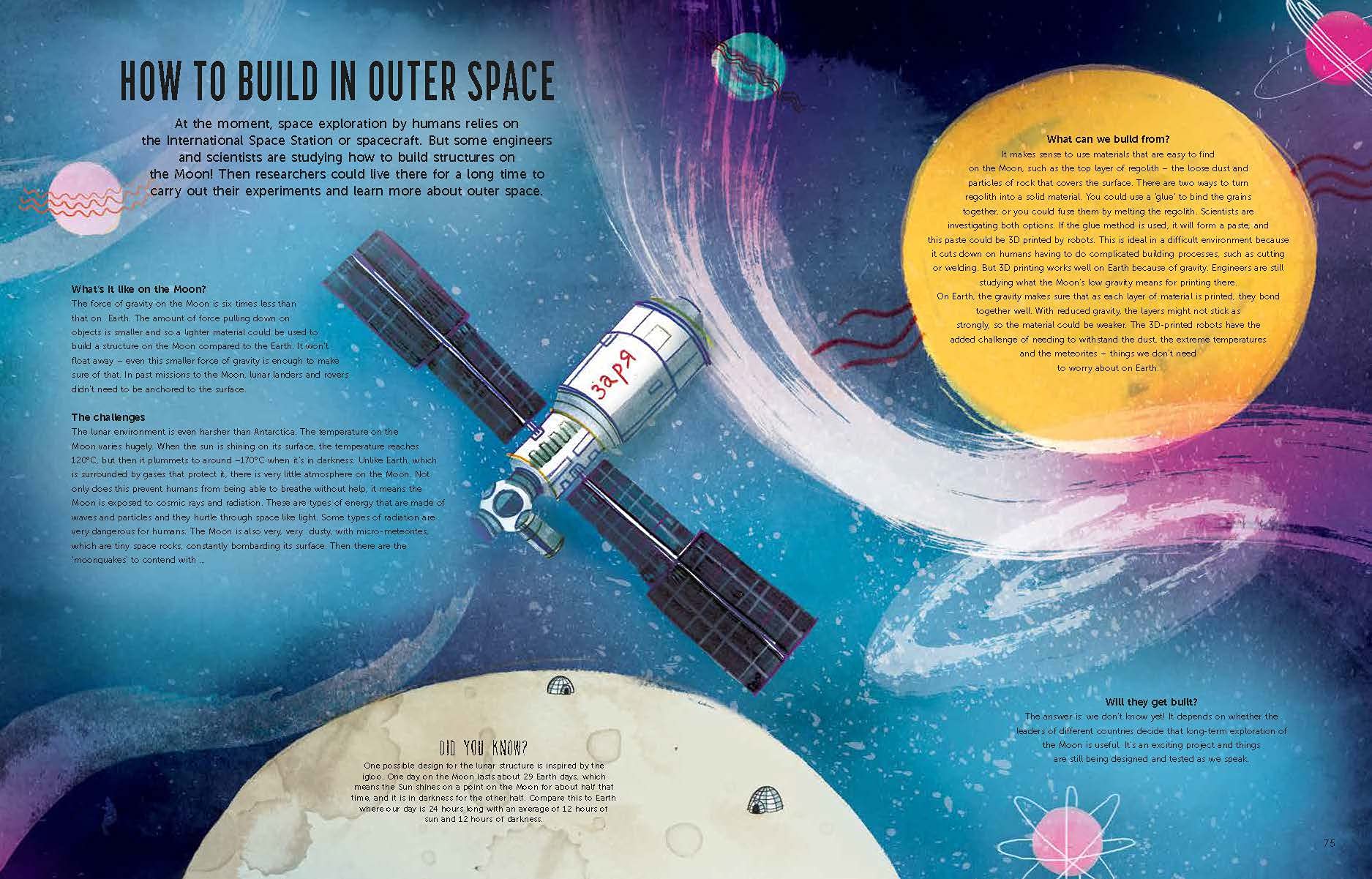
How Was That Built? The Stories Behind Awesome Structures is a concise look at how engineers build all sorts of structures and the ingenious methods engineers have come up with to enable us to build underground, underwater, on ice and even in space. Her illustrator was Katie Hickey who has brought a beautiful sense of wonder and playfulness to this book with her illustrations showing fascinating cross-sections, skylines and close-ups of engineering techniques in action, provide unique and illuminating perspectives of these awe-inspiring constructions.

How Was That Built? The Stories Behind Awesome Structures by Roma Agrawal

Roma told me her aim was to showcase a mix of well-known structures and also less familiar ones that would be accessible for young readers. She explained it was hard to narrow it down and started with a long list, in a spreadsheet, with structures from each continent from the categories – bridge, building, dam, tunnel, etc. After this she jotted down what fascinated her about each structure and what was the most compelling story behind it. In some cases, she said it was a story about a material, in others, its history.

“Some of the content between my book for adults and the adaptation for children overlaps but I wanted to ensure I covered structures from all seven continents and also in space, so I researched loads more stories. I thought about which structures and engineers might capture a young person’s imagination and create stunning visuals. It was a tough task trying to cut down the extensive list I first came up with.”

Roma Agrawal

Roma told me her favourite spread is the How to Build in Outer Space. It feels like science fiction, but it’s real research that scientists are doing right now.

She said she chose the particular engineers as they are all really inspiring and she wanted to feature people from different eras and from different places to show children that engineers are from all sorts of diverse backgrounds. So in the book she has included the more known names from the Industrial Revolution like Henry Bessemer, but also Emily Roebling, who ran the Brooklyn Bridge construction as a woman in the 19th century.

Roma revealed that when adapting her adult non-fiction book, Built, into a STEM non-fiction aimed at children the major change was restructuring the narrative to answer the sort of questions a young reader might have such as, How do you build tall? How do you build a long bridge? Or how do you build a watertight dam?

“I wanted to answer these questions with surprising examples from all around the world, and very importantly, include some of the pioneering engineers who made them possible. I also needed to figure out how to fit in all the information needed to understand a structure – this ranges from how particular materials are made, or how the ancient Romans built to how columns and beams work and how to design against forces like earthquakes.”

Roma Agrawal

She explained the trick was to find stories behind the complicated science or engineering and centre the information around them as this was important to humanise STEM. The book includes some incredible stories of people from all sorts of backgrounds that have made the world the way it is today, and proves to young people they too can change the world and make a contribution to something exciting.

Her advice to Writers’ Forum readers aspiring to write for children is to tell the stories. Even if you think there aren’t any, dig deep and find them. It’s never too late to learn to write. She told me she disliked even writing technical reports that were a part of my job, let alone creative writing. But she challenged herself and learned this invaluable new skill in my 30s.

Roma has another children’s non-fiction engineering book out in 2023 called, Nuts and Bolts: Seven Small Inventions that Changed the World (in a Big Way).

To read the complete feature you can purchase a copy of #237 Oct 2021 Writers’ Forum by ordering online from Select Magazines.

To read my future Writing 4 Children or Research Secrets interviews you can invest in a subscription from the Writers’ Forum website, or download Writers’ Forum to your iOS or Android device.

Blog Tour – Altered Helix by Stephanie Hansen

Great news, today is my stop on the Altered Helix by Stephanie Hansen blog tour.

Stephanie Hansen is a PenCraft and Global Book Award Winning Author. Her debut novella series, Altered Helix, released in 2020 hit the #1 New Release, #1 Best Seller, and other top 100 lists on Amazon. It is now being adapted to an animated story for Tales.

Her debut novel, Replaced Parts, released in 2021 through Fire & Ice YA and Tantor Audio has been in a Forbes article, hit Amazon bestseller lists, and made the Apple young adult coming soon bestsellers list. The second book in the Transformed Nexus series, Omitted Pieces was released in 2022. Her next novella, Ghostly Howls, releases 2/7/23.

She is a member of the deaf and hard of hearing community so she tries to incorporate this into her fiction. 

Stephanie Hansen

Our main protagonist, Austria, has just started a new job in a haunted house. She feels the most exciting thing about working there is that the toughest looking people scream the loudest. But when she meets homeless, Josh, Austria’s life takes intriguing and eventful turn. Josh and his ‘street’ crowd are in danger, and now so is Austria. The group find themselves joining forces with previously considered enemies to avoid a perilous end. Deeply compassionate and full of twists, Altered Helix captures the struggle of polarized people who must cooperate for the greater good.

Altered Helix by Stephanie Hansen

My stop of the blog tour will take the form of an exclusive author interview.

********

Tell us a little about yourself and the inspiration for your novel, Altered Helix.

My name is Stephanie Hansen, and my world revolves around books. Professionally I’m a literary agent. I help authors land traditional publishing deals as well as subsidiary rights (audio, foreign translation, film, etc.) deals. When I’m not doing that, I’m reading or writing while waiting in the school pick up line. Altered Helix was inspired by a job I had at a haunted house.

What are the underlying themes of Altered Helix?

An important theme in this book is polarization and the need for people to work together for the greater good. Why did you find this important to explore? Not to get too political but it plays off of the polarization of the American government and how it’s divided our country. I believe that if people were to honestly answer political surveys, the majority of the population would sit somewhere in the middle, not right or left. I wish our government reflected that…not sure how to make that occur IRL but I gave it a shot in fiction…a woman can dream.

When you’re writing an emotional or difficult scene, how do you set the mood?

Sometimes I set the writing mood with background music. Other times I need to step into a new setting in order to really push through a difficult scene. That might even mean booking an affordable Airbnb for a night. I also like to go for walks in nature to help work through difficult scenes. If none of those things work, a break might be needed. Stepping away from a project and soaking in other art (filling your creative well) can help pull a writer out of a rut.

Is there an aspect of writing for young adults you wish someone had told you when you started out?

I wish I had known how cathartic it would be because then I would have started long ago. Something about writing for young adults forced me to revisit those years in my life, face the trauma, and heal. I believe this is why so many adults enjoy reading young adult fiction.

How long did it take you to write Altered Helix?

It took me about a year to write the Altered Helix series. I wrote the first draft then moved to a different manuscript before returning for the second draft. It helps me to fully step away from a story for a bit of time so that I can look at it with a more critical eye.

Where is your preferred place to write?

That changes for me so it’s more of a rotation of preferred places to write. I think my most favorite is at a coffeeshop but that’s not always feasible with a hectic schedule. I also love to write outside when the weather is good. Plus, since I’m often sitting at a computer for work, I like to hand write in notebooks and a portable, smaller laptop that I can position anywhere.

What writing advice would you give to people aspiring to be a YA writer?

First, if you want to be a YA writer, read a lot of YA books especially in the sub-genre of your choice. Next, write the book in the way that best suits you. Some people like to outline, and others don’t. Know that your first written novel may never see the light of day and that’s okay so long as you grow as a writer. Once you have a completed manuscript that you feel is ready, it’s good to have a vetted resource review it (beta reader, critique partner, etc.). You want the process to improve your novel and lift you up.

********

You can follow Stephanie Hansen on Twitter @hansenwriter, Facebook at @writer.stephaniehansen, on Instagram @stephaniehansenauthor and on TikTok @stephaniehansenauthor. To find out more about Stephanie Hansen and her books take a look at her website: www.authorstephaniehansen.com

You can buy a copy of Altered Helix from Books2Read here. To follow the rest of her book tour check out the schedule below:

I would like to thank Rachel from Rachel’s Random Resources for organising this blog tour and inviting me to take part. Thank you.

Book Review: Emba Oak and the Terrible Tomorrows

Title: Emba Oak and the Terrible Tomorrows

Written by: Jenny Moore

Cover illustrated by: David Dean

Published by: Maverick Publishing

Emba Oak and the Terrible Tomorrows by Jenny Moore

Maverick publishing is launching on Friday 28th October a top-notch new fantasy series with a fantastic premise. Emba Oak and the Terrible Tomorrows by Jenny Moore is the first in this series about a girl who has hatched out of a dragon’s egg. She looks perfectly normal except for the scales on her arms and legs.

Emba has remained hidden from the majority of the world until an evil sorcerer, Necromalcolm, discovers her whereabouts. He lures Emba and Odolf Bravebuckle to Gravethorn Castle as he needs her dragon blood for his dastardly spell. Our two heroes have to save their friend and guardian Fred, the Wise Hermit of Witchingford Woods.

This fast-paced adventure has a small cast of characters who are all have very different personalities. Emba is loyal and courageous in direct contrast to Odolf who believes his bravery is determined by his stolen belt buckle. The fantasy world Jenny Moore has created is highly believable from the cave where the Tome of Terrible /Tomorrows is kept, to the Pool of Perilous Perception to the Grave Tower of Gravestone, with its impossible spiral staircases. The names are pure genius.

The most prominent thing for me that made this book stand out from many other middle-grade fantasy adventures is the authors distinctive voice. From the very start we are in the mind of Emba and daren’t leave her side right up to the ‘calamitous climax’. Even the often hilarious chapter headings are firmly in the style of Emba’s thoughts and opinions of what is happening.

Our heroes learn bravery comes from within and not from shiny artefacts and you are still part of a family even though you look different. With themes of courage, friendship and family, Emba Oak and the Terrible Tomorrows would be ideal for children who loved reading Sophie Anderson’s books.

There is a brilliant hook at the end leading us to another exciting adventure. This is a great addition to any bookshelf at home or at school. I look forward to reading the second in the series, Emba Oak and the Beckoning Bones.

I would like to thank Abi Reeves from Maverick Publishing for sending me a review copy this book. Thank you.

You can buy copies of Emba Oak and the Terrible Tomorrows by Jenny Moore direct from Maverick Publishing, or from your local bookshop, or online at uk.bookshop.org, an organisation with a mission to financially support local, independent bookshops.