Tag Archives: Chicken House Books

An Interview with… Lindsay Galvin

Another blast from the past today. This time for my Writing for children slot in the national writing magazine Writers’ Forum when I interviewed Lindsay Galvin for the July 2021#234 issue about how she approaches writing her historical fiction.

Darwin’s Dragons is Lindsay’s second book, a historical adventure where Charles Darwin’s cabin boy, Syms Covington, is marooned on a Galapagos island and makes a (very) big discovery.

Lindsay told me originally, she wasn’t planning to write a historical story at allshe wanted to write about real, scientifically plausible dragons. She’d never written anything historical; even though she loves to read this genre as she was put off by the research. The book started life as The Fire Inside, a teen book set in the present day about a dragon sanctuary. Lindsay revealed her editor, Rachel, suggested it would be good to include a historical thread showing how dragons had been discovered.

Lindsay explained she started researching explorers and needed a remote place for dragons to have hidden out. Darwin and the Galapagos was perfect. When she discovered the cabin boy and fiddler Syms Covington became Darwin’s servant and was a bit of a mystery she got excited as there were three weeks when The Beagle was in the Galapagos, when there were no entries to his journal. Lindsay decided to fill those in for him with a survival story and his huge dragon discovery.

She said the historical thread flowed much more easily than the modern day story and became about half the book. She got stuck near the end after writing around 60,000 words and sent it all off to Rachel, who called her, along with Barry Cunningham (J K Rowling’s original editor).

“They said they thought I had a great voice for historical middle grade and asked if I’d consider cutting this book in half and making Syms’ story into the book. We agreed on the title Darwin’s Dragons in that same phone call. It was a surprise, but I didn’t hesitate because it felt right. I had a 30,000 word draft and needed to add about 15,000 words. Somehow I’d fallen into historical fiction.”

Lindsay Galvin

Lindsay told me to create fictional characters from real people is a big responsibility especially when they are as famous as Darwin and Queen Victoria. She started by reading Darwin’s and Syms Covington’s journals from The Beagle. As the style of writing is relatively formal so there was a space for her to create a fictional representation of a real man.

Darwin was also only a young man on The Beagle voyage and not particularly studious, so she was able to give him a multi-sided character. She knew a lot less about Syms which gave herfreedom to imagine him, and his voice developed as he told his story and interacted with events.

Lindsay divulged the most difficult thing about writing historical fiction is keeping it authentic, the research can be so time-consuming. She was aware of her responsibilities writing for a young audience and so shy avoided creating too much of an idealised world. Colonialism is ever present, and Lindsay felt it was important to acknowledge the way the world was explored at that time was hugely exploitative.

“For Darwin’s Dragons I made a trip to the Natural History Museum Spirit Collection, which contains some of the original specimens from The Beagle and Downe House where Darwin lived for most of his life. This helped with atmosphere and any location research can throw up little details that later become important to the story, for example I examined Darwin’s real homemade eyeglass and that became an important item in the story.”

Lindsay Galvin

Pace is essential in children’s books. Where an adult will read on if they are bored, most kids will not. I also like to include short chapters with lots of cliff-hangers in my middle grade books.

“There are so many things I love about writing for children. I love the creativity and scope, plus their flexibility as readers, young people have such honesty and imagination. I feel incredibly privileged to play a small part in their reading journey.”

Lindsay Galvin

Her tip on writing for children is to keep coming back to what your story is really about at its core — why it matters that it is told, never stray from that. Read. Read the children’s books that children currently love, study them and learn from them. Lastly, expect it to be a frustrating, long and sometimes painful journey if you are writing for publication. Write something you enjoy so much that the writing is an end in itself. Keep on, love the learning and… be curious.

You can follow Lindsay on Twitter @LindsayGalvin

To read the complete feature you can purchase a copy of July 2021#234 issue of Writers’ Forum by ordering online from Select Magazines.

To read my future Writing 4 Children or Research Secrets interviews you can invest in a subscription from the Writers’ Forum website, or download Writers’ Forum to your iOS or Android device.
An interview with… Helen Lipscombe

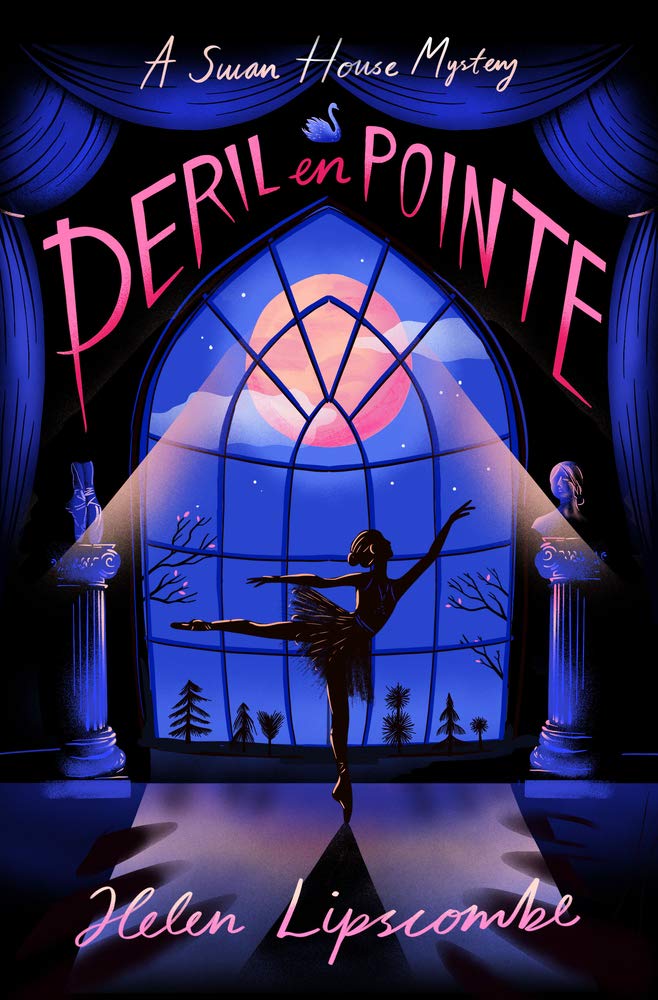
In the #217 November issue of Writers’ Forum Helen Lipscombe told me all about researching both espionage and ballet for her debut children’s novel, Peril En Pointe.

Peril En Pointe book cover

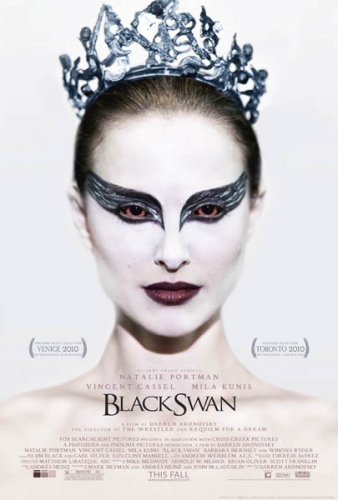
Her main character, Eva, needed physical strength, mental resilience, the ability to speak several languages and an excuse to travel the world. Helen explained how Natalie Portman from the 2010 movie, The Black Swan was her inspiration for the book.

2010 film, The Black Swan - Natalie Portman

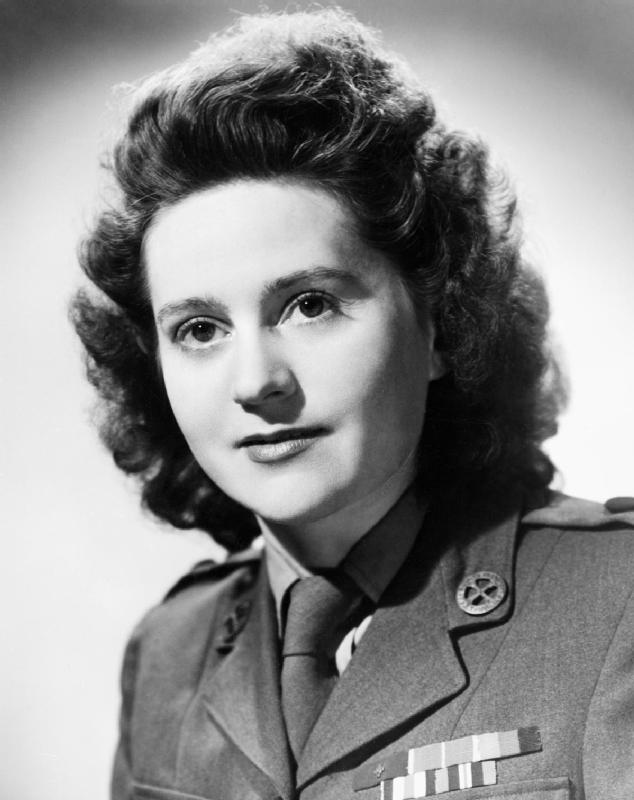
From the moment she saw her dark eyes gazing at her through that mask Helen knew Eva would be a ballerina and her setting would be a ballet school for spies. This lead her to research for accurate accounts of the lives of female spies. On the Imperial war Museum’s website, she read all about a spy called Odette Samson.  Odette was also the name of the White Swan in Swan Lake and inspired Eva’s code-name ‘O’.

“I read that Odette Samson had been awarded a George Cross for her refusal to name her fellow secret agents during the second world war. Despite having three young girls, she had volunteered to work for the Special Operations Executive (SOE), but in 1944, was captured and brutally tortured. (The Nazis extracted her toenails; a feature I bestowed on Swan House’s battle-worn Spy Craft teacher, the Captain).”

Helen Lipscombe

Odette Samson

Odette Samson

In order to capture the heightened atmosphere of a live performance, Helen revealed she went to see Swan Lake by the Russian State Ballet and the Royal Ballet’s production of Romeo and Juliet.

“I also took part in a backstage tour of the Royal Opera House which proved particularly worthwhile. Walking through the maze of corridors as the dancers do every day; standing amongst the sets and lighting; handling the ballet shoes, headdresses and props, and watching the dancers rehearse gave me a real feel for the setting.”

Helen Lipscombe

To read the complete interview check out the #217 Nov 2019 issue of Writers’ Forum.

You can find out more about Helen Lipscombe you can follow her on Twitter @Helen_Lipscombe or Instagram @helenlipscombe

An interview with… Ally Sherrick

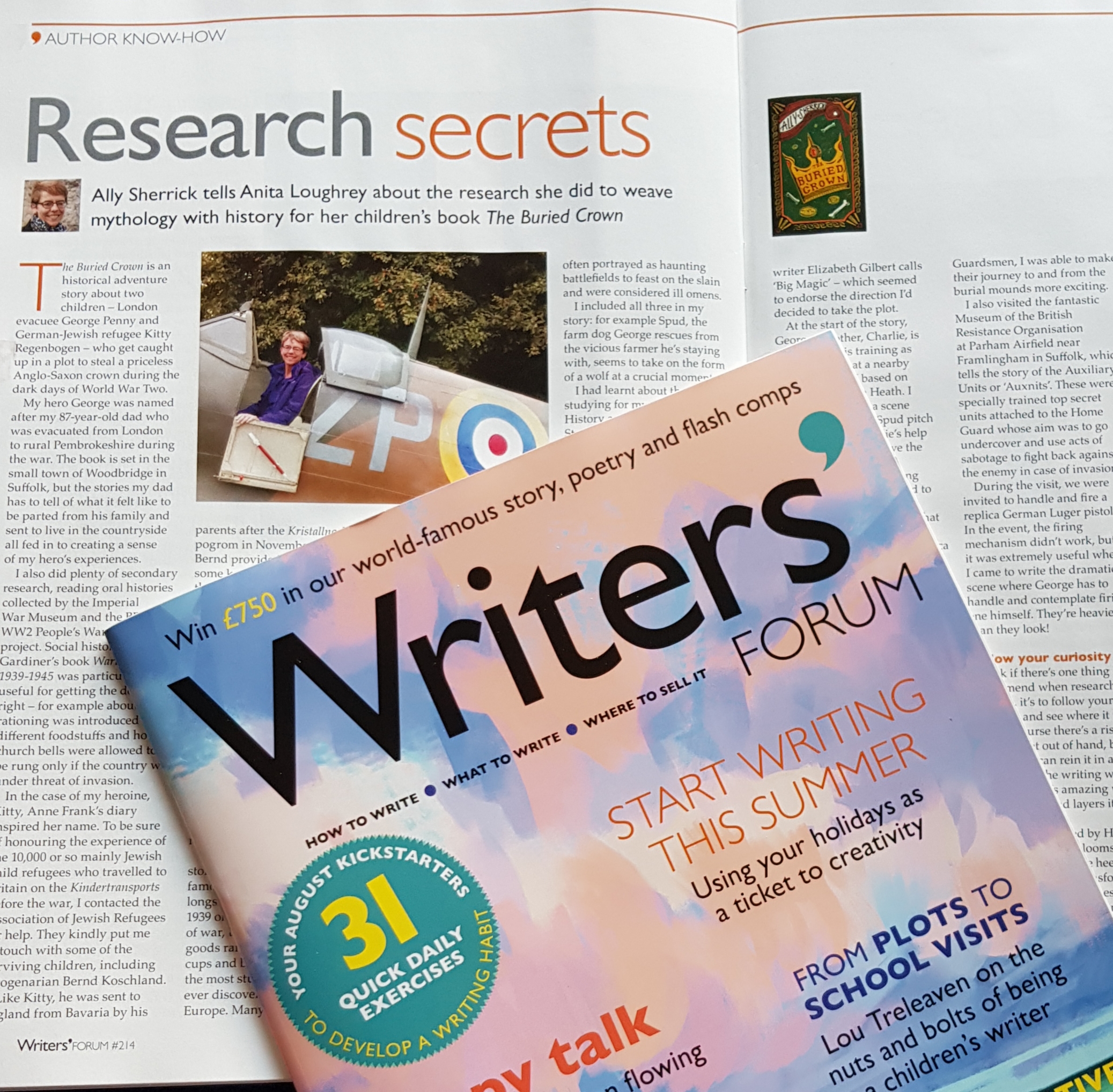
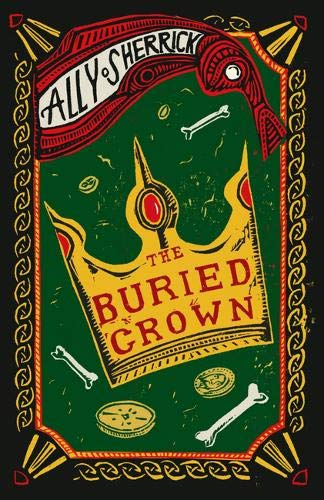
In my Research Secrets column in the national writing magazine Writers’ Forum this month #214 Aug 2019, I interview Ally Sherrick about the research she did to weave mythology into WWII historical events for her children’s adventure book, The Buried Crown.

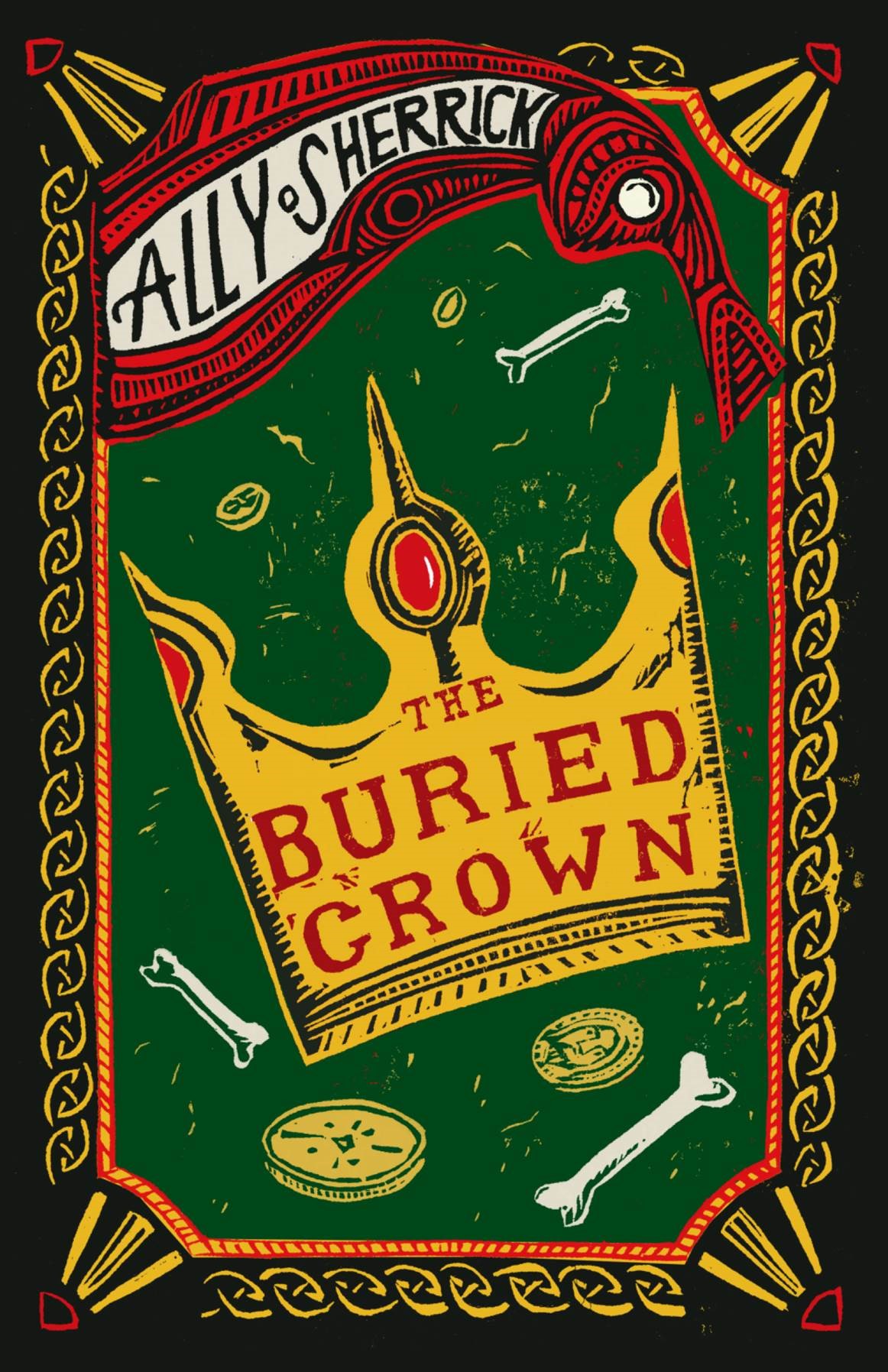
BC Cover Final HR

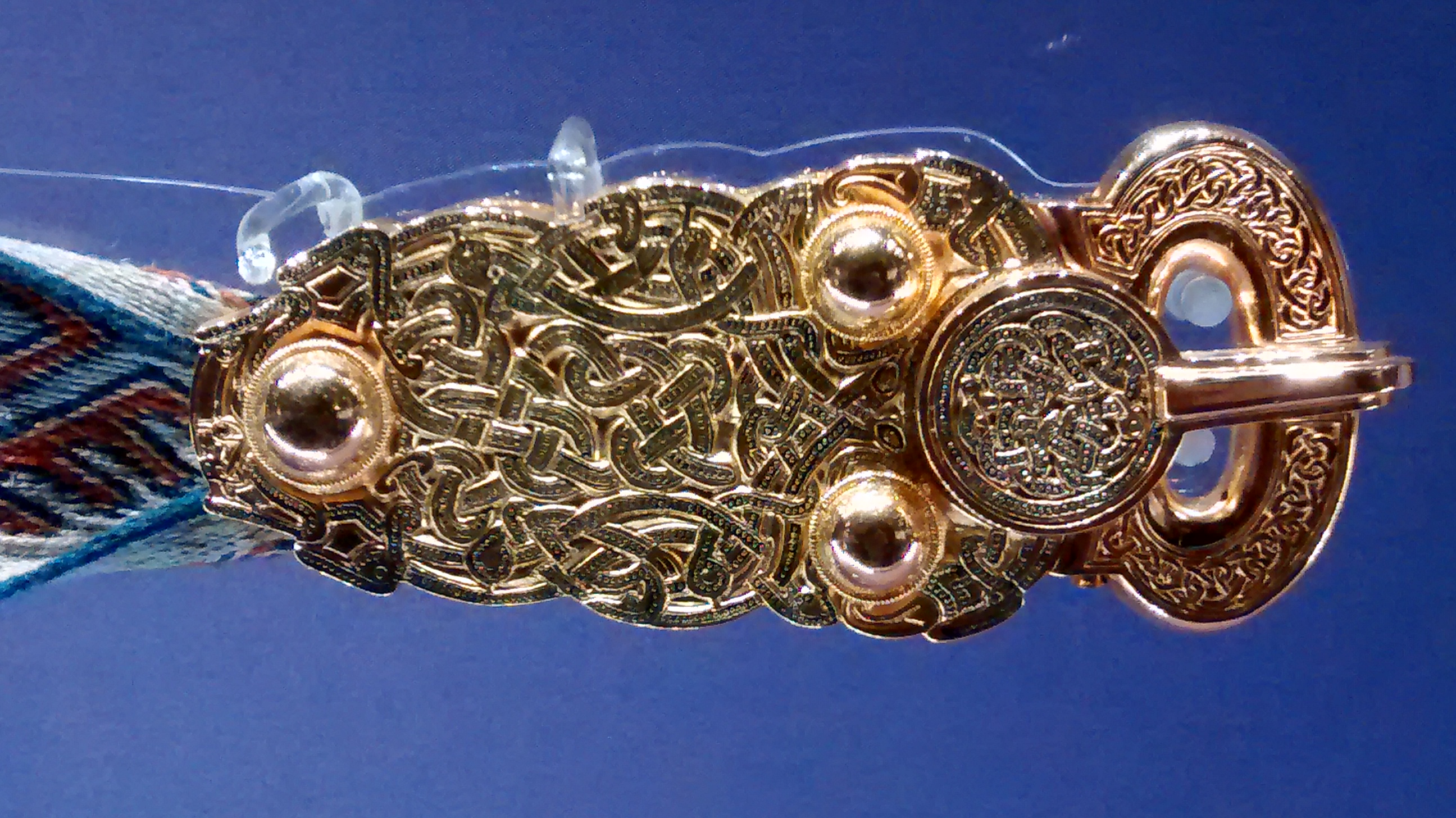
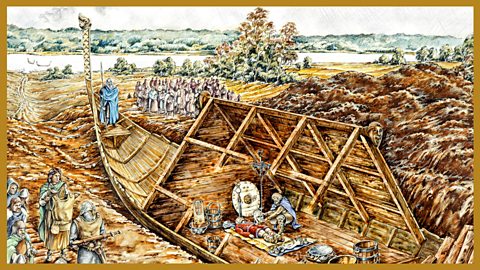
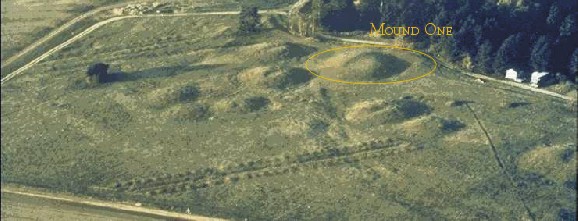
Ally Sherrick set her story at the Sutton Hoo site,  where the famous early 7th century longship burial and grave of what is believed to be Redwald, King of the East Angles and High King of Britain was discovered in 1939 on the eve of the outbreak of war. The ship contained grave goods ranging from humble domestic items such as cups and buckets to some of the most stunning treasures ever discovered in northern Europe. Many of the most precious items, including the famous Sutton Hoo helmet, shield and sword belt, are decorated with dragons which the Anglo-Saxons believed liked nothing better than to sit beneath burial mounds jealously guarding treasure hoards.

Buckle replica

This was the inspiration for her idea of a story about a dragon-headed crown based during WWII. Ally told me:

A sense of place is very important to me in my writing, both as a source of inspiration, and also as a character. I had visited the burial mounds and museum at Sutton Hoo, run by the National Trust, a number of years ago, but of course, once I started writing my story, I knew I would have to go again. And I was keen to revisit Woodbridge, where George meets Kitty and where her granddad’s museum – loosely based on Woodbridge Museum – is located.

Her novel is full of realistic descriptions of what it was like for a child to be a refugee during WWII. She did extensive research into the Jewish child refugees who travelled to Britain on the Kindertransports. She was also inspired by the stories her dad use to tell her about what it was like to be parted from his family and sent to live in the countryside.

Ally Sherrick

As the story is set in rural Suffolk, Ally wanted to be sure to try and capture elements of the local accent for characters like Bill Jarvis, the cruel farmer George lodges with. Ally explained this involved listening to recordings of Suffolk voices on the internet and identifying little idiosyncrasies of pronunciation which would give a flavour of the difference in speech between Londoners George and Charlie and the Suffolk-based characters.  For example for words with ‘ing’ endings, Bill Jarvis will always say ‘en’ instead.

Though all the German characters in the Buried Crown speak English pretty fluently, Ally did have them use German phrases at certain moments for emphasis or added drama. She told me that even though she does not speak German herself, she was able to run things past a good friend who is German, and her publisher, Chicken House, also had this double-checked too.

Ally said:

I am extremely grateful to everyone who helped me with checking the various elements of my story. Some of them were acquaintances, but others I approached via museums or special interest societies, the contact details for which I sourced from the internet. All were more than happy to help, and I know the book is more authentic as a result. As I say in the acknowledgements, all errors are my own! 

Ally’s tip for other writers is to follow your curiosity wherever it may lead you. She found it added extra dimensions and layers to her novel.

You can read the full interview in the August 2019 #214 issue of Writers Forum.

You can find out more about Ally Sherrick and her books on her website: www.allysherrick.com and follow her on Twitter: @ally_sherrick

Book Review – The Buried Crown

Title: The Buried Crown

Written by: Ally Sherrick

Cover illustration by: Alexis Snell

Published by: Chicken House Books

The Buried Crown

The Buried Crown is set in WWII when Britain was on the brink of invasion. Londoner George has been sent to live in the countryside while his brother Charlie trains to be a spitfire pilot. But he’s far from safe, he’s been placed with Bill Jarvis a drunken bully, the policeman’s son picks on him because he’s from the city and Nazis are hiding across the river. His only friend is Bill Jarvis’s tortured dog and refugee Kitty, the granddaughter of a Jewish archaeologist who came to Suffolk on the Kindertransport.

This exciting historical adventure hits all the tick buttons for me. I enjoy ghost stories, I love history and I love mythology even more. The novel successfully and seamlessly weaves Anglo-Saxon mythology with real WWII history, Adolf Hitler’s love of mythical objects and the 1939 discovery of the Sutton Hoo archaeological site, where the famous early 7th century longship and its stunning treasure was found. It is believed to be burial ground of Redwald, King of the East Angles and High King of Britain.

Sutton Hoo treasure

The ship contained grave goods ranging from humble domestic items such as cups and buckets to some of the most stunning treasures ever discovered in northern Europe. Many of the most precious items, including the famous Sutton Hoo helmet, shield and sword belt, are decorated with dragons which the Anglo-Saxons believed liked nothing better than to sit beneath burial mounds jealously guarding the treasure hoards, as powerfully depicted in the Anglo-Saxon epic poem, Beowulf.

So when the fictitious, priceless Anglo-Saxon crown is stolen, George is plunged into danger. It’s up to him and Kitty to protect the crown before it’s too late and help the ghost of Redwald rest in peace. The characterisation is strong and believable.

It would be an ideal book to support a topic on WWII in the classroom. It demonstrates the emotional turmoil of both evacuees and refugees during the 1940’s. Ally Sherrick creates a real atmospheric feel for the era with her vivid descriptions. This book is an exciting and dramatic adventure full of twists and turns from the beginning to the end. A must read book.

Sutton Hoo Burial Ground

The only thing that was really missing was a map. I would have really liked a map of the site, village and location of the army site as Ally Sherrick imagined it. The amount of times I checked for a map because I thought I must have missed it was unbelievable. So I ask, please add a map in the next edition.

Sutton Hoo Burial Ground2