Tag Archives: Research Secrets

An Interview with… Rebecca Smith

In another author interview flashback, I recount when Rebecca Smith told me she used photos and family history to write her saga, The Ash Museum, published by Legend Press. The interview appeared in my ‘Research Secrets slot of Writers’ Forum issue #234 Jul 2021.
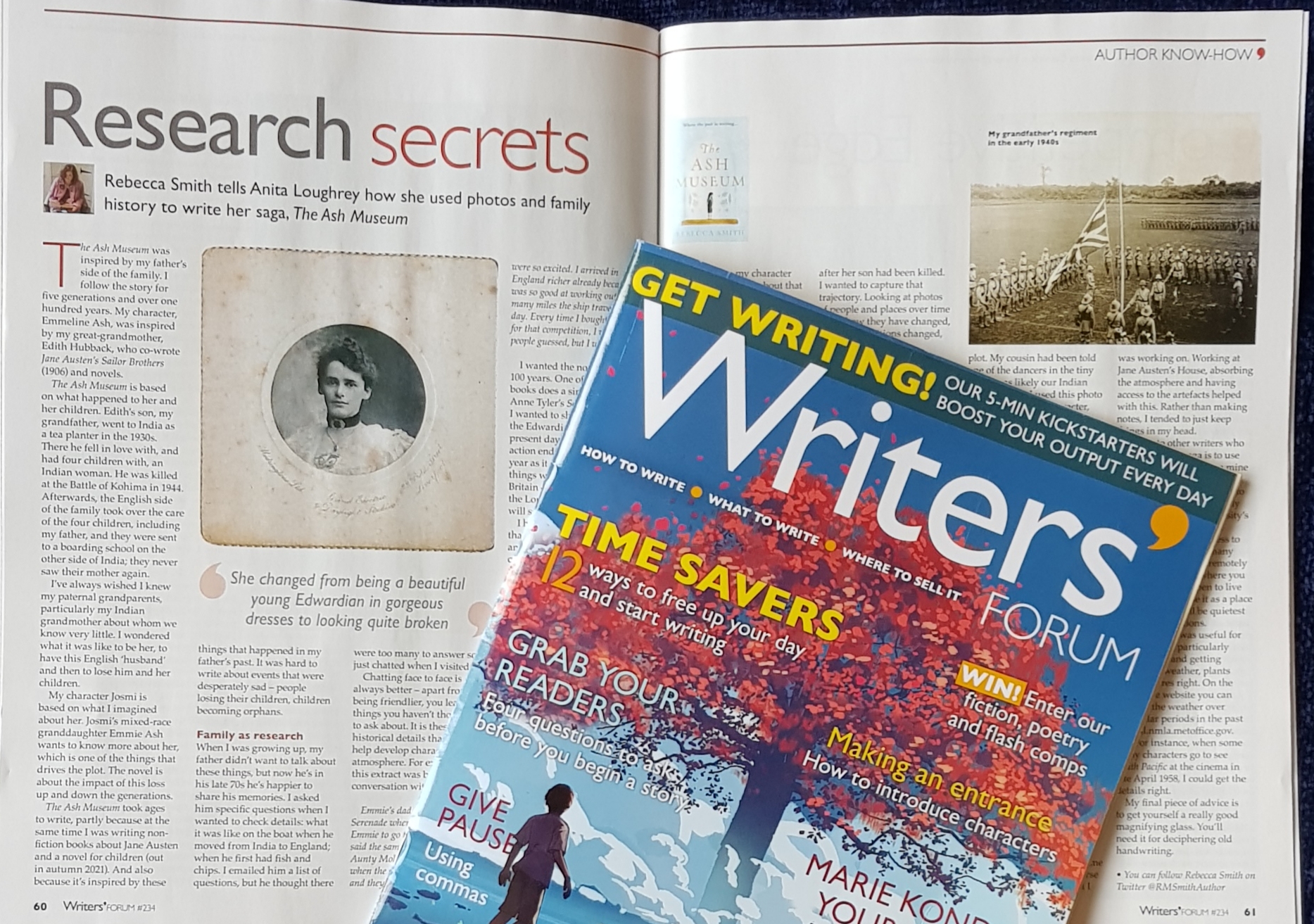
The Ash Museum, is an intergenerational story of loss, migration and Rebecca’s search for somewhere to feel at home, inspired by people on her father’s side of the family and what happened to them. She follows their story for five generations and over one hundred years. The character, Emmeline Ash, was inspired by Rebecca’s great grandmother, Edith Hubback, who co-wrote Jane Austen’s Sailor Brothers in 1906.

The Ash Museum is based on what happened to Edith Hubback and her children. Edith’s son, Rebecca’s grandfather, went to India as a tea planter in the 1930s. There he fell in love with and had four children with her grandmother who was Indian. Her grandfather was killed at The Battle of Kohima in 1944. After this happened, the English side of the family took over the care of the four children (including Rebecca’s father) and they were sent to a boarding school on the other side of India; they never saw their mother again.

“I have always wished I knew my paternal grandparents and great grandparents and particularly wanted to know more about my Indian grandmother, about whom we know very little. I wondered what it was like to be her, to have this English “husband” and then to lose him and her children.”

Rebecca Smith

Rebecca’s character, Josmi, is based on what she imagined her grandmother to be like and is at the heart of her novel. In The Ash Museum, Emmie Ash (Josmi’s mixed-race granddaughter) wants to know more about Josmi, and this is one of the things that drives the plot. The novel is about the impact of this loss up and down the generations.
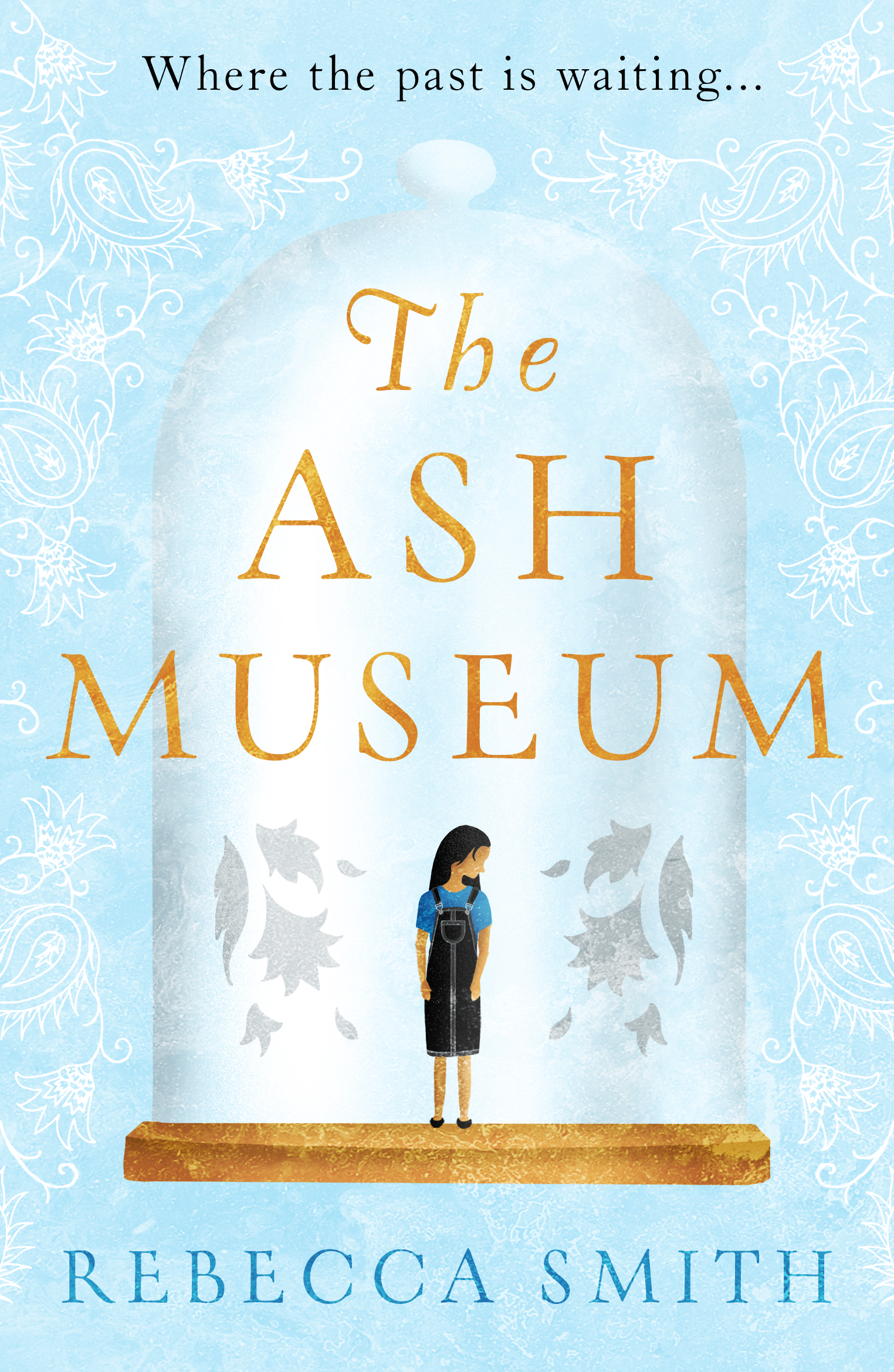
The Ash Museum by Rebecca Smith

As part of her research Rebecca has collected hundreds of books that belonged to previous generations and she explained these were useful in creating characters and historical changes over the generations.

“We can tell so much by what people like to read. I have maps, books about rock climbing with my grandfather’s annotations, an atlas from the 1920s, and poetry, history, philosophy and most importantly, novels. There is a wealth of information to tap into.”

Rebecca Smith

When it came to adding historical details to family meals, she used the only cookery book one of her great aunts had –Radiation Cookery Book: A Selection of Proved Recipes for Use with ‘New World’ ‘Regulo’- Controlled Gas Cookers (19th Edition, 1936). REbecca reckoned it must have come free with her stove. She recognised some of the things she used to cook when she visited and Rebecca tried cooking those and other things herself to get an understanding of the process and how they felt.
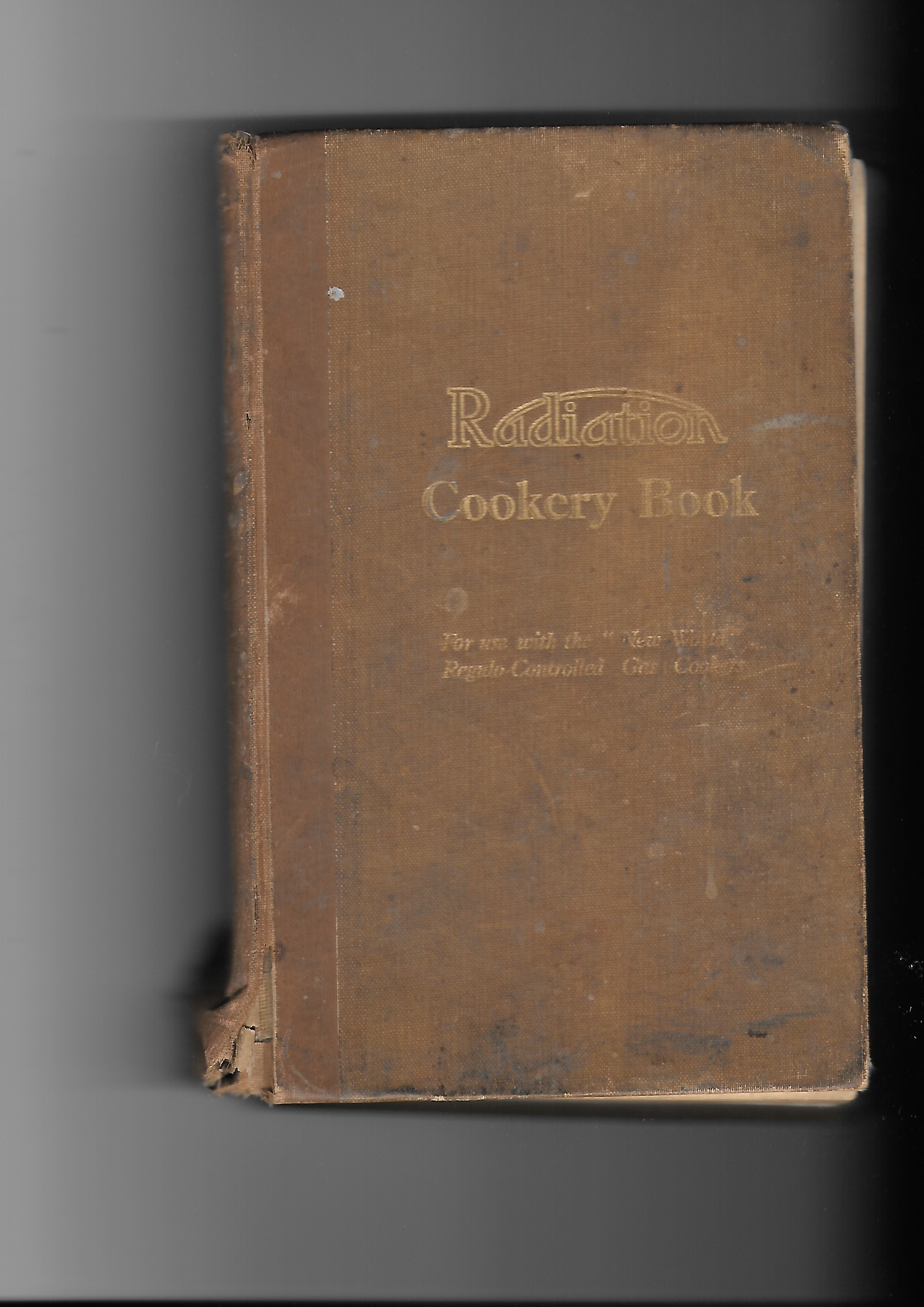
The cookery book that belonged to Rebecca’s great aunt

Inspired by her family’s history, she was planning to write lots about The Battle of Kohima where her character, James dies, so she read lots about it and watched documentaries, but in the end Rebecca decided to do things more from his ‘wife’ Josmi’s point of view and ended up with just one very short battle scene. She told me that a lot of her notes and links to articles and images were stored on her phone.

Rebecca explained when she started writing a cousin gave her boxes of family papers. The photos, particularly of when her great grandparents were in Canada, and when her grandfather was in India, were extremely useful. She also found her great grandmother’s diaries kept when her children were small invaluable because her grandmother, Edith Hubback, had recorded things that so many mothers do – funny things her children said and the dates of their first steps and other milestones.

“It was so moving reading these observations 100 years on and knowing what had happened to her children when they grew up.”

Rebecca Smith

She elaborated that the photos showed how Edith had changed from being a beautiful young Edwardian in gorgeous dresses to looking quite broken in the 1940s after her son, my grandfather, had been killed. Rebecca wanted to capture that trajectory. Looking at photos of people and places over time to see how they have changed and traditions changed helped her to do this.
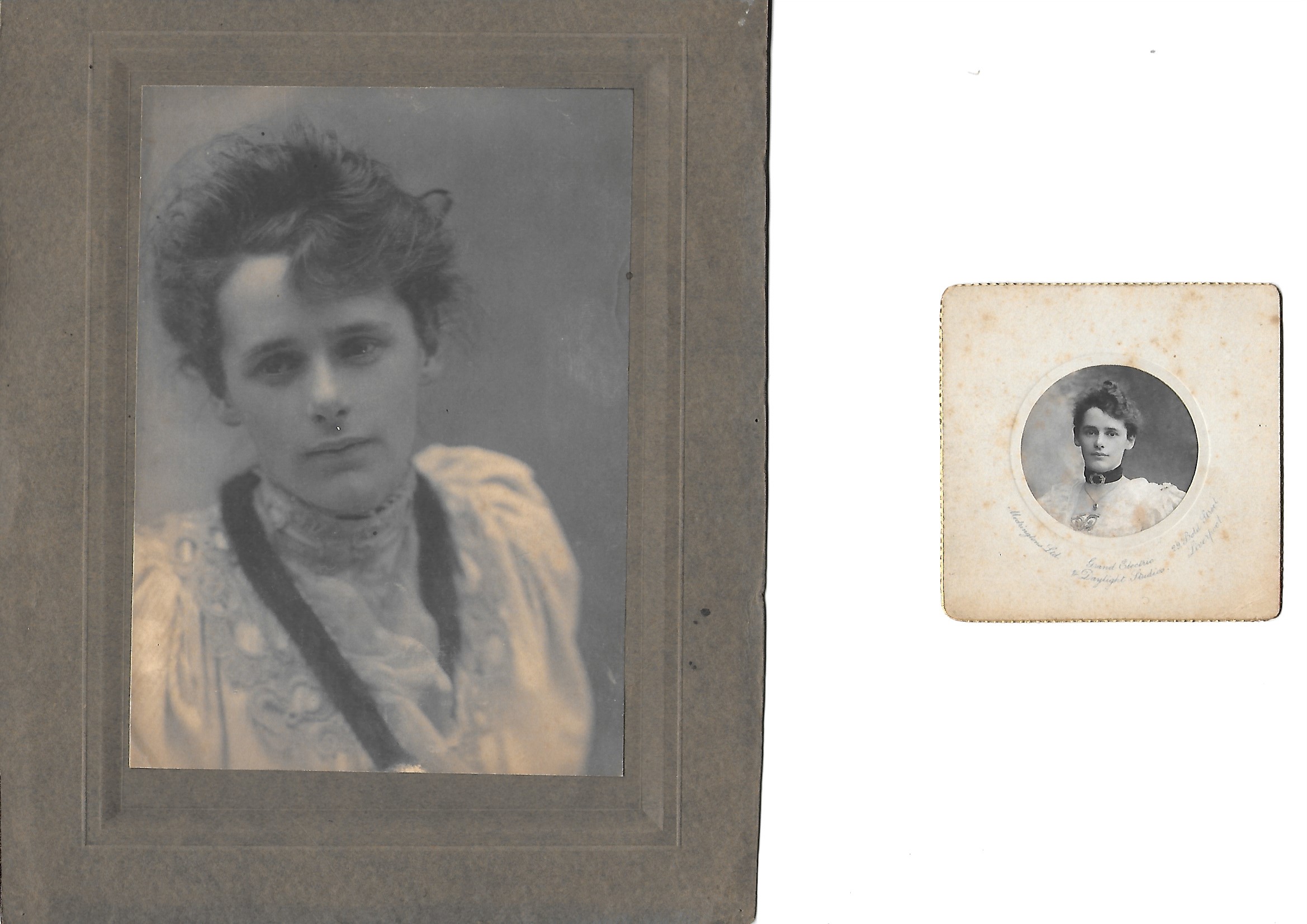
Edith Brown nee Hubback c.1907

Another great research resource was when she was the writer in residence at Jane Austen’s House. She saw the way the curator (then Louise West) used objects to tell the story of Jane Austen and how much can be conveyed and evoked in an economical way and the importance of the visual in storytelling.

Rebecca told me as people walk around the museum, they learn Jane Austen’s story by looking at small things – a needle case made for a niece, Cassandra’s teapot, the quilt made by the Austen women, and of course the books and letters. this observation made her realise by using objects she could have strong threads in the novel without having to ‘tell everything’ that happened.

“I ended up using objects to structure the novel too – it is in the form of a visit to a museum. I plan around scenes and key images – that helps make the writing more manageable and the finished work (I hope) pacier and more memorable.”

Rebecca Smith

Her tip to other writers who want to write a saga is to use your libraries. Librarians are a wealth of information and always pleased to help. she urges authors to make the most of their library card as it gives you access to wonderful resources, many of which you can use remotely so it does not matter where you live.

You can follow Rebecca Smith on Twitter @RMSmithAuthor and Instagram @rebeccamarysmith7

To read the complete feature you can purchase a copy of #234 Jul 2021 Writers’ Forum by ordering online from Select Magazines.

To read my future Writing 4 Children or Research Secrets interviews you can invest in a subscription from the Writers’ Forum website, or download Writers’ Forum to your iOS or Android device.

An interview with… Helen Yendall

I interviewed Helen Yendall about her research for her debut novel, A Wartime Secret. In my Research Secrets slot in issue #245 13 Jul 2022 of Writers’ Forum, you can read all about the research Helen Yendall did for this historical novel set in WWII and how this research inspired her plot, setting and characters.

Helen explained that A Wartime Secret, was inspired by the true story of a bank and its staff that were moved to the countryside for the duration of the war. The main character is feisty Maggie Corbett, who moves from London to the Cotswolds with Rosman’s merchant bank. She’s a fish out of water in many ways. Although it’s set during the war, it’s an upbeat story and one reviewer described it as ‘EastEnders meets Downton Abbey’.

She discovered the story of the bank moving to Upton for the duration of the war, when she visited an exhibition at Upton House called Banking For Victory. This was long before she decided to write a novel about it. The house was reconfigured as it would have looked during the 1940s and Helen revealed she visited it more than once. By the time she realised it would make a great setting for a novel, the exhibition was over. However the National Trust researchers were was able to confirm many of the details she remembered. 

A Wartime Secret by Helen Yendall

Real aspects of Upton House are included in A Wartime Secret: the outdoor swimming pool, in which bank employees swam before work (and which features in an incident in the novel), the Mirror Pool in the grounds, which was filled in during the war, so it didn’t act as a marker for enemy planes and one of the Canaletto paintings, which currently part of Upton House’s art collection.

“I always had Upton House in my mind when I pictured my fictional Snowden Hall but I moved the house slightly, from Warwickshire to Gloucestershire, to create a little distance from the real place.”

Helen Yendall

Helen does a lot of research before she starts to write a novel, as it always gives her ideas for her plot. For example, the real bank – M Samuel & Co – was actually moved from the City of London to Warwickshire in 1939, as soon as war broke out. Helen decided to move the bank in 1940, once the Blitz had started. She told me this was vital for the very first scene of the book when Maggie is lying face down on the floor of a bus, during a raid, an idea that she said came from The People’s War by Felicity Goodall. This book contains an extract from a woman’s diary, describing her reactions in an air raid.    

Primary sources were invaluable to Helen. She explained when you’re writing historical fiction, you really need to try to immerse yourself in that time. If you can read letters or books written in that time or watch films made during that era it all helps.   

But her research was not always plain sailing. Helen discovered several thousand adult Jews were smuggled into Britain during WW2 but couldn’t find out anywhere how this was done. So, although it features in her story, she had to be vague and non-specific about it and let the reader imagine contacts and underground organisations for themselves.

“Sometimes you simply won’t be able to find something out and you can spend hours and end up no further forward. If this happens to you, ask yourself if it’s absolutely essential to the story, or can I get around it in some way? Sometimes, if you’re a little vague about how something might have happened, I think that’s better than putting in lots of details that might actually be wrong.”

Helen Yendall

For A Wartime Secret, Helen needed to know how long it would take a letter to arrive and then how long it would take for her character to receive a reply, within Britain. She struggled to find this out so in the end, she emailed her question to an expert at the Postal Museum https://www.postalmuseum.org/  and had an answer within a few days.

Another valuable resource for Helen were the 1940s Facebook pages she belongs to. She said someone on those will often answer a question, if she is stuck. However, she reminds people it is wise to double-check information found via social media.

“It is worth joining a few relevant groups that are interested in the same era as your novel is set. They can provide a wealth of information, photographs and helpful links.”

Helen Yendall

For people wanting to do their own research into WWII, Helen suggests looking at the British Newspaper Archive as it contains 50 million pages of news stories from 1699 to 2009. She explained it is a paid subscription service, starting at £6.67 a month if you subscribe for a year and there are lots of articles available for free.

Helen warned it’s very easy to get carried away with your research and end up with much more material than you can ever feasibly use, at least in one novel. Her advice is no to try to cram in everything you learn about a period of time. Be selective. If one strand won’t fit into this book, perhaps you can use it for another – a sequel perhaps.

Follow Helen her on Twitter: @helenyendall and on Facebook: @helen.yendall. You can also check out the posts on her blog at: www.blogaboutwriting.wordpress.com.

To read the complete feature you can purchase a copy of #245 13 Jul 2022 Writers’ Forum by ordering online from Select Magazines.

To read my future Writing 4 Children or Research Secrets interviews you can invest in a subscription from the Writers’ Forum website, or download Writers’ Forum to your iOS or Android device.

An interview with… Alex Evelyn

For my Research Secrets slot in this month’s #244 9 June 2022 issue of Writers’ Forum, I interviewed debut children’s writer, Alex Evelyn, about her research into botany for her middle grade novel, The Secret Wild, published by Walker Books.

Alex Evelyn explained she was actually writing a time travel story set in Egypt when the idea for The Secret Wild came to her. So she filed the original idea and switched her research from pharaohs to plants. The idea for her main characters Fern and Special came to her when she was helping at a plant sale at her village primary school. The children were queueing up to buy mini cacti, and when they had their new ‘pet’ in their hands they were chatting about what they were going to call them and where in their bedrooms they were going to put them. Alex did some research which showed house plant sales were booming amongst younger people, which gave her story idea roots. Alex revealed:

“During my research I was surprised to learn that there is such a thing as botonaphobia. Fern’s friend Woody’s character was already partly based on my own journey with anxiety, and when I read about this very specific fear I had to explore more.”

Alex Evelyn

She explained one of the things she has learnt about anxiety is that your own fears can be almost incomprehensible to others who don’t suffer from the same fear. This was the case for her with botonophobia – she couldn’t imagine how anyone could be scared of something she found so soothing. Fern is also very confused by it, but as she learns about friendships, she learns not to judge this unusual fear of Woody’s.

“I am very aware that writing for young children I need to entertain first and educate second – and never, ever to preach. Characters and a well-paced story have to form the backbone, the STEM is merely the flesh.”

Alex Evelyn

Alex told me one of the most useful resources she didcovered during her research was a second hand collection of Kew Garden botany books from World of Books. Determined to become an overnight expert she ploughed straight in to their Latin for Gardeners but no matter how hard she tried she couldn’t remember the plants’ Latin names, and so the part of Fern’s character that drives her scientist Dad Darwin mad was created – she, like Alex, can never remember names and responds more to how the plants look and feel than by being successful at categorising them.

To see plants through a child’s eyes or to ‘think the right height’ she dipped in to the Plantopedia by Adrienne Barman, a beautifully illustrated book that categorises plants using criteria that appeal to a young child.  From the ‘imposters’ to the ‘stinkers’, the ‘useful’ and the ‘healers’ to the ‘poisoners’. Alex explained the book brings the amazing plants on this earth to life as if they are characters.

The Secret Wild by Alex Evelyn

Alex divulged her setting was inspired by a visit to the Natural History Museum in London when she strolled past a sign for an open garden on the roof on an office block. She wondered what was hidden away up there, beyond the reach of our eyes. The shoot of an idea began to sprout – a glasshouse in the sky that held plants from the wilder places of the world.

“I am not a natural city dweller, and so it was easy to write Fern’s astonishment at arriving in such a big, overwhelming place. Fern is much more at home surrounded by the wilds of the rainforest. The minute we could get back on to the streets of London I was there with notebook in hand. I wanted to try and show that as a Londoner you can feel that you live in a village tucked in to the greater mass of the city.”

Alex Evelyn

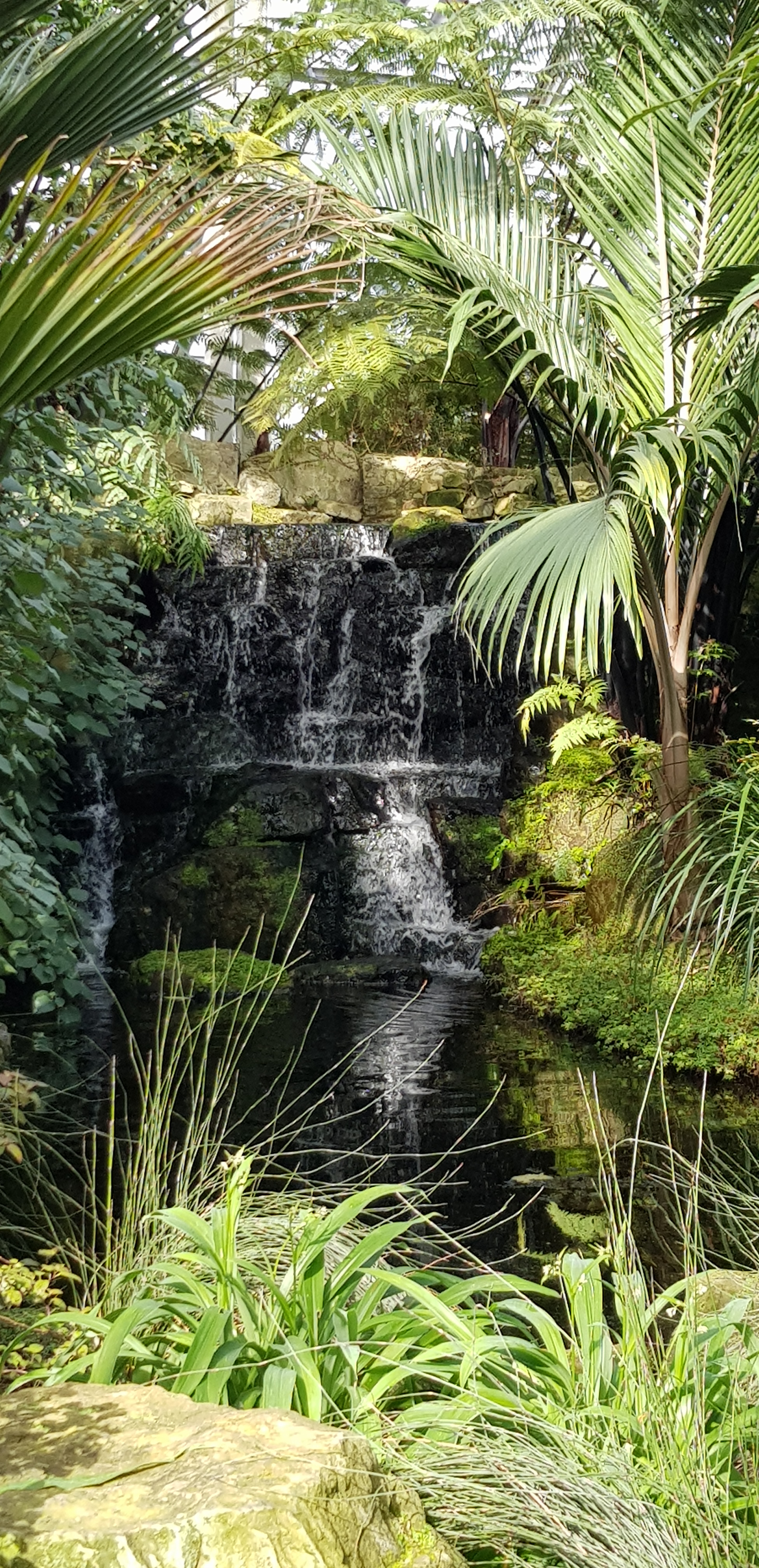
Alex revealed that one of her favourite pieces of research was visiting the great glasshouses of Kew Gardens as this helped with writing the five senses. Feeling so hot that sweat ran down her legs, seeing water droplets on luscious leaves and feeling the texture of the plants bought them to life in a way she could never have discovered from books alone.

Kew Gardens

Alex told me she often ‘writes with her nose’ and it was the smell of the Kew glasshouses that helped her write the scene when Fern and Woody first walk in to Oleander’s glasshouse in the sky:

As they stepped forwards, they parted a cloud of butterflies which scattered like tiny pieces of torn paper being blown in the wind. A warm, figgy smell wrapped itself around her nostrils, sweet and delicious.

Extract from The Secret Wild by Alex Evelyn

Alex’s tip to other writers is to let your research lead you to places you haven’t necessarily planned. She elaborated that she often finds her narrative guided by things she discovered by digging a bit deeper and a bit wider. Nothing is ever wasted, even if you don’t end up using your research directly it might inform the depth of a character or a setting. But you do have to know when to stop. Research can be a lovely black hole that stops you from focusing on the hard task of drafting words in to a story. 

You can follow Alex on Twitter @alexrevelyn.

To read the complete feature you can purchase a copy of #244 8 Jun 2022 Writers’ Forum by ordering online from Select Magazines.

To read my future Writing 4 Children or Research Secrets interviews you can invest in a subscription from the Writers’ Forum website, or download Writers’ Forum to your iOS or Android device.

An interview with… Finbar Hawkins

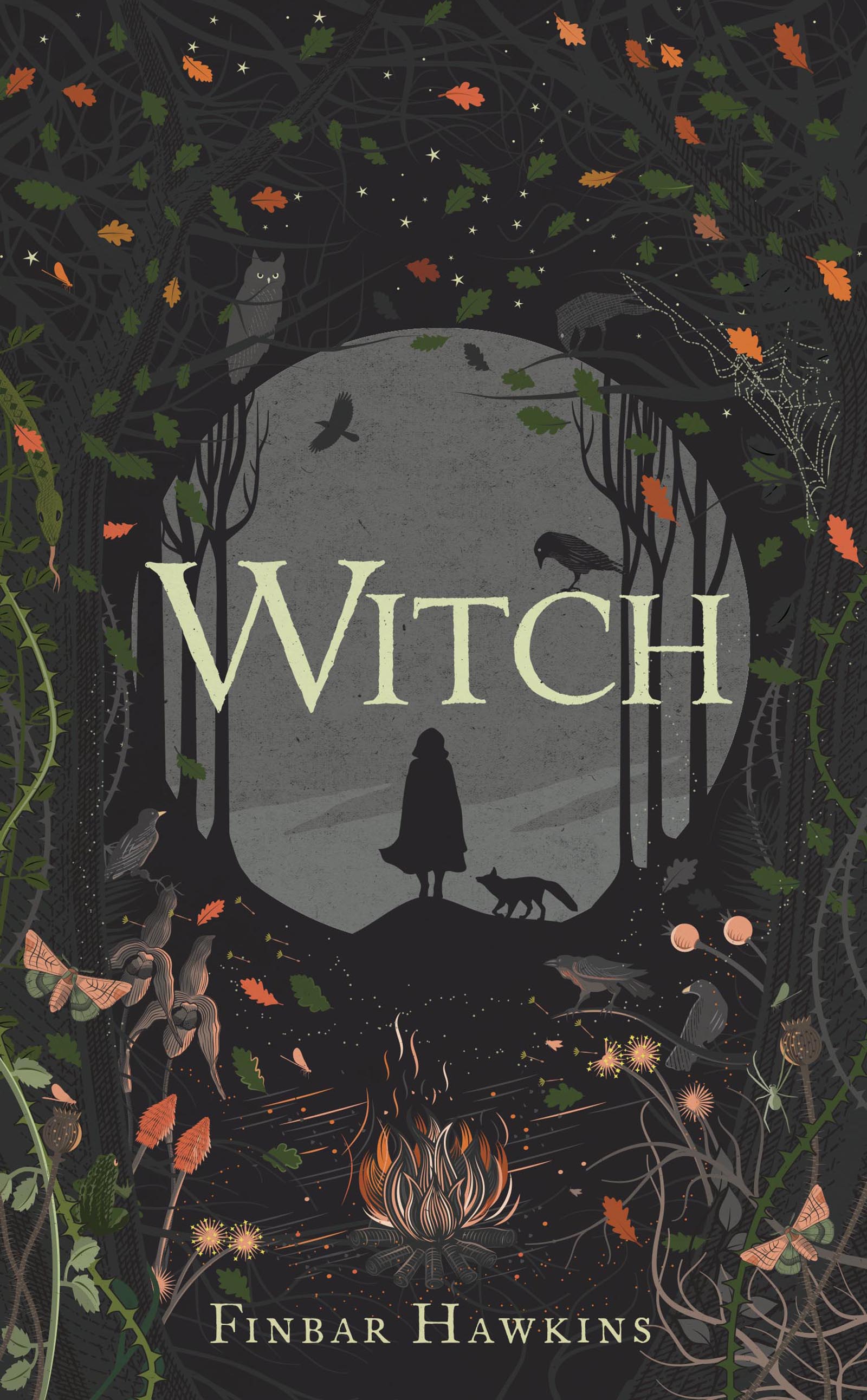
In an interview with Finbar Hawkins in April 2021, he told me all about the research he did into the notorious witch trials in the UK for his debut YA novel, Witch.

He said Witch, came about from an exercise in his first term of an Arvon foundation course where they were asked to write something with a historical setting.

“While out walking the dog (and a deadline looming!) I started thinking about the Pendle witch trials. And from there I thought about what it would have been like as a teenager experiencing the arrival of witch finders at her home, uprooting her family, how she would cope and strive for survival.”

Finbar Hawkins

Finbar explained that ever since childhood, he has been fascinated in myth and legend – one of his favourite books at home was the Reader’s Digest, Folklore, Myths and Legends of Britain, reading about our country’s history of witchcraft. The early woodcuts of the trials also struck him– how they graphically portrayed these women as malevolent devils. He learnt that witchcraft, an ancient practice, was the victim of religious persecution. People, who for centuries had helped a community, were considered a threat to organised religion. And during the English Civil Wars the trials came back with vigour, witches largely being blamed for the suffering brought upon by the chaos of the fighting.

He said there are a lot of books about witches and witchcraft, and there’s a large body of academic work devoted to its study. So he simply dived in and found particularly useful books. An all-round primer, which he found fascinating is The Book of English Magic by Philipp Carr-Gomm and Richard Heygate, this gives a brilliant and in-depth appraisal of our magical history. Witch Hunt: The Persecution of Witches in England by David and Andrew Pickering was incredibly useful, gathering records from every county across the centuries. This book really helped Finbar to build a picture of the general hysteria around the trials. And for an in-depth study into witches, their portrayal and their importance as symbols, The British Witch by P.G.Maxwell-Stuart is exhaustive and thorough.

In Finbar’s book, the witchfinder, Jacobs, is based on the real-life and self-titled Witchfinder General, Matthew Hopkins. With his associate John Stearne, this determined young man cut a swathe across the East of England over the course of a bloody year in 1646. Witchfinders by Malcolm Gaskill was his go-to piece of research to understand the circumstances that led to Jacobs’ campaign.

He also visited an exhibition of Goya’s sketches of Witches at the Courtauld Institute (https://courtauld.ac.uk/gallery/what-on/exhibitions-displays/archive/goya-the-witches-and-old-women-album.

“These sketches definitely helped with the coven and crowd scenes in my book.”

Finbar Hawkins

Finbar revealed Spellbound was a wonderful exhibition at the Ashmolean Museum in Oxford https://www.ashmolean.org/spellbound  He told me that they had a copy of Matthew Hopkins’ The Discovery of Witches (1647) which is chilling to see. Not only did this notorious man kill over a hundred women, he encapsulated and really celebrated his act for posterity.

An important part of Witch is Evey’s voice, and her way of seeing the world. Finbar wanted her to have this very specific, lyrical way of speaking, to make her sound very different to the norm. She’s also grown up in the West country so he wanted her to have that accent as part of her speech patterns. He used online accent archives to get the rhythms of her speech right. Dialectsarchive.com and also searched on YouTube for interviews with people from the West.

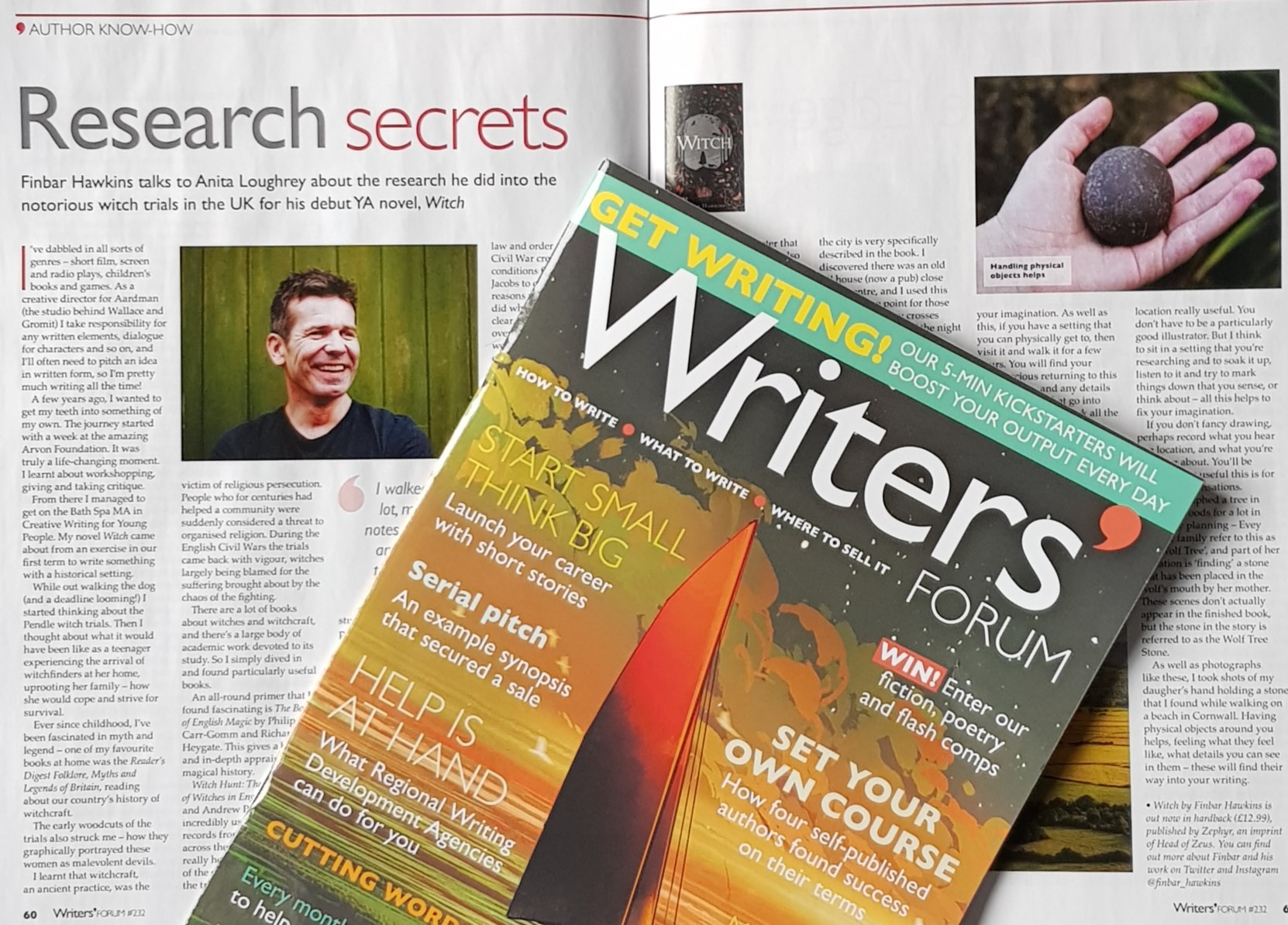
Witch is set in Wiltshire and in particular The Mendips area. He wanted the girls, Evey and her younger sister, Dill, to be travelling across the hills and valleys of this area. To achieve the dramatic sweep that this beautiful setting gives Finbar walked the area a lot, made notes on flora and fauna and took lots of photographs. He also found sketching in location really useful for details and sensations.

He photographed a tree in his local woods for a lot in backstory planning – Evey and her family refer to this as the ‘Wolf Tree’ and part of her initiation is ‘finding’ the stone, where it has been placed by her mother in the mouth of the wolf. These scenes never actually appeared in the final book, but the stone in the story is referred to as the ‘Wolf Tree Stone’.

“I took shots of my daugher’s hand holding a stone he found while walking on a beach in Cornwall. Having physical objects around you helps, feeling what they feel like, what details you can see in them, these will find their way into your writing.”

Finbar Hawkins

You can find out more about Finbar and his work @finbar_hawkins on Twitter and Instagram.

To read the complete feature you can purchase a copy of #231 Apr 2021 Writers’ Forum by ordering online from Select Magazines.

To read my future Research Secrets or Writing 4 Children interviews you can invest in a subscription from the Writers’ Forum website, or download Writers’ Forum to your iOS or Android device.

You can buy copies of Witch by Finbar Hawkins from your local bookshop, or online at uk.bookshop.org, an organisation with a mission to financially support local, independent bookshops.

An interview with… Cliff McNish

In April 2009 I interviewed children’s novelist, Cliff McNish, about his love of research and how he believes it is essential for writing fantasy novels.

Cliff told me he loves research because it can spin stories in utterly new directions. He believes research is truly the ultimate lateral-thinking tool. He explained as writers we mostly tend to find our thoughts tethered to more or less the same highly travelled and well-worn themes, plots and characters, but research can shatter that dismaying truth.

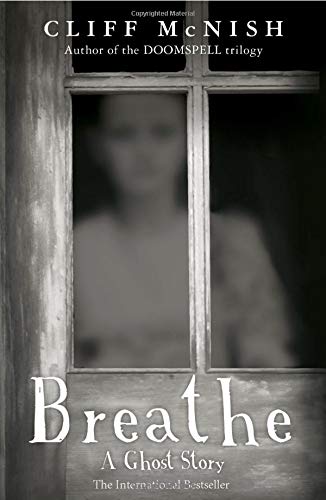
For example, in his ghost story, Breathe, he needed to know what the average early 19th century rural English family ate. Whilst searching online he found some information about rural poverty in the 1820’s and how families in that era routinely saved one fifth of their wages purely to pay for funerals. This fact influenced the direction of his ghost story.     

“The big problem for fantasy writers is that as soon as you depart from the real world readers forever teeter on the edge of disbelieving your creation. Fantasy writers have a whole host of techniques to make our made-up things feel authentic and believable, but good research is probably the main one.”

Cliff McNish

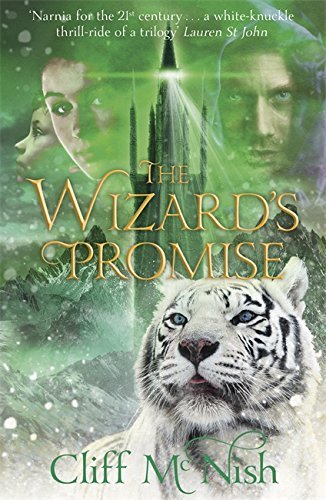
For example, in The Wizard’s Promise he sent gangs of children to modern Tokyo. The children can fly and create spells, and terrorize the magic-less adults but was grounded in the reality of the urban city. To ensure this Cliff checked the street layout, the tallest buildings, other landmarks and even the food.

He explained that fantasy authors and readers have an immense hunger for details that are or at least feel real.

“It’s part of the fantasy author’s contract with his/her audience, really – I’ll make things up, but dear reader you will understand the rules, and I’ll keep them consistent, and when I do refer to real world facts I’ll have done my research, the information will be reliable, depend on it.”

Cliff McNish

In his novel Silver World there is an alien attack starting in frozen Antarctic waters.  To make it feel authentic Cliff checked which islands/ice floes the attacking creature would reach first and what animals and species of birds lived on them. This research personalized the story and gave him focus.

He discovered albatrosses live in those seas and they fly faster than any other bird over great distances. He then put himself in the position of those albatross and imagined he knew what was coming: death, unless they could outfly it. Cliff revealed he ended up becoming very absorbed in the lives of these birds, but the spark for the scene was research.

“Facts become emotions in the end, if they’re dwelled on for long enough by an active imagination. And research + imagination = creativity.”

Cliff McNish

Cliff’s teenage moral drama Angel, has non-religious guardian angels beating their wings across the skies. Research into angel ‘sightings’ showed one of the most commonly held beliefs amongst Angelologists is that when they visit us our guardian angel leaves as a calling card one of its feathers. Cliff decided that for his novel even after an angel dies (in his novel they are mortal), the feathers outlast them a little, and can still provide comfort for a short time to someone who needs it. Without research, he would never have thought of that.     

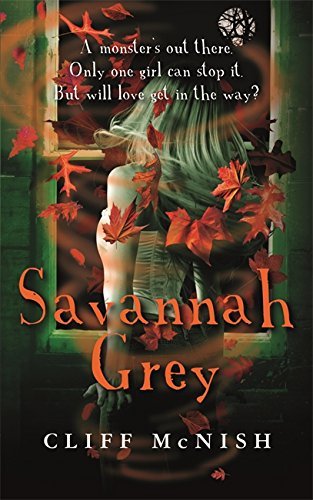
For his novel, Savannah Grey, he created a creature that arrived on our world three billion years ago. It was a predator and was seeking to hit the apex of the food chain to become the dominant animal, the ne plus ultra. He decided nature should battle this creature throughout time, which has meant a lot of evolutionary research. Not only to discover what natural enemies this creature would come across (starting with single-celled organisms), but what order those species would arrive in, when the first plants come to light, the first backboned fish, the first telescopic eyes.

In contrast his heroine has to a throat weapon and extraordinary eye-sight. To find out how throat consultants and optical technicians would investigate such aspects he interviewed hospital specialists in those fields . The result was a dark fantasy novel, for which the bedrock of the research makes it feel real.

To find out more about Cliff McNish and his books look at his website: www.cliffmcnish.com

To read the complete feature you can purchase a copy of #91 Apr 2009 Writers’ Forum by ordering online from Select Magazines.

To read my future Research Secrets or Writing 4 Children interviews you can invest in a subscription from the Writers’ Forum website, or download Writers’ Forum to your iOS or Android device.
An interview with… Caro Ramsay

In my Research Secrets column this month, I interview psychological thriller writer, Caro Ramsay, about some of the research techniques she has used for her crime novels.

Caro explained

“I always like to do something different with a book, which is not easy within the constraints of a long running series. So I wanted to try a story line that covered two novels while each novel in itself can be read as a standalone; The Suffering of Strangers and The Sideman.”

Caro Ramsay

The inspiration for her main storyline struck her when she was sitting on the side of a Scottish mountain, in torrential rain, gale force winds – it was the height of summer – watching a single walker on the other side of the hill tackling the West Highland Way. She had a feeling the walker was female. Caro was aware in that glen, you are a long way from a mobile phone signal.

For her research, she uses location visits, then the internet, then newspapers on the internet. With regard to research and police procedural her job as an osteopath means she treats lots of police and criminal lawyers. She often asks them for truthful answers about work conditions i.e. short staffed, too much paperwork, inter office politics. Caro said it’s these seemingly mundane minutiae which lends a sense of realism, not the procedures being correct (within reason).

Her advice would be to ask a lawyer about how the cops work and vice versa, then you will get the nitty gritty truth. She explained saying ‘I’m novelist and I’d like to know x, y and z,’ will get you the textbook version, not what happens in reality.

For Caro, the location fires the imagination for the story. She lives in the west coast of Scotland so the scenery is very dramatic. But Caro revealed that she steals setting ideas from elsewhere. For example, she was at Prince Edward, Lake Ontario, Canada looking at the water, slowly just walking along the scrub on the shore, through a hedge with long grass and wild flowers, when she realised my feet were hitting something hard. When she kicked back the soil it revealed a black and white tiled dance floor. A quick internet search and a few questions in a local café uncovered the sad story of the hotel that used to stand there. Caro used incorporated this into Durness on the North West tip of Scotland for The Sideman.

Caro told me sometimes it’s more prudent to write it and then find out what you need to know. Although she admitted to driving around in her small campervan looking for body deposition sites.

“There’s a famous road in Scotland called the Bealach na Ba, the pass of the cattle. It has hair pin bends at altitude, steep drops etc. The top is like a remote moon landscape. While having a coffee in a pub close by I saw the insignia of the SAS above the bar and a little research told me they did indeed train there, and that’s an important part of The Sideman story. So I got somebody to lie down at the top and pretend to be dead! I also ask friends to act dead then I move them around until they can’t be seen.”

Caro Ramsay

Sparks of stories also come to Caro through ‘incidental research’. The best thing is to ‘reverse research’. Find out what you need to know, use it, end of. Avoid information dumps. Keep away from the rabbit hole of the internet. Good research peppers the story with authenticity, it should never be obvious. Bad research bogs the story down. Caro said:

“A good tip is to not stop typing when you feel you need a particular word. I type in the word ‘wombat’ and get to the end of the draft. I believe Ian Rankin does the same but he uses capitals. Then when the draft is complete do a ‘find’ and fill in the detail.”

Caro Ramsay

Chatting to people, anybody, eavesdropping on conversations, people watching, are good ways to inform your characters. Caro’s tip to other writers is to keep your ears open. Everybody has a story. Never throw away anything, buy books of lovely post it notes, never be without your notebook. The most inconsequential fact or photo can percolate at the back of a writer’s mind and become the germ of a novel. Caro said:

Find out more about Caro on social media:

Facebook: Caro Ramsay

Twitter: @caroramsaybooks

Website: www.caroramsay.com

To read the complete feature you can purchase a copy of #228 Jan 2021 Writers’ Forum by ordering online from Select Magazines.

To read my future Research Secrets or Writing 4 Children interviews you can invest in a subscription from the Writers’ Forum website, or download Writers’ Forum to your iOS or Android device.
An interview with… Jane Borodale

In Dec 2009, I interviewed historical novelist and short story writer Jane Borodale for my Research Secrets column in the national writing magazine Writers’ Forum #98.

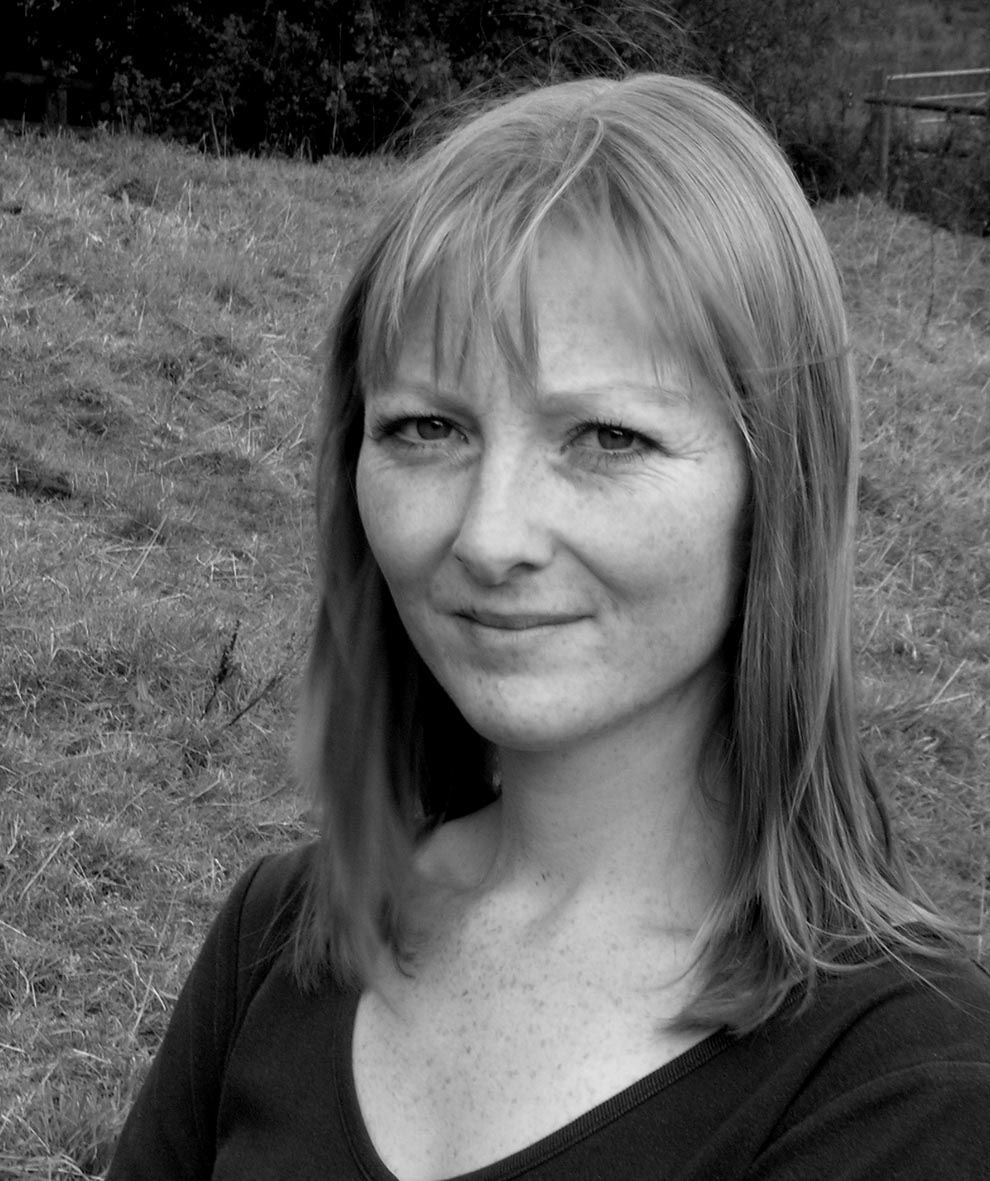
B Jane Borodale

She explained to me how she steeped herself in the period by reading widely, including contemporary commentary such as Thomas Turner’s diary of 1754-65 and the enclosure and rural social change, prostitution, illegitimacy, parish relief, the bills of mortality. She also listened to music; Handel, Rameau, Thomas Arne, secular street ballads and poured over maps of the period like John Rocque’s famous map of London, and images of daily life from Hogarth to Paul Sandby, to get a clear idea of clothes worn at the time.

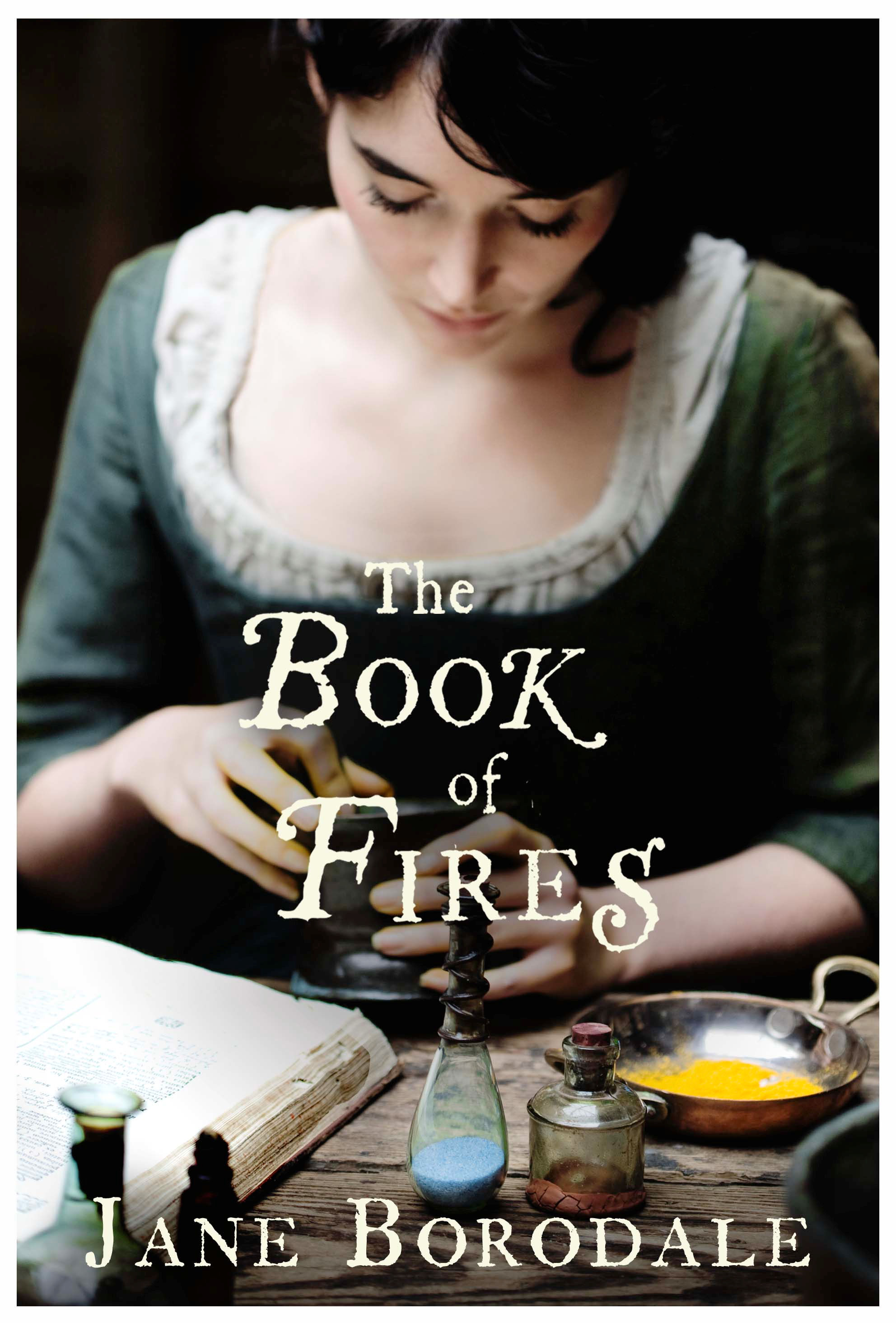
A THE BOOK OF FIRES

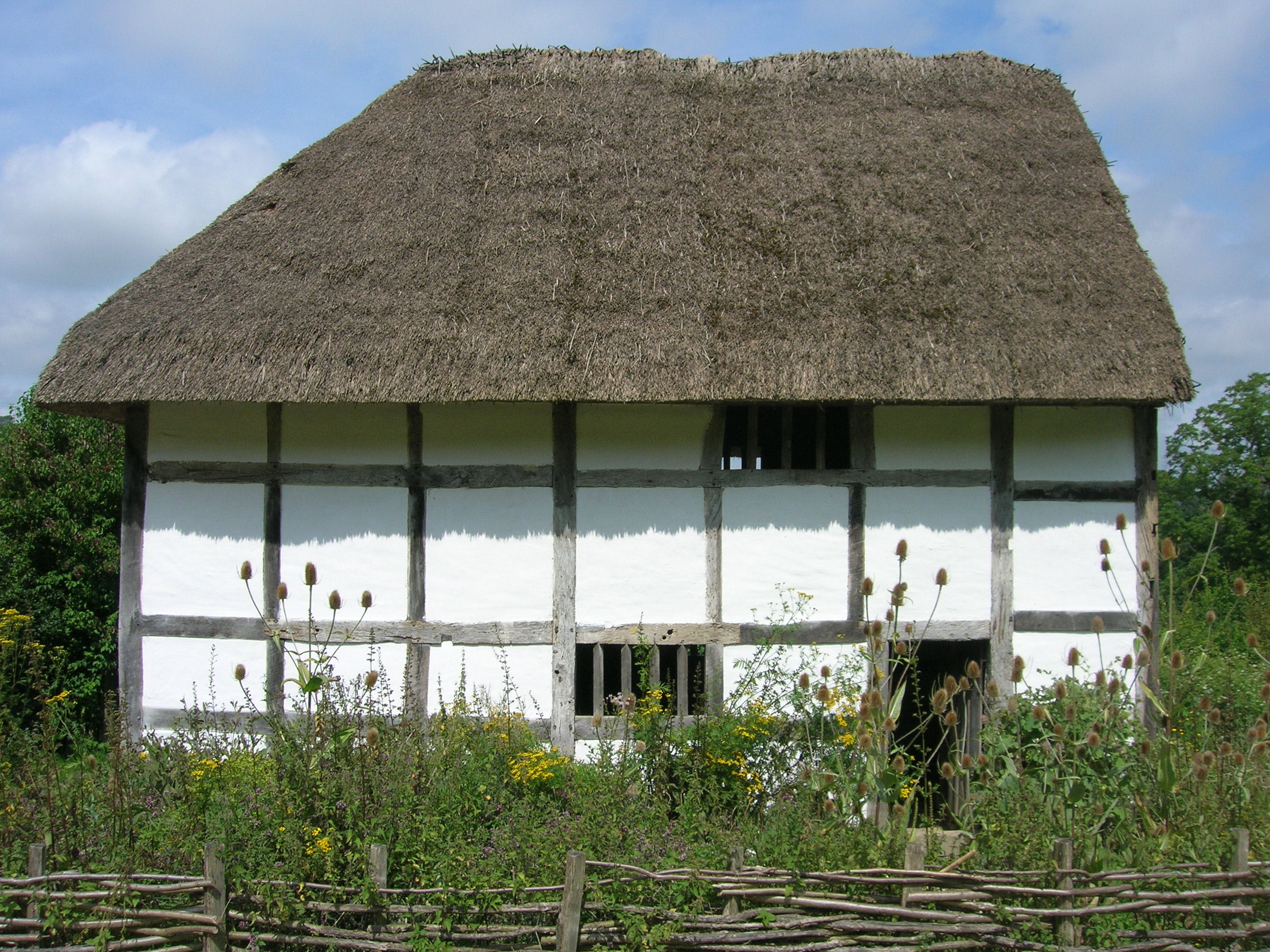
Whilst researching the chalk downland area for her novel, The Book of Fires, published by Harper Collins, Jane Borodale realised what a rich resource the Weald and Downland Open Air Museum was. Historic buildings, rescued from destruction and rebuilt to their original form on the Museum’s site in Sussex, demonstrate examples of vernacular homes, farmsteads and rural industries from the 13th to the 19th centuries. They’re presented in a historically precise way which also strongly evokes their individual setting and period, and they seemed ripe for exploring with the fluidity of fiction.

C Poplar Cottage Washington

“Studying the buildings closely has made an enormous difference to the scale of the way I see history – its human intimacy – and I have learnt much about using texture and atmosphere. The library for researchers at the Museum is a small goldmine – with an authentic 14th-century draught blowing over the flagstones under the thick oak door – and filled to the brim with books about vernacular architecture, building techniques and social history that relates to the Weald and Downland collection.” (Jane Borodale)

Jane explained that it was important to her to involve all the senses so she went to a butchery day one cold November, to discover what the smell of fresh pig fat was like; cooked recipes from Hannah Glasse that always seem to start ‘take a little bit of butter rolled in flour’; sat on the north scarp of the chalky Downs and looked inland, imagining her character Agnes creaking on the carrier up to London before the turnpikes had reached Sussex and grazed endlessly on the internet.

D Interior detail Bayleaf

She told me:

“I love research; it’s a huge privilege to spend time finding a trail through the wilderness of something fascinating – and call it work! I always think that looking at history is like putting your hand into a huge barrel for little fistfuls of stories – whatever comes up.” (Jane Borodale)

Researching the fireworks history was more specific, and Jane had the delicious feeling of eavesdropping on a faintly illicit scene to which she wasn’t initiated. She looked at both contemporary and modern fireworks material – the latter partly to verify the former, as many of the grubby fireworks manuals of the early 19th century were full of inaccuracies. She explained it was very exciting to order up little pamphlets at the British Library that had clearly been used over the years, blackened with thumbprints, offering recipes for detonating balls, silver rain, honorary skyrockets, serpents.

Many original documents are now digitised and searchable for free if you access them from your local library or records office – www.ancestry.com offers all census returns for England, Scotland, Wales and Ireland from 1841 to 1901, among other things, or you can subscribe for access from home.

The language of the 18th-century chemistry was also rich and poetic, with its roots still firmly planted in the work of the alchemists. Jane even had fireworks propped up in her workroom, in her desk drawers, and went to displays, rubbed gunpowder between her thumb and forefinger, visited a fireworks expert to talk about his pyrotechnic work (who also demonstrated an explosion for her in his garden).

For Jane, each of her projects has a different organising solution, but she tends to sort notes, maps and copying into a stack of variously coloured Manila folders, usually according to subject, though sometimes to place or period of time. She finds the activity of regularly sifting through helps her to remember what she has, and keeps it all current in her head when she’s working on something. She explained she has separate notebooks for different aspects – one for topographical on-site notes; one for useful scraps, and a (usually) smaller one that she always carry in case of sudden unexpected bursts of inspiration on the bus.

When a notebook is full she transcribes the best bits onto the computer, striking lines through the pages as she goes, and these notes tend to be a kind of halfway house towards the writing itself. At a records office or library she writes out her notes on sheets of unlined A4 and includes the reference of what she’s looking at the top of every page, which she also numbers as it really helps when she gets home and tries to make sense of all the pencilled, frantic scribbling. She finds the use index cards quite constricting.

Her writing tip for other historical writers is to actually go to the places your are writing about. Seeing for yourself the particular scale of an environment, the prevailing wind, light quality, smell, the tilt of the land or the narrowness of a street, where the sun goes down – distinctive things that can’t be got easily on the internet. Even a few, isolated hours makes all the difference. Also (and this is quite boring) she always tries to note down the full reference details of every tiny fragment that might be useful – it is hugely frustrating to be unable to follow up something half-remembered at a later date.

To read the complete feature you can purchase a copy of #98 Dec 2009 Writers’ Forum online from Select Magazines.

To read the latest research secrets interview you can invest in a postal subscription.

To find out more about Jane Borodale check out her website: www.janeborodale.co.uk

An interview with… M. G. Leonard

In my Research Secrets double page spread in Writers’ Forum M. G. Leonard explained how her research into beetles turned her fear of creepy crawlies into an obsession.

Front cover

She told me her, Beetle Boy book didn’t start out with a beetle as a central character and it wasn’t called Beetle Boy. M. G. Leonard revealed she knew there would be beetles in the story, but because she was scared of creepy crawlies and thought they were horrid and signified something bad it neveer occured to her to make them the protagonists. But when she started researching beetles she became obsessed .

She didn’t start keeping pet beetles until after Beetle Boy was published and was still nervous around live insects.

“Everything changed when I was invited to appear on Blue Peter for National Insect Week with lots of live beetles. I visited my entomologist friend, Dr Sarah Beynon, who has a bug zoo in Pembrokeshire. She spent a day getting me to hold insects, and I fell in love with rainbow stag beetles. They are so beautiful. I immediately bought myself a pair and took them home so that I could handle them every day and desensitize myself to my fear. I was at the beginning of a journey.” M.G, Leanard

Since then she has bought an adult pair of African flower beetles, which she claims are relatively easy to breed. Watching them grow, eat and eventually pupate, informed her descriptions of the rooms inside Lucretia Cutter’s villainous lair – the Biome deep in the Amazon jungle – featured in Battle of the Beetles.

MG Leonard’s tip if you are incorporating unusual pets into your stories, is to spend time with the living creatures. Peering at them in a zoo won’t give you a unique insight into the way they behave when they’re hungry, or horney, scared or resting.

The descriptions of what it feels like to hold a beetle, to hear a beetle flying, of how they express themselves, all comes from careful observation of her living pets. It’s because she keeps beetles she knows many species are nocturnal, none sleep, and they control their body temperature by burying into soil.

“I did so much research for the Beetle Boy series. There isn’t a book about beetles that I don’t own. I trawled the internet browsing every single website that contained information about beetles. I watched all the youtube videos, listened to BBC audio shows.” M. G. Leonard

M. G. Leonard told me that researching is like a treasure hunt. There’s no right or wrong way to do it. You find a clue and follow where it takes you. There’s no pattern to it. She believes that there is no greater resource to the researching writer than the internet. Google maps allow you to see any place on the planet and Wikipedia will give you information about it. Books would take years longer to write without them.

You can find out more about M. G. Leonard and her books on her website www.mgleonard.com and follow her on social media: Twitter @mglnrd; Instagram @mglnrd; Facebook @MGLnrd

To read the complete feature take a look at #219 Jan 2019 of Writers’ Forum magazine.

An interview with… Juliet Clare Bell

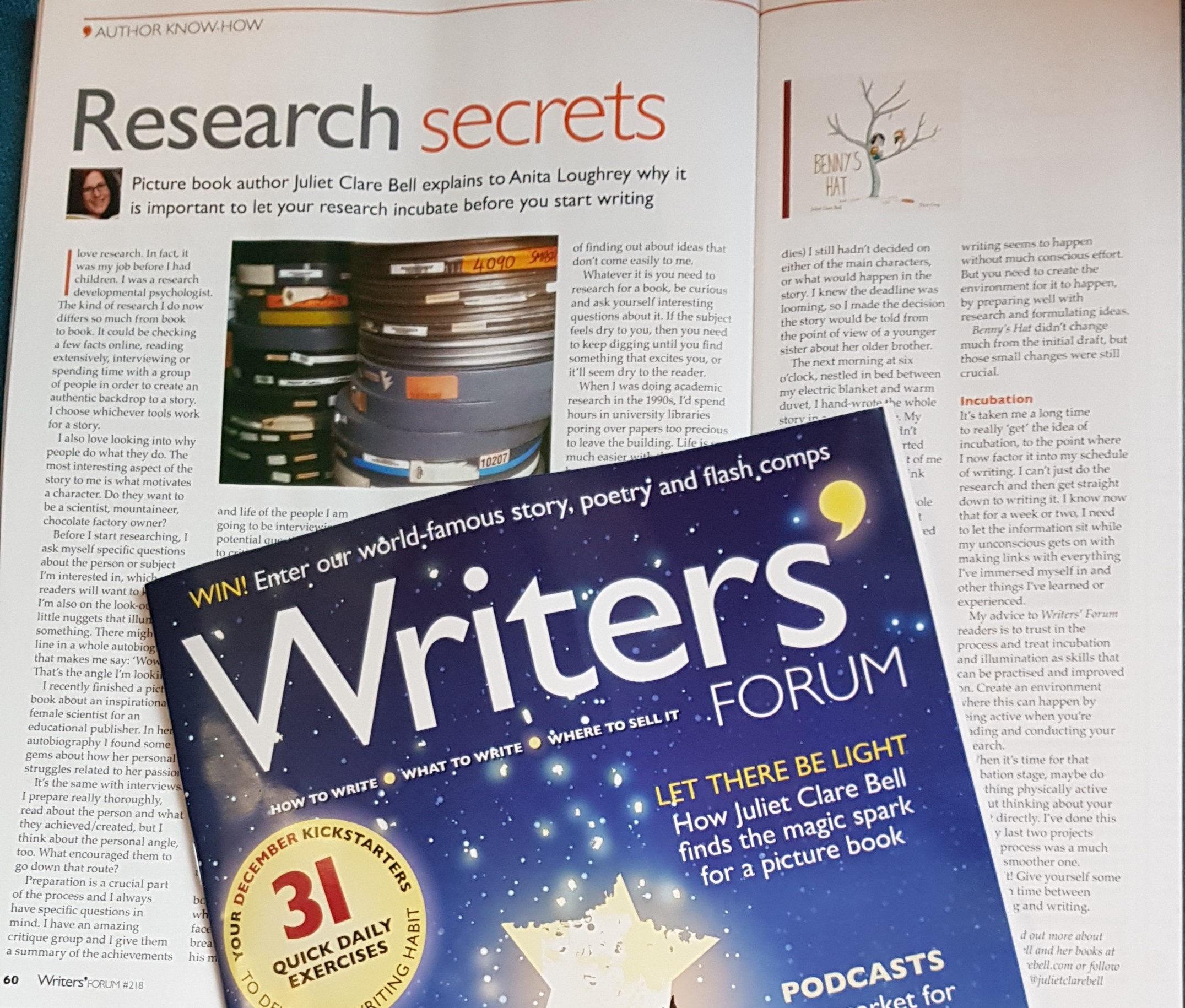
For my latest Research Secrets slot in the national writing magazine Writers’ Forum, I interview picture book writer Juliet Clare Bell. She talked me through her research process and how this has inspired some of the thorough and often unusual research she has done for her picture books.

JCBfeature

In the interview Juliet Clare Bell told me about the psychologist Graham Wallas who published The Art of Thought in 1926. In this book he identified a four-step process of problem-solving, insight or creative breakthroughs. Juliet Clare Bell summarises the four steps as:

“[1] Preparation –where you formulate your problem, then read, sketch, write, research etc., often very intensively. This, he believed, was absolutely necessary in creative thinking. During this intensive stage, you often end up feeling stuck, and to get past this mental block you must move onto phase two:

[2] Incubation where you let it sit whilst doing other things. If the answer you’re looking for feels really close, he argued, don’t force it. Trust that the process will lead to phase three:

[3] Illumination –often thought of as a ‘Eureka!’ moment –when the answer bursts into your consciousness. The final phase is:

[4] Verification –a conscious, formal activity, where you test it out and ensure that the insight is correct, or that the idea for your story fits.”

Juliet Clare Bell on The Art of Thought  by Graham Wallas

All writers love the illumination phase when writing seems to happen without much conscious effort, but Juliet Clare Bell finds it really useful to think of it in these phases. She explains you need to create the environment for it to happen, by preparing well with research and formulating ideas, and then you need to put in the work in phase four with the editing, even if the story does not change much from the original version.

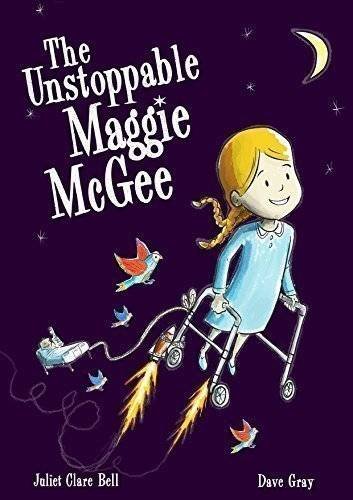
“I’d recommend approaching people who are experts about an area. In my experience they’ve been really helpful and willing to share their interest. For fictional picture books, I like spending time with people whose lives are similar to those I’m writing about, as I did for The Unstoppable Maggie McGee and Benny’s Hat, both illustrated by Dave Gray. You might do loads of research for a book but it’s often one small snippet you read, or hear in an interview, that can really bring the person to life, or change the direction of your story.” Juliet Clare Bell

The Unstoppable Maggie McGee

Juliet Clare Bell told me it’s taken her a long time to really ‘get’ the idea of incubation, to the point where she now factors it into her schedule of writing. She can’t just do the research and then get straight down to writing it. For a week or two, she needs to let it sit whilst her unconscious gets on with making links with everything she has immersed herself in and other things she has learned or experienced.

Her advice to other writers is to trust in the process and treat incubation and illumination as skills which can be practised and improved on. Create an environment where phases 2 and 3 can happen, and that means being active when you’re reading/conducting your research (phase 1): before you start reading, ask yourself specific questions about the person/subject that you’re really interested in and which your readers will be interested in discovering, but also be on the lookout for the little nuggets that illuminate something interesting.

Author picture - Juliet Clare Bell

Juliet Clare Bell is always interested in the human side of things (so the personality of the inventor, explorer, mountaineer, scientist) and there might be one line in a whole autobiography that makes me say wowthat’s the angle I’m looking for.

To find out more about Juliet Clare Bell you can check out her website www.julietclarebell.com or follow her on Twitter @julietclarebell

To read the complete feature take a look at #218 Dec 2019 of Writers’ Forum magazine.

I have also reviewed some of Juliet Clare Bell’s picture books on my blog. Have a look at Two Brothers and a Chocolate Factory: The Remarkable Story of Richard and George Cadbury, illustrated by Jess Mikhail and Benny’s Hat, illustrated by Dave Gray.


An Interview with… Francesca Capaldi Burgess

I have been told about such a wide range of resources that writers have used over the years I have been doing my Research Secrets slots in the national writing magazine Writers Forum. Resources are a writer’s best friend when researching for your writing and everybody has their own unique resource bank.

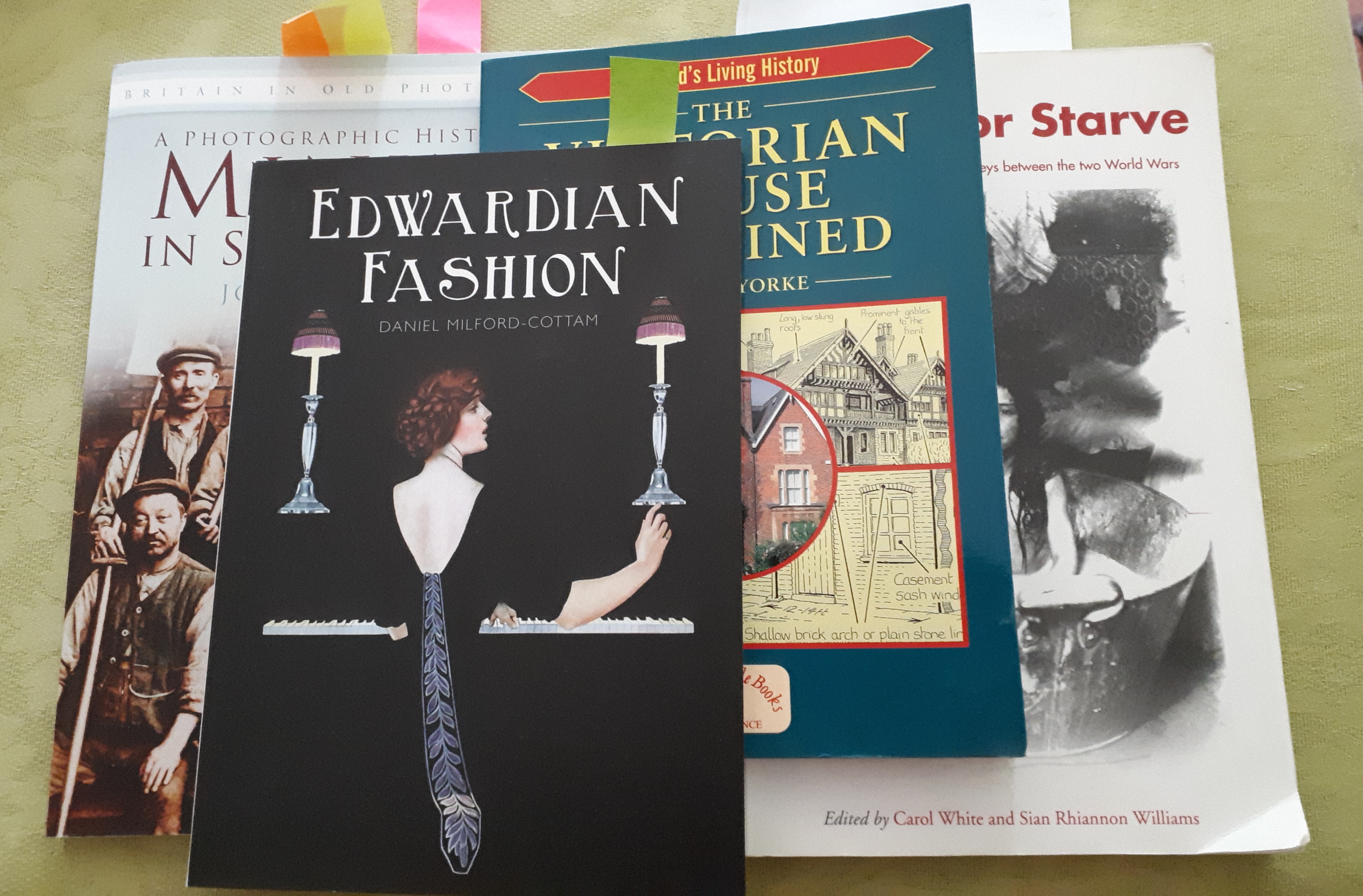
Francesca Capaldi writes short stories for anthologies and national women’s magazines such as My Weekly and The People’s Friend. In the October issue of Writers’ Forum she told me how she has gathered together a large selection of social history books, many secondhand, for her historical based research.

Research books

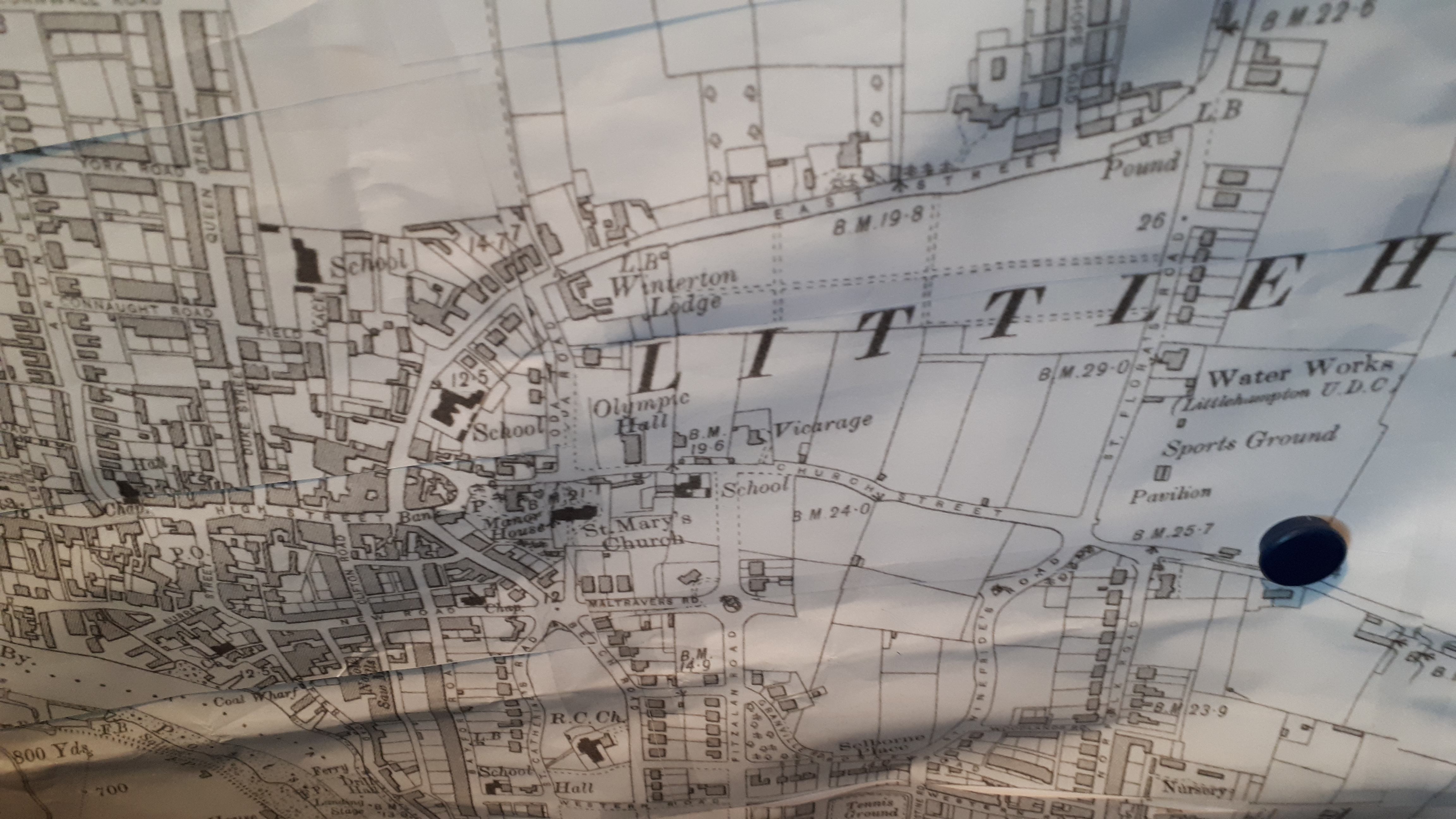
She explained books are not the only resources she turns to again and again. When researching locations her research always involves a map and sticking it on her whiteboard.

Old map Littlehampton

Francesca revealed:

“Back in my youth I did a history degree and discovered that there’s nothing better than first hand research, and even better if you’re using primary sources. I used to love sitting in the records’ office, wading through a census or tithe map, gathering information not necessarily found in a book. I love social history, that of ordinary, everyday folk.” Francesca Capaldi Burgess

Some other resources she talks about in the feature are: Google Maps, town websites, Pinterest, libraries, museums, local archives, ancestry.co.uk, newspapers, teh met office and documentaries. She said:

“If I’m at a talk or watching a documentary, I always take copious notes as I find I remember the details better. I also jot down ideas as I go along.”  Francesca Capaldi Burgess

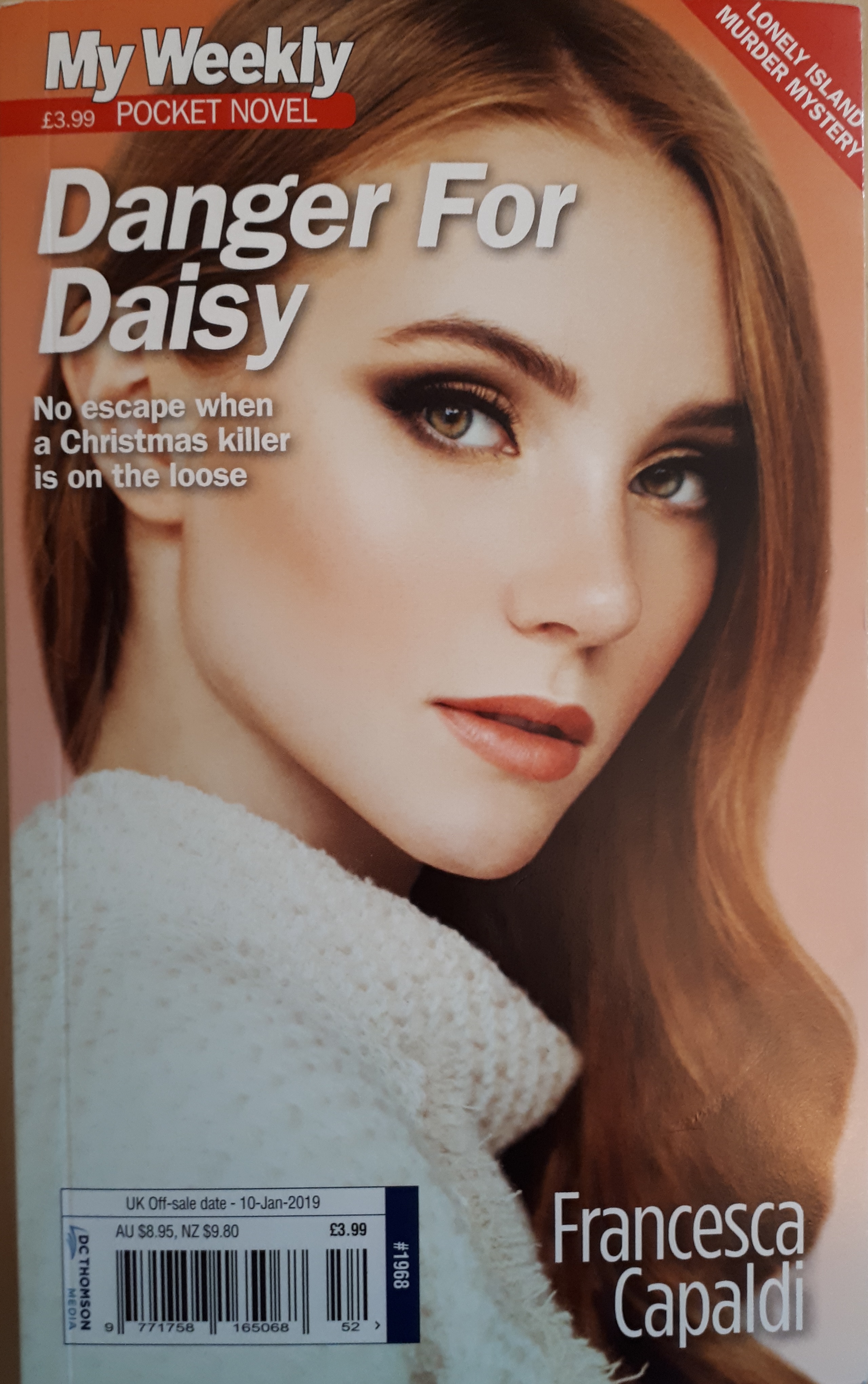
Danger For Daisy by F Capaldi coverHer pocket novel for My Weekly, Danger for Daisy, came out on January 2019. It is about the newly single Daisy Morgan who is excited about celebrating her first Christmas away from home with her extrovert flatmates. Then she meets intriguing university lecturer Seth, who offers a completely alternative Christmas – an archaeological dig on a secluded island. As she gets to know the diverse bunch of people working on Sealfarne, and romance blossoms with Seth, she begins to enjoy her adventure. But a series of bizarre occurrences convince her all is not as it seems, and there may even be murder involved…

To read the complete interview check out the #216 Oct 2019 issue of Writers Forum.

You can follow Francesca on Facebook @FrancescaCapaldiAuthor or on twitter @FCapaldiBurgess